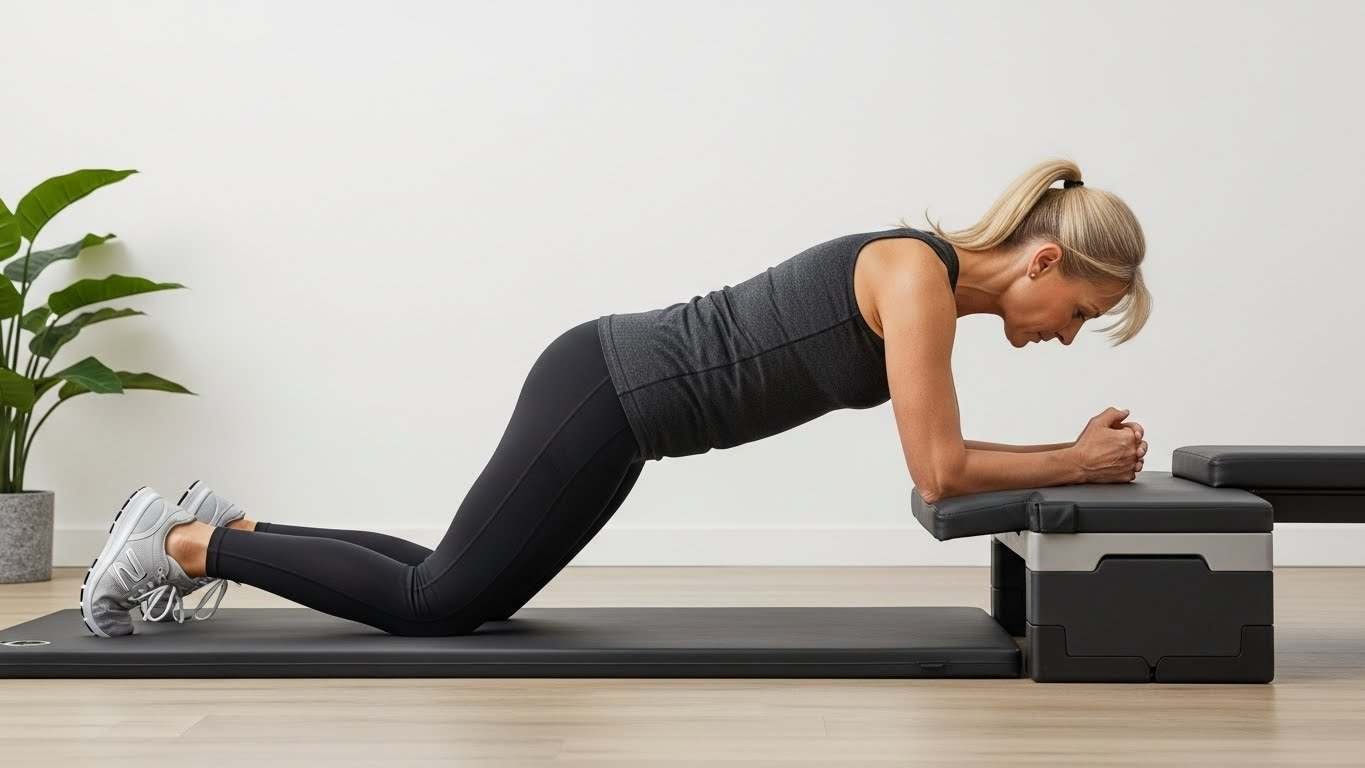

We understand that arthritis affects movement, comfort, and long-term independence. Strength training remains one of the most effective non-medical strategies for improving joint function, easing discomfort, and maintaining mobility. When selected carefully, low-impact strength exercises for arthritis deliver meaningful results without placing unnecessary stress on sensitive joints. Our focus is on controlled motion, proper alignment, and gradual resistance to support muscles while protecting joint structures.
Strengthening the muscles around the joints improves stability, enhances shock absorption, and reduces daily strain. The outcome is improved mobility, reduced stiffness, and better overall physical confidence. This guide presents a detailed and practical approach to low-impact strength exercises suitable for individuals managing arthritis.
Table of Contents
Why Low-Impact Strength Training Supports Arthritic Joints
Low-impact strength training reduces compressive forces while maintaining muscular engagement. This balance is essential for individuals living with osteoarthritis, rheumatoid arthritis, and other inflammatory joint conditions.
Regular training helps improve joint stability, supports smoother movement patterns, and promotes circulation of synovial fluid, which nourishes joint cartilage. Over time, this leads to less stiffness, improved balance, and greater ease in daily activities. Strength training also contributes to bone density preservation, which is critical for long-term joint health.
Core Principles for Safe and Effective Training
Successful low impact strength training with arthritis relies on proper execution rather than intensity. Movements should always remain slow and controlled, avoiding sudden or jerky actions. Joints must stay aligned, and exercises should remain within a pain-free range of motion.
Resistance should be light to moderate, allowing muscles to work without aggravating the joints. Balanced muscle development around each joint ensures even support and reduces compensatory strain.
Consistency and attention to form produce the greatest long-term benefits.
Lower Body Low-Impact Strength Exercises
Chair Squats for Knee and Hip Support

Chair squats strengthen the muscles that support the knees and hips while reinforcing proper movement mechanics. Sitting and standing are fundamental daily tasks, and improving this motion increases independence and confidence.
Begin seated on a sturdy chair with feet placed hip-width apart. Slowly stand up using controlled movement, then lower back down with equal control. This exercise strengthens the thighs and gluteal muscles without excessive joint compression.
Seated Leg Extensions for Knee Stability
Seated leg extensions target the quadriceps, which play a key role in knee alignment and shock absorption. This exercise is especially helpful for individuals with knee arthritis.
Sit upright with feet flat on the floor. Slowly extend one leg until it is straight, hold briefly, then lower with control. Alternating legs ensures balanced strength development.
Standing Hip Abductions for Pelvic Balance
Hip stabilizers are essential for proper walking mechanics and reduced knee stress. Standing hip abductions strengthen these muscles gently and effectively.
While holding onto a chair or wall for balance, move one leg outward without leaning. Return slowly to the starting position and repeat on both sides.
Upper Body Low-Impact Strength Exercises
Wall Push-Ups for Shoulder and Elbow Comfort

Wall push-ups strengthen the arms, chest, and shoulders without placing excessive pressure on the wrists or elbows.
Stand facing a wall with hands positioned at shoulder height. Bend the elbows to bring the chest closer to the wall, then push back to the starting position. This exercise improves upper-body endurance and supports posture.
Resistance Band Rows for Shoulder Stability
Rows help strengthen the upper back and improve shoulder mechanics, which is essential for reducing stiffness and maintaining range of motion.
Anchor a resistance band securely at chest height. Pull the band toward your body while squeezing the shoulder blades together, then return slowly to the starting position.
Seated Overhead Press with Light Resistance
This exercise builds shoulder strength when performed within a comfortable range.
Sit upright with light dumbbells or resistance bands. Press upward only as far as pain-free motion allows, then lower slowly. This supports functional strength needed for reaching tasks.
Core Strength Without Joint Compression
Seated Abdominal Bracing
A stable core reduces strain on the spine, hips, and knees. Seated abdominal bracing is a safe and effective option.
Sit upright and gently tighten the abdominal muscles as if preparing for movement. Hold the contraction while breathing normally, then relax.
Pelvic Tilts for Lower Back Support
Pelvic tilts strengthen the muscles that support the lower spine and improve spinal mobility.
Lie on your back with knees bent. Tilt the pelvis to flatten the lower back against the floor, hold briefly, then release.
Hand, Wrist, and Finger Strengthening
Arthritis often affects smaller joints, making hand exercises essential for daily function.
Hand Squeezes with a Soft Ball
Holding a soft ball or therapy putty, gently squeeze and release. This improves grip strength and supports finger coordination.
Finger Lifts for Joint Mobility
Place the hand flat on a table and lift one finger at a time, lowering it slowly. This promotes circulation and maintains finger independence.
Training Frequency, Progression, and Recovery
Strength exercises should be performed two to three times per week with rest days in between. Each exercise can be completed for eight to twelve controlled repetitions. Resistance should increase gradually and only when movements remain comfortable.
Recovery is just as important as exercise itself. Adequate rest allows joints and muscles to adapt, reducing inflammation and fatigue.
Managing Arthritis Flare-Ups While Staying Active
During flare-ups, exercise intensity should be reduced rather than stopped entirely. Gentle movements, fewer repetitions, and isometric holds help maintain strength without worsening symptoms. Listening to the body and adjusting accordingly supports long-term consistency.
Long-Term Benefits of Low-Impact Strength Training
With regular practice, individuals experience improved joint stability, reduced pain, better balance, and greater independence. Strength training becomes a protective strategy, enhancing daily comfort and preserving mobility over time.
Conclusion: Sustainable Strength for Arthritic Joints
Low-impact strength exercises for arthritis provide a safe and effective pathway to improved joint health. Through controlled resistance, proper alignment, and consistent practice, strength can be built without unnecessary strain. The result is greater confidence in movement, improved function, and a more active, comfortable lifestyle.