
Staying active after 60 isn’t about chasing youth—it’s about preserving independence, strength, balance, and quality of life. With the right strength training equipment for seniors, older adults can build muscle safely, protect their joints, and remain confident in daily movement.
This ultimate guide covers everything seniors and caregivers need to know to choose safe, effective, and joint-friendly fitness equipment.
Table of Contents
Introduction to Senior Fitness and Strength Training
A. Why Strength Training Matters for Seniors
As we age, we naturally lose muscle mass (a condition known as sarcopenia). Strength training helps reverse this process by:
- Improving muscle strength and endurance
- Supporting bone density and reducing osteoporosis risk
- Enhancing balance and coordination
- Boosting metabolism and energy levels
For seniors, strength training is not optional—it’s essential for long-term mobility and independence.
B. Common Fitness Goals and Challenges After 60
Most seniors aim to:
- Stay mobile and independent
- Reduce joint pain and stiffness
- Prevent falls
- Maintain a healthy weight
Challenges include joint issues, balance limitations, fear of injury, and unfamiliarity with modern fitness equipment.
C. Safety Considerations Unique to Older Adults
Senior fitness requires special attention to:
- Joint protection
- Stable, low-impact movements
- Gradual progression
- Easy-to-use equipment with clear instructions
Understanding Exercise Equipment Categories for Seniors
A. Cardiovascular Equipment vs. Strength Training Equipment
- Cardio equipment improves heart health and endurance (e.g., treadmills, ellipticals).
- Strength training equipment builds muscle and supports joint stability (e.g., resistance bands, dumbbells, machines).
Both are important, but strength training becomes increasingly critical with age.
B. Low-Impact vs. High-Impact Exercise Machines
Low-impact equipment reduces stress on joints and includes:
- Ellipticals
- Recumbent bikes
- Resistance-based machines
High-impact exercises like running or jumping are generally less suitable for seniors.
C. Commercial Gym Equipment vs. Home Fitness Equipment
- Gym equipment offers variety and professional supervision.
- Home equipment provides convenience, privacy, and consistency—ideal for seniors who prefer controlled environments.
Key Factors When Choosing Exercise Equipment for Seniors
A. Joint Health and Mobility Limitations
Equipment should support natural movement patterns and minimize joint strain, especially for knees, hips, and shoulders.
B. Balance, Stability, and Fall Prevention
Look for equipment with:
- Handrails
- Wide, stable bases
- Seated or supported positions
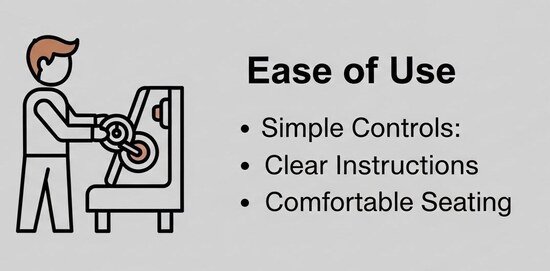
C. Ease of Use and Learning Curve
Simple, intuitive equipment encourages consistent use and reduces injury risk.
D. Space, Budget, and Maintenance Requirements
Compact, low-maintenance equipment is ideal for home use, especially for seniors on fixed incomes.
Treadmill vs. Elliptical: Which Is Better for Seniors?
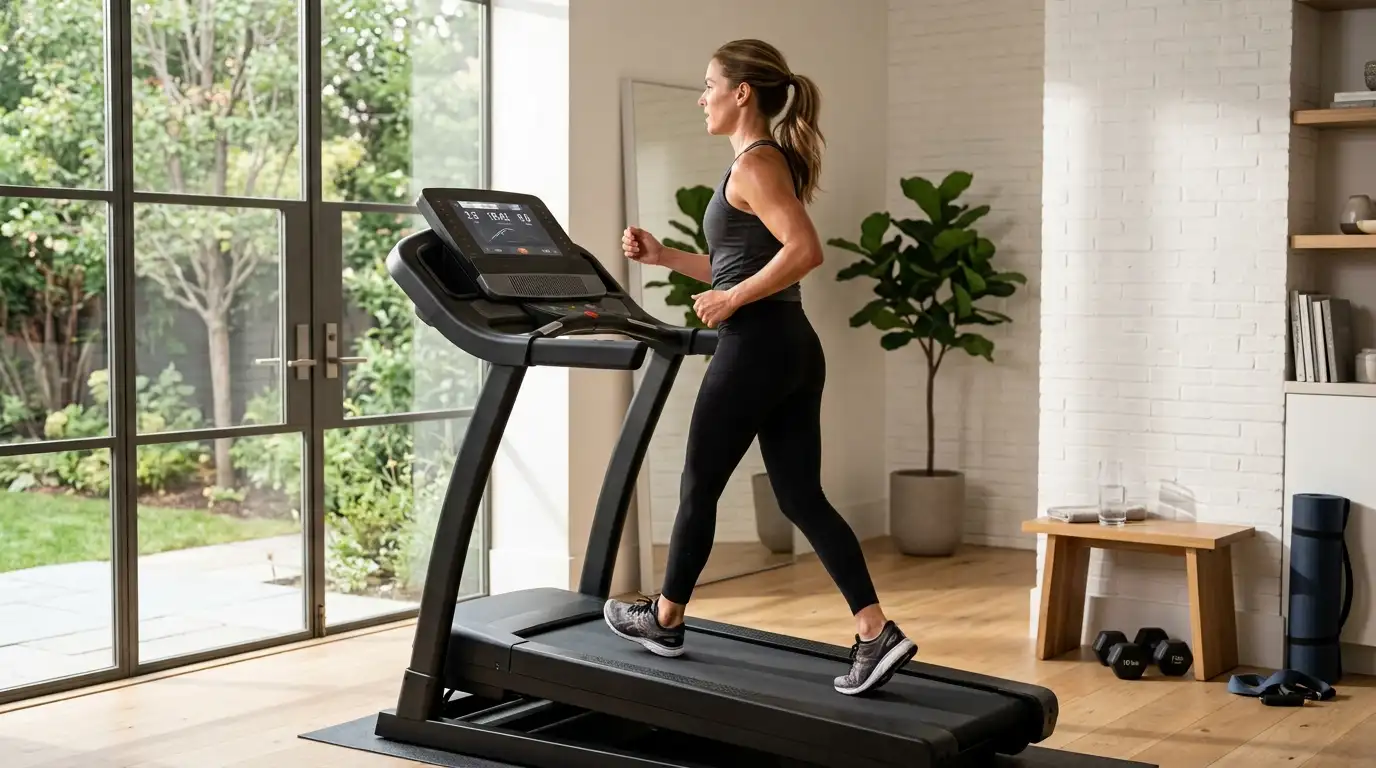
A. How Treadmills Work for Senior Fitness
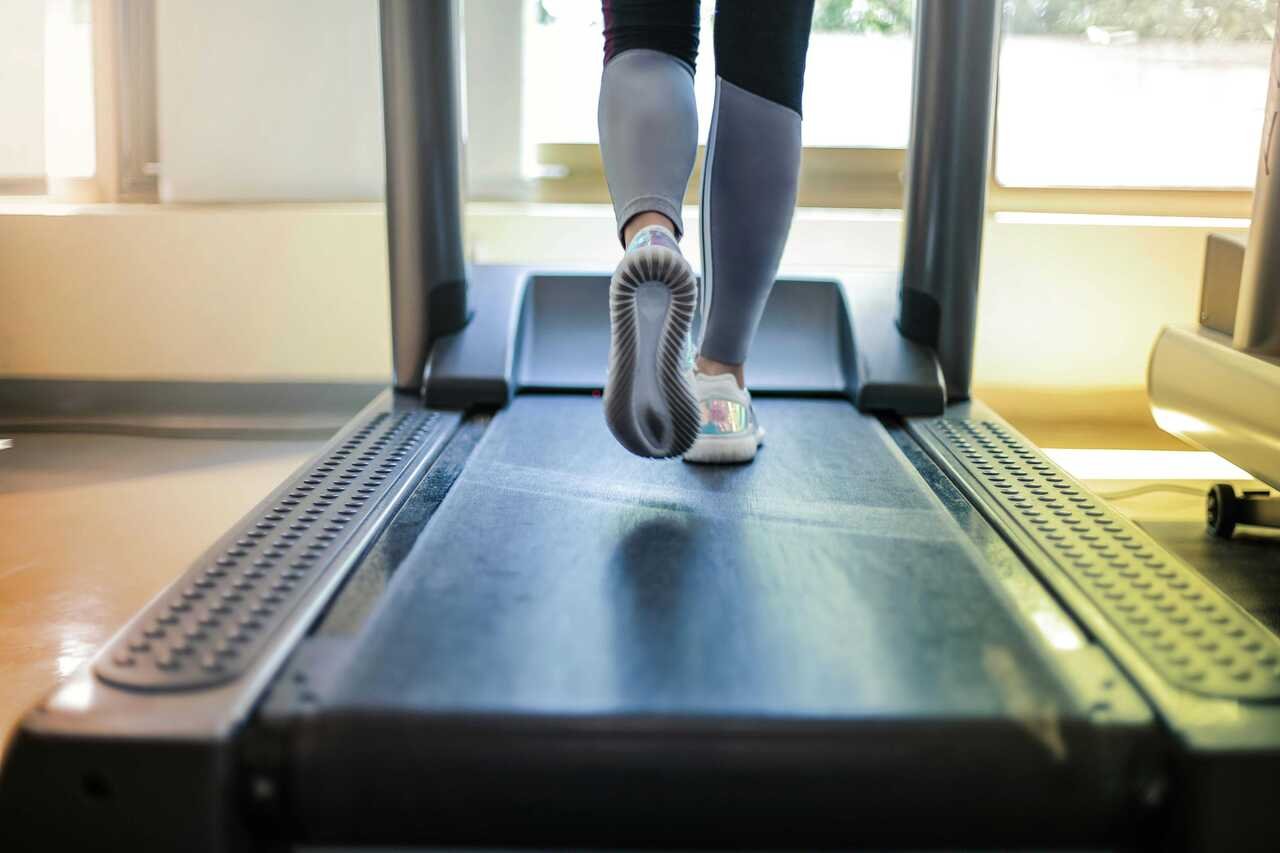
Treadmills simulate walking indoors, offering adjustable speed and incline.
B. Benefits of Treadmills for Older Adults
- Familiar walking motion
- Improves cardiovascular health
- Helps maintain bone density
C. Risks and Limitations of Treadmills for Seniors
- Higher fall risk
- Increased knee and hip impact
- Requires good balance
D. How Ellipticals Work for Senior Fitness
Ellipticals provide a smooth, gliding motion that reduces joint stress.
E. Benefits of Ellipticals for Older Adults
- Low-impact on knees and hips
- Full-body engagement
- Better balance support
F. Risks and Limitations of Ellipticals for Seniors
- Slight learning curve
- Less bone-loading than walking
G. Side-by-Side Comparison: Treadmill vs. Elliptical for Seniors
| Feature | Treadmill | Elliptical |
|---|---|---|
| Joint Impact | Moderate to High | Very Low |
| Balance Requirement | High | Moderate |
| Knee-Friendly | Limited | Excellent |
| Best For | Active seniors | Seniors with joint pain |
The Number One Exercise for Seniors Explained
A. Criteria for Ranking the Best Exercise for Seniors
The best exercise must be safe, accessible, effective, and sustainable.
B. Walking as the Foundation of Senior Fitness
Walking remains the most accessible exercise, supporting heart health and mobility.
C. Strength Training as a Longevity Multiplier
Strength training enhances walking ability, posture, and daily functional strength.
D. Balance and Flexibility Exercises in Overall Fitness
Yoga, stretching, and balance drills prevent falls and improve coordination.
Best Strength Training Equipment for Seniors with Bad Knees
A. Understanding Knee Pain and Arthritis in Seniors
Knee pain often results from arthritis, cartilage wear, or muscle weakness.
B. Low-Impact Cardio Machines for Knee Protection
- Ellipticals
- Recumbent bikes
- Under-desk pedal exercisers
C. Strength Training Equipment That Reduces Knee Strain
- Resistance bands
- Seated leg press machines
- Chair-assisted squats
D. Equipment Features That Support Joint Safety
- Adjustable resistance
- Smooth motion paths
- Cushioned or seated designs
Best Strength Training Equipment for Seniors
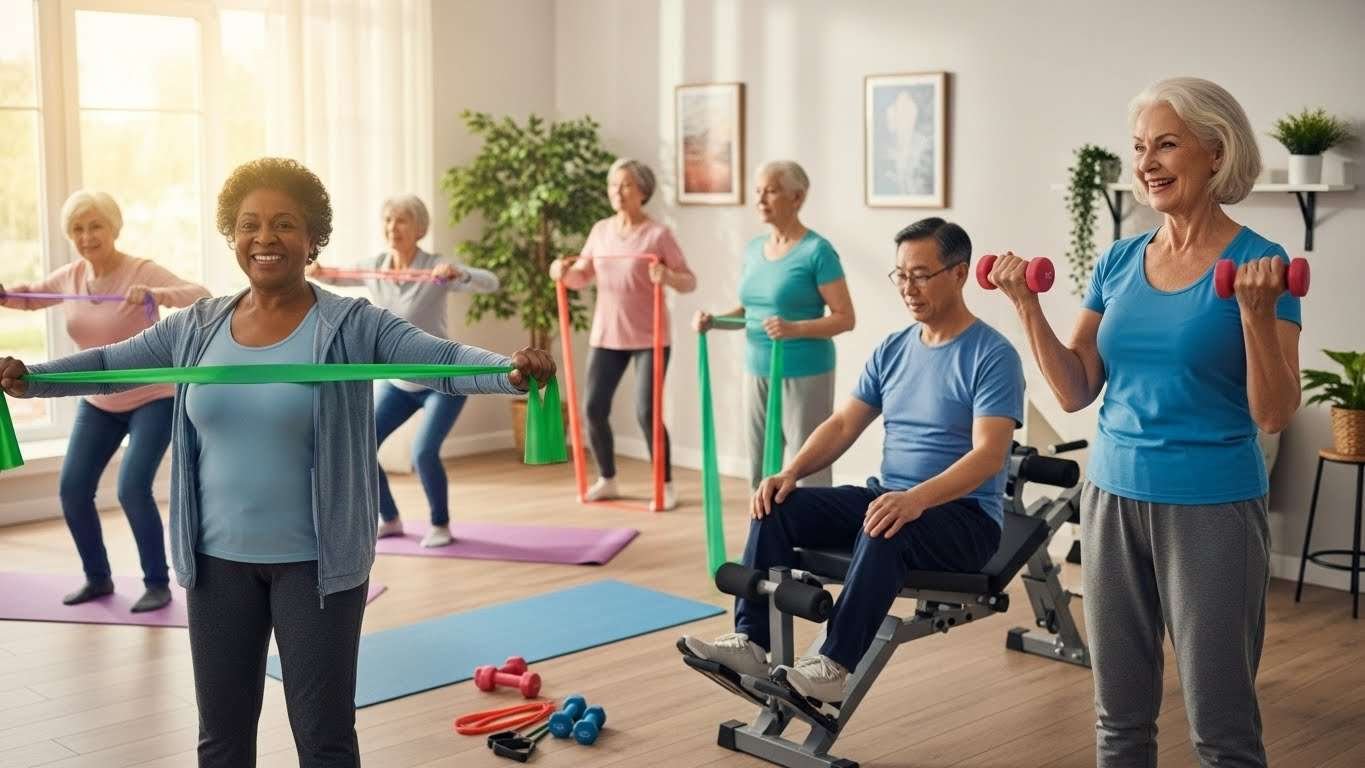
A. Resistance Bands and Their Versatility
Resistance bands are lightweight, affordable, and ideal for joint-friendly strength training.
Benefits:
- Low injury risk
- Easy to store
- Suitable for all fitness levels
B. Adjustable Dumbbells for Controlled Strength Building
Lightweight adjustable dumbbells allow gradual progression and improved grip strength.
C. Weight Machines Designed for Seniors
Selectorized machines guide movement patterns, reducing injury risk and improving confidence.
D. Bodyweight and Assisted Strength Tools
- Chair-assisted exercises
- Wall push-ups
- Suspension trainers with support
Best Strength Training Equipment for Seniors at Home
A. Advantages of Home Workouts for Older Adults
- Convenience and comfort
- Reduced fall risk
- Consistent routine
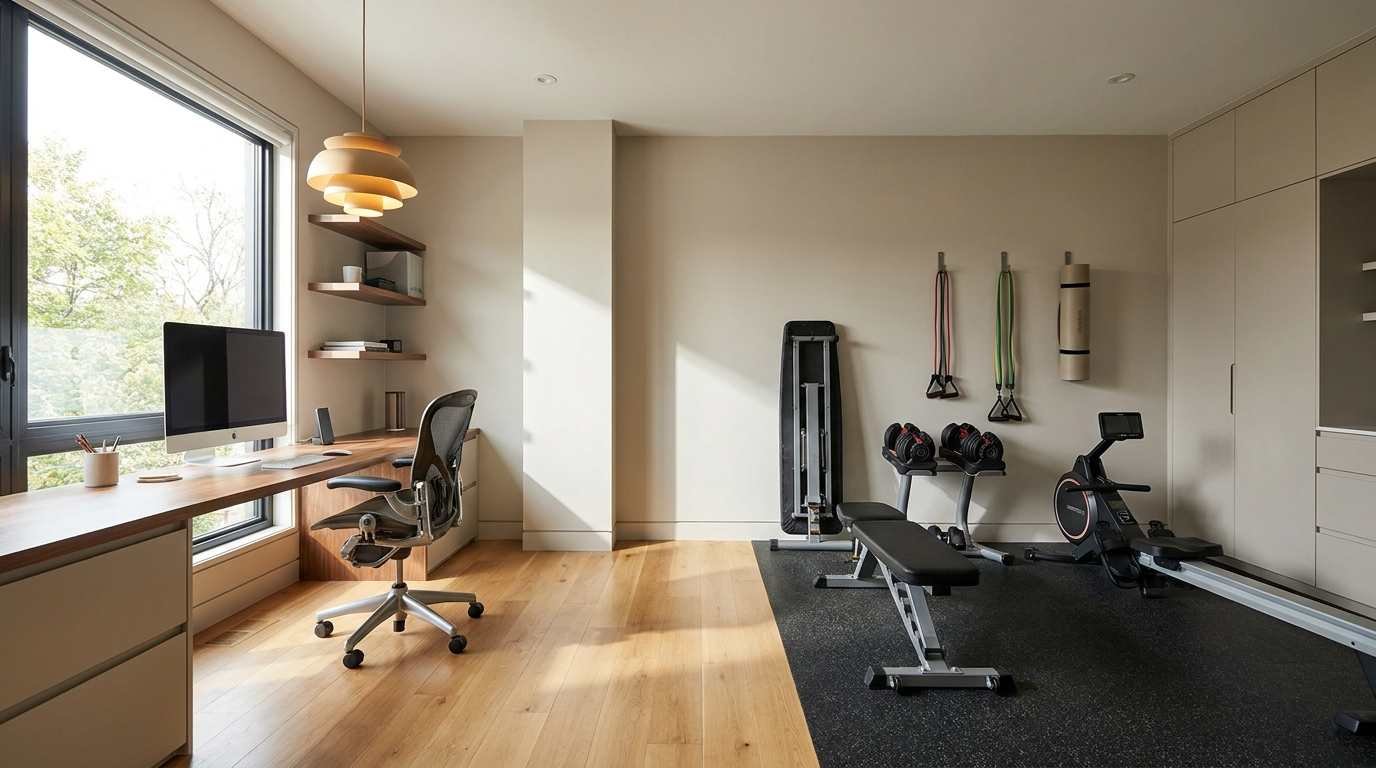
B. Compact and Space-Saving Fitness Equipment
- Resistance bands
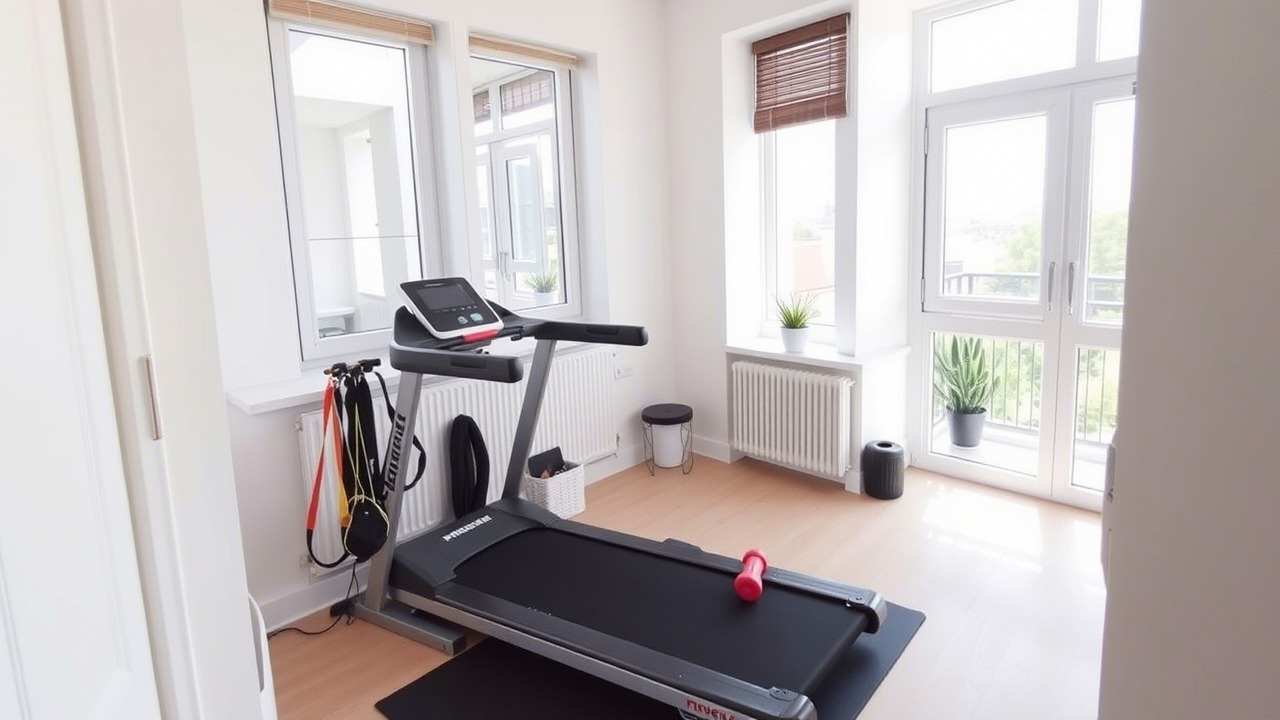
- Foldable treadmills
- Compact ellipticals
C. Multifunctional Equipment for Full-Body Training
- All-in-one home gyms
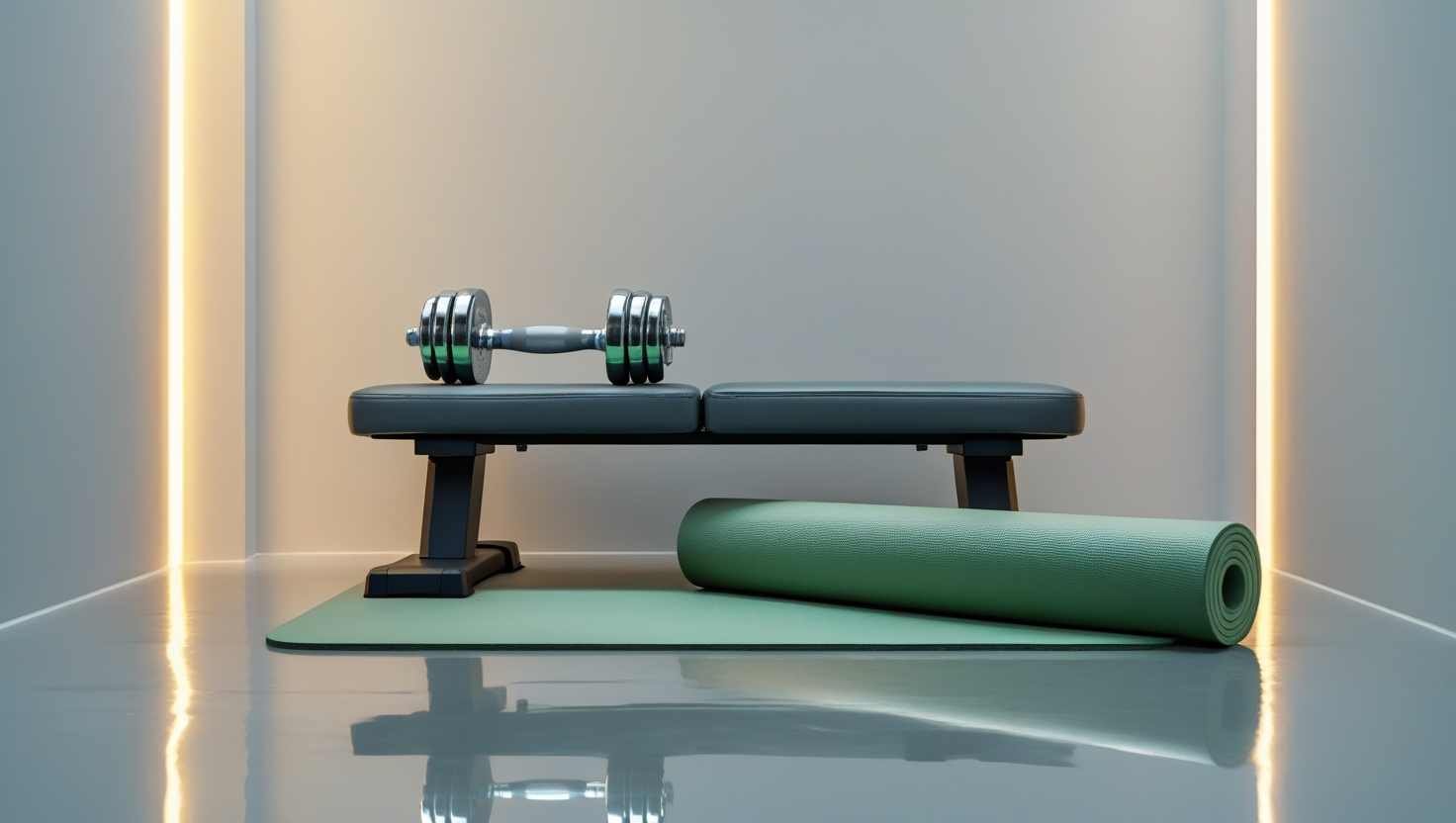
- Adjustable benches
- Balance boards
D. Budget-Friendly Home Exercise Options
Many effective senior fitness tools cost little but deliver excellent results.
Creating a Balanced Senior Fitness Routine
A. Combining Cardio, Strength, and Flexibility
A well-rounded routine includes:
- Cardio for heart health
- Strength training for muscle and bone
- Flexibility and balance for mobility
B. Weekly Exercise Frequency and Duration for Seniors
- Strength training: 2–3 times per week
- Cardio: 150 minutes weekly
- Balance exercises: daily
C. Progression and Recovery for Long-Term Results
Slow progression and proper rest prevent injury and support consistency.
Safety Tips for Seniors Using Strength Training Equipment
A. Proper Warm-Up and Cool-Down Practices
Gentle movement and stretching as part of a proper warm-up reduce stiffness and injury risk.
B. Monitoring Heart Rate and Intensity
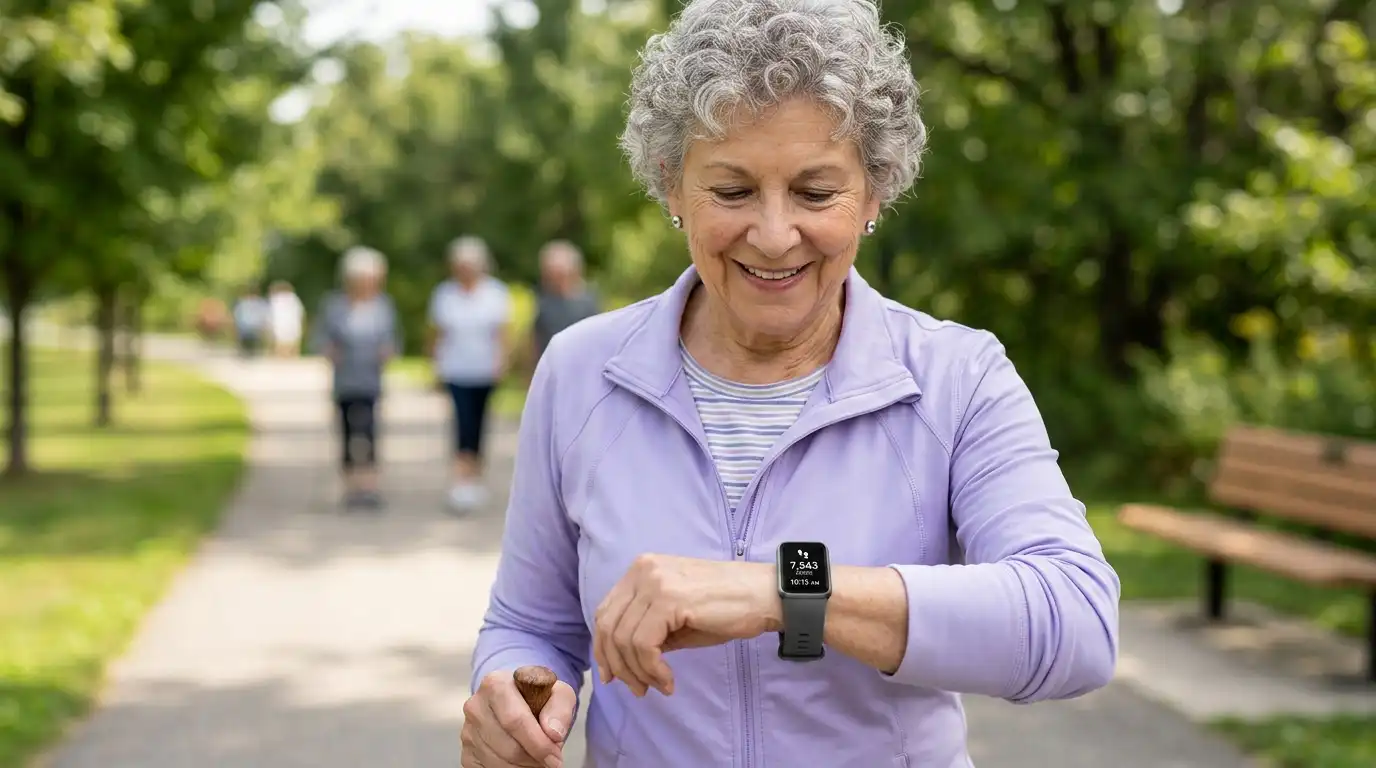
Use perceived exertion or heart-rate monitors to stay within safe limits.
C. When to Consult a Doctor or Physical Therapist
Consult professionals before starting or changing exercise routines, especially with chronic conditions.
Summary: Choosing the Best Strength Training Equipment for Seniors
The best strength training equipment for seniors is safe, joint-friendly, easy to use, and adaptable. Prioritizing low-impact strength tools, balance support, and comfort ensures long-term fitness success and independence.
Frequently Asked Questions About Strength Training Equipment
Is strength training safe for seniors over 70?
Yes, when performed with proper equipment, light resistance, and good technique.
How often should seniors use Strength Training Equipment?
Most seniors benefit from strength training 2–3 times per week and light cardio most days.
Can seniors with arthritis safely use an elliptical?
Yes, ellipticals are among the most joint-friendly cardio machines for arthritis.
What is the safest home Strength Training Equipment for seniors?
Resistance bands, chairs, and seated machines are among the safest options.
Should seniors focus more on cardio or strength training?
Both are important, but strength training becomes increasingly critical with age.