

Back exercises with dumbbells represent one of the most effective, versatile, and accessible approaches to developing a strong, balanced, and well-defined posterior chain. We rely on dumbbells to deliver unilateral loading, improved muscle activation, and enhanced joint stability, making them ideal for beginners and advanced athletes alike.
By integrating dumbbells into back training, we unlock greater range of motion, correct muscular imbalances, and stimulate deep stabilizing muscles that barbells and machines often neglect.
Table of Contents
Anatomy of the Back Muscles
A comprehensive understanding of back anatomy allows us to target muscles with precision and intent. The primary muscles engaged during back exercises with dumbbells include the latissimus dorsi, rhomboids, trapezius, erector spinae, and rear deltoids. Secondary involvement includes the biceps, forearms, and core musculature, ensuring functional strength and postural control.
Benefits of Back Exercises with Dumbbells
Back exercises with dumbbells deliver unique advantages that elevate training quality and outcomes:
- Improved muscle symmetry through unilateral movement patterns
- Greater range of motion for deeper muscle engagement
- Enhanced grip strength and neuromuscular coordination
- Reduced joint stress compared to fixed-path machines
- Scalable intensity suitable for home and gym workouts
Essential Equipment and Preparation
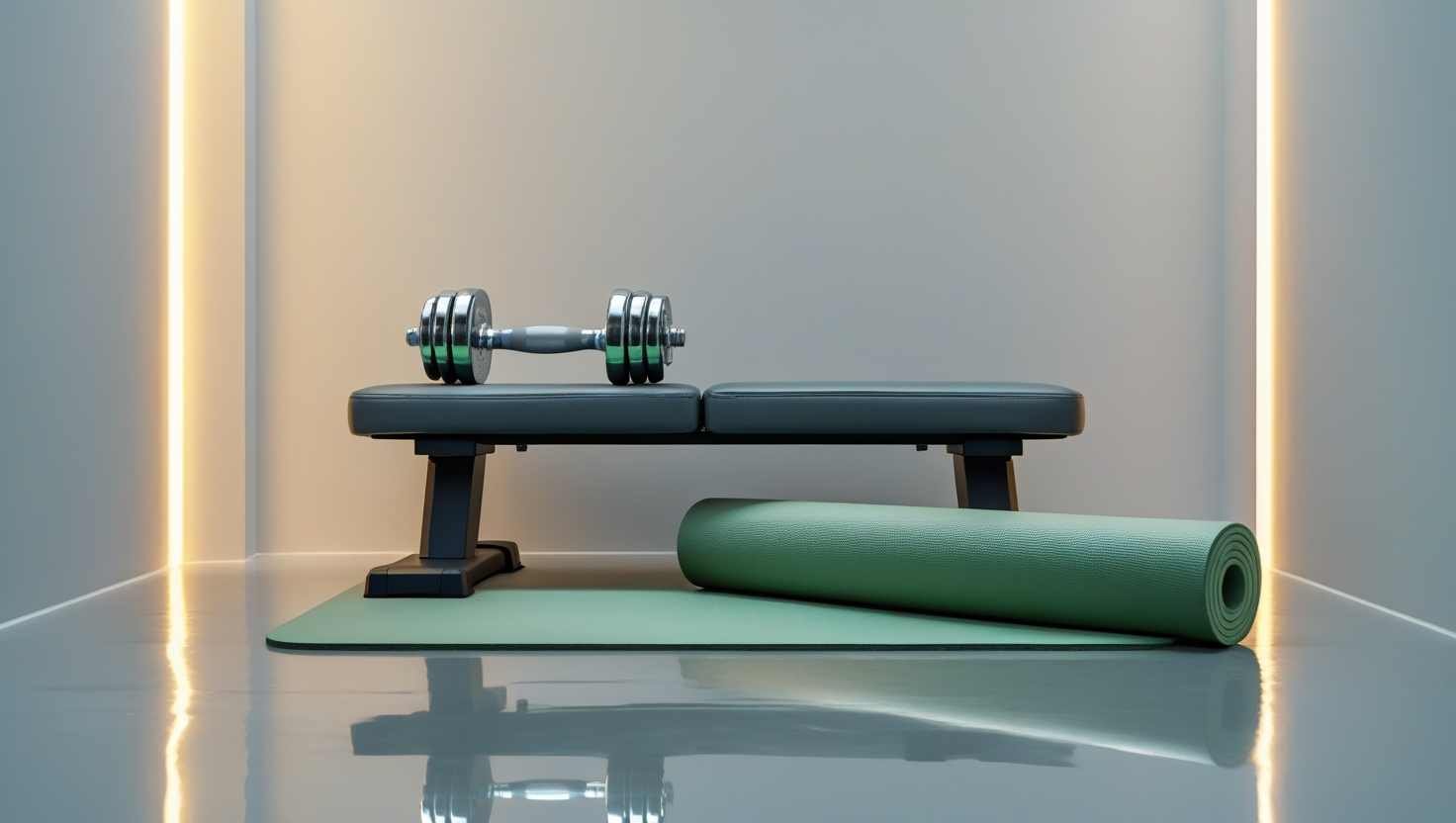
Before initiating any back workout, we prioritize proper preparation. High-quality dumbbells with ergonomic grips, a stable bench, and sufficient floor space are essential. A dynamic warm-up emphasizing thoracic mobility, scapular activation, and core engagement primes the body for optimal performance and injury prevention.
Best Back Exercises with Dumbbells
Dumbbell Bent-Over Row
The dumbbell bent-over row stands as a foundational movement for back development. We hinge at the hips, maintain a neutral spine, and pull the dumbbells toward the waist. This exercise heavily activates the lats, rhomboids, and mid-traps, delivering exceptional thickness and density.
Key Focus: Controlled tempo, scapular retraction, and spinal alignment.
Single-Arm Dumbbell Row
Single-arm rows isolate each side of the back independently, correcting strength imbalances and enhancing core stability. By bracing one knee and hand on a bench, we allow a deeper stretch and contraction through the latissimus dorsi.
Key Focus: Full extension at the bottom and deliberate squeeze at the top.
Dumbbell Deadlift
The dumbbell deadlift strengthens the erector spinae, glutes, and hamstrings, supporting overall back health and lifting capacity. We maintain neutral posture and drive through the hips, emphasizing posterior chain engagement.
Key Focus: Hip hinge mechanics and controlled ascent.
Dumbbell Pullover
Often underestimated, the dumbbell pullover targets the upper lats and serratus anterior. Lying perpendicular on a bench, we lower the dumbbell behind the head and return it overhead, creating an intense stretch and contraction.
Key Focus: Slow eccentric phase and controlled breathing.
Dumbbell Reverse Fly
Reverse flies sculpt the upper back and rear deltoids, enhancing posture and shoulder stability. Performed with light weights, this exercise emphasizes form over load.
Key Focus: Slight elbow bend and scapular control.
Renegade Row
Renegade rows combine back training with core stabilization. From a plank position, we row each dumbbell alternately, challenging the lats while reinforcing anti-rotation strength.
Key Focus: Core bracing and minimal torso rotation.
Programming Back Exercises with Dumbbells
Effective programming ensures consistent progress. We recommend training the back two to three times per week, integrating both compound and isolation movements. Volume and intensity should align with training goals:
- Hypertrophy: 3–4 sets of 8–12 repetitions
- Strength: 4–6 sets of 4–6 repetitions
- Endurance: 2–3 sets of 15–20 repetitions
Rest intervals should range from 60 to 120 seconds, depending on intensity.
Common Mistakes to Avoid
Even experienced lifters can undermine progress through technical errors. We remain vigilant against:
- Excessive momentum and swinging
- Rounded lumbar spine during rows
- Incomplete range of motion
- Overloading beyond form capacity
Precision and control remain paramount.
Progressive Overload Strategies
To continually stimulate growth, we apply progressive overload through:
- Incremental weight increases
- Enhanced time under tension
- Advanced tempo variations
- Paused repetitions at peak contraction
These strategies ensure adaptation without compromising joint health.
Back Exercises with Dumbbells for Home Workouts
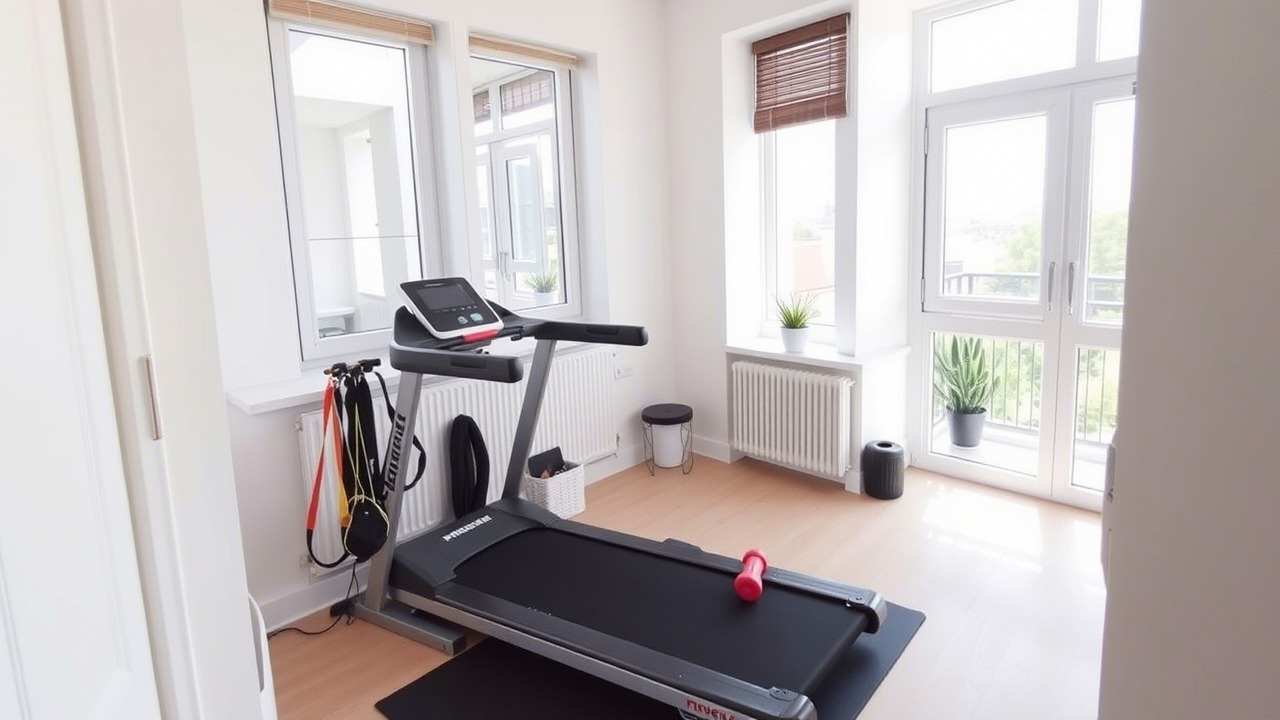
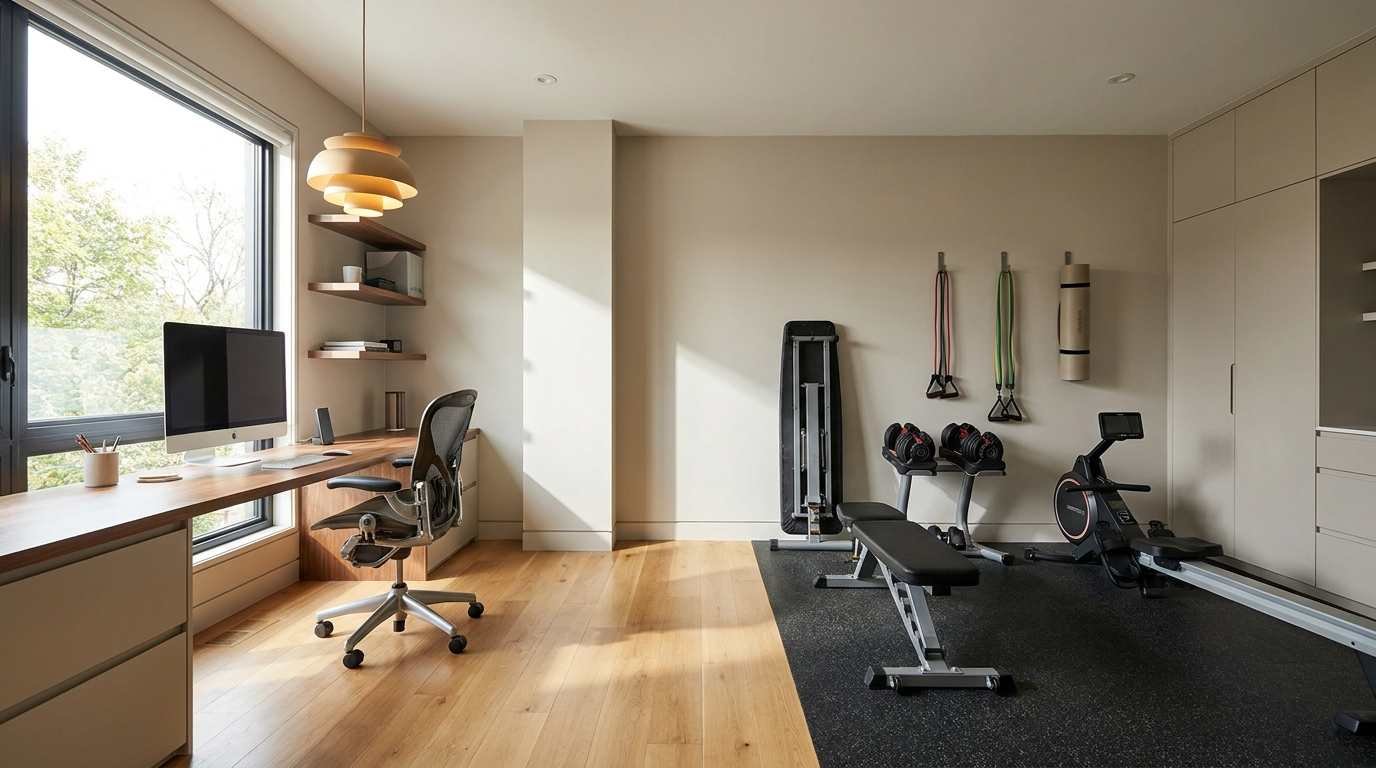
Dumbbells excel in home training environments. Limited space and equipment do not restrict results when exercises are executed with intent and consistency. Adjustable dumbbells further expand load variability, enabling long-term progression.
Recovery and Mobility Considerations
Optimal back development requires recovery equal to training intensity. We incorporate active recovery, foam rolling, and mobility drills targeting the thoracic spine and shoulders. Adequate hydration, sleep, and nutrition accelerate tissue repair and performance gains.
Conclusion
Back exercises with dumbbells offer a powerful, adaptable, and results-driven approach to building strength, symmetry, and resilience. Through strategic exercise selection, precise execution, and intelligent programming, we achieve a well-developed back that supports athletic performance and everyday movement efficiency. Dumbbells remain an indispensable tool in any comprehensive strength training regimen.
FAQs About Back Exercises with Dumbbells
Are dumbbells effective for back workouts?
Yes, dumbbells improve muscle activation, balance, and range of motion for effective back training.
Which dumbbell exercise is best for the back?
The bent-over dumbbell row is one of the best exercises for building back strength and thickness.
Can I build a strong back at home with dumbbells?
Yes, dumbbells provide enough resistance for effective home back workouts and muscle growth.
How often should I train my back?
Training your back 2–3 times weekly supports strength, recovery, and muscle development.
Do dumbbell rows improve posture?
Yes, rows strengthen the upper back and help improve posture and shoulder stability.
What weight dumbbells should beginners use?
Beginners should start with manageable weights that allow proper form and controlled movement.
Are dumbbell deadlifts good for the lower back?
Yes, dumbbell deadlifts strengthen the lower back, glutes, and hamstrings when performed correctly.