
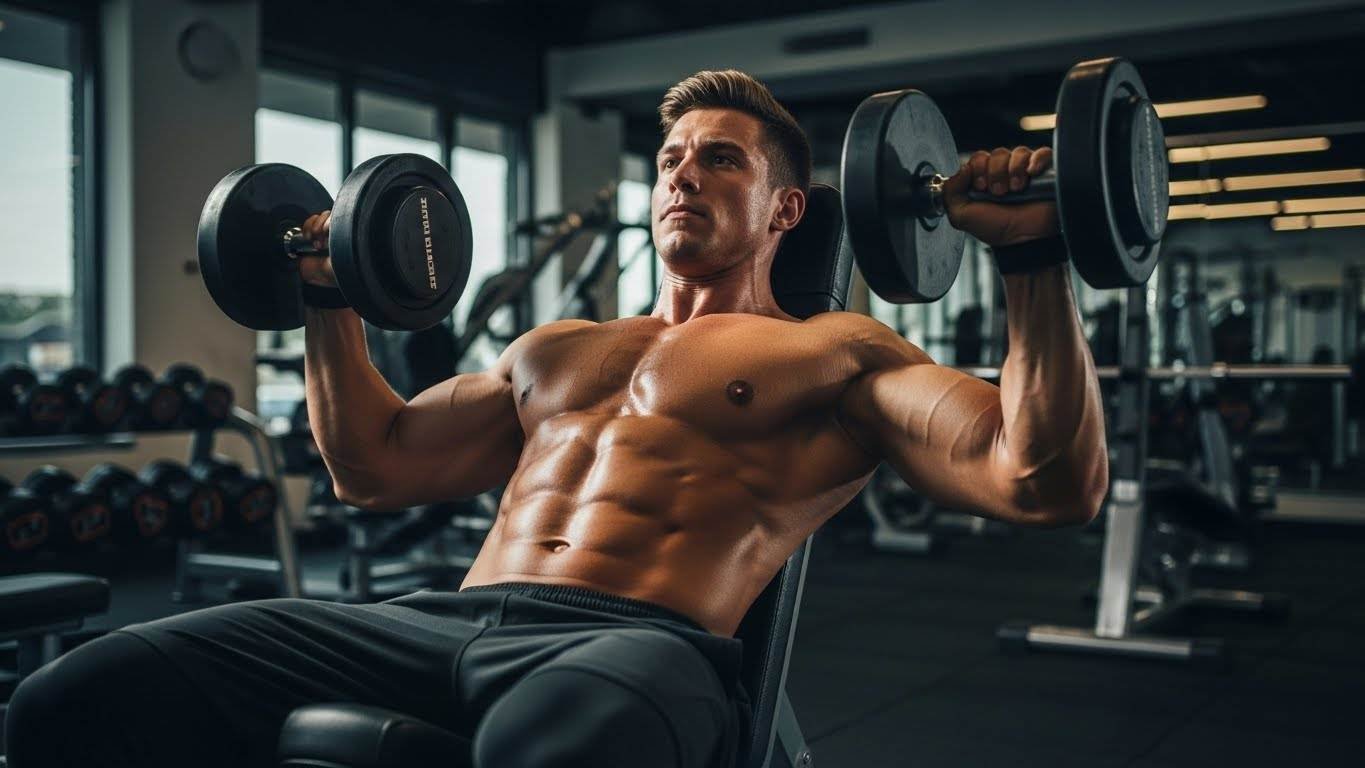
Chest exercises with dumbbells are among the most effective methods for developing a strong, defined, and well-balanced upper body. Dumbbells allow a natural range of motion, encourage symmetrical muscle development, and activate stabilizing muscles that are often underutilized when training with machines or barbells. Whether training at home or in a commercial gym, dumbbells offer flexibility, accessibility, and precision that make them indispensable for chest-focused workouts
A consistent program built around chest exercises with dumbbells enhances muscular strength, improves posture, increases upper-body power, and contributes to an athletic, well-proportioned physique.
This guide presents a detailed and structured approach to the most effective exercises, execution principles, and training strategies.
Table of Contents
Understanding Chest Muscle Anatomy
The chest is primarily composed of the pectoralis major and pectoralis minor. Effective chest training requires engaging all regions of the pectoralis major through multiple angles and movement patterns.
The upper chest is activated most effectively through incline movements, the mid chest through flat pressing and fly variations, and the lower chest through decline angles and downward pressing paths. Balanced development across these regions creates a full, strong, and aesthetically pleasing chest.
Why Train Chest with Dumbbells
Chest exercises with dumbbells provide several advantages that elevate both performance and muscle growth.
Dumbbells promote unilateral strength, allowing each side of the body to work independently. This corrects muscular imbalances and improves coordination. They also allow a deeper stretch and stronger contraction, which enhances muscle fiber recruitment. Additionally, dumbbells reduce joint stress by permitting natural wrist and elbow positioning, making them suitable for long-term training.
Flat Dumbbell Bench Press
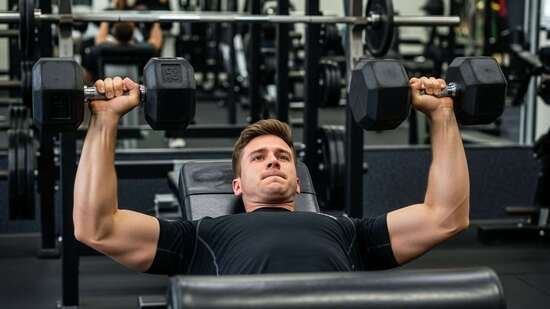
The flat dumbbell bench press is a foundational movement for chest strength and mass. It primarily targets the mid chest while also engaging the shoulders and triceps.
Lie flat on a bench with dumbbells positioned at chest level. Press the weights upward until the arms are fully extended without locking the elbows. Lower the dumbbells slowly and under control until they return to the starting position. Maintaining shoulder retraction throughout the movement maximizes chest engagement and protects the joints.
Incline Dumbbell Bench Press

The incline dumbbell bench press emphasizes the upper chest, contributing to a fuller and more lifted appearance.
Set the bench at a moderate incline between 30 and 45 degrees. Press the dumbbells upward and slightly inward, focusing on controlled movement rather than excessive weight. Lower the dumbbells slowly to chest level. Proper elbow positioning minimizes shoulder strain and improves upper chest activation.
Decline Dumbbell Press
The decline dumbbell press targets the lower chest and adds thickness to the lower portion of the pectorals.
Lie securely on a decline bench and press the dumbbells upward in a smooth and controlled motion. Lower the weights slowly to maintain continuous tension. This movement complements incline and flat presses for complete chest development.
Dumbbell Chest Fly
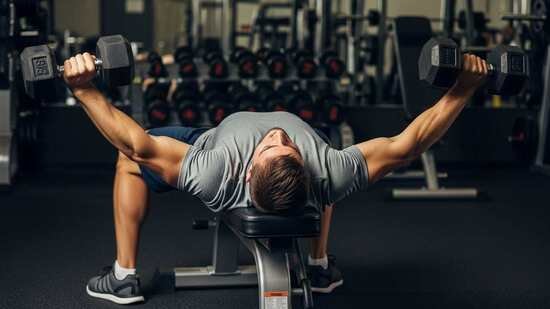
The dumbbell chest fly is an isolation exercise that enhances muscle definition and separation.
Lie flat on a bench with dumbbells held above the chest. Lower the arms outward in a wide arc while maintaining a slight bend in the elbows. Once a deep stretch is achieved, bring the dumbbells back together while squeezing the chest. Controlled tempo is essential for effectiveness and shoulder safety.
Incline Dumbbell Fly
Incline dumbbell flyes further emphasize the upper chest and contribute to detailed muscle shaping.
Using a moderate incline, lower the dumbbells slowly to feel a stretch across the upper chest. Raise the weights by bringing the arms together in a controlled arc. Light to moderate weights with strict form deliver the best results.
Dumbbell Pullover
The dumbbell pullover is a versatile exercise that engages the chest while also activating the upper back and core.
Lie flat or perpendicular on a bench while holding a single dumbbell with both hands. Lower the weight behind the head in a controlled motion, then pull it back to the starting position using the chest muscles. Proper breathing enhances the effectiveness of this movement.
Squeeze Press with Dumbbells
The squeeze press intensifies inner chest activation by maintaining constant tension.
Press the dumbbells together throughout the movement. Lower and raise them while applying inward pressure. This variation increases time under tension and enhances muscular contraction.
Proper Technique and Form
Correct form is essential for maximizing the effectiveness of chest exercises with dumbbells.
Maintain neutral wrist alignment, keep shoulders retracted, and control both the lowering and lifting phases of each movement. Focusing on the mind-muscle connection improves muscle activation and reduces injury risk.
Programming Chest Exercises with Dumbbells
Structured programming ensures consistent progress.
Beginners should focus on moderate weights and higher repetitions to develop technique. Intermediate trainees benefit from increased volume and varied angles. Advanced lifters can incorporate supersets, tempo changes, and progressive overload to stimulate continued growth.
A balanced chest routine typically includes pressing and fly variations performed two times per week with adequate recovery.
Common Training Mistakes
Several common mistakes can limit results.
Using excessive weight often compromises form and shifts tension away from the chest. Partial range of motion reduces muscle engagement, while overuse of shoulders diminishes chest activation. Ignoring recovery and mobility can stall progress and increase injury risk.
Recovery and Growth
Muscle growth occurs during recovery periods.
Allow sufficient rest between chest sessions, prioritize quality sleep, maintain hydration, and follow a balanced diet with adequate protein intake. These factors significantly enhance the results of chest exercises with dumbbells.
Why Chest Exercises with Dumbbells Are Highly Effective
Dumbbells allow independent arm movement, promote symmetry, and maximize muscle recruitment. This training method supports functional strength, aesthetic development, and long-term joint health.
Chest exercises with dumbbells remain one of the most reliable and adaptable approaches to chest training. When performed with proper technique and progressive programming, they deliver consistent strength gains and visible muscle definition.




Leave a Reply