
A full-body dumbbell workout is one of the most efficient ways to build strength, improve muscle balance, and stay consistent without stepping into a gym. We designed this guide for affluent professionals and lifestyle-focused readers who value time efficiency, discretion, and results without hype or unrealistic promises. Everything here is practical, refined, and achievable at home with a simple set of dumbbells.
This guide prioritizes sustainable progress, joint health, and smart programming. The focus remains on what genuinely works rather than exaggerated fitness claims.
Table of Contents
Why a Full-Body Dumbbell Approach Works at Home
A home-based routine must deliver results with minimal friction. Dumbbells offer versatility, allowing natural movement patterns, unilateral training, and easy load adjustments. A full-body format ensures balanced development while fitting seamlessly into a busy schedule.
Key advantages include efficient sessions with a high return on time, balanced muscle engagement, minimal equipment needs, and scalable intensity for long-term progress.
Who This Routine Is Designed For
This program is built for readers who value quiet confidence in their fitness journey. It suits those who prefer private home training, want visible strength and tone without excessive bulk, prioritize joint-friendly movements, and appreciate a repeatable structure they can follow year-round.
Equipment and Space Requirements
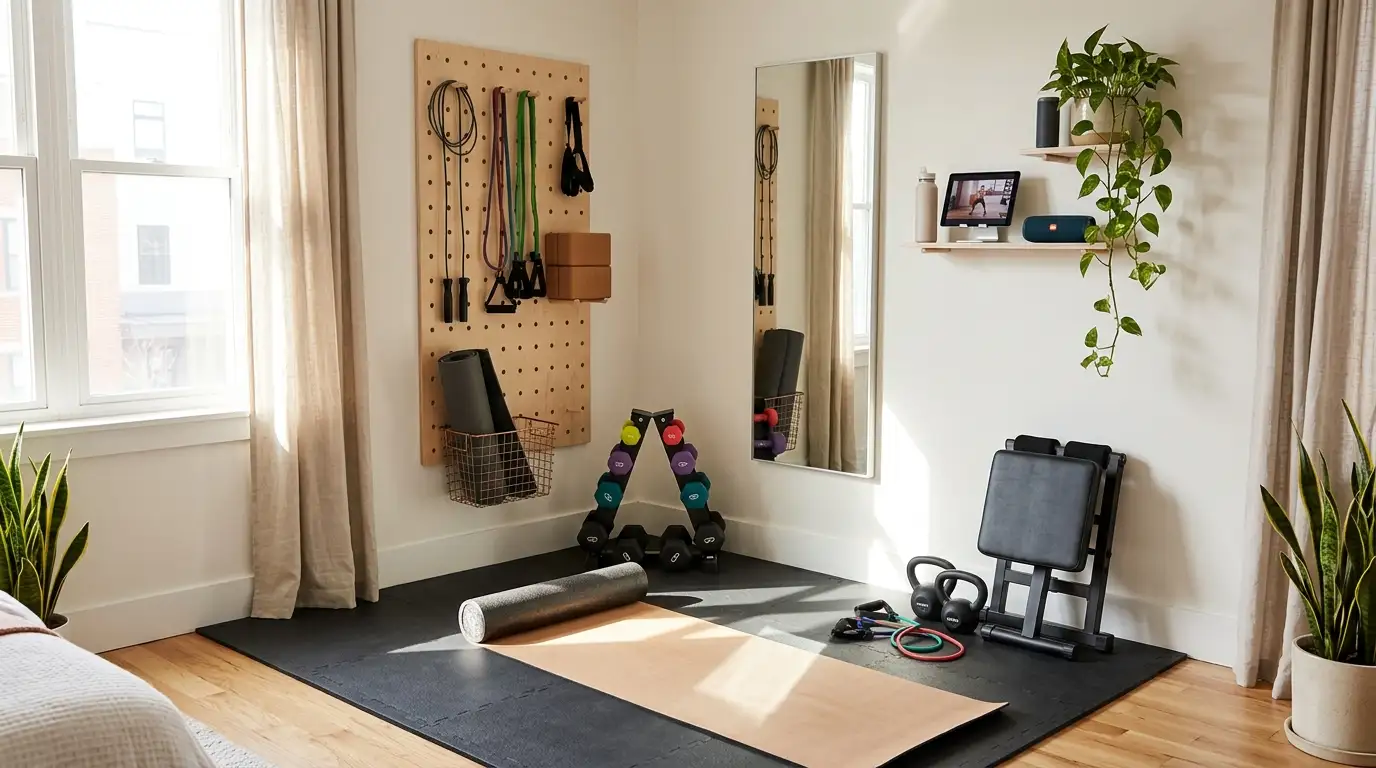
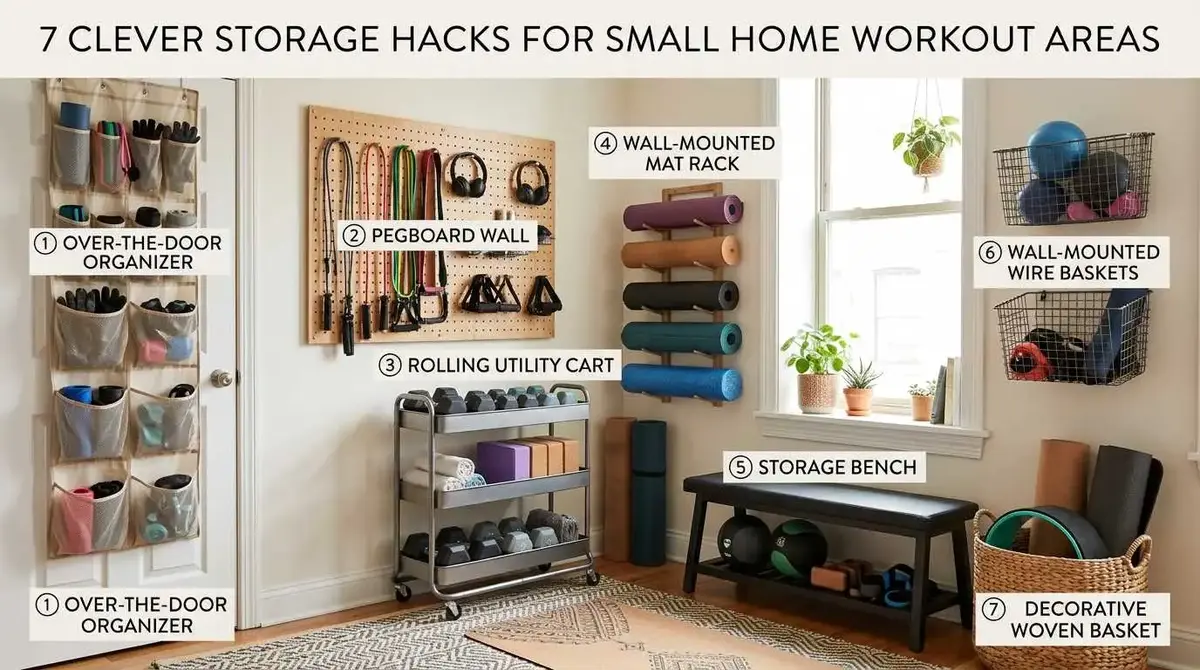
A complete home gym is unnecessary. A simple setup delivers excellent results.
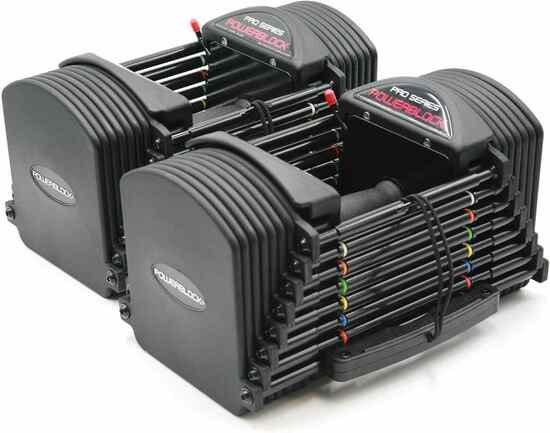
You will need one pair of dumbbells, ideally adjustable, a flat non-slip floor, optional exercise mat, and enough space to move comfortably. Choosing a weight that challenges the final repetitions while preserving form is essential.
How We Structured This Full-Body Dumbbell Workout
The routine centers on compound movements supported by focused isolation work. Each session targets the upper body, lower body, and core in a balanced sequence designed for strength and longevity.
Recommended weekly frequency depends on experience level. Beginners benefit from two to three sessions per week, intermediates from three to four, and advanced users from four well-structured sessions with rotation.
The Complete Full-Body Dumbbell Workout Routine
Warm-Up
A proper warm-up prepares joints, activates muscles, and improves movement quality. Light arm circles, bodyweight squats, hip hinges, shoulder rolls, and gentle marching in place create readiness without fatigue. Skipping the warm-up increases injury risk and limits performance.
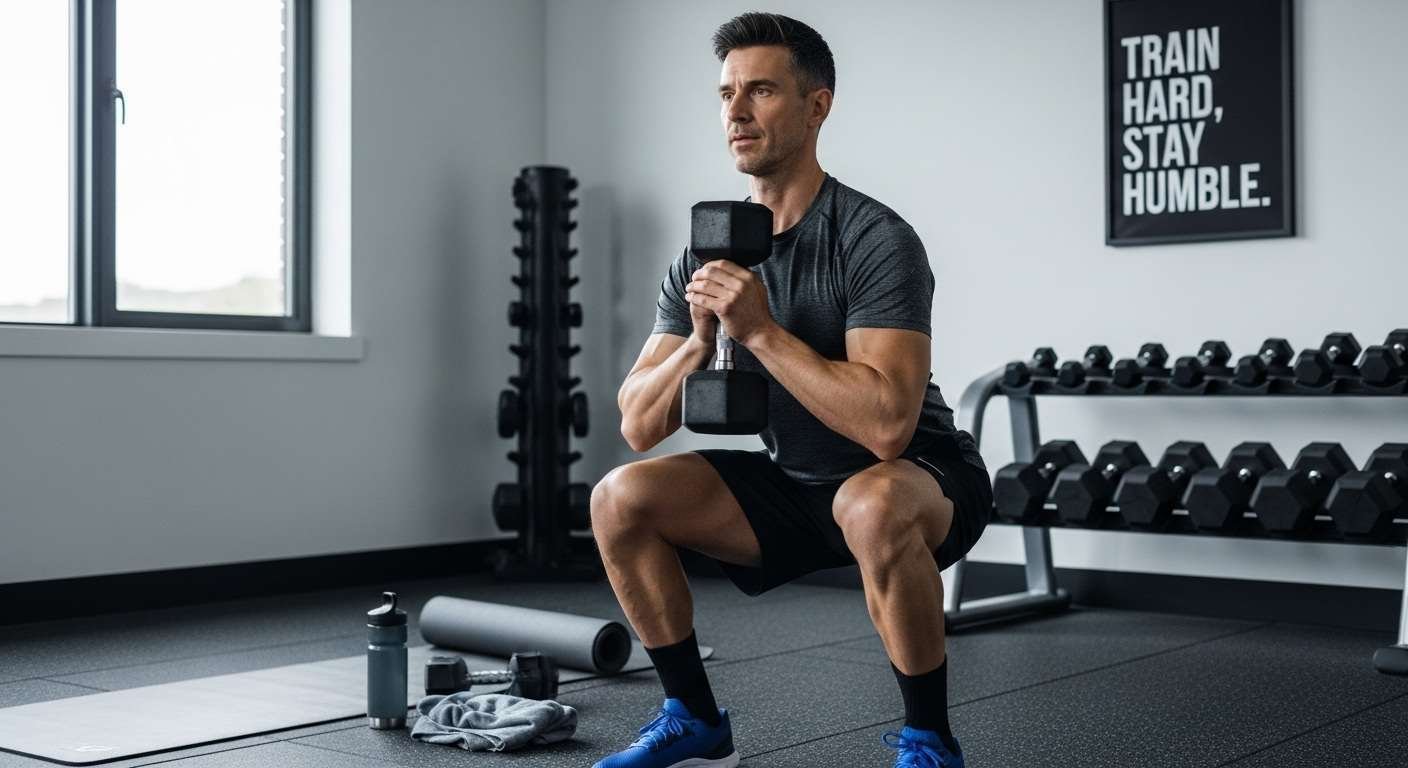
Dumbbell Goblet Squat
This exercise targets the quadriceps, glutes, and core. Holding a single dumbbell close to the chest encourages upright posture while squatting. Controlled movement improves strength and stability.
Dumbbell Romanian Deadlift
The Romanian deadlift strengthens the hamstrings, glutes, and lower back. Emphasis should remain on hinging at the hips rather than bending the spine. Smooth, deliberate repetitions protect the lower back while building posterior strength.
Dumbbell Floor Press
Performing presses on the floor reduces shoulder strain while effectively training the chest, triceps, and shoulders. A brief pause at the bottom reinforces control and stability.
One-Arm Dumbbell Row
This movement develops the upper back and improves posture. Supporting the body on a gym weight bench or chair allows focused pulling with full range of motion. Shoulder blade control enhances results.
Standing Dumbbell Shoulder Press
The shoulder press builds upper-body strength and core stability. Maintaining a neutral spine throughout the movement prevents strain and improves balance.
Dumbbell Reverse Lunge
Reverse lunges reduce knee stress while strengthening the glutes and quadriceps. Stepping backward encourages balance and controlled movement.
Dumbbell Bicep Curl
Alternating curls develop arm definition and forearm strength. Controlled motion without momentum ensures effective muscle engagement.
Dumbbell Overhead Tricep Extension
This exercise isolates the triceps and improves upper-arm tone. Keeping elbows stable enhances results and minimizes joint stress.
Weighted Core Finisher
A brief core finisher using movements such as dumbbell Russian twists, plank drags, or weighted sit-ups strengthens the midsection without excessive fatigue.
Optional Cardio Integration
Low-impact cardio complements strength training without interfering with recovery. Walking, cycling, or light incline treadmill work supports cardiovascular health while preserving muscle tone. Consistency matters more than intensity.
Progression Without Burnout
Progression should feel gradual and controlled. Increasing repetitions before weight, improving tempo, and reducing rest time promote long-term success. Adding weight only after consistent mastery protects joints and motivation.
Recovery and Lifestyle Alignment
Recovery is an essential component of any training plan. Quality sleep, hydration, light mobility work, and scheduled rest days support sustainable results. Recovery enhances strength gains and overall well-being.
Common Mistakes to Avoid
Training to failure too often, skipping warm-ups, choosing weights that compromise form, and rushing repetitions reduce effectiveness and increase injury risk. Precision and patience lead to better outcomes.
How Long Until You See Results
Most individuals experience improved energy and posture within a few weeks. Visible muscle tone and strength typically emerge within one to two months, with noticeable body composition changes developing over consistent training cycles.
Why This Full-Body Dumbbell Workout Stands Out
This approach emphasizes real-world sustainability. It delivers efficient sessions, balanced muscle development, joint health support, and discreet results aligned with a refined lifestyle.
Optional In-Article Image Prompts for SEO
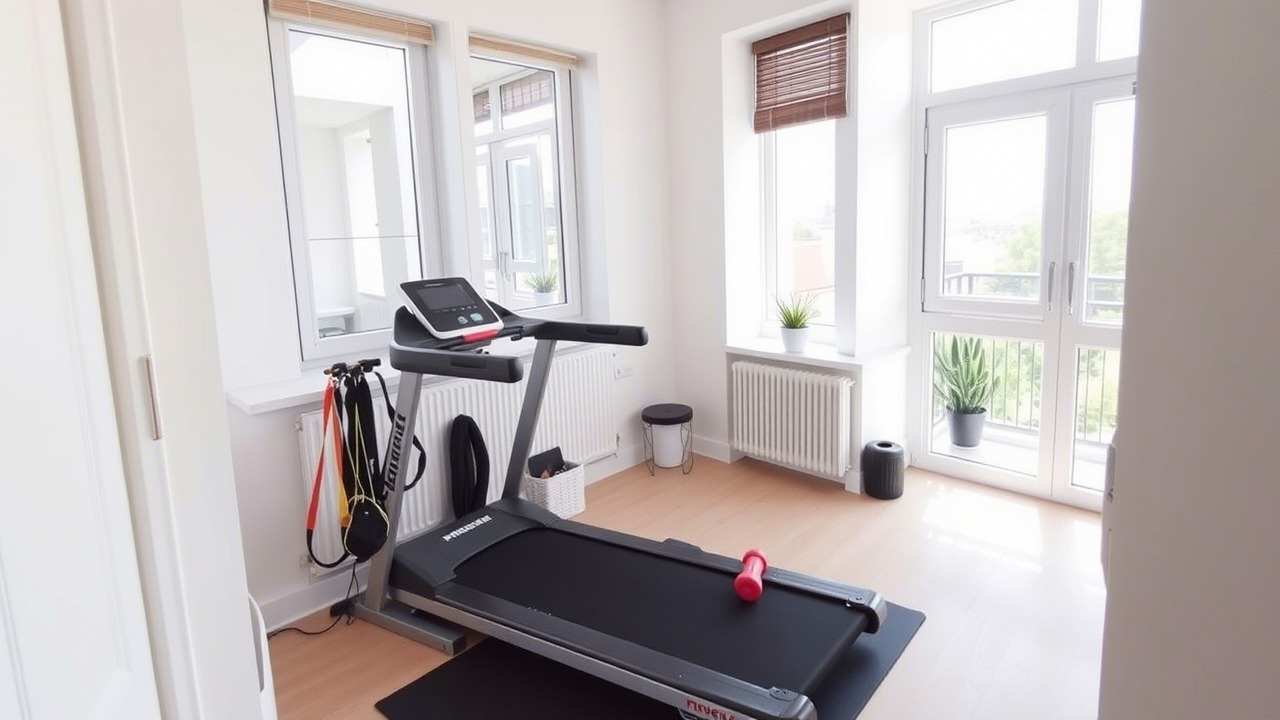
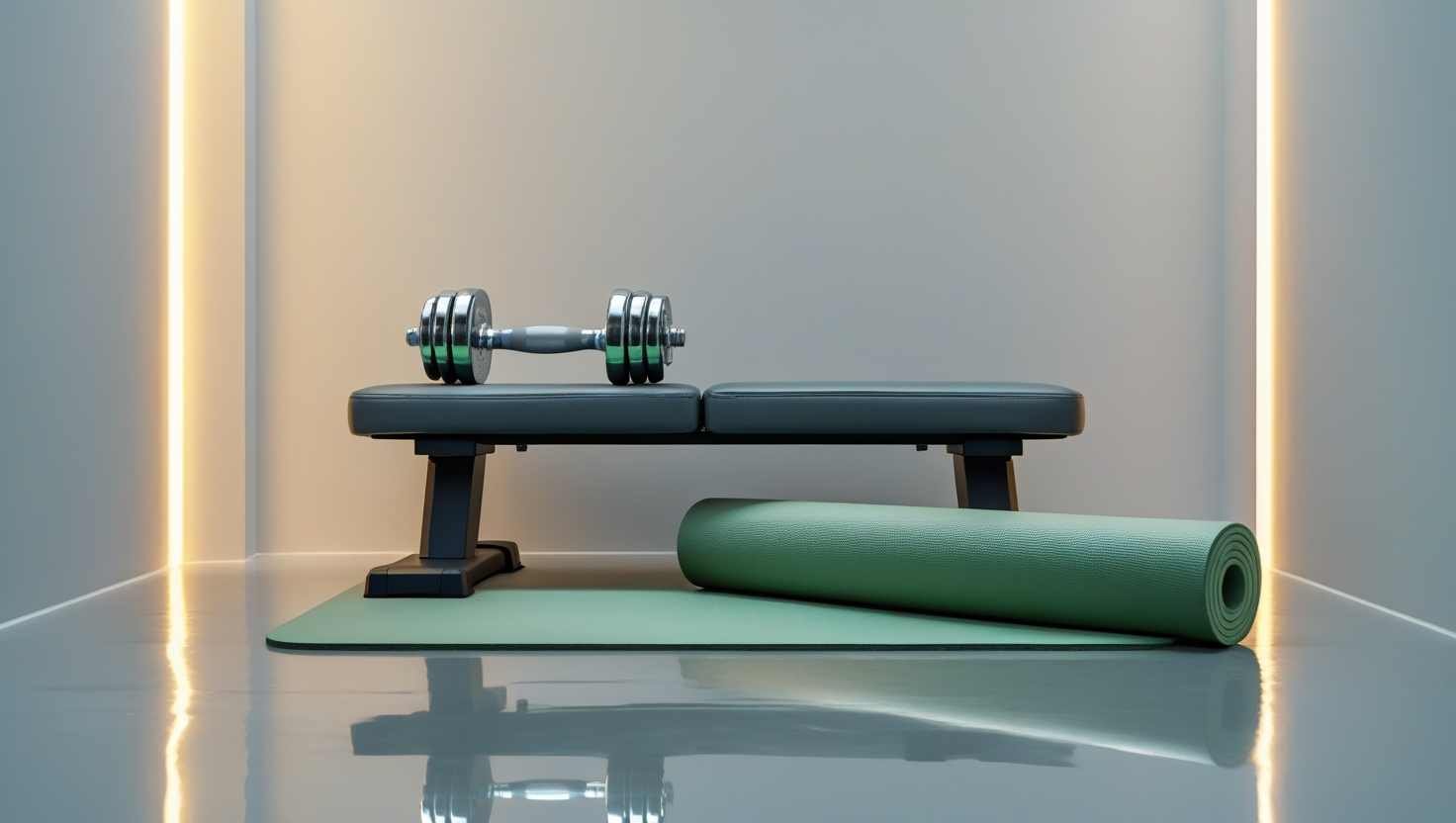
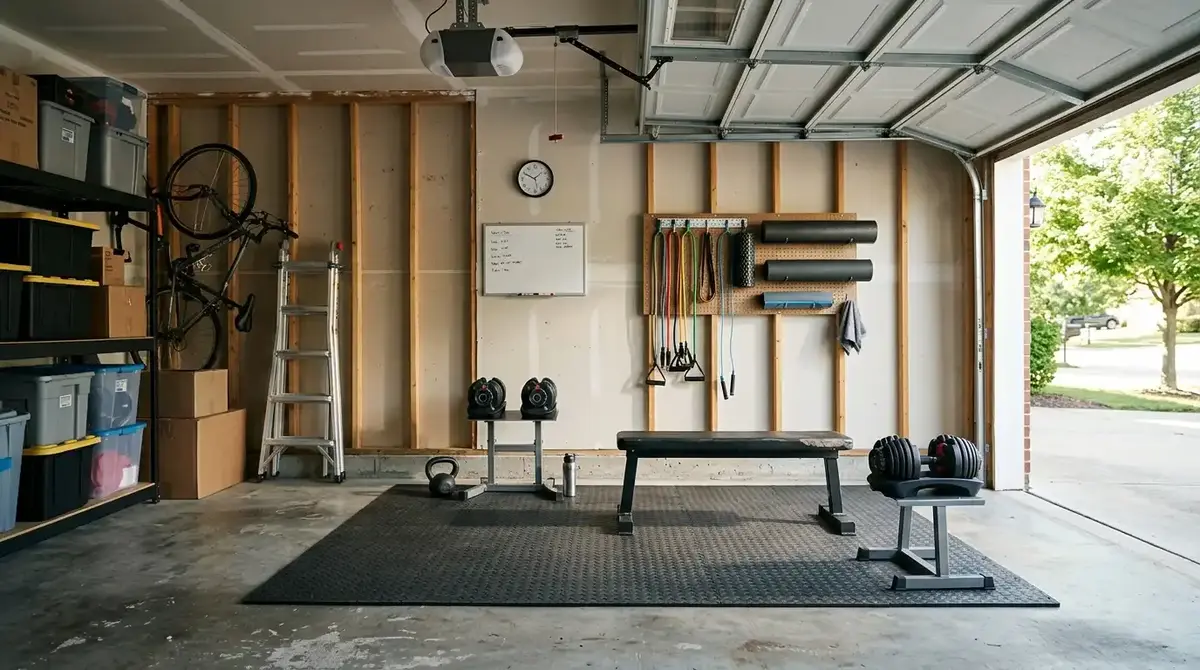
Suggested visuals include a modern home gym with neutral tones and natural light, a professional adult performing dumbbell exercises with correct form, and minimalist flat-lay images of adjustable dumbbells.
Final Thoughts
A full-body dumbbell workout is a strategic choice rather than a compromise. When structured thoughtfully, it supports strength, aesthetics, and longevity without disrupting daily life. Consistency, control, and balance remain the guiding principles.
FAQ: Full-Body Dumbbell Workout
Is a full-body dumbbell workout effective for building muscle?
Yes. A well-structured full-body dumbbell workout can build strength and lean muscle by targeting all major muscle groups through compound and isolation exercises.
How many times a week should I do a full-body dumbbell workout?
Most people see great results with 2–4 sessions per week, depending on experience level, recovery, and overall fitness goals.
What weight dumbbells should beginners use?
Choose a weight that feels challenging during the last few repetitions while allowing you to maintain proper form throughout the entire exercise.
Can I lose weight with a full-body dumbbell workout?
Yes. Combined with a balanced diet, full-body dumbbell training helps burn calories, preserve muscle mass, and improve overall body composition.
Do I need a gym bench for this workout?
No. Many exercises can be performed on the floor or with a sturdy chair, making this routine practical for most home workout spaces.
How long should a full-body dumbbell workout last?
A complete session, including warm-up and cool-down, typically takes between 30 and 45 minutes, making it easy to fit into a busy schedule.
How long does it take to see results from dumbbell training?
Many people notice improvements in strength and energy within 2–4 weeks, while visible muscle definition and body composition changes often appear after 6–8 weeks of consistent training.