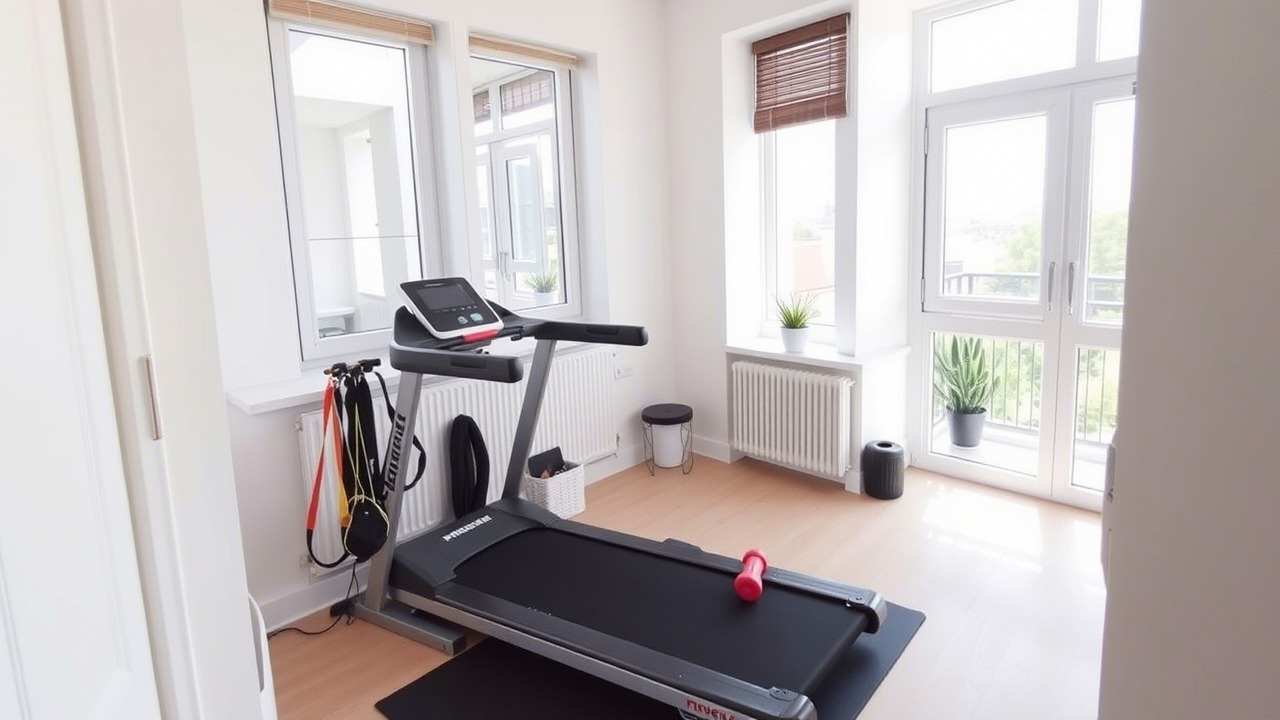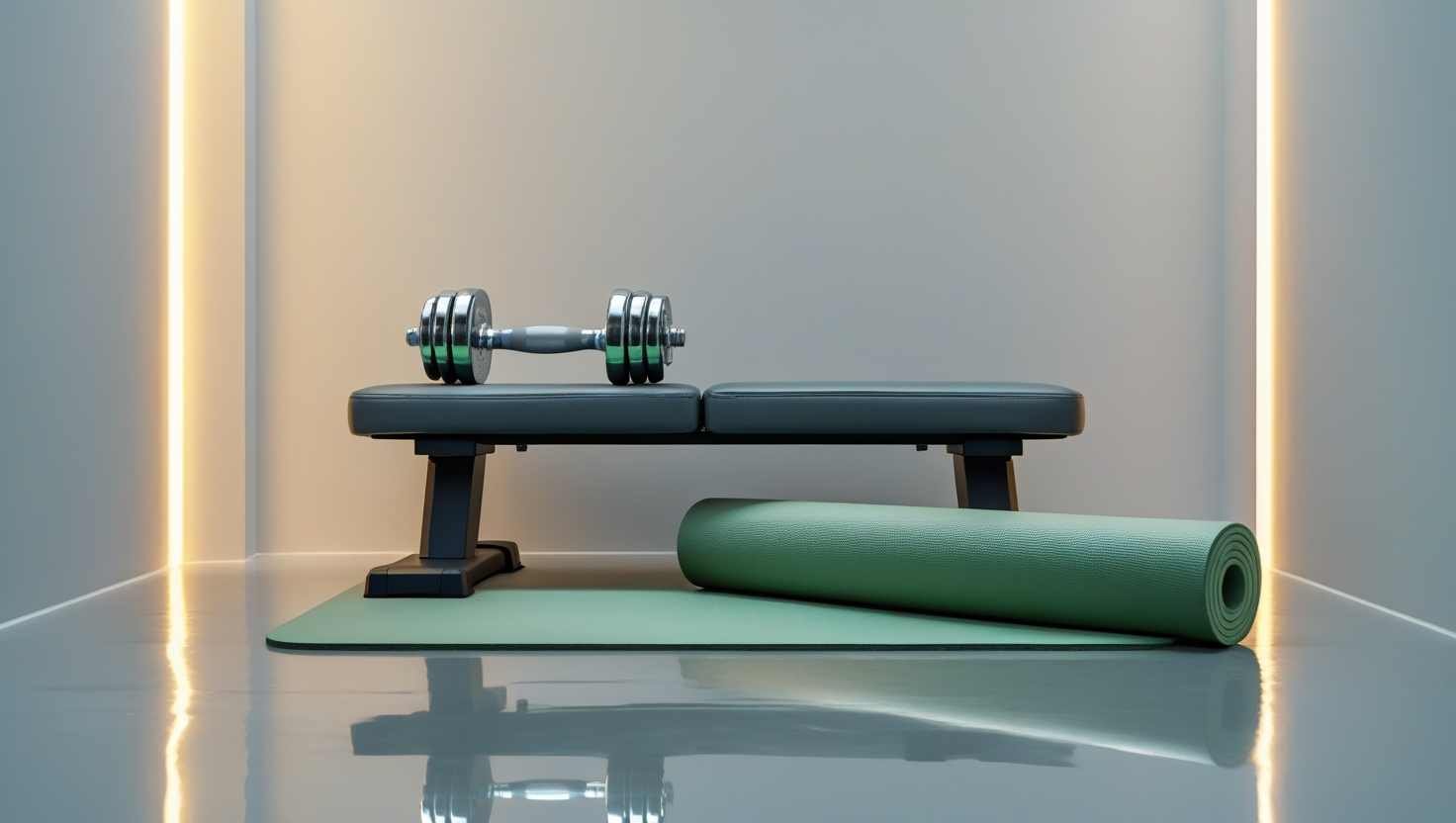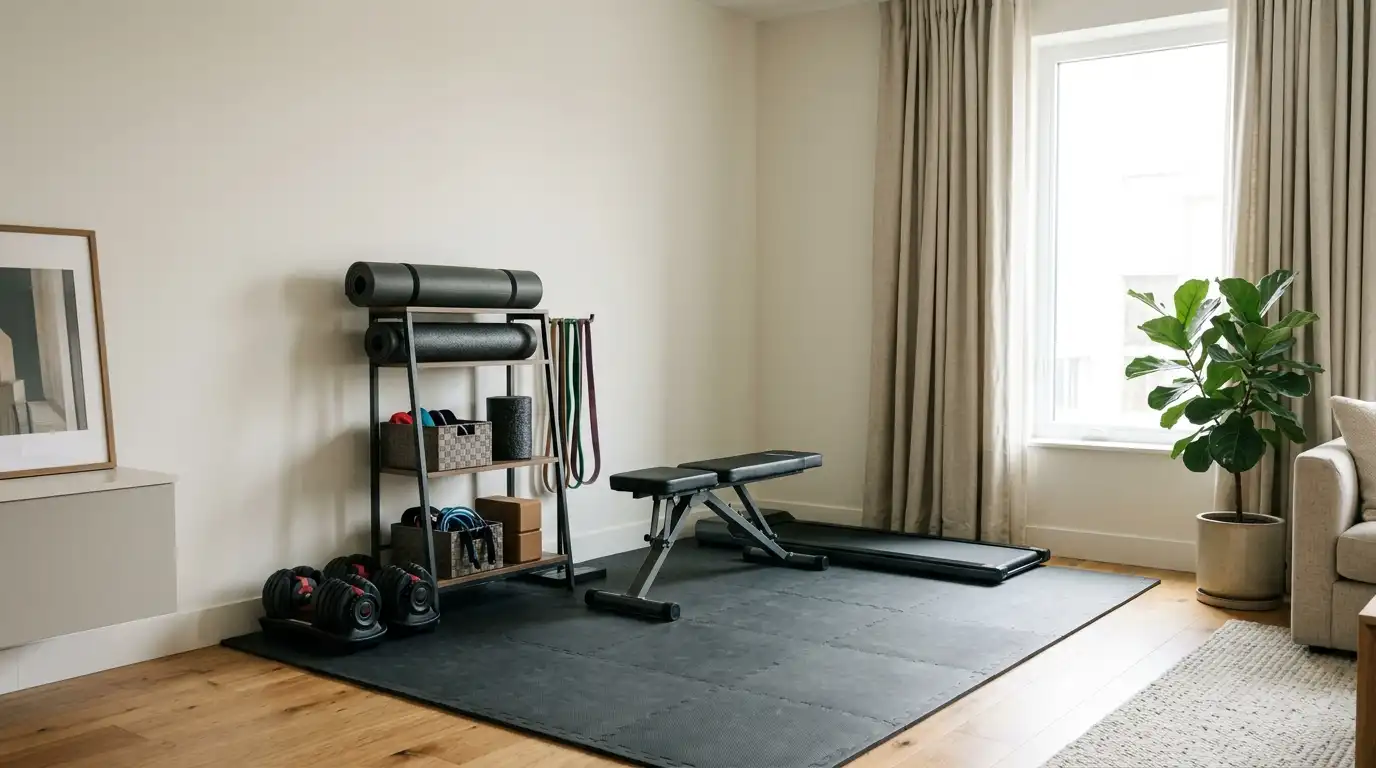

Creating a spare bedroom gym is one of the most efficient ways to turn unused square footage into daily value. We can design a space that supports consistent training, protects the home’s aesthetics, and feels calm rather than cluttered. The best spare bedroom gym ideas focus on balance: enough equipment to train effectively, enough open space to move freely, and a design that fits the lifestyle of an affluent household.
This guide presents realistic solutions that work in real homes. No exaggerated claims. No oversized commercial setups. Just smart, refined planning that helps us build a spare bedroom gym we will actually use.
Table of Contents
Understanding the Real Constraints of a Spare Bedroom Gym
Before choosing equipment or décor, we must understand the limits of a spare bedroom gym. Most spare rooms range from 90 to 140 square feet. Ceiling height, window placement, and door swing matter more here than in a garage or basement.
Common constraints to plan around include:
- Limited floor area for movement
- Noise transfer to other rooms
- Storage needs when the room doubles as a guest space
- Visual clutter that disrupts the home’s style
A successful spare bedroom gym works with these constraints, not against them.
Planning the Layout for Comfort and Flow
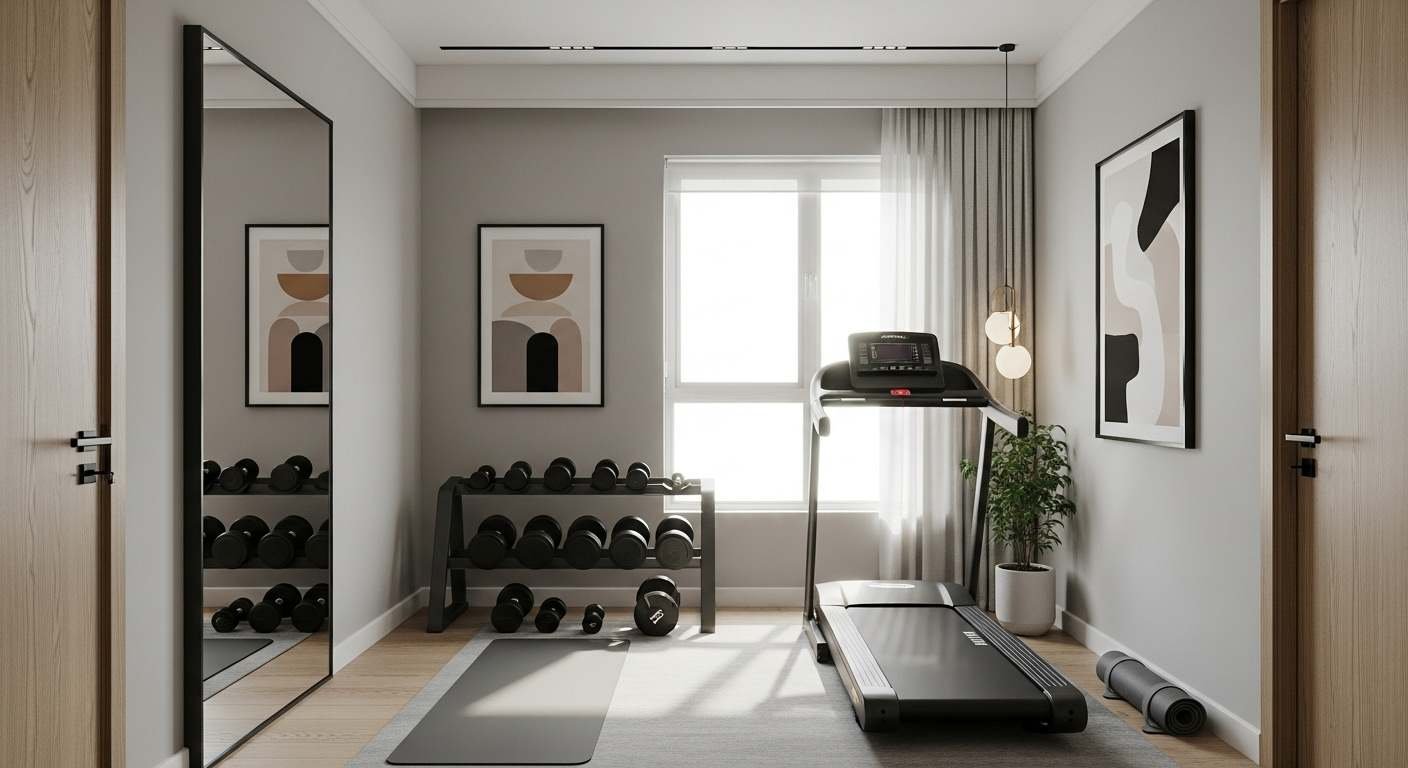
A thoughtful layout determines how enjoyable the gym will feel. We recommend zoning the room into three functional areas: training, storage, and flexibility.
Zone One: Primary Training Area
This area should stay open and unobstructed. Even in compact rooms, a clear rectangle of floor space makes bodyweight training, stretching, and light cardio possible.
Key considerations:
- Place mats parallel to the longest wall
- Keep at least three feet of clearance on all sides
- Avoid placing equipment under ceiling fans or low fixtures
Zone Two: Vertical and Hidden Storage
Wall-mounted storage keeps the floor clean and visually calm. Floating shelves, pegboards, and slim cabinets work well in a spare bedroom gym.
Recommended storage solutions:
- Vertical dumbbell racks
- Fold-away wall benches
- Closed cabinetry for small accessories
Zone Three: Flexible or Convertible Use
If the room also serves as a guest bedroom or office, flexibility is essential. Folding equipment and modular furniture allow fast transitions without effort.
Choosing Equipment That Matches the Space
We should select equipment that delivers versatility without overwhelming the room. Quality matters more than quantity.
Essential Equipment for Most Spare Bedroom Gyms
These pieces suit nearly every layout and training style:
- Adjustable dumbbells
- Resistance bands with door anchors
- A compact workout bench
- Interlocking rubber or cork flooring tiles
This setup supports strength, mobility, and conditioning without crowding the space.
Optional Additions for a Premium Experience
For homeowners seeking a refined training setup, select upgrades add comfort and motivation:
- Smart mirrors with guided workouts
- Compact magnetic resistance rowers
- Low-profile treadmills designed for home interiors
Each addition should earn its place by offering multiple training options.
Equipment Comparison Table for Small Gym Spaces
| Equipment Type | Space Required | Noise Level | Best Use Case |
|---|---|---|---|
| Adjustable Dumbbells | Low | Very Low | Strength training |
| Resistance Bands | Very Low | Silent | Mobility and toning |
| Foldable Bench | Low | Silent | Versatile workouts |
| Smart Mirror | Wall-mounted | Low | Guided training |
| Compact Rower | Medium | Moderate | Cardio and endurance |
This comparison helps us choose tools that fit both lifestyle and space.
Flooring Choices That Protect and Elevate the Room
Flooring sets the tone of the entire spare bedroom gym. It must protect the subfloor while remaining visually refined.
Popular flooring options include:
- Rubber tiles with beveled edges
- Cork flooring for warmth and sound control
- Dense yoga mats layered over hardwood
For affluent interiors, darker neutral tones blend best with residential design.
Lighting That Supports Focus and Mood
Lighting is often overlooked, yet it changes how the gym feels. Natural light should remain unobstructed whenever possible.
Layered lighting works best:
- Soft overhead lighting for general use
- Adjustable wall sconces for evening workouts
- Accent LED strips behind mirrors or shelves
Avoid harsh white lighting that makes the room feel clinical.
Sound Control and Privacy Considerations
Noise travels easily through bedroom walls. We can reduce disruption with simple design choices.
Effective sound-control methods:
- Area rugs under training zones
- Fabric wall panels or acoustic artwork
- Door draft blockers to limit vibration
These additions maintain a quiet, private workout environment.
Design Styles That Suit a Spare Bedroom Gym
A spare bedroom gym should feel like part of the home, not an afterthought. Style consistency matters.
Minimalist Modern
Clean lines, neutral colors, and hidden storage define this look. Equipment stays tucked away when not in use.
Wellness-Inspired Retreat
Natural materials, soft lighting, and calming tones turn workouts into restorative sessions.
Luxury Boutique Studio
Mirrors, curated equipment, and intentional lighting recreate the feel of a private studio at home.
Each style supports motivation in a different way.
Mirrors: Function Meets Visual Expansion
Mirrors are essential in a spare bedroom gym. They improve form and make small rooms feel larger.
Best practices:
- Install one full-height mirror wall or panel
- Avoid mirrored ceilings
- Use anti-shatter glass for safety
Mirrors should reflect light, not clutter.
Climate Control and Air Quality
Comfort affects consistency. A spare bedroom gym must feel fresh and breathable.
We recommend:
- Quiet ceiling or tower fans
- Portable air purifiers
- Humidity control for year-round comfort
Good airflow protects both equipment and well-being.
Smart Technology That Adds Real Value
Technology should simplify training, not complicate it.
Useful additions include:
- Wall-mounted tablets for guided workouts
- Bluetooth speakers with controlled volume
- App-connected resistance systems
Technology works best when it blends seamlessly into the space.
Important Notes Before Finalizing Your Setup
Note:
Always measure the room before purchasing equipment. Manufacturer dimensions often exclude clearance needs.
Note:
Test noise levels at different times of day to avoid disturbing others.
Note:
Choose equipment you enjoy using. Consistency matters more than variety.
Quotes from Home Fitness Designers
“A spare bedroom gym succeeds when it respects the home first and the workout second.”
Private residential fitness consultant
“The best home gyms disappear visually when not in use.”
Luxury interior planner
These insights reflect real-world experience.
Maintenance and Long-Term Use
A spare bedroom gym should remain easy to maintain. Regular cleaning, organized storage, and occasional layout updates keep the space inviting.
Simple habits help:
- Wipe equipment after use
- Rotate accessories monthly
- Refresh lighting or artwork seasonally
These small actions protect the investment.
Why a Spare Bedroom Gym Is a Lasting Upgrade
A well-designed spare bedroom gym adds daily convenience, supports wellness goals, and preserves the home’s elegance. It is not about intensity or excess. It is about thoughtful design and realistic use.
When we align space, equipment, and lifestyle, the spare bedroom gym becomes one of the most valuable rooms in the home.