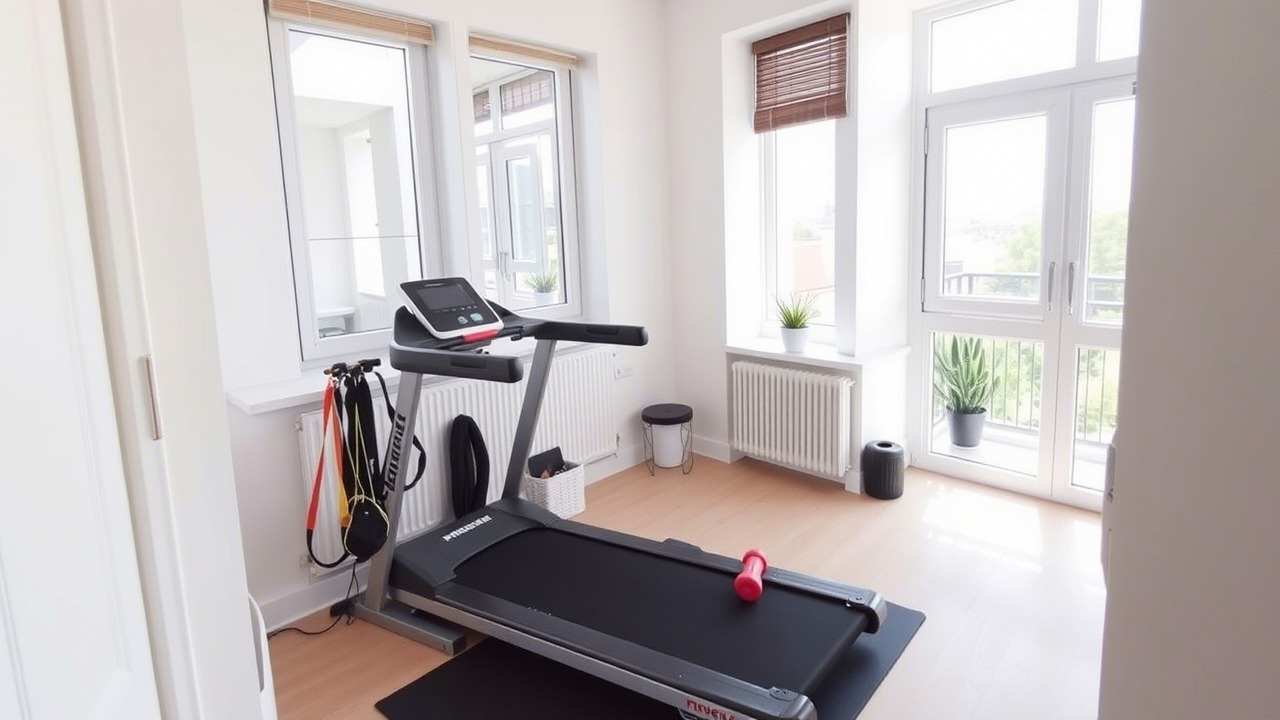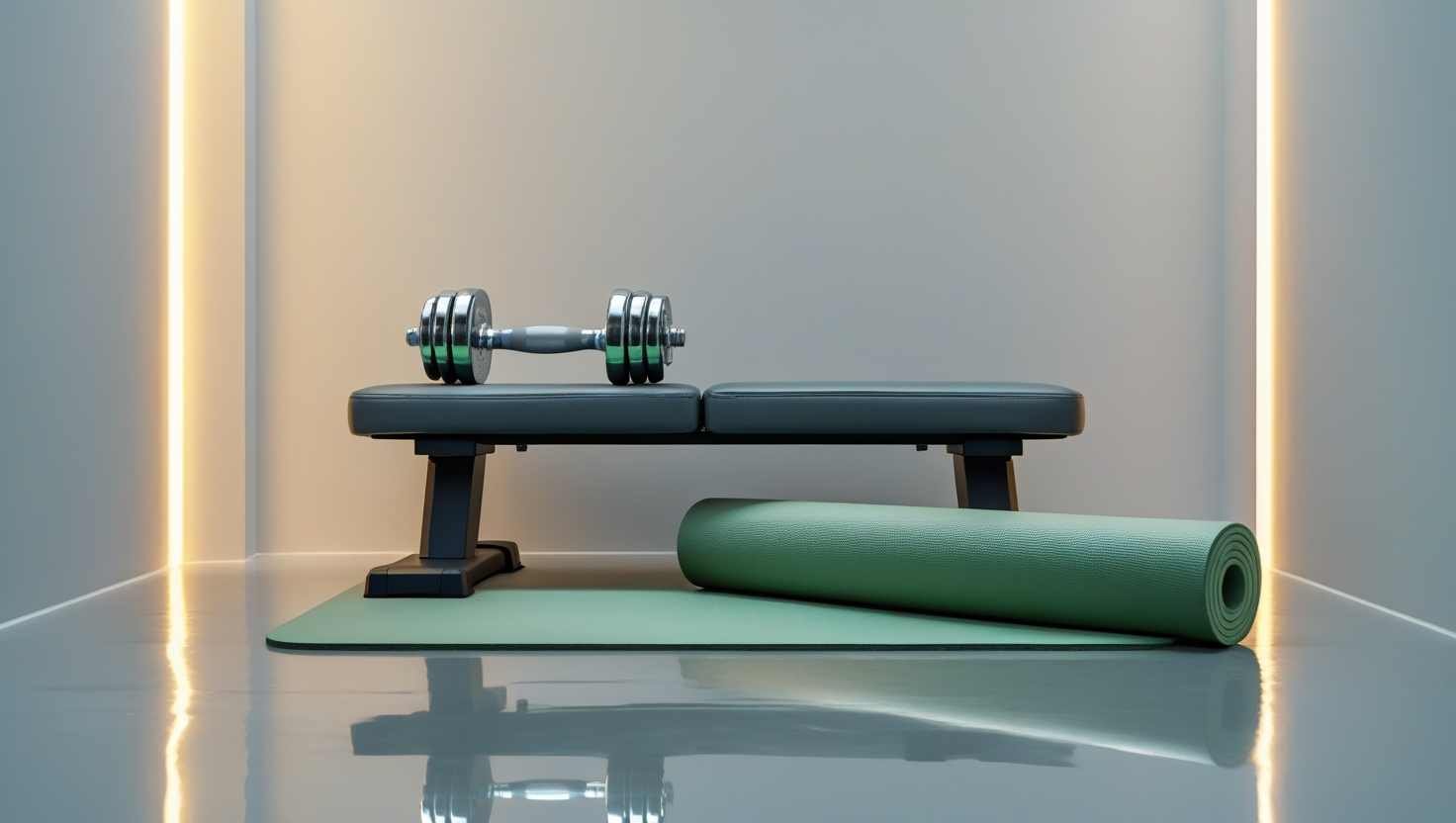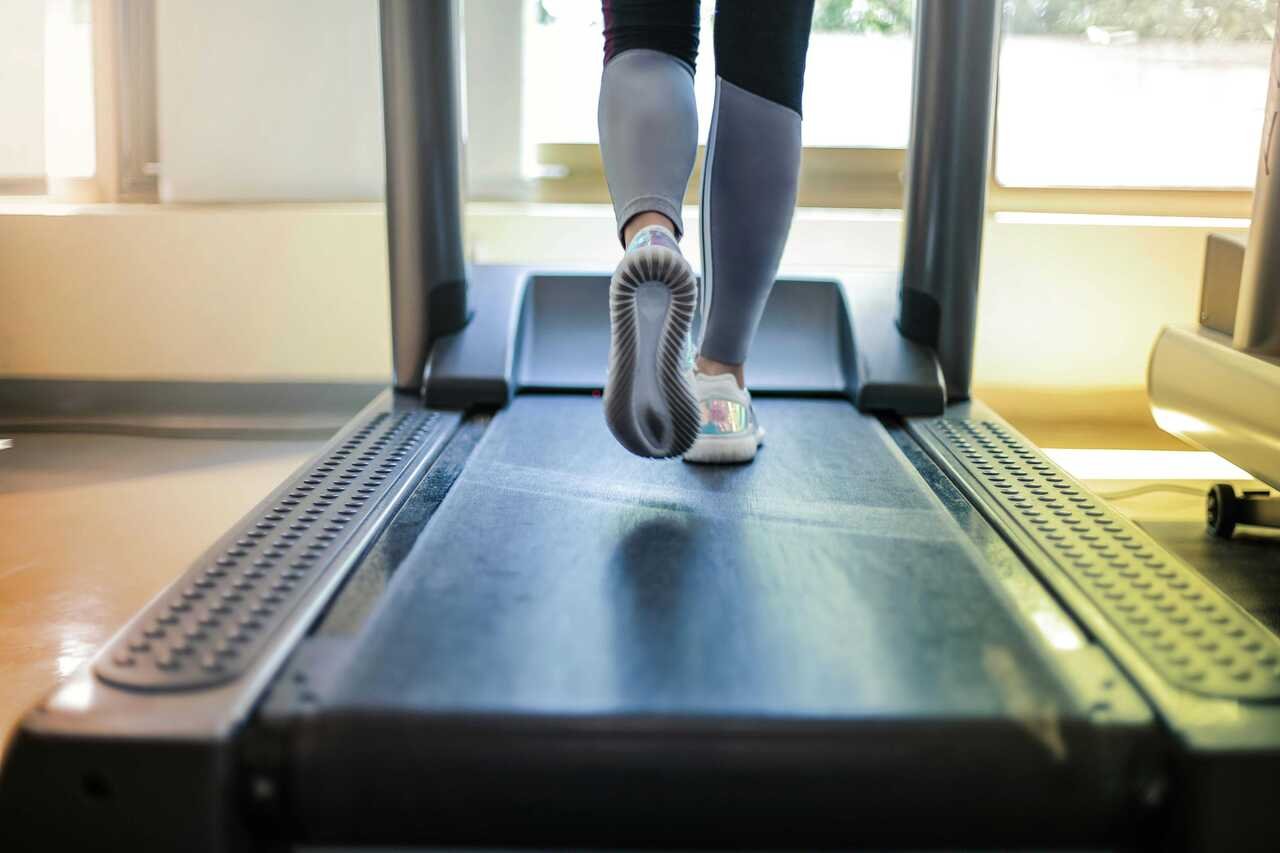

Creating a home gym in a rental apartment does not require permanent construction, drilling, or expensive soundproofing work. With the right renter-friendly home gym equipment, we can build an effective workout space that protects floors, reduces vibration, controls noise, and can be removed when the lease ends.
The best rental-friendly setup focuses on four priorities: low-impact equipment, floor protection, vibration control, and smart placement. We can also choose compact equipment that provides a wide range of exercises without taking over the room.
Whether we are converting part of a bedroom, living room, spare room, or apartment corner, the goal is simple: create a functional workout zone without damaging the property or disturbing neighbors.
Table of Contents
What Makes a Home Gym Renter-Friendly?
A renter-friendly home gym should avoid permanent modifications wherever possible. That means no anchored racks, permanently glued flooring, drilled wall panels, or structural changes.
Instead, we can rely on freestanding equipment and removable protective materials.
The most useful characteristics include:
- Freestanding rather than wall-mounted equipment
- Rubber or foam floor protection
- Adjustable equipment that replaces multiple machines
- Foldable cardio machines
- Low-vibration exercise equipment
- Removable acoustic treatments
- Non-slip mats
- Equipment with protective feet
- Compact storage solutions
- Lightweight or modular equipment that can be relocated
A renter-friendly home gym should also be easy to dismantle. If an apartment needs to be restored to its original condition, every component should come away without leaving permanent marks.
Best Zero-Damage Home Gym Equipment
The equipment we choose has a major effect on both floor protection and noise. Heavy equipment can be perfectly suitable for an apartment, but it needs to be positioned and supported correctly.
Adjustable Dumbbells
Adjustable dumbbells for apartments are among the most space-efficient strength-training options available.
Instead of keeping multiple pairs of fixed dumbbells on the floor, one adjustable set can provide several resistance levels. This reduces storage requirements while allowing exercises such as:
- Goblet squats
- Romanian deadlifts
- Shoulder presses
- Chest presses
- Rows
- Lunges
- Biceps curls
- Triceps extensions
- Lateral raises
We should place dumbbells on a protective mat rather than directly on hardwood, laminate, tile, or vinyl flooring.
For a particularly compact setup, adjustable dumbbells can be combined with a foldable bench and resistance bands.
Resistance Bands for a No-Damage Workout
Resistance bands are particularly useful in rental apartments because they are lightweight, portable, and naturally quiet.
A basic collection can support upper-body, lower-body, and core training without the impact associated with dropping weights or using large machines.
Loop bands work well for:
- Glute bridges
- Lateral walks
- Squats
- Hip abductions
- Hamstring exercises
Long resistance bands can support:
- Rows
- Chest presses
- Shoulder exercises
- Pull-apart movements
- Arm training
For a truly zero-damage setup, we should prioritize door anchors designed specifically for temporary use and follow their weight and installation instructions. If there is any uncertainty about whether an anchor could damage a door or frame, we can simply use band exercises that require no anchor.
Foldable Weight Benches
A foldable bench provides considerably more exercise versatility without permanently occupying the room.
We can use it for dumbbell presses, seated shoulder presses, Bulgarian split squats, step-ups, rows, and various core movements.
A good apartment bench should have:
- Stable rubber feet
- A secure locking mechanism
- A compact folded profile
- Adequate weight capacity
- Protective contact points
Rubber feet are particularly important because metal feet can scratch hard flooring.
Compact Cardio Equipment for Apartments
Traditional treadmills and large elliptical machines can be difficult to accommodate in rental properties. They also have the potential to transmit vibration through the floor.
Instead, we can consider compact cardio options such as:
- Walking pads
- Compact exercise bikes
- Foldable magnetic rowers
- Mini steppers
- Low-impact pedal exercisers
- Compact ellipticals
Walking pads are particularly useful when the primary objective is increasing daily movement rather than performing high-impact running.
For apartment use, low-impact cardio is generally easier to manage acoustically than running or jumping.
Protect the Floor Before Adding Heavy Equipment
Floor protection should be considered one of the first purchases for a renter-friendly home gym.
Even equipment that does not seem particularly heavy can gradually create pressure marks when it remains in the same location.
We can create a protective foundation using interlocking rubber tiles, dense exercise mats, or dedicated equipment mats.
Our best home gym flooring mats guide can help compare flooring approaches for different workout spaces.
The appropriate flooring depends on the surface underneath and the type of training performed.
Rubber Flooring
Rubber is particularly useful for strength training because it provides cushioning and helps protect flooring from equipment contact.
Dense rubber mats are preferable beneath dumbbell areas, benches, and compact strength equipment.
Foam Mats
Foam mats are comfortable and lightweight, making them useful for yoga, mobility work, stretching, and bodyweight exercises.
However, foam is generally less appropriate beneath very heavy equipment because it can compress under sustained loads.
Equipment Mats
A dedicated equipment mat can be useful beneath cardio machines. It provides a defined protective layer without requiring the entire room to be covered.
How to Reduce Home Gym Noise in an Apartment
Soundproofing an apartment gym is slightly different from simply making the room quieter.
True structural soundproofing often involves construction, which is usually unsuitable for renters. Instead, we can focus on reducing impact and vibration at the source.
The most important rule is to prevent heavy equipment from striking the floor.
A dumbbell dropped onto a hard floor can create substantially more disturbance than the same dumbbell being placed down carefully on a dense rubber surface.
Use Rubber Mats Under Weight Areas
Dense rubber flooring absorbs some of the impact generated when equipment contacts the floor.
For strength training, we should create a dedicated lifting zone instead of placing weights directly on the apartment floor.
Avoid Dropping Weights
Even the best apartment-friendly flooring cannot eliminate the noise generated by repeatedly dropping heavy weights.
Controlled repetitions are therefore essential.
We can choose exercises and equipment that allow weights to be placed down gradually rather than released from height.
Choose Quiet Cardio Equipment
Magnetic-resistance exercise bikes and rowers can be considerably quieter than equipment involving aggressive impact.
When selecting cardio equipment, we should look for:
- Magnetic resistance
- Smooth movement
- Rubberized contact points
- Stable construction
- Low-impact operation
- Adjustable resistance
- Minimal mechanical noise
Our guide to quiet home workout equipment provides additional options for creating a lower-noise apartment workout environment.
Temporary Renter-Friendly Home Gym Soundproofing
Permanent acoustic panels are not necessary for most apartment gyms.
Instead, we can use removable materials that help absorb sound within the room.
Thick Curtains
Heavy curtains can reduce reflections from windows and hard surfaces. They do not completely soundproof a room, but they can contribute to a less reflective acoustic environment.
Area Rugs
A thick rug placed away from heavy lifting areas can reduce sound reflections and make the room feel less harsh acoustically.
A rug should not replace a proper protective gym mat beneath weights.
Soft Furnishings
Existing furniture can also influence room acoustics. Sofas, upholstered chairs, bookshelves filled with books, and other soft or irregular surfaces can reduce the amount of sound reflected around a room.
This is especially useful when the home gym shares space with a living room or bedroom.
Where to Place a Home Gym in a Rental Apartment
Location matters almost as much as equipment selection.
If possible, we should avoid placing heavy or vibrating equipment directly above a neighbor’s bedroom or living room.
A room with existing soft furnishings can sometimes be more acoustically forgiving than an empty room with hard floors and bare walls.
We should also consider the building structure. Concrete floors may behave differently from lightweight wooden floor systems, and apartment construction varies considerably.
When possible, we should identify the areas of the apartment where normal household movement already occurs and position the workout zone accordingly.
Create a Compact Apartment Gym Layout
A small gym does not need to feel cramped.
A practical layout can divide the room into several zones:
Strength zone: adjustable dumbbells, resistance bands, and a folding bench.
Mobility zone: yoga mat and open floor area.
Cardio zone: walking pad or compact bike.
Storage zone: vertical rack or compact storage cabinet.
Keeping each category in a defined area makes the gym easier to use and easier to dismantle.
We should also maintain enough clearance around moving equipment. Compact equipment is only useful if it can be operated safely.
Smart Storage Without Drilling Walls
Wall-mounted storage may be inappropriate in a rental. Freestanding storage solves this problem.
A small shelving unit can hold resistance bands, yoga blocks, jump ropes, towels, and other accessories.
For dumbbells, we should use a stable freestanding rack designed for their weight.
Storage should also keep equipment away from doorways and walking paths.
One of the simplest principles is store vertically whenever possible without attaching anything to the wall.
Apartment-Friendly Strength Training Setup
A remarkably capable rental gym can be created with only a few pieces of equipment.
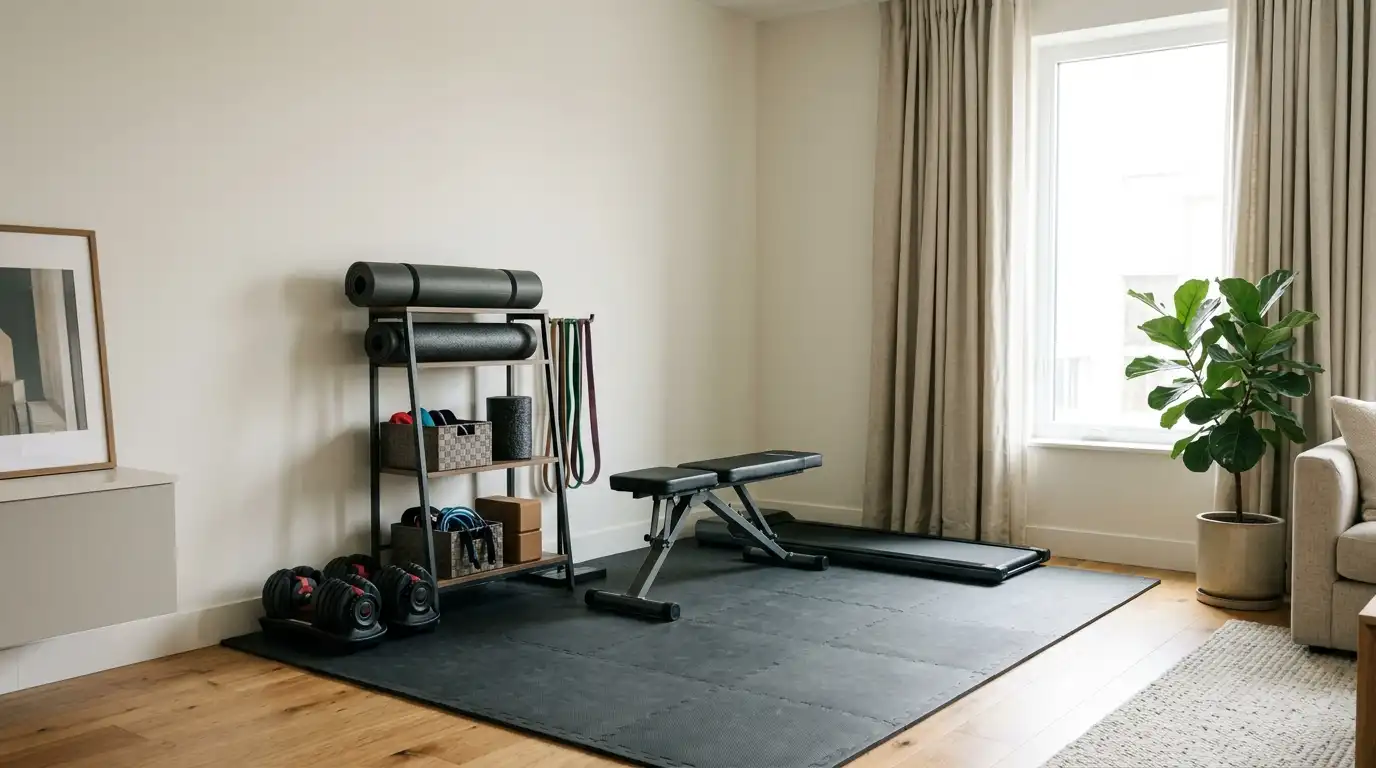
A compact setup could include:
- Adjustable dumbbells
- Foldable bench
- Resistance bands
- Exercise mat
- Dense rubber equipment mat
- Compact storage rack
With this combination, we can perform full-body workouts without requiring a power rack or large cable machine.
For additional ideas, our guide to adjustable dumbbells for apartments focuses specifically on compact strength-training solutions.
How to Prevent Equipment From Damaging Floors
Damage prevention should continue beyond the initial installation.
We should regularly inspect:
- Rubber feet
- Bench contact points
- Equipment wheels
- Mat edges
- Flooring beneath heavy objects
- Adjustable equipment mechanisms
Small stones, grit, and debris trapped beneath equipment can scratch flooring when the equipment moves.
Equipment should therefore be lifted rather than dragged whenever practical.
For heavier machines, a properly sized protective mat can provide an additional barrier between the equipment and the rental property’s flooring.
Build a Zero-Damage Gym Around Low-Impact Training
The most renter-friendly home gym approach is not simply buying smaller equipment. It is designing the entire workout system around controlled movement and minimal impact.
Instead of high-impact plyometrics, we can emphasize:
- Strength training
- Controlled dumbbell exercises
- Resistance-band workouts
- Walking
- Mobility
- Yoga
- Pilates
- Low-impact cycling
- Controlled bodyweight training
This approach can provide substantial training variety while reducing the risks associated with vibration, impact, and excessive noise.
A Practical Renter-Friendly Home Gym Checklist
Before setting up the space, we can use this checklist:
- Protect the floor with suitable mats.
- Choose freestanding equipment whenever possible.
- Prioritize adjustable equipment to save space.
- Avoid dropping weights.
- Use low-impact cardio where noise is a concern.
- Place vibration-producing equipment carefully.
- Use removable acoustic materials instead of permanent construction.
- Keep equipment away from walls and doors when practical.
- Inspect mats and equipment feet regularly.
- Keep walkways clear.
- Store equipment vertically without drilling.
- Check the rental agreement before installing anything permanent.
Final Thoughts on Renter-Friendly Home Gyms
A rental apartment can support a surprisingly complete home gym when the setup is designed around zero-damage equipment, floor protection, compact storage, and vibration control.
We do not need a dedicated fitness room or permanent installation to create an effective training environment. Adjustable dumbbells, resistance bands, a folding bench, protective flooring, and compact cardio equipment can provide a versatile foundation while keeping the space adaptable.
The most important principle is to control impact at the source. Place equipment carefully, protect the floor, avoid dropping weights, and choose quiet equipment whenever possible.
With these strategies, we can create a home gym that works for strength training, cardio, mobility, and everyday fitness without sacrificing the rental property’s condition—or the peace and quiet of the surrounding home.