Category: Strength Gear
Build progressive power, sculpt muscle mass, and develop functional physical resilience at home with specialized strength training equipment built for real performance.
Constructing an effective home resistance station requires durable gear that can withstand heavy loads while adapting to limited indoor training spaces.
Our dedicated strength gear category features rigorous, hands-on evaluations of adjustable dumbbell sets, heavy-duty folding power racks, cable pulley systems, resistance bands, and specialized hip thrust or glute drive setups.
We test each piece of hardware across the core principles of strength development, focusing heavily on smooth weight-changing mechanisms, structural steel gauges, knurling comfort, load capacity limits, and long-term mechanical reliability.
Our reviews break down how to achieve effective progressive overload without cluttering your floor with full commercial dumbbell racks or massive selectorized weight stacks.
Whether you are a beginner looking to invest in your very first pair of rapid-adjust dumbbells or an experienced lifter building out a full-featured garage gym squat bay, our side-by-side comparisons provide clear, data-backed insights.
We analyze ergonomic design, assembly complexity, footprint-to-utility ratios, and long-term durability so you can invest smartly in high-grade strength equipment that supports your hypertrophy, powerlifting, or general conditioning goals safely at home.
Editor’s Picks
PowerBlock Pro 50 Review: Transform Your Home Workouts Fast

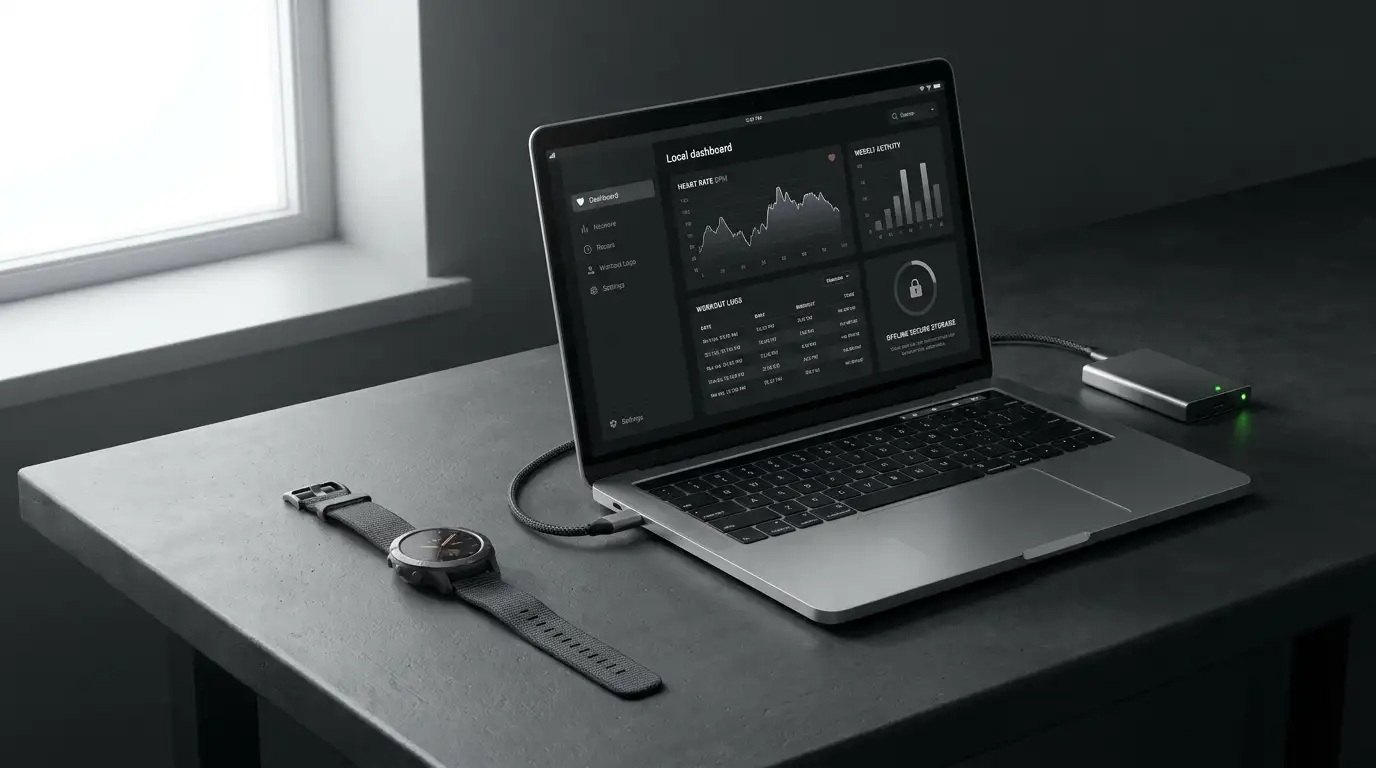
Air-Gap Fitness Tracker: Private Local Data Syncing
Fitness trackers collect some of the most personal information generated by our everyday activities. Daily steps, heart rate, sleep patterns, workout duration, movement habits, and…
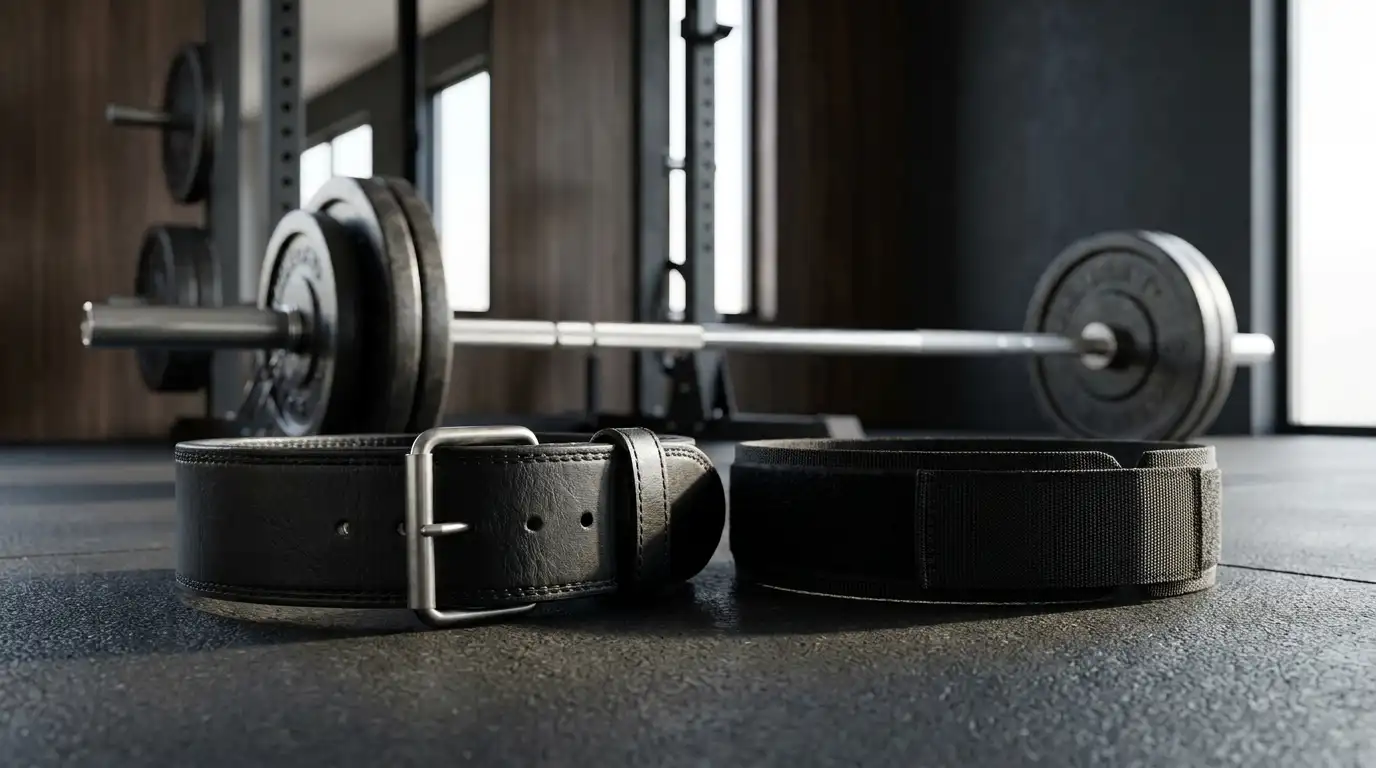
Best Weightlifting Belts for Home Gym Training
The best weightlifting belts for home gym training aren’t necessarily the thickest, most expensive, or most heavily advertised models. The right choice depends on how…

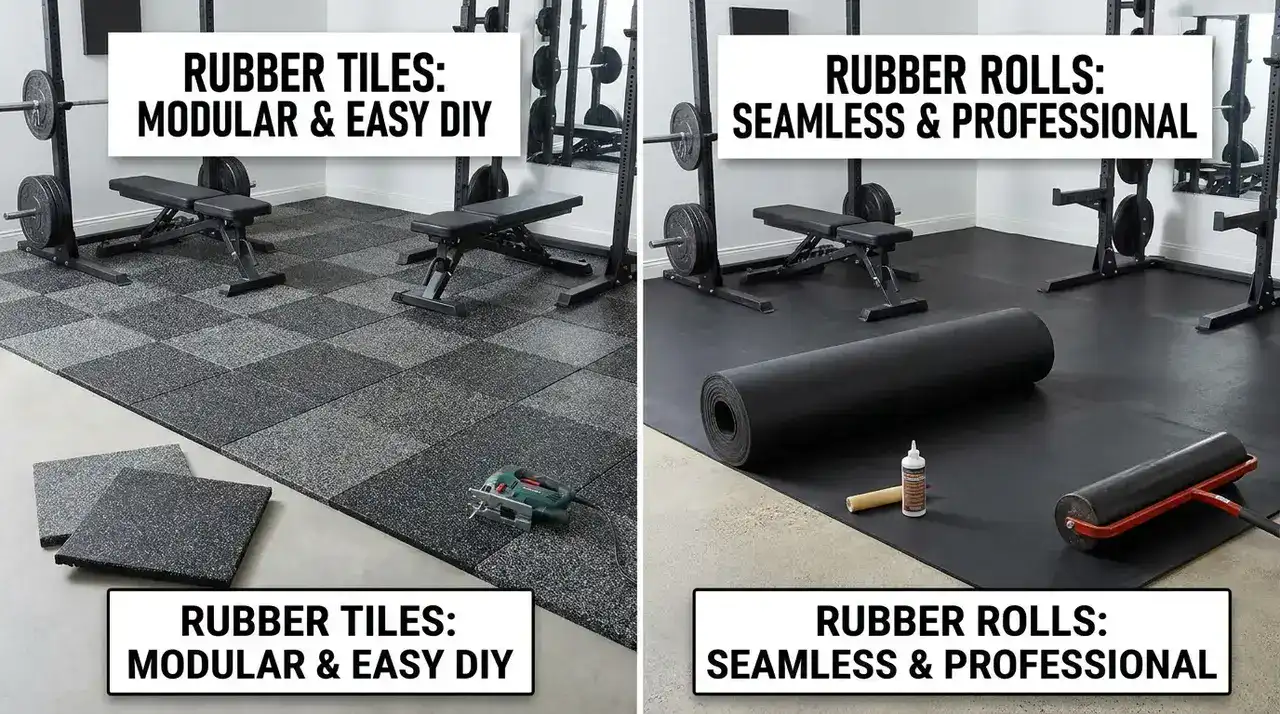
Rubber Tiles vs. Rolls: Best Gym Flooring Guide
Choosing the right gym flooring is essential for creating a safe, comfortable, and durable workout environment. Whether we are designing a home gym, upgrading a…
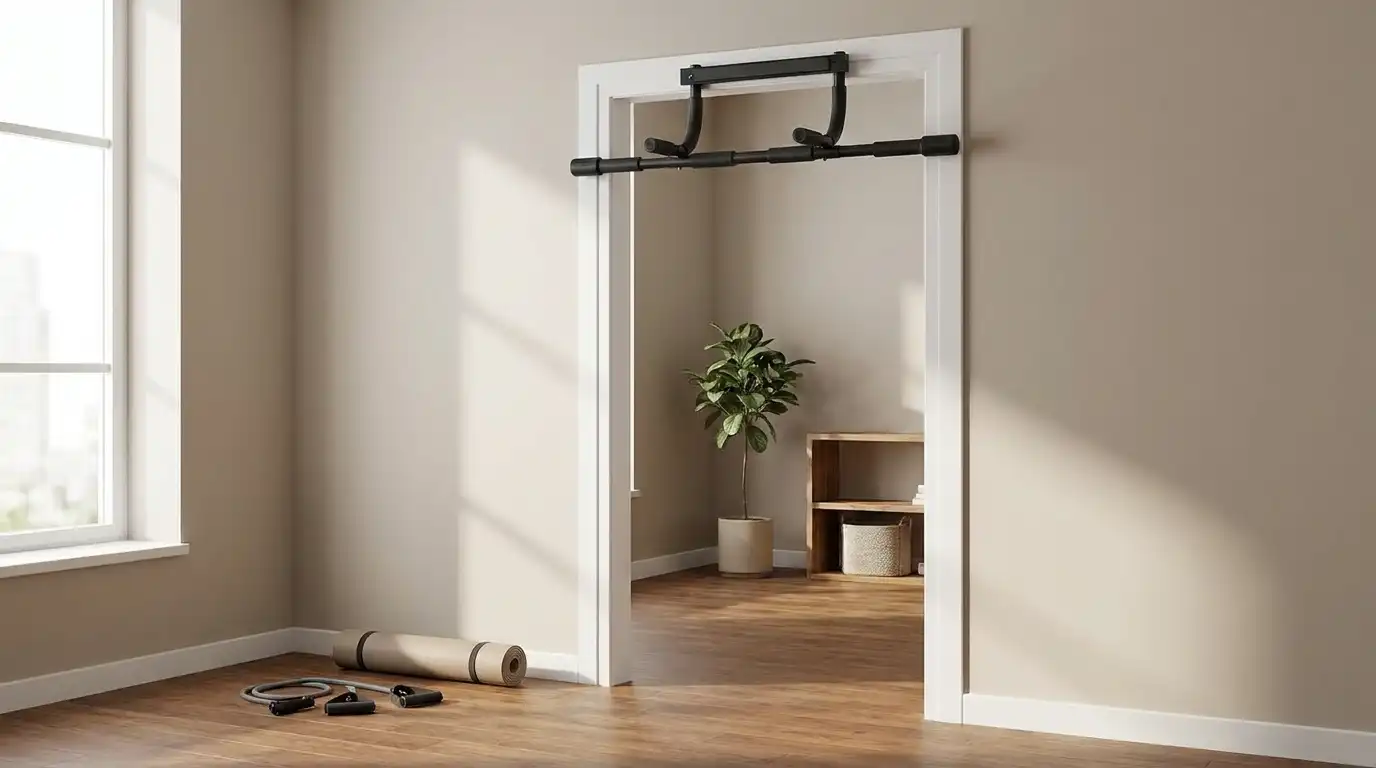
No Drilling Pull Up Bar for Renters: Best Options
Renters often face one frustrating limitation when setting up a home gym: they cannot drill holes into walls, ceilings, or door frames without risking damage…
How to Protect Hardwood Floors From Heavy Weights
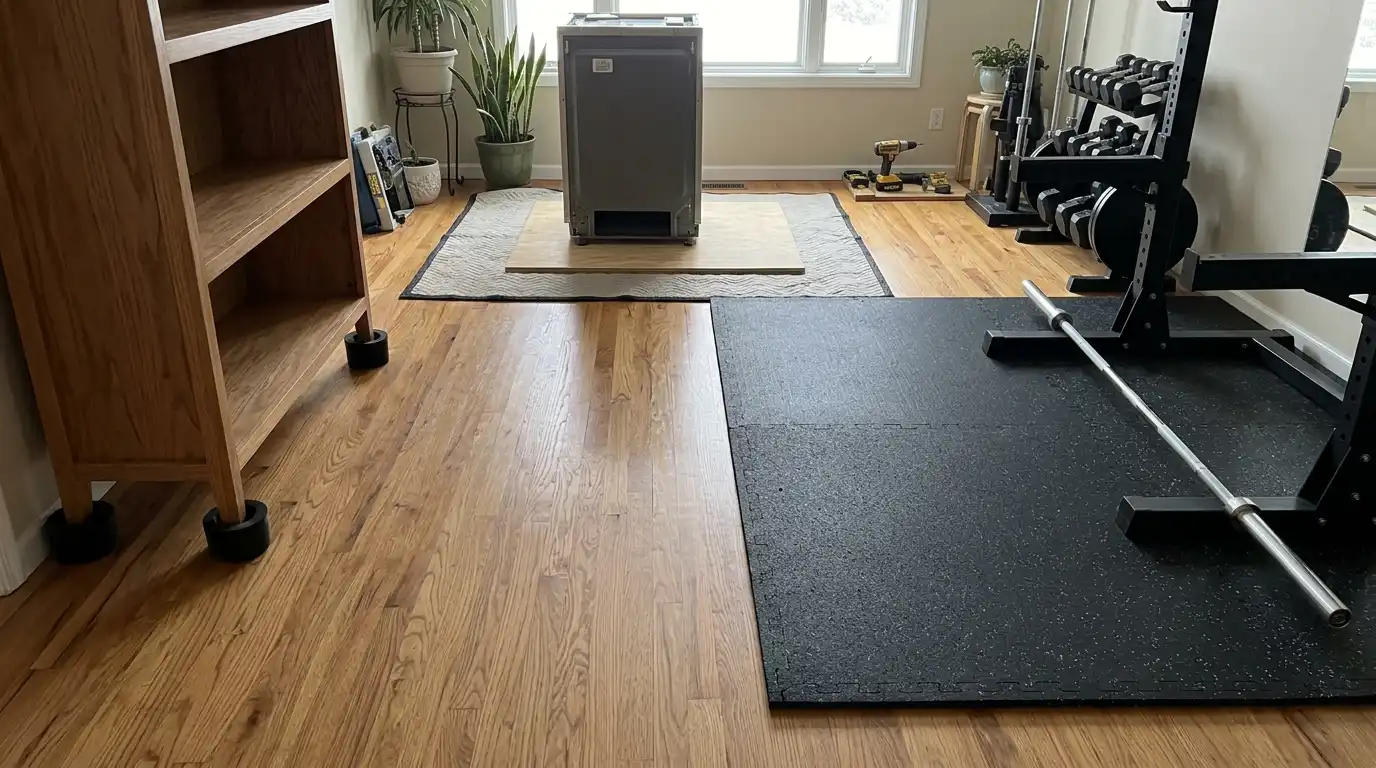
Protect hardwood floors from heavy weights by placing a floor-compatible protective barrier beneath a rigid load-distribution platform, then positioning gym equipment on a suitable impact-resistant…
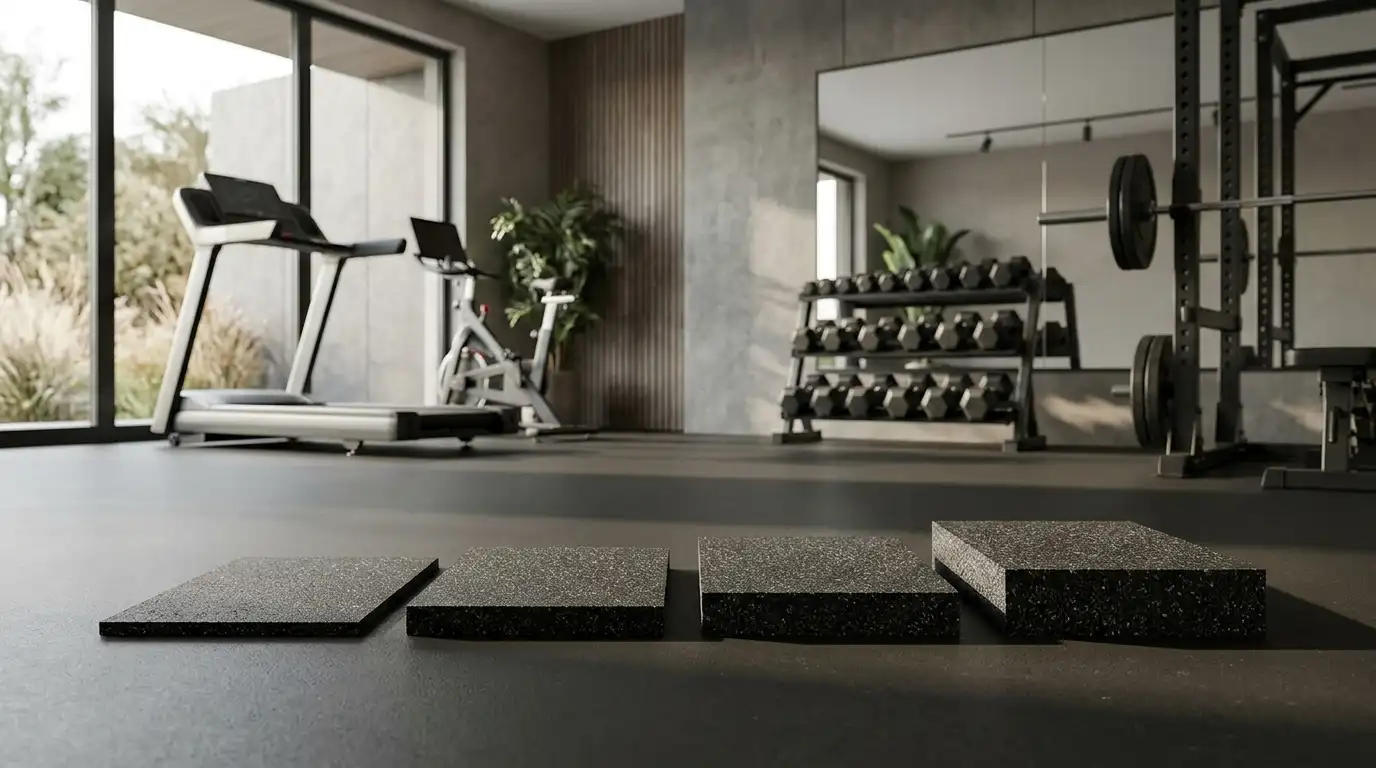
What Thickness Should Home Gym Flooring Be?
The best home gym flooring thickness depends on your workouts, subfloor, and how often you drop weights. For general fitness and cardio, 3/8-inch (9.5 mm)…