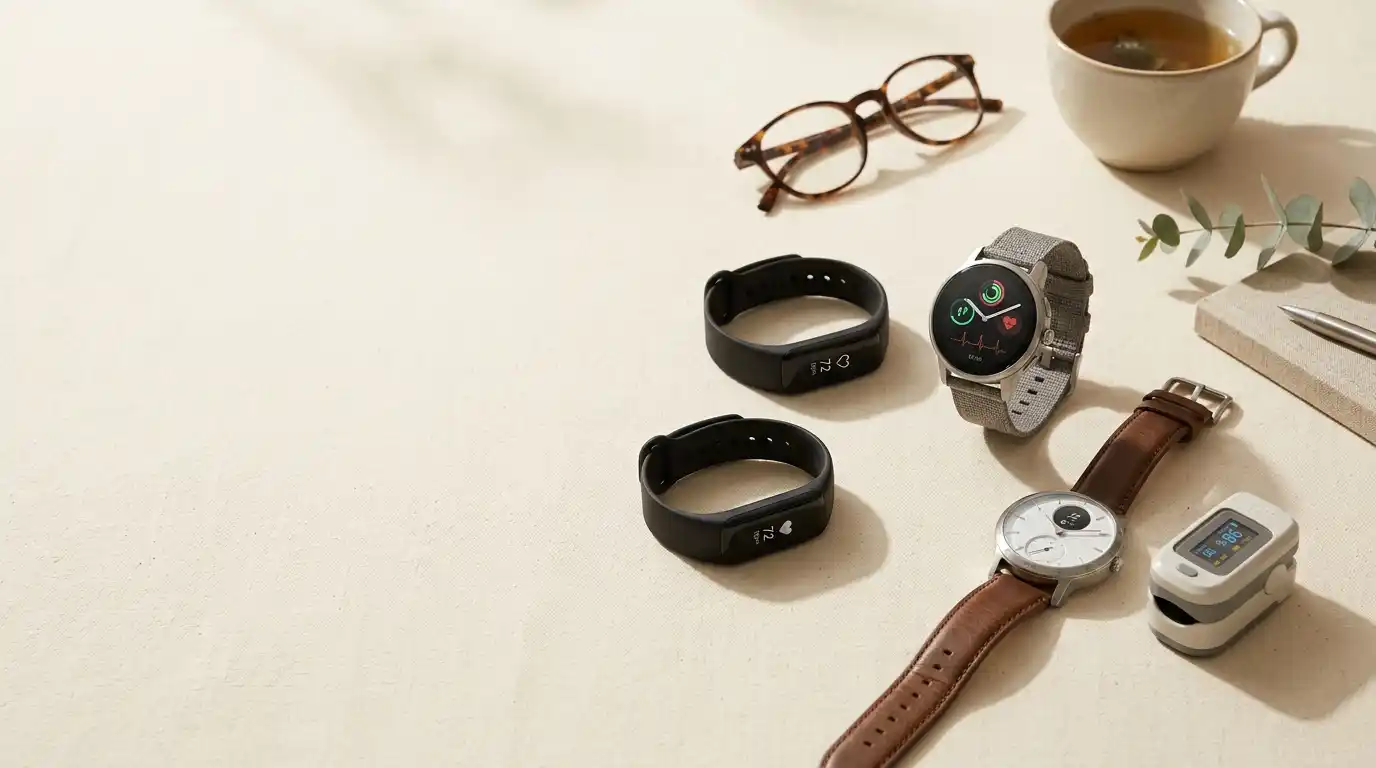

Choosing the right health tracker for someone over 60 can make everyday health monitoring simpler, more convenient, and more reassuring. The best devices help older adults monitor heart rate, daily activity, sleep, and other useful health measurements without making technology feel complicated.
However, not every senior needs a smartwatch packed with notifications, apps, and advanced features. Some people prefer a straightforward fitness band that counts steps, while others benefit from a watch with fall detection, emergency assistance, or heart rhythm notifications. For seniors who do not use smartphones, a traditional heart rate monitor or a device with a dedicated display may be a more practical choice.
In this guide, we compare the 10 best health trackers for seniors over 60 in 2026, focusing on ease of use, health monitoring, battery life, comfort, accessibility, and overall value. We also explain which options make thoughtful gifts for older adults and how to choose a reliable tracker without paying for unnecessary features.
Table of Contents
What Is the Simplest Fitness Tracker for Seniors?
The simplest fitness tracker for seniors is usually one that displays essential information directly on the screen, has comfortable straps, offers long battery life, and requires minimal daily interaction.
A basic fitness band can be ideal for someone who wants to count steps and monitor general activity. A smartwatch may be more suitable for an older adult who wants emergency features, heart rhythm notifications, or the convenience of answering calls.
Before choosing a device, consider these priorities:
- Easy-to-read display: Large numbers, strong contrast, and adjustable text make health information easier to see.
- Simple controls: Physical buttons or a straightforward touchscreen can reduce confusion.
- Comfortable design: Lightweight construction and an adjustable strap encourage consistent wear.
- Long battery life: Fewer charging sessions make the device easier to maintain.
- Useful health measurements: Heart rate, activity, sleep, and other relevant metrics should be easy to find.
- Clear setup instructions: Some devices require a smartphone and an account before they can be used.
- Reliable support: Accessible customer service, clear documentation, and replacement straps can make a meaningful difference.
For many older adults, simplicity matters more than the number of features. A tracker that is easy to wear and understand every day can be more useful than an expensive smartwatch that rarely leaves the bedside table.
10 Best Health Trackers for Seniors Over 60
The following devices serve different needs, from basic activity tracking to more comprehensive smartwatch health features. Availability, prices, and certain functions vary by country, device generation, and software version, so we recommend checking the manufacturer’s current specifications before purchasing.
1. Apple Watch SE — Best for Everyday Safety and Convenience
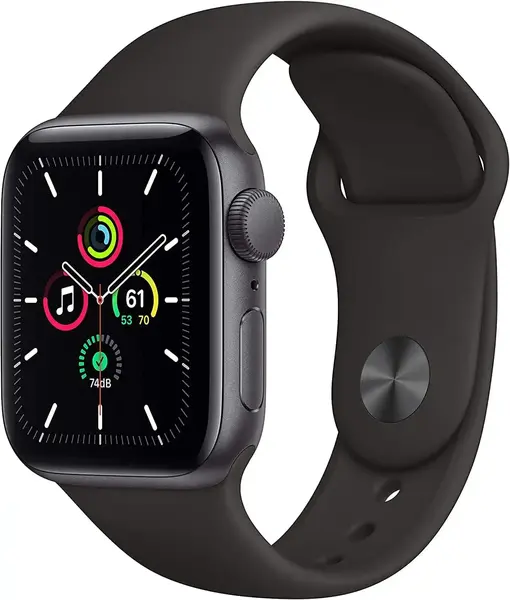
The Apple Watch SE is a practical choice for older adults who already use an iPhone and want activity tracking alongside useful safety features. Its interface brings everyday information, including movement, heart rate, workouts, and notifications, into one accessible device.
Depending on the generation, software, region, and configuration, the watch may support features such as fall detection, Emergency SOS, and crash detection. Fall detection can be particularly valuable for an older adult who lives independently, although it cannot detect every fall or guarantee that emergency assistance will always be available.
The watch can also encourage gentle exercise through activity rings and reminders. Walking, standing, and other everyday movements become easier to monitor without requiring a complicated fitness routine.
Best for: Seniors with an iPhone who want activity tracking and selected safety features.
Advantages:
- Clear display and customizable interface.
- Heart rate and activity monitoring.
- Fall detection and emergency features on supported configurations.
- Access to a broad smartwatch ecosystem.
Limitations: It requires more frequent charging than many fitness bands, and most features work best with an iPhone. Cellular connectivity, where available, may require a compatible model and service plan.
2. Fitbit Inspire 3 — Best Simple Fitness Band
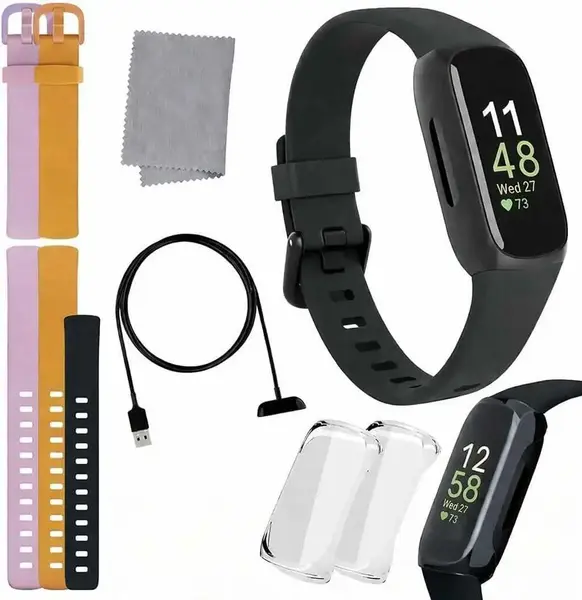
The Fitbit Inspire 3 is a lightweight fitness band designed for people who want to understand their everyday activity without wearing a large smartwatch.
It tracks steps, activity, heart rate, and sleep, with additional wellness measurements available through its software. Its compact design makes it suitable for seniors who prefer a discreet device that does not dominate the wrist.
Battery life is another attraction. Fitbit advertises up to 10 days under favorable conditions, although actual results depend on settings, usage, and battery condition.
The Inspire 3 is especially appealing to someone who wants to establish a consistent walking routine or notice changes in sleep and activity patterns over time.
Best for: Seniors who want an uncomplicated, lightweight activity tracker.
Advantages:
- Comfortable, compact design.
- Daily step and activity tracking.
- Sleep and heart rate monitoring.
- Relatively long battery life.
Limitations: Some information and settings require the Fitbit smartphone app. It does not provide the comprehensive emergency capabilities of a dedicated safety smartwatch, and some advanced software features may require a subscription.
3. Garmin vívosmart 5 — Best for Straightforward Health Tracking
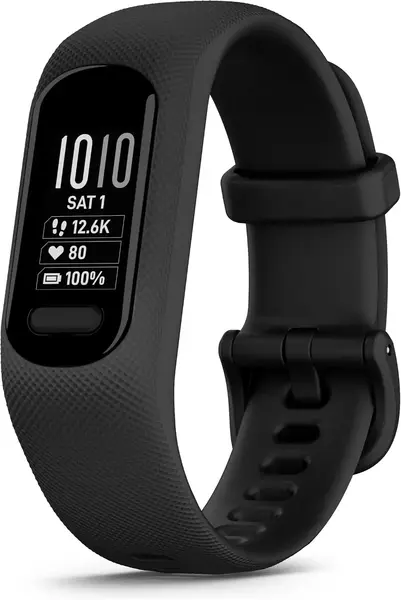
The Garmin vívosmart 5 is a sensible option for seniors who want a fitness band from an established sports-watch manufacturer without the bulk of a traditional smartwatch.
It tracks heart rate, steps, intensity minutes, sleep, and other wellness metrics. It also offers a body battery estimate, which combines activity and recovery information to help users understand how their energy levels may be changing throughout the day.
The relatively simple design makes it suitable for people who want to wear a tracker consistently rather than manage numerous smartwatch applications.
Its health information can help users notice general patterns, such as becoming less active or sleeping differently than usual. These measurements should be interpreted as wellness information rather than a diagnosis.
Best for: Seniors who value activity tracking, sleep insights, and a compact design.
Advantages:
- Lightweight fitness-band construction.
- Useful activity and wellness tracking.
- Sleep monitoring and heart rate measurements.
- No requirement to pay a recurring subscription for basic Garmin Connect features.
Limitations: Some setup and synchronization require a compatible smartphone. It does not include the full emergency and fall-detection capabilities found in certain smartwatches.
For a closer look at its strengths and limitations, read our Garmin vívosmart 5 fitness tracker review.
4. Apple Watch Series 11 — Best Premium Health Tracker
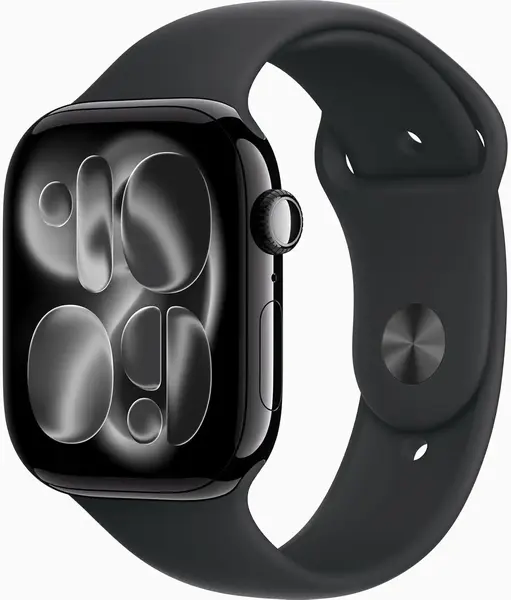
For seniors who want more advanced smartwatch capabilities, the Apple Watch Series 11 offers a broader collection of health and connectivity features than the entry-level SE range.
Depending on the supported model and region, features may include ECG measurements, irregular rhythm notifications, high or low heart rate alerts, sleep tracking, and other health-related notifications. Certain features are intended for specific age groups or require particular hardware and software configurations.
Its larger, bright display and customizable text can help users navigate information more comfortably. Voice interaction and notifications may also make everyday tasks more convenient.
The Series 11 is most appropriate for older adults who enjoy technology and are comfortable using a smartwatch. It is not automatically the best choice for someone who wants a simple step counter.
Best for: Seniors who use an iPhone and want a premium combination of health features and everyday convenience.
Advantages:
- Extensive health and activity ecosystem.
- ECG capability on supported configurations.
- Customizable interface and accessibility options.
- Selected safety features.
Limitations: It is relatively expensive and requires regular charging. Many functions depend on an iPhone, and cellular models may involve additional costs.
5. Samsung Galaxy Watch8 — Best for Android Users
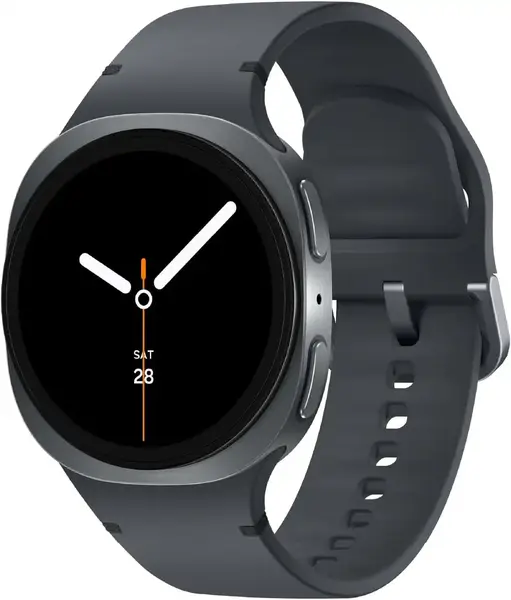
The Samsung Galaxy Watch8 is a useful option for seniors who use compatible Android phones, particularly Samsung Galaxy devices.
It combines activity tracking, heart rate measurements, sleep analysis, workout information, and selected health features in a smartwatch format. Depending on the model, region, and paired phone, additional functions may include ECG measurements and irregular heart rhythm notifications.
Its touchscreen provides access to daily statistics, while the smartwatch platform supports calls, reminders, and notifications.
For an older adult who already uses a Samsung phone, the integrated experience can be convenient. However, the range of menus and applications may be more complicated than necessary for someone who wants only basic measurements.
Best for: Seniors with compatible Android phones who want an all-in-one smartwatch.
Advantages:
- Activity and sleep tracking.
- Heart rate monitoring.
- Smart notifications and everyday connectivity.
- Selected advanced health features on supported configurations.
Limitations: Some health features require compatible Samsung phones, specific regional availability, or separate applications. Battery life is generally shorter than that of simpler fitness bands.
6. Fitbit Charge 6 — Best for Fitness and Wellness Features
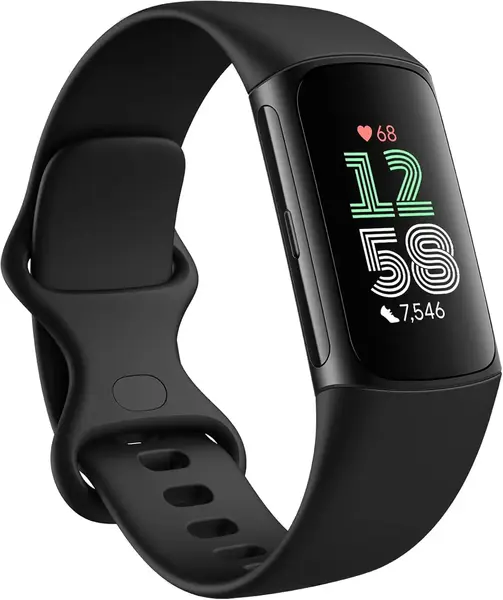
The Fitbit Charge 6 combines the compact shape of a fitness band with a broader set of activity and wellness functions.
It measures heart rate, steps, sleep, and exercise activity. It also supports selected connected features, including Google services, when properly configured.
For seniors who enjoy walking, cycling, or other low-impact activities, the Charge 6 can provide a convenient overview of daily movement and help them follow gradual fitness goals.
Its smaller form is less intrusive than many smartwatches, although the display is also smaller. Users should check whether its text and navigation suit their eyesight before purchasing.
Best for: Seniors who want more fitness features than a basic band provides.
Advantages:
- Detailed activity tracking.
- Heart rate and sleep monitoring.
- Compact design.
- Multiple exercise modes.
Limitations: Some features rely on a smartphone, and advanced Fitbit software offerings may involve a subscription. It is not a replacement for a medical heart monitor.
7. Garmin Forerunner 165 — Best for Active Seniors
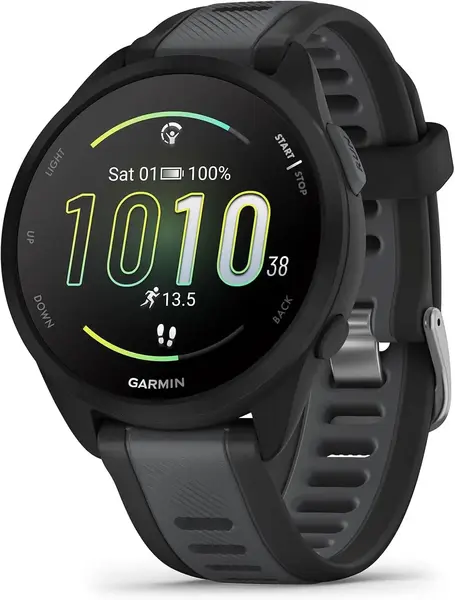
Not every senior wants a minimalist tracker. For older adults who regularly walk long distances, hike, cycle, or participate in structured exercise, the Garmin Forerunner 165 offers more detailed activity information.
Its features include GPS-based activity tracking, heart rate measurements, sleep information, and training metrics. These capabilities can be useful for seniors who want to monitor exercise duration, walking routes, or changes in fitness over time.
The watch is particularly suited to people who already enjoy regular physical activity and want more detailed information than a basic band provides.
However, many of its training functions are unnecessary for someone who simply wants to count daily steps.
Best for: Active seniors who enjoy walking, hiking, running, or fitness training.
Advantages:
- Built-in GPS.
- Detailed exercise information.
- Heart rate and sleep tracking.
- Useful battery life compared with many full-featured smartwatches.
Limitations: Its training-oriented menus may be confusing for beginners. It does not replace a dedicated emergency-response system.
8. Garmin Venu 3 — Best for a Balanced Wellness Experience
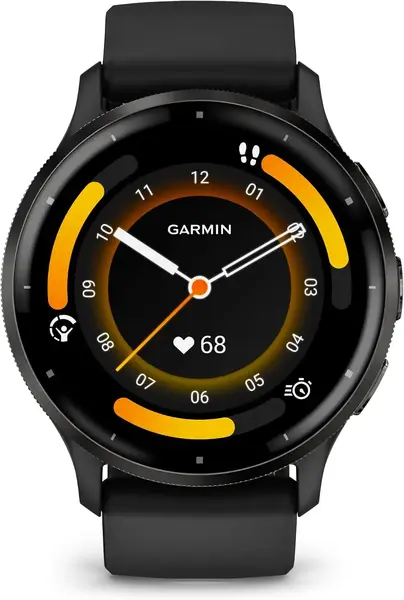
The Garmin Venu 3 offers a balance between fitness tracking, wellness insights, and smartwatch convenience.
It monitors heart rate, activity, sleep, and other health-related measurements. Its additional features may appeal to seniors who want a watch that supports everyday exercise without being limited to basic step counting.
The display and customizable watch faces can make it easier to prioritize the information that matters most. Garmin also offers battery performance that is generally more generous than that of many advanced smartwatches, although actual results depend on settings.
This model can be especially useful for someone who wants a more comprehensive wellness overview but prefers not to use Apple’s or Samsung’s smartwatch ecosystem.
Best for: Seniors who want a premium wellness smartwatch with strong battery performance.
Advantages:
- Comprehensive activity and wellness metrics.
- GPS and exercise tracking.
- Sleep and heart rate monitoring.
- Longer battery life than many competing full-featured smartwatches.
Limitations: Its extensive features come at a higher price than basic fitness bands. Some functions may take time to learn.
9. Fitbit Sense 2 — Best for Stress and Sleep Insights
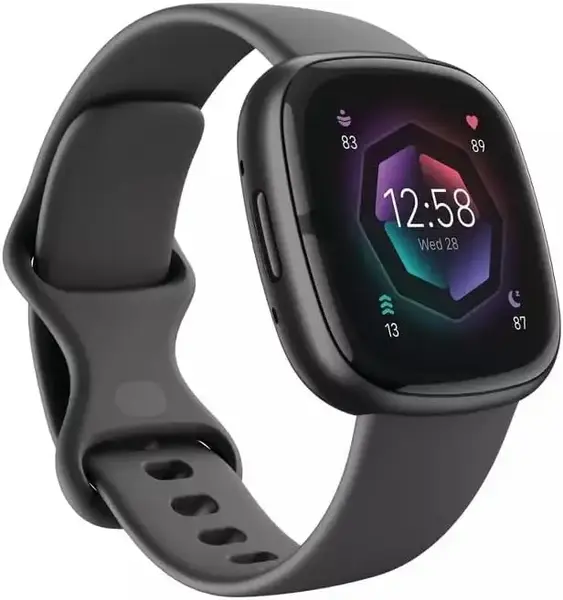
The Fitbit Sense 2 focuses on health and wellness information, making it an option for seniors interested in more than daily step counts.
It includes heart rate monitoring, sleep tracking, activity measurement, and features designed to help users observe stress-related patterns. Supported configurations also provide ECG functionality and certain heart rhythm notifications.
These tools may encourage users to pay attention to rest, movement, and changes in their usual routines. They should not be interpreted as a complete assessment of cardiovascular health or emotional well-being.
The watch is best for older adults who enjoy reviewing wellness data and are comfortable navigating a smartwatch interface.
Best for: Seniors who want activity, sleep, and selected stress-related insights.
Advantages:
- Broad wellness-tracking features.
- Sleep and heart rate monitoring.
- Selected ECG and rhythm-related functions.
- A smartwatch interface for everyday use.
Limitations: Some features depend on compatible phones and regional support. The interface may be more complicated than a basic fitness band.
10. Withings ScanWatch 2 — Best Traditional Watch Design
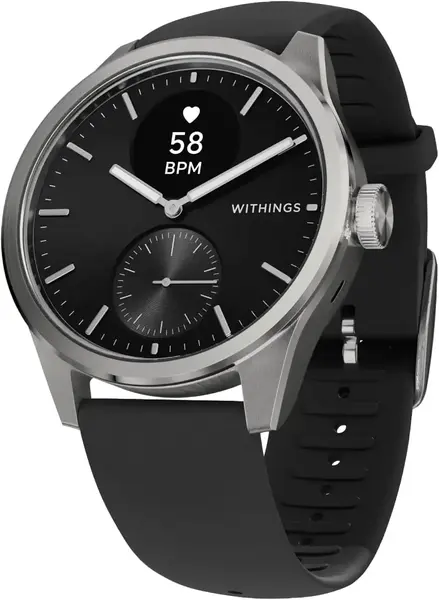
The Withings ScanWatch 2 is designed for people who prefer the appearance of a traditional wristwatch but want access to selected health measurements.
Its analog-style display gives it a more classic appearance than a conventional fitness tracker. Depending on the feature and configuration, it can monitor heart rate, sleep, activity, and selected cardiovascular measurements.
The design may appeal to seniors who dislike large touchscreens or do not want their wearable to look like a piece of electronic equipment.
Its hybrid format also offers battery life that can be considerably longer than that of many full touchscreen smartwatches.
Best for: Seniors who value a traditional watch appearance alongside health tracking.
Advantages:
- Classic analog-inspired design.
- Heart rate and activity monitoring.
- Sleep tracking.
- Long battery life under typical use.
Limitations: The smaller digital display may be difficult to read for people with significant visual impairment. Many health reports and settings require the companion smartphone application, and medical functions vary by region.
Best Heart Rate Monitor for Seniors Without a Smartphone
A heart rate monitor for seniors without a smartphone should be selected according to how often readings are needed and whether the device must record information over time.
There are three practical categories to consider.
Standalone Finger Pulse Oximeters
A fingertip pulse oximeter typically displays an estimated oxygen saturation level and pulse rate on its screen. It can be useful when a clinician has recommended checking these measurements.
It is not a continuous heart rate tracker, and readings may be affected by movement, circulation, skin temperature, nail products, and device limitations.
A pulse oximeter also does not measure blood pressure or diagnose heart conditions.
Traditional Blood Pressure Monitors
An automatic upper-arm blood pressure monitor is often a better option when the goal is to check blood pressure and pulse at home.
Many models display the readings without requiring a smartphone. Some also store measurements in their internal memory, allowing users or caregivers to review a series of readings.
Choose a validated device with a cuff that fits correctly, large numbers, and clearly labeled buttons. Seniors who have difficulty placing or tightening the cuff may benefit from assistance.
Standalone Heart Rate Devices
Some dedicated heart rate monitors can show pulse measurements directly on a display, but their functions differ. Certain chest straps require a compatible receiver or smartphone, so a device should not be described as smartphone-free without checking its exact configuration.
For continuous heart rate monitoring, a wearable may be more convenient. However, many wearables rely on a phone for initial setup, software updates, detailed reports, or emergency communication.
Our recommendation: If the recipient does not use a smartphone and only needs occasional pulse readings, start with a simple standalone monitor. If continuous monitoring or medical-grade measurements are needed, confirm the requirements with a healthcare professional before choosing a device.
10 Best Health Trackers as a Gift for Someone Over 60
A health tracker can make a thoughtful gift when it matches the recipient’s habits, comfort level, and preferred way of using technology.
The best choice is not necessarily the most expensive model. It is the one the recipient can use confidently without feeling pressured to learn an unfamiliar system.
| Gift recipient | Recommended option | Why it suits them |
|---|---|---|
| Someone who enjoys simple walks | Fitbit Inspire 3 | Lightweight activity tracking |
| An iPhone user living independently | Apple Watch SE | Selected safety and smartwatch features |
| A Samsung phone user | Samsung Galaxy Watch8 | Integrated Android smartwatch experience |
| Someone who dislikes charging frequently | Withings ScanWatch 2 | Hybrid watch design and long battery life |
| An active older adult | Garmin Forerunner 165 | GPS and exercise tracking |
| Someone who wants a premium wellness watch | Garmin Venu 3 | Broad health and fitness information |
| A budget-conscious recipient | Amazfit Band 7 | Affordable everyday tracking |
| Someone who needs occasional pulse readings | Standalone heart rate monitor | Direct readings without a smartphone on suitable models |
| Someone monitoring blood pressure | Validated upper-arm monitor | Dedicated blood pressure measurements |
| Someone who values sleep insights | Fitbit Charge 6 | Activity and sleep tracking |
| Someone who enjoys wellness data | Fitbit Sense 2 | Broader wellness features |
| Someone who prefers a classic watch | Withings ScanWatch 2 | Traditional appearance with digital health features |
Before purchasing a wearable as a gift, consider whether the recipient already owns a compatible phone. Also check the charging method, strap size, display readability, return policy, and whether the device requires an ongoing subscription.
If safety is the primary concern, explain the device’s limitations. Fall detection and emergency functions are helpful additions, but they do not replace regular contact, appropriate home safety measures, or a dedicated medical alert service when one is needed.
Which Health Tracker Features Matter Most After 60?
Not every available health metric is equally useful. The best features are those that support the user’s daily routine or help them follow an agreed health plan.
Heart Rate Monitoring
Heart rate tracking can help users observe their pulse during rest and activity. Some devices also provide high or low heart rate notifications.
Optical wrist sensors estimate heart rate using light and may be less reliable during movement, when the watch fits poorly, or when circulation is reduced.
An alert is not a diagnosis. New, persistent, or concerning symptoms require appropriate medical assessment even when a wearable reports normal readings.
Step Counting and Activity Tracking
Daily movement is an accessible way to encourage an active lifestyle. A tracker can show whether someone is walking more consistently or spending longer periods sitting.
Rather than imposing an arbitrary target, users can begin with a comfortable activity level and increase it gradually when appropriate. People with mobility limitations or medical conditions should follow individualized exercise advice.
Sleep Tracking
Sleep trackers estimate sleep duration and patterns using movement and other sensor data. They can help users identify changes in their routines, but they cannot reliably diagnose every sleep disorder.
For seniors who want to improve sleep habits, consistent bedtimes, a comfortable bedroom, and regular daytime activity may be more useful than obsessing over nightly scores.
Fall Detection and Emergency Assistance
Fall detection is one of the most important considerations for an older adult who lives alone or has an elevated risk of falling.
Some smartwatches can detect certain falls and initiate an emergency call or notification. However, performance varies, and not every fall is recognized. Emergency communication may require a connected phone, cellular service, a subscription, or a compatible regional configuration.
Before relying on a device, test its settings and learn how emergency calls work. If a senior needs dependable access to help, compare dedicated medical alert systems as well.
Blood Oxygen Monitoring
Some wearables estimate blood oxygen saturation, often referred to as SpO₂. These measurements can provide supplementary information, but consumer wrist devices are not substitutes for clinically indicated testing.
If oxygen monitoring is medically necessary, follow a healthcare professional’s advice about the appropriate device and measurement procedure.
ECG and Irregular Heart Rhythm Notifications
Certain smartwatches can record a single-lead electrocardiogram or notify users about possible irregular rhythms. These functions are available only on supported devices and may be restricted by age, software, or region.
They do not detect every heart rhythm problem and cannot replace a clinical ECG or professional evaluation.
How to Choose the Best Health Tracker for an Older Adult
The easiest way to make a good choice is to start with the recipient’s actual needs rather than a list of specifications.
1. Decide Whether a Smartphone Is Available
This is one of the most important buying decisions.
If the senior already uses an iPhone or Android phone, a connected fitness band or smartwatch may be appropriate. If they do not use a smartphone, check whether the device can complete initial setup and display essential readings independently.
A watch that requires an app for every important function may become frustrating rather than helpful.
2. Prioritize Display Readability
A large screen is not automatically a readable screen. Look for strong contrast, adjustable text, simple menus, and a display that remains legible under normal indoor lighting.
If possible, let the recipient try the device before purchasing it.
3. Consider Charging and Battery Life
Frequent charging can be inconvenient, especially for someone who has difficulty handling small cables or remembering charging schedules.
Fitness bands and hybrid watches often offer longer battery life than advanced smartwatches. However, battery performance changes with screen brightness, GPS use, notifications, and device age.
Consider how easy the charging connector is to attach and whether the user can manage it independently.
4. Look at Comfort and Strap Design
A tracker should fit securely without pinching or irritating the skin. Very loose straps can interfere with optical heart rate measurements, while straps that are too tight can be uncomfortable.
Check the availability of replacement straps and whether the fastening mechanism is easy to operate.
5. Check Subscription and Connectivity Costs
The initial price is only part of the total cost. Some devices offer optional paid memberships, while cellular smartwatches may require an additional service plan.
Compare the features included without a subscription. For someone who wants only steps, heart rate, and sleep information, a simpler model may offer better value.
6. Match the Device to the Intended Health Task
A fitness tracker is designed primarily for general wellness and activity monitoring. A blood pressure monitor, pulse oximeter, or prescribed cardiac monitor serves a different purpose.
When a doctor has requested a specific type of measurement, choose a device validated for that purpose rather than relying on a general smartwatch.
Can Seniors Use a Health Tracker Without a Smartphone?
Yes, but the answer depends on the device.
Some standalone monitors display measurements without a smartphone. Certain fitness watches can also show daily information after setup, even if they offer fewer features when disconnected.
However, many modern trackers need a phone for initial configuration, software updates, account access, detailed health reports, or synchronization. Some require the phone to be nearby for emergency calls, while others offer cellular connectivity only on specific models.
Before buying, check these five points:
- Can the device be set up without a smartphone?
- Can it display the desired readings directly on its screen?
- Does it retain measurements without internet access?
- Can a caregiver access reports if necessary?
- Does emergency communication work independently, and what service costs apply?
If the recipient has no smartphone and wants only a basic measurement, a dedicated standalone monitor may be the simplest solution.
Health Tracker vs. Medical Monitor: What Is the Difference?
A fitness tracker is primarily intended to monitor general activity and wellness. It can estimate heart rate, count steps, record sleep patterns, and help users identify changes in their routines.
A medical monitor is designed for a more specific measurement or clinical purpose. Examples include validated blood pressure monitors, certain pulse oximeters, and prescribed ECG or cardiac monitoring equipment.
The distinction matters because a device can be useful for everyday wellness without being suitable for diagnosing or managing a medical condition.
For instance, a smartwatch’s optical heart rate sensor does not provide the same information as a clinical ECG. Similarly, an estimated wrist-based oxygen reading should not be treated as equivalent to a validated clinical measurement.
Seniors who take medication affecting heart rate or blood pressure, have an established heart condition, or have been asked to record specific readings should consult their healthcare professional about the most suitable device.
How Health Trackers Can Support Strength Training After 60
Health tracking can complement a balanced exercise routine, including appropriately adapted strength training.
A wearable can record workout duration, heart rate during activity, and general movement throughout the day. Over time, these records may help users identify patterns in their activity levels and recovery.
However, a tracker cannot determine by itself whether an exercise is safe for a particular individual or whether a workout provides sufficient resistance to improve strength.
Older adults interested in maintaining muscle function, balance, and independence may benefit from an exercise program adapted to their abilities and medical circumstances.
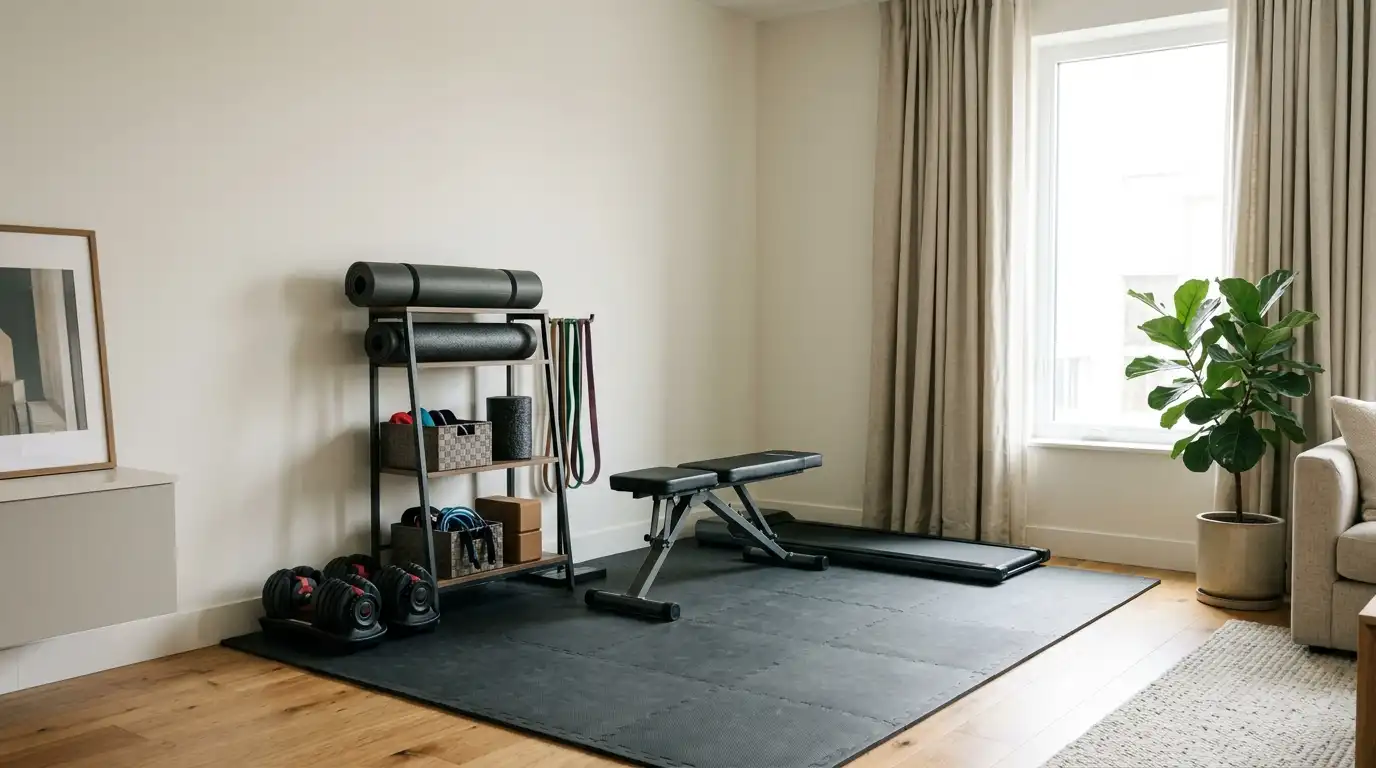
For equipment ideas and practical considerations, read our guide to strength training equipment for seniors.
Combining suitable exercise equipment with a comfortable tracker can make it easier to maintain a consistent routine. The goal should be sustainable progress rather than chasing daily scores or comparing performance with other people.
Final Verdict: Which Health Tracker Is Best for Seniors Over 60?
The best health tracker for seniors over 60 depends on the balance between simplicity, health features, comfort, and independence.
For straightforward activity tracking, the Fitbit Inspire 3 is a practical starting point. Seniors who use an iPhone and want selected safety features may prefer the Apple Watch SE, while Android users can consider the Samsung Galaxy Watch8. Those who prefer a traditional watch appearance may find the Withings ScanWatch 2 more appealing.
For older adults who do not use smartphones, the priority should be a device that displays essential readings directly and does not depend on an app for everyday operation. A dedicated heart rate or blood pressure monitor may be more suitable than a smartwatch, depending on the measurement required.
Ultimately, the right choice is the one that fits naturally into daily life. A comfortable device with a readable screen, manageable charging routine, and genuinely useful features can support more consistent activity monitoring without adding unnecessary complexity.
Les fichiers, les images et l’analyse de données sont indisponibles jusqu’à la réinitialisation de votre quota (à 21:19). Continuez par texte uniquement, ou changez de forfait pour élargir votre accès.
Passer à Plus
Frequently Asked Questions About Health Trackers for Seniors
What is the simplest fitness tracker for seniors over 60?
The Fitbit Inspire 3 is a strong option for seniors who want a lightweight band for steps, heart rate, activity, and sleep tracking. However, someone who does not use a smartphone may prefer a standalone monitor or another device that can operate independently.
What is the best heart rate monitor for seniors without a smartphone?
A standalone heart rate monitor that displays pulse readings directly can be a practical choice for occasional measurements. A fingertip pulse oximeter also displays pulse rate, but its main additional measurement is estimated blood oxygen saturation. If continuous monitoring is required, verify whether the selected wearable works independently of a phone.
Can a fitness tracker detect heart problems?
Some smartwatches can record an ECG or provide notifications about certain possible irregular heart rhythms. These features have limitations and do not detect every heart condition. A fitness tracker should never be used to rule out a medical problem.
Are health trackers worth buying for people over 60?
They can be worthwhile when they meet a specific need, such as encouraging regular walking, monitoring general activity, or making selected safety features available. Their value depends on whether the recipient finds the device comfortable and easy to use.
Do seniors need an expensive smartwatch?
No. A basic fitness band may be sufficient for step counting, heart rate monitoring, and sleep tracking. A premium smartwatch is more appropriate when the user will benefit from additional features, such as ECG functionality, emergency assistance, or integrated communication.
Can a health tracker help prevent falls?
A tracker cannot reliably prevent falls. Some devices can detect certain falls and initiate emergency notifications, but detection is not guaranteed. Appropriate exercise, home safety improvements, vision care, medication review, and professional advice may also help address fall risk.
Which health tracker has the longest battery life?
Battery life varies by model and usage. Hybrid watches and simpler fitness bands often last longer between charges than feature-rich smartwatches. Compare manufacturer estimates with the features you intend to use, particularly GPS, continuous measurements, and always-on displays.
Should a senior wear a health tracker all day?
That depends on the device, the person’s comfort, and the purpose of monitoring. Some people benefit from wearing a fitness band throughout the day, while others prefer to use a standalone monitor only when they need a reading. Follow the manufacturer’s guidance and any medical instructions.
Can a health tracker replace a doctor’s appointment?
No. Wearable measurements can help users record trends and share information with healthcare professionals, but they cannot replace medical assessment, prescribed monitoring, or emergency care.