
Building strong, toned legs doesn’t require a gym membership or fancy machines. With the right free weight exercises for legs at home, anyone can achieve powerful quads, glutes, hamstrings, and calves while improving balance and mobility.
This guide provides a complete roadmap to designing an effective leg workout using dumbbells, kettlebells, or even household items as weights.
Table of Contents
Why Free Weight Exercises for Legs Work
Free weight exercises target multiple muscle groups simultaneously, engaging stabilizing muscles that machines often overlook. Unlike machines, free weights allow a natural range of motion, reduce muscular imbalances, and enhance functional strength. They are ideal for home workouts because of their versatility, low space requirement, and adaptability for beginners to advanced fitness levels.
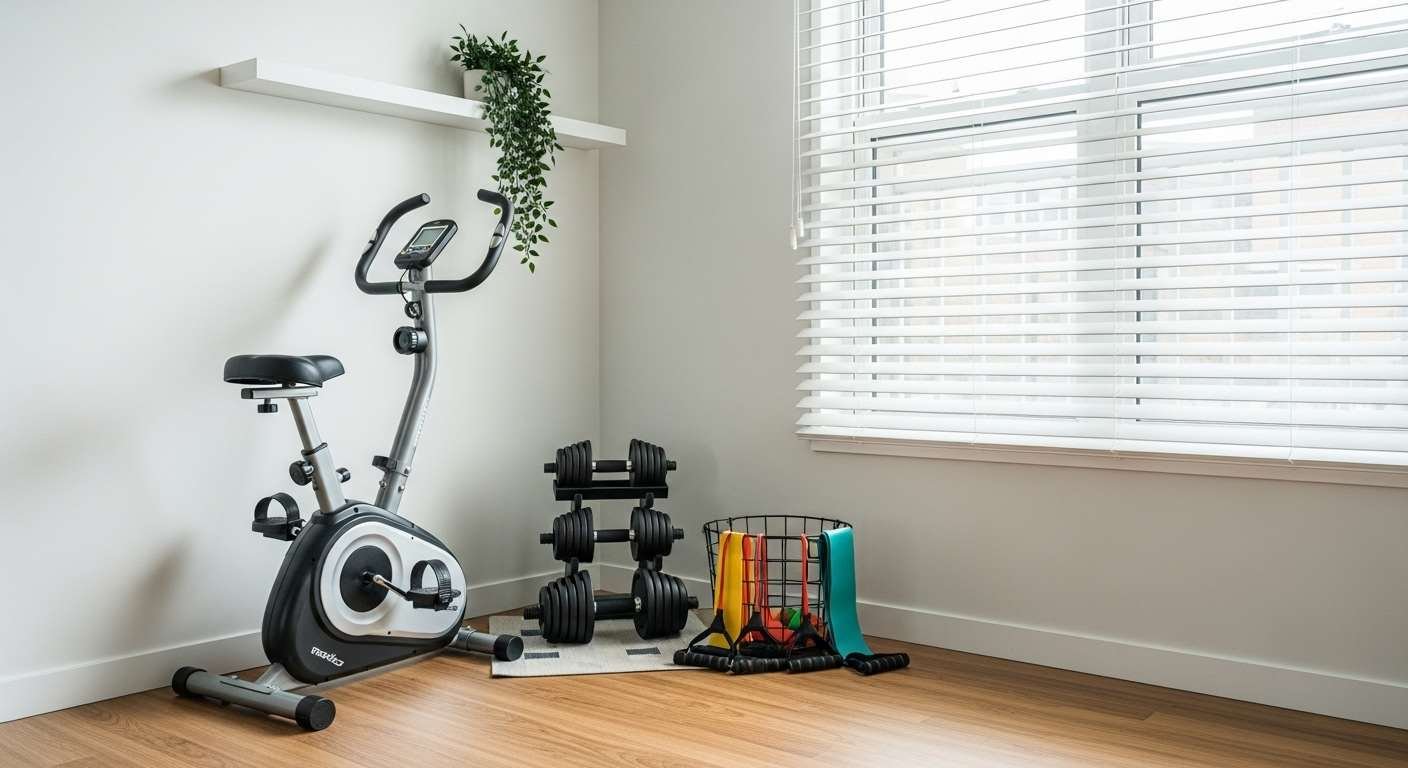
Essential Equipment for Home Leg Workouts
While bodyweight exercises are effective, adding free weights increases resistance and accelerates strength gains. Here’s what you’ll need:
| Equipment | Best Use | Notes |
|---|---|---|
| Dumbbells | Squats, lunges, deadlifts | Adjustable weights preferred |
| Kettlebells | Swings, goblet squats | Enhances grip strength and stability |
| Resistance Bands | Glute bridges, leg extensions | Adds variable resistance without heavy weights |
| Household Items | Milk jugs, backpacks, water bottles | Budget-friendly alternative |
Warm-Up: Preparing Your Legs for Exercise
A proper warm-up prevents injuries and improves performance. Spend 5–10 minutes performing dynamic movements:
- Leg swings (front to back, side to side)
- Bodyweight squats
- Walking lunges
- High knees or butt kicks
Top Free Weight Exercises for Legs at Home
Dumbbell Squats
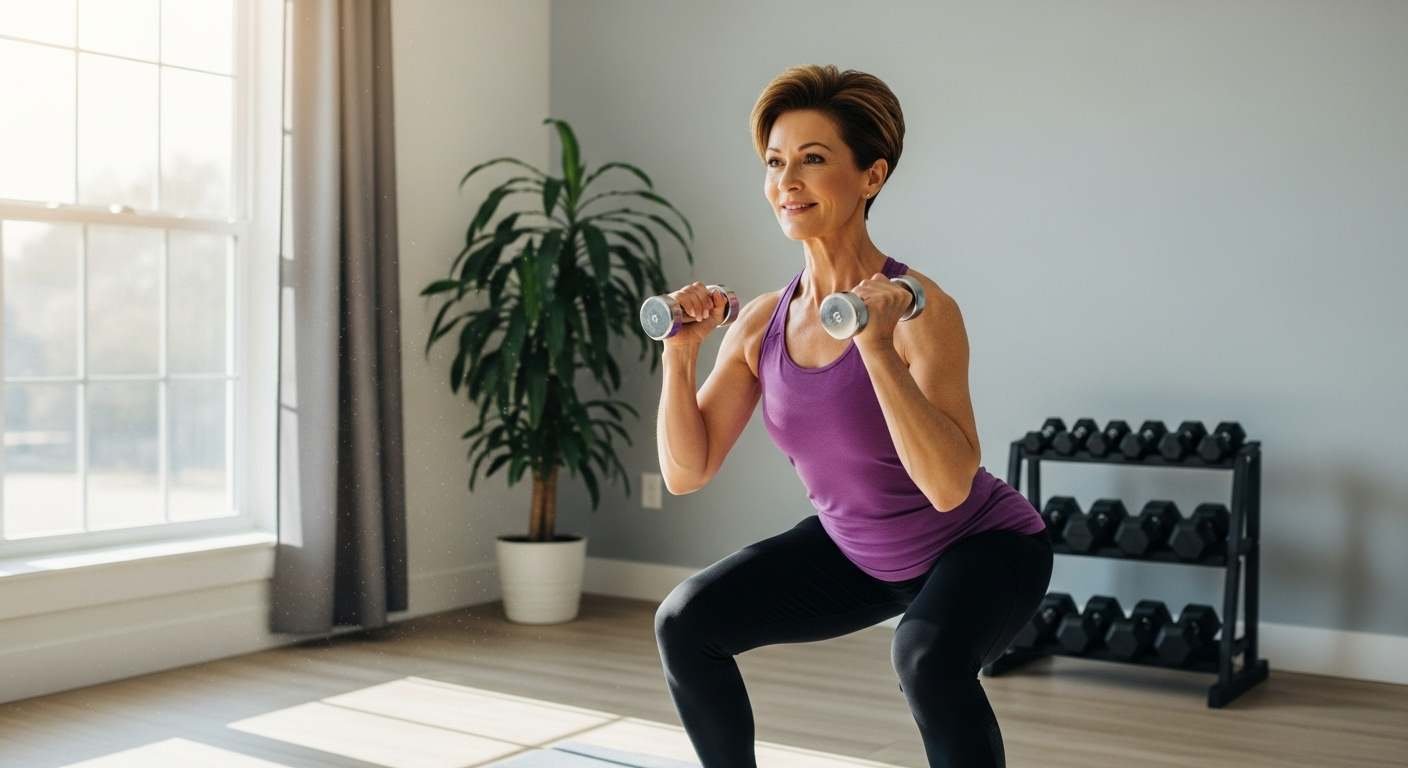
Squats are the cornerstone of leg training, targeting quads, hamstrings, glutes, and core.
- How to perform: Stand with feet shoulder-width apart, hold a dumbbell in each hand at your sides. Lower your body by bending the knees and pushing hips back, keeping chest upright. Rise back to standing.
- Reps and sets: 3–4 sets of 12–15 reps
- Tips: Keep knees aligned with toes; avoid letting them cave inward.
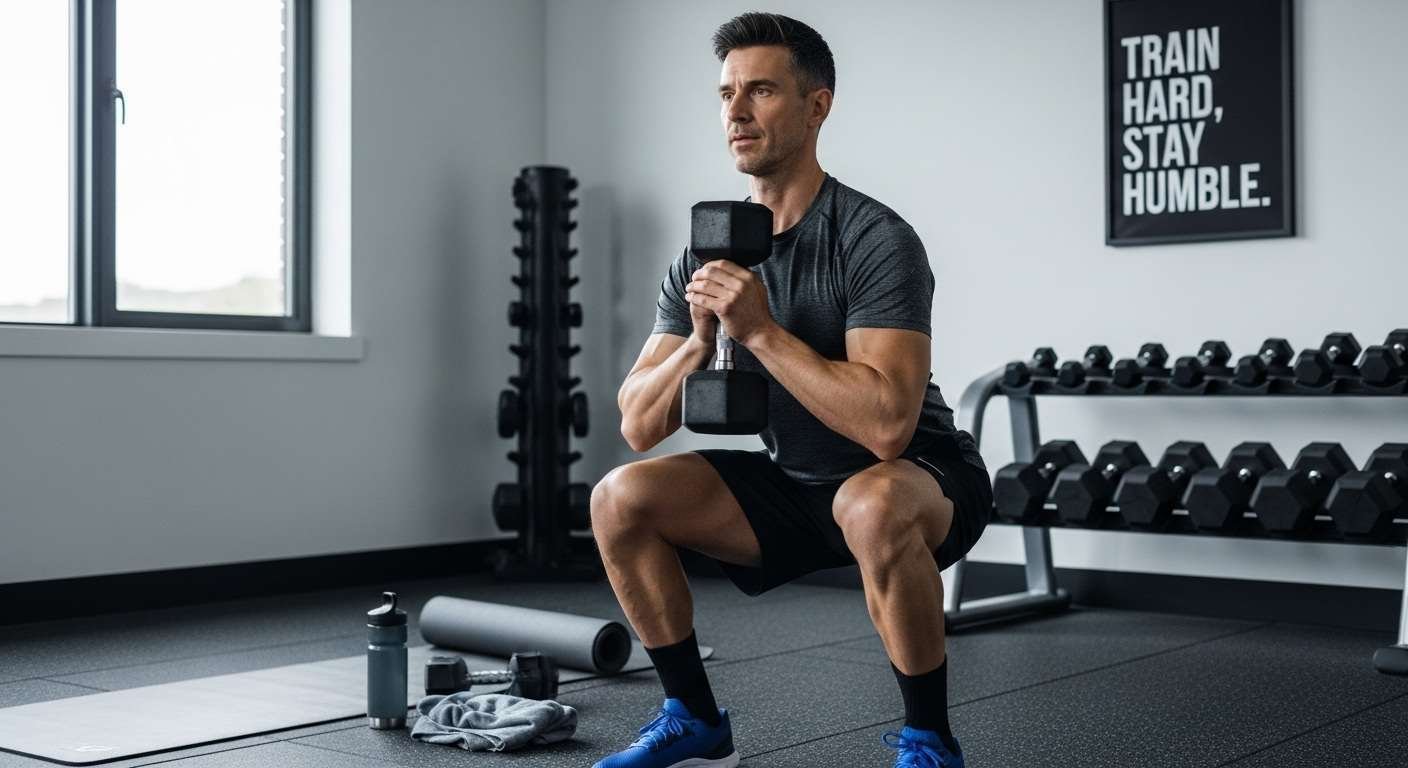
Goblet Squats
A variation of the traditional squat using a single dumbbell or kettlebell held close to the chest.
- How to perform: Hold the weight with both hands at chest level. Squat down while keeping elbows inside knees. Push through heels to stand.
- Reps and sets: 3–4 sets of 10–12 reps
- Benefits: Improves posture and core stability.
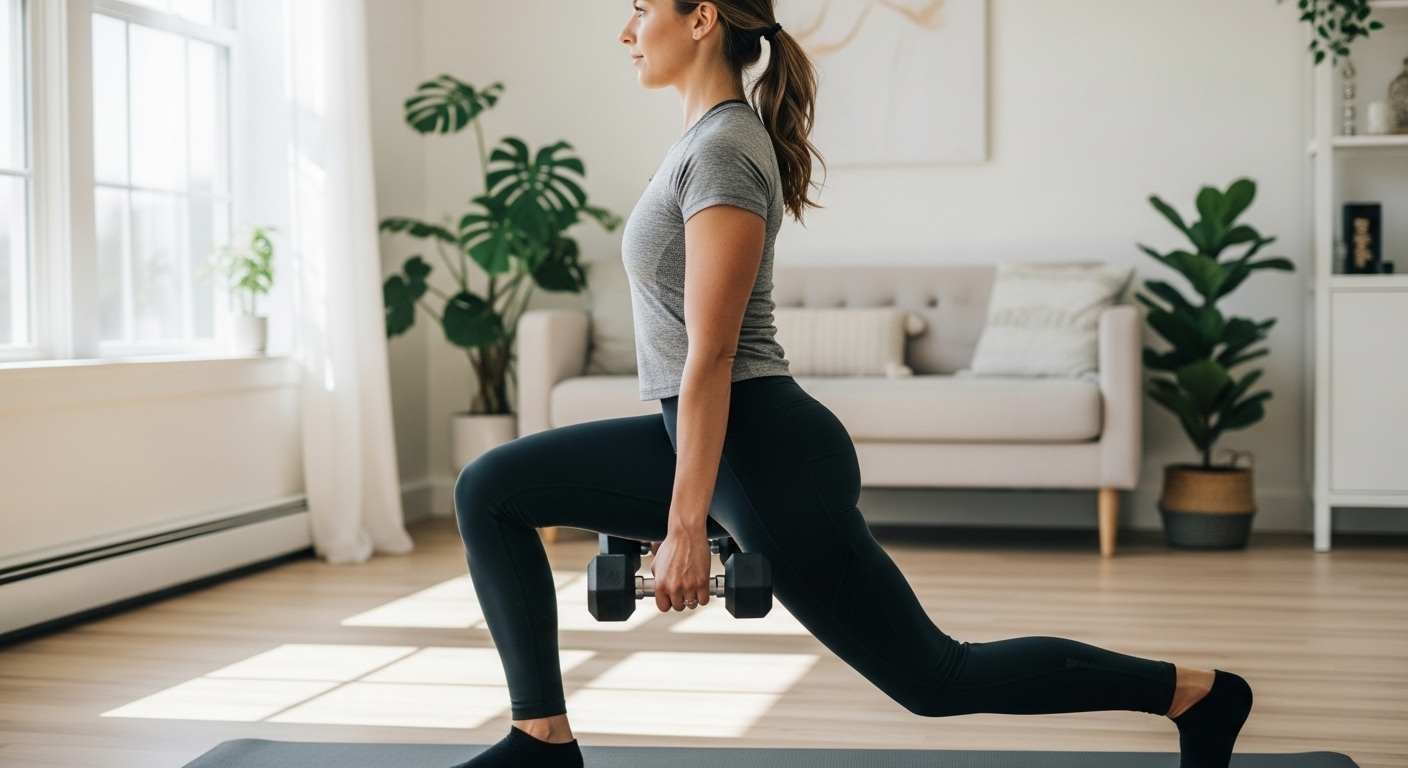
Dumbbell Lunges
Lunges engage the glutes, quads, hamstrings, and calves while improving balance.
- How to perform: Hold a dumbbell in each hand, step forward with one leg, lowering your back knee toward the floor. Push back to the starting position and switch legs.
- Reps and sets: 3 sets of 12–15 reps per leg
- Notes: Maintain an upright torso and avoid letting the front knee pass the toes.
Romanian Deadlifts
This exercise focuses on hamstrings and glutes while strengthening the lower back.
- How to perform: Hold dumbbells in front of thighs, feet hip-width apart. Hinge at the hips, lowering weights toward the floor while keeping a straight back. Return to standing by engaging glutes.
- Reps and sets: 3–4 sets of 10–12 reps
- Tip: Avoid rounding the spine; maintain a slight bend in knees.
Step-Ups with Dumbbells
Step-ups are functional exercises that mimic daily activities like climbing stairs.
- How to perform: Use a stable bench or step. Hold dumbbells at your sides and step onto the platform with one foot. Drive through the heel to stand tall and step back down. Alternate legs.
- Reps and sets: 3 sets of 12 reps per leg
- Benefits: Strengthens glutes and quads while improving balance.
Calf Raises with Weights
Calf raises develop lower leg strength and improve ankle stability.
- How to perform: Hold dumbbells at your sides, stand on the edge of a step with heels hanging off. Raise heels as high as possible, pause, then lower slowly.
- Reps and sets: 4 sets of 15–20 reps
- Tip: Perform slowly to maximize muscle engagement.
Advanced Variations for Increased Intensity
- Bulgarian Split Squats: Elevate back foot on a chair or bench to target quads and glutes deeper.
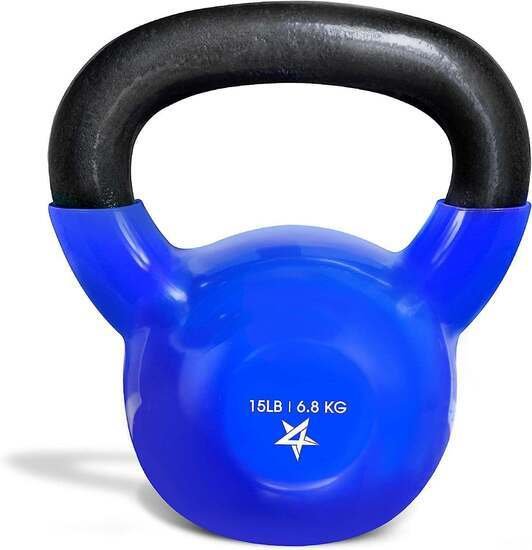
- Weighted Sumo Squats: Hold a kettlebell between legs with toes pointed outward to emphasize inner thighs.
- Single-Leg Romanian Deadlifts: Challenges balance and isolates hamstrings.
Combining Exercises for a Complete Leg Workout
Here’s a sample 45-minute home leg routine using free weights:
| Exercise | Sets | Reps | Rest |
|---|---|---|---|
| Dumbbell Squats | 3 | 12–15 | 60s |
| Dumbbell Lunges | 3 | 12 per leg | 60s |
| Romanian Deadlifts | 3 | 10–12 | 60s |
| Step-Ups | 3 | 12 per leg | 45s |
| Calf Raises | 4 | 15–20 | 30s |
Alternate between exercises with minimal rest to maintain intensity and burn more calories.
Safety Tips for Free Weight Leg Workouts at Home
- Maintain proper form at all times to prevent injuries.
- Start with lighter weights and progress gradually.
- Use a mirror to monitor alignment and posture.
- Warm-up thoroughly before each session and stretch after.
- Keep the floor clear of obstacles to avoid accidents.
Motivational Quote for Leg Training
“Strong legs build a strong foundation, not just for fitness, but for every step you take in life.”
Frequently Asked Questions
Can I build muscle with free weights at home?
Yes. Progressive overload using dumbbells, kettlebells, or household items effectively stimulates muscle growth.
How often should I train legs at home?
Two to three times per week with at least one rest day in between sessions is ideal for recovery.
Do I need a lot of space for free weight leg exercises?
No. Most exercises require only 4–6 feet of floor space and minimal equipment.
Is it safe to use heavy dumbbells at home?
Yes, as long as proper form and gradual progression are maintained.
Important Notes for Readers
Consistency, proper nutrition, and recovery are essential for visible results. Free weight exercises for legs not only enhance aesthetics but also improve mobility, balance, and overall strength. Combining these exercises with a healthy lifestyle ensures long-term benefits and functional fitness.

Leave a Reply