
Enter the full body weight routine. This approach isn’t about doing “less.” It’s about doing what is most effective. By training your entire body in a single session, you maximize hormonal response, increase caloric burn, and ensure no muscle group is left behind.
In this guide, we will break down the most effective full-body strategies, decode the “gym rules” you’ve heard about, and provide a clear roadmap for both home and gym environments.
Table of Contents
Are Full Body Weight Workouts Effective?
Many people believe you must isolate one muscle group per day to see results. Science suggests otherwise. For most people—from beginners to advanced lifters—full-body training is often superior for several reasons:
- Frequency: You hit every muscle group 3 times a week rather than once.
- Recovery: You have full days of rest between sessions, which is when muscle actually grows.
- Flexibility: If you miss a Monday, you haven’t “missed chest day.” You just move your full-body session to Tuesday.
- Metabolic Demand: Moving from a heavy squat to a row requires massive energy, turning your strength session into a fat-burning powerhouse.
“The best routine is the one you can stick to consistently. For the busy professional, full-body training offers the highest return on investment for every minute spent moving.”
Decoding the “Gym Rules”: What Do the Numbers Mean?
If you’ve spent any time researching fitness, you’ve likely encountered various “rules.” These are frameworks designed to simplify complex training variables. Let’s break down the most popular ones.
What is the 5-3-1 Rule?
Created by Jim Wendler, this is a legendary strength programming method. It focuses on four core lifts: Squat, Bench Press, Deadlift, and Overhead Press.
- The Goal: Long-term, steady progress rather than quick fixes.
- The Flow: It uses four-week cycles where you perform sets of 5 reps, then 3 reps, then 1 rep (with increasing weight).
What is the 5 5 5 30 Rule?
This is a time-management rule for fitness.
- 5 Minute Warm-up: Preparing the joints.
- 5 Exercises: Choosing five compound movements.
- 5 Sets: Performing five sets per exercise.
- 30 Minutes: Completing the entire main workout within half an hour.
What is the 3 2 1 Rule in the Gym?
This usually refers to workout structure:
- 3 Minutes of Cardio/Movement: To get the heart rate up.
- 2 Minutes of Strength: Focused, heavy intervals.
- 1 Minute of Core: Targeted abdominal work.
- It can also refer to a nutritional timing rule (3 hours before bed no food, 2 hours no work, 1 hour no screens).
What is the 4 8 12 Rule?
This rule targets different muscle fibers and goals:
- 4 Reps: Focuses on pure power and strength.
- 8 Reps: The “sweet spot” for muscle growth (hypertrophy).
- 12 Reps: Focuses on muscular endurance and “the pump.”
What is the 70/30 Rule?
This is perhaps the most important rule for body composition. It states that 70% of your results come from nutrition, and 30% come from your training. You cannot out-train a poor diet, especially as a professional with a high-stress lifestyle.
Comparing Gym vs. Home Routines
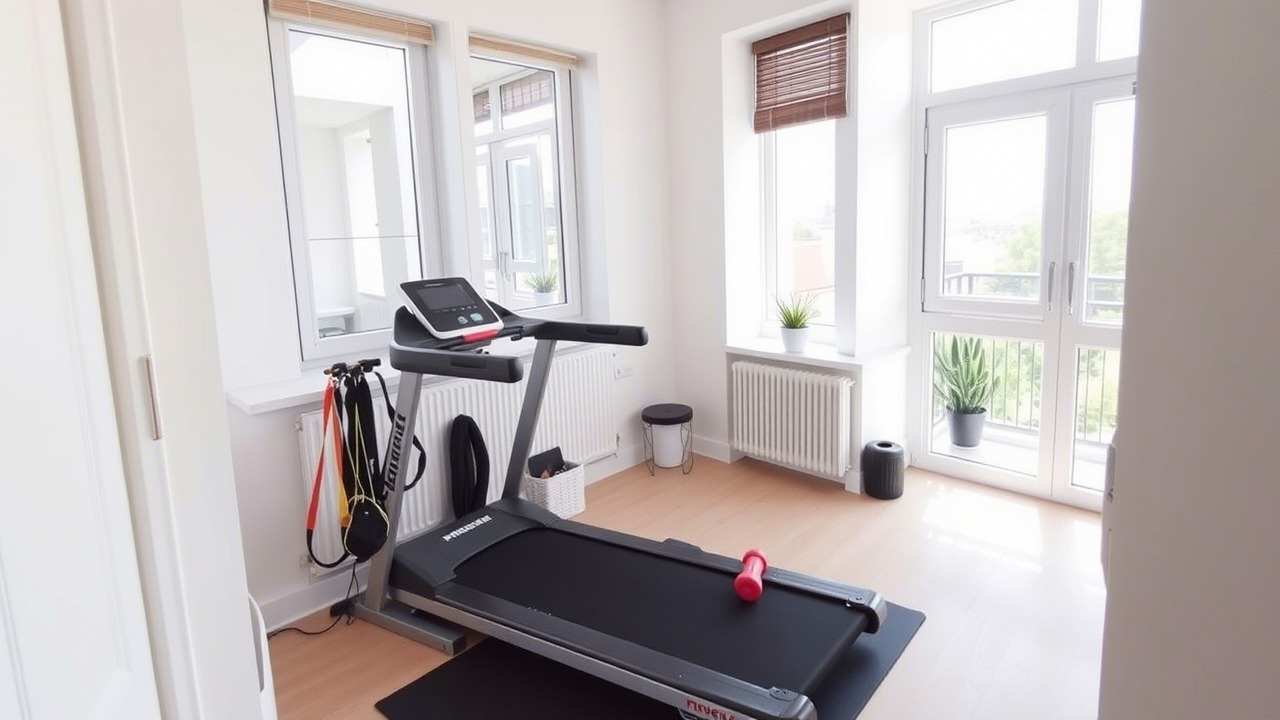
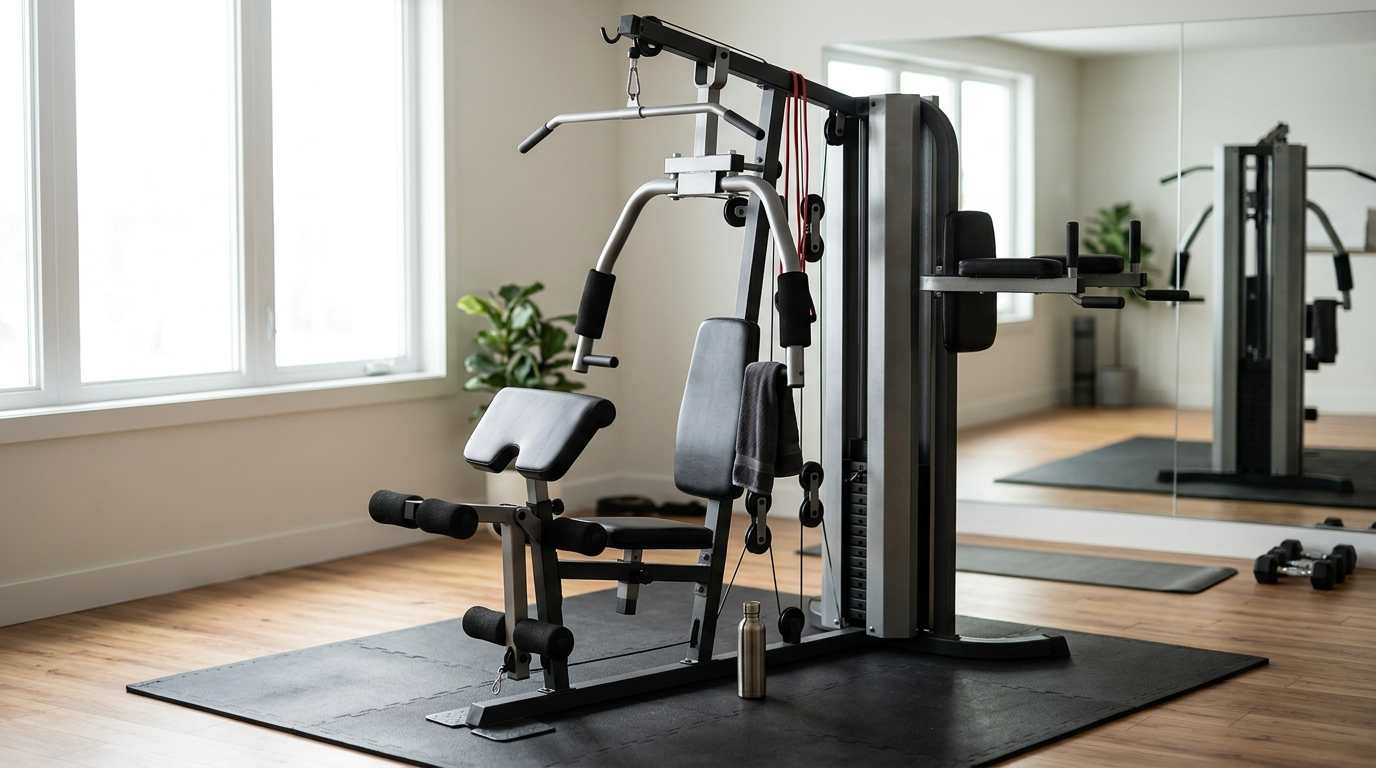
Whether you have a fully equipped home gym or a premium club membership, a full body weight routine is adaptable.
Training Environment Comparison
| Feature | Full Body Workout Gym (Male/Female) | Full Body Workout Routine at Home |
| Equipment | Barbells, Dumbbells, Machines, Cables | Bodyweight, Resistance Bands, Kettlebells |
| Progression | Easy to add weight in small increments | Requires increasing reps or slowing tempo |
| Time Cost | Higher (commute + waiting for racks) | Zero commute, highly efficient |
| Focus | Peak strength and maximum hypertrophy | Functional movement and metabolic health |
| Best For | Building maximum muscle mass | Maintenance, fat loss, and convenience |
The 3-Day Full Body Workout Plan
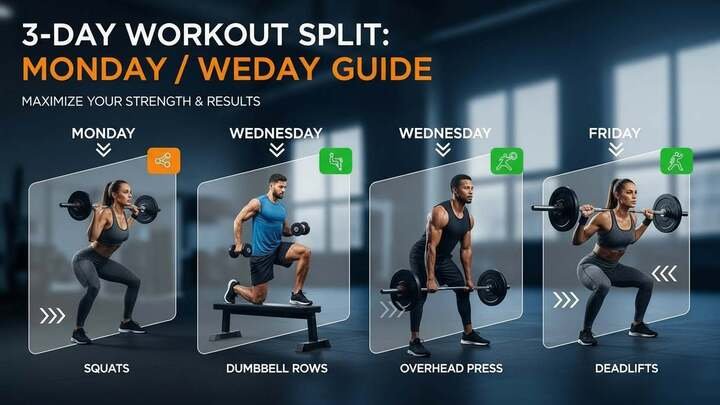
This is the gold standard for efficiency. You train Monday, Wednesday, and Friday, leaving your weekends completely free for family, travel, or hobbies.
The Essential Movements
Every successful full-body session should include:
Monday: The Power Foundation
For your first session, we focus on raw strength.
- Barbell Squats: Start with 3 sets of 8 reps to wake up the lower body.
- Dumbbell Bench Press: Follow up with 3 sets of 10 to build the chest and triceps.
- Bent Over Rows: Complete 3 sets of 12 reps for a strong, stable back.
- Plank Holds: Finish with 2 sets of 60 seconds to engage the core.
Wednesday: Functional Strength
Your second session shifts toward vertical movements.
- Deadlifts: Perform 3 sets of 5 reps. This is the king of all exercises for the posterior chain.
- Overhead Press: Use a barbell or dumbbells for 3 sets of 10 reps to build strong shoulders.
- Pull-ups: Aim for 3 sets to “technical failure” (until your form breaks) for a wide back.
- Walking Lunges: Execute 2 sets of 15 steps per leg to improve balance and leg tone.
Friday: Hypertrophy Finish
The final session of the week focuses on muscle volume and “the pump.”
- Leg Press: Do 3 sets of 12 reps for focused quad work without spinal load.
- Incline Dumbbell Flyes: Target the upper chest and stretch the muscle for 3 sets of 12.
- Lat Pulldowns: Focus on the “squeeze” at the bottom for 3 sets of 10.
- Dips: Use your body weight for 3 sets to cap off the arms and chest before the weekend.
Full Body Workout Gym: Female vs. Male
While the physics of muscle growth are the same, goals often differ slightly based on aesthetic preferences.
Full Body Workout Gym: Female Focus
Most women seeking a “toned” look benefit from a routine that emphasizes the posterior chain (glutes/hamstrings) and shoulders to create a balanced silhouette.
- Key Move: Hip Thrusts.
- Volume: Slightly higher reps (10-15) often work well for recovery.
- Myth: Heavy weights will make you “bulky.” In reality, they provide the metabolic boost needed for a lean physique.
Full Body Workout Gym: Male Focus
Men often prioritize upper body breadth and overall thickness.
- Key Move: Weighted Pull-ups.
- Volume: Focus on the 5-8 rep range for heavy compound lifts to build a foundation of strength.
Are 4 Exercises Enough for Full Body?
Surprisingly, yes. If you are short on time, you can achieve 90% of your results using just four movements. This is often called a “minimalist” routine.
- A Squat Variation (Lower Body)
- A Hinge Variation (Posterior Chain)
- A Push Variation (Chest/Shoulders/Triceps)
- A Pull Variation (Back/Biceps)
If you perform these with high intensity, you don’t need a 20-exercise circuit. Quality always trumps quantity.
What Kills Muscle Gains the Most?
You can have the perfect full body weight routine, but your progress will stall if you fall into these common traps.
- Lack of Sleep: Muscle isn’t built in the gym; it’s built in bed. Aim for 7-9 hours. For the high-level professional, sleep is the ultimate performance-enhancing drug.
- Chronic Stress: High cortisol levels are catabolic (muscle-wasting). Balance your high-pressure job with mobility work or meditation.
- Inconsistent Protein: You need roughly 0.8g to 1g of protein per pound of body weight to repair tissue.
- “Program Hopping”: Changing your routine every week prevents you from mastering movements and applying progressive overload.
Note : Consistency over 12 months beats intensity over 12 days. Pick a plan and stick to it even on the days you don’t feel “motivated.”
How to Use a “Full Body Workout Plan PDF”
Many people download a Full body workout plan PDF or a Full body weight routine PDF and let it sit in their downloads folder. To make it work for you:
- Print it out: Physical tracking leads to better accountability.
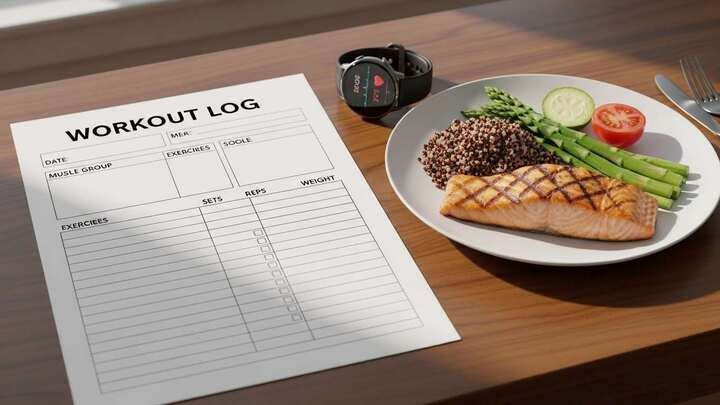
- Log your weights: If you lifted 100 lbs last week, try for 105 lbs this week. This is “progressive overload.”
- Note your energy levels: This helps you identify if your work stress is impacting your physical recovery.
Conclusion: Your Path to an Efficient Physique
Choosing a full body weight routine is a declaration that you value your time and your health equally. Whether you are using the 5-3-1 rule to build raw strength or the 5 5 5 30 rule to stay fit during a busy work week, the key is the compound movement.
Focus on the big lifts, respect the 70/30 rule of nutrition, and avoid the gain-killers like lack of sleep and chronic stress. By training your whole body as a single unit, you develop a physique that isn’t just for show—it’s built for performance.
Essential Takeaways:
- Full body training is ideal for 3-day-a-week schedules.
- Compound movements (Squats, Deadlifts, Presses) provide the most “bang for your buck.”
- The 70/30 rule reminds us that the kitchen is as important as the gym.
- Recovery is where the actual transformation happens.
Suggested reads: Free Weight Workout Routines to Build Muscle
Frequently Asked Questions
How long should a full body weight routine take?
Between 45 and 75 minutes, depending on your rest periods and warm-up.
Can I do a full body routine every day?
No. Your muscles need at least 48 hours to recover. Training the same muscles every day leads to burnout and injury.
Is a full body workout routine at home as good as the gym?
It is excellent for fat loss and general health. However, for maximum muscle size, the heavy resistance available at a gym is usually necessary.
What is the best full-body workout routine?
The one that includes a squat, a hinge, a push, and a pull, performed 3 times a week with progressive intensity.