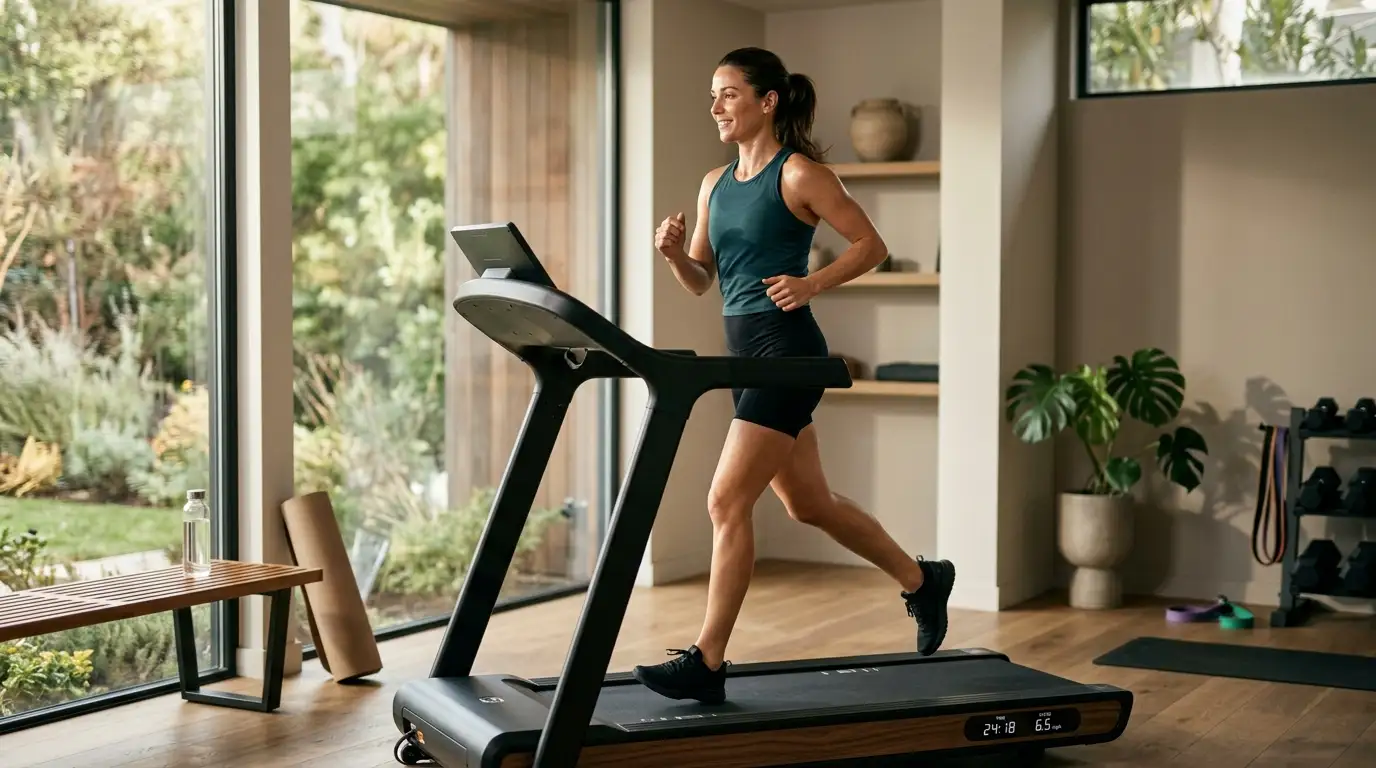
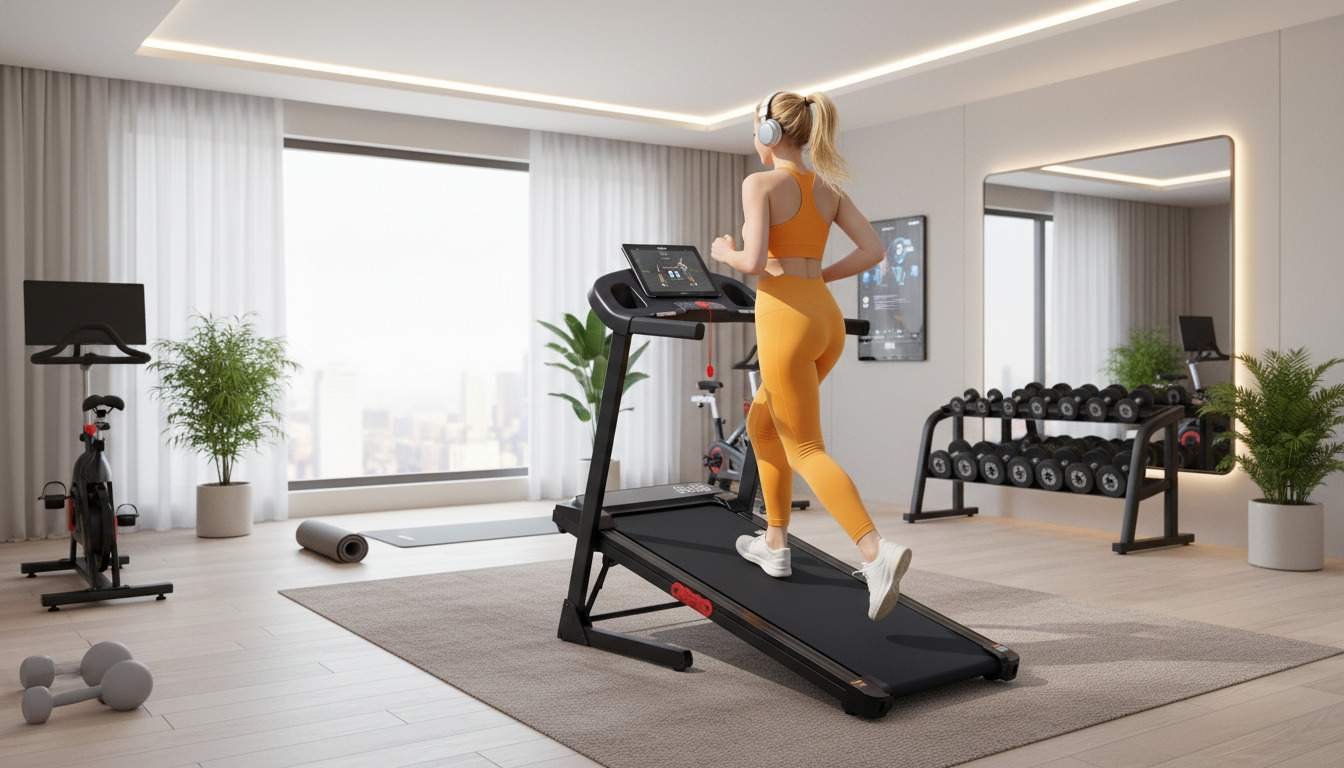

Finding space for exercise equipment in today’s homes feels like solving a puzzle. You want the full gym experience, but your spare bedroom doubles as an office, and your living room can’t accommodate a massive treadmill. That’s exactly where fold away treadmills with incline come into play.
These smart machines give you serious workout capabilities without permanently claiming your floor space. The incline feature means you’re not compromising on training quality just because you need something compact. You get hill training, calorie burning power, and the ability to tuck everything away when guests arrive.
Table of Contents
What Makes a Fold Away Treadmill with Incline Different?
A fold away treadmill with incline combines three essential features into one package. First, it folds vertically or horizontally to reduce its footprint dramatically. Second, it includes an adjustable incline system that tilts the running deck upward. Third, it maintains enough stability and power to handle regular training sessions.
Traditional treadmills stay in one spot permanently. They’re heavy, bulky, and demand dedicated space. Fold away models use hydraulic lifts, gas shocks, or manual folding mechanisms to stand upright against a wall or fold flat for under-bed storage.
The incline component adds a vertical challenge to your walking or running. Most fold away models offer somewhere between 0 and 12 percent incline, though premium versions push up to 15 percent. This range mimics outdoor terrain and significantly increases workout intensity without requiring faster speeds.
Why the Incline Feature Actually Matters
Walking on a flat surface burns calories, but adding incline transforms the entire exercise equation. A 5 percent incline increases calorie burn by roughly 50 percent compared to flat walking at the same speed. Your body recruits different muscle groups, particularly targeting glutes, hamstrings, and calves.
The incline also reduces impact on your joints. Walking uphill at 3 miles per hour often burns more calories than running at 5 miles per hour on a flat surface, but with considerably less pounding on your knees and ankles. For anyone dealing with joint concerns or recovering from injury, this matters enormously.
Beyond physical benefits, incline training adds variety. You can simulate mountain hiking, create interval programs that alternate between steep and flat sections, or simply make a 20-minute walk feel more challenging without cranking up the speed to uncomfortable levels.
Space Requirements: What You Actually Need
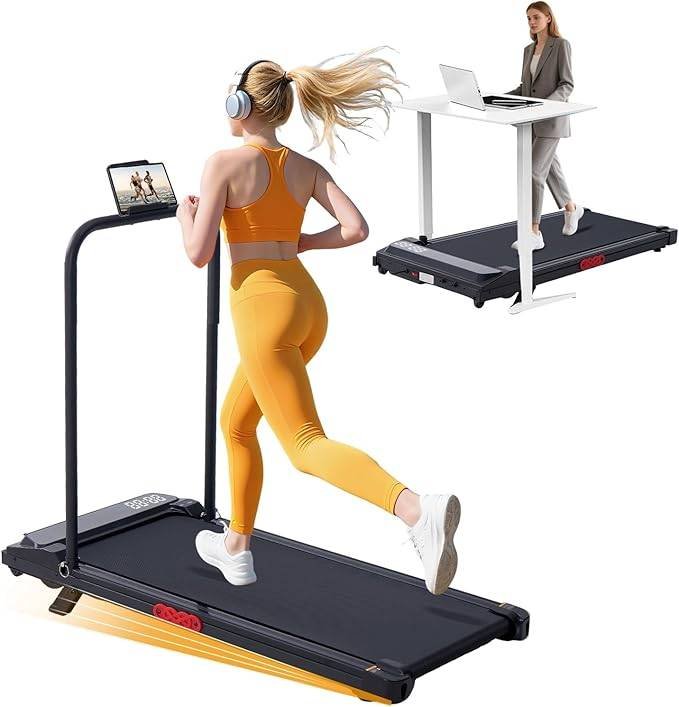
Before diving into specific models, let’s talk real numbers. A typical fold away treadmill measures about 60 to 70 inches long and 30 to 35 inches wide when set up for use. When folded, the footprint shrinks to roughly 30 to 40 inches long, 30 to 35 inches wide, and 60 to 70 inches tall.
You need workout space that accommodates the full dimensions plus clearance. Plan for at least 6 feet by 4 feet of floor space when exercising. Behind the treadmill, leave another 3 to 4 feet of safety clearance in case you need to step off quickly.
Storage space requires different considerations. Folded treadmills typically rest against a wall, so you need enough ceiling height and wall space. Most folded units stand about 5.5 to 6 feet tall. Make sure no light fixtures, shelves, or wall decorations interfere.
Some models fold completely flat instead of standing upright. These work well for sliding under beds or storing in closets, but they’re less common and often sacrifice some incline capability or motor power.
Key Features to Look For
Motor Power
Motor strength determines what your treadmill can actually do. Continuous duty horsepower (CHP) measures the sustained power output, which matters more than peak horsepower marketing claims.
For walking, you need at least 2.0 CHP. For jogging, aim for 2.5 to 3.0 CHP. Serious runners should target 3.0 CHP or higher. Under-powered motors struggle with incline settings, wear out faster, and create frustrating lag when you adjust speed.
Running Belt Size
The belt is your actual workout surface. Length matters more for runners, while width affects everyone’s comfort and safety.
Minimum comfortable dimensions are 50 inches long by 18 inches wide for walking. Joggers need at least 55 inches by 20 inches. Runners should insist on 60 inches by 22 inches or larger. Taller individuals or those with longer strides need the upper end of these ranges.
Narrower belts feel constraining and increase the risk of accidentally stepping off the side. Shorter belts limit your natural gait and force you to consciously shorten your stride.
Incline Range and Adjustment
Most fold away treadmills offer 0 to 10 or 0 to 12 percent incline. This range handles most training needs effectively. The 10 to 12 percent level simulates steep hill climbing and provides excellent glute and hamstring activation.
Adjustment methods vary. Manual incline requires you to stop, get off, and physically adjust the deck angle using pins or knobs. Automatic incline uses motors to change the angle with button presses while you keep walking or running.
Automatic incline costs more but dramatically improves workout quality. You can do interval training that alternates steep and flat sections without interrupting your rhythm. Manual adjustment works fine if you plan to set one incline level and stick with it for the entire session.
Weight Capacity
Manufacturers list maximum user weight for every treadmill. This isn’t just a suggestion. Exceeding weight limits damages the motor, deck, and frame. It also creates safety risks if components fail during use.
Look for treadmills rated at least 50 pounds above your current weight. This buffer accounts for the impact forces generated while running or walking and provides some longevity for the machine.
Standard weight capacities range from 250 to 350 pounds. Heavy-duty models reach 400 pounds or more, though these tend to be larger and less compact when folded.
Understanding Build Quality Differences
Not all fold away treadmills match up in durability. The folding mechanism itself introduces potential weak points that don’t exist in non-folding models.
Frame Construction
Steel frames provide the best stability and longevity. Look for welded steel construction rather than bolted-together frames. Welded connections don’t loosen over time from vibration and impact.
Frame thickness matters too. Commercial-grade treadmills use heavier gauge steel than budget residential models. You can usually tell the difference by weight. A solidly built fold away treadmill weighs 150 to 250 pounds. Models under 100 pounds often feel flimsy and unstable during use.
Deck and Belt Materials
The deck is the board underneath the belt. Multi-ply decks with cushioning systems reduce impact better than single-layer decks. Some manufacturers use reversible decks that you can flip when one side wears out, effectively doubling the deck lifespan.
Belt material affects both comfort and durability. Quality belts use multiple layers with different properties. The bottom layer resists friction and heat. The middle layer provides cushioning. The top layer offers traction and withstands foot traffic.
Folding Mechanism Quality
The folding system experiences tremendous stress. Every time you fold or unfold the treadmill, components flex and bear the machine’s full weight.
Hydraulic systems use fluid-filled cylinders to assist with lifting and lowering. These provide smooth, controlled motion and prevent the deck from slamming down. Gas shocks work similarly but use compressed gas instead of hydraulic fluid.
Some budget models use basic spring-loaded mechanisms or require manual lifting and lowering with no assistance. These work but demand more physical effort and create higher risk of the deck dropping unexpectedly.
Realistic Price Ranges and What You Get
Fold away treadmills with incline span a wide price spectrum. Understanding what each tier offers helps you make informed decisions without overspending or buying inadequate equipment.
| Price Range | Motor Power | Incline | Belt Size | Build Quality | Best For |
|---|---|---|---|---|---|
| $300-$600 | 1.5-2.0 CHP | Manual, 0-10% | 45-50″ x 16-18″ | Basic steel frame, simple folding | Light walking, occasional use |
| $600-$1,200 | 2.0-2.5 CHP | Auto/Manual, 0-12% | 50-55″ x 18-20″ | Welded frame, hydraulic assist | Regular walking, light jogging |
| $1,200-$2,000 | 2.5-3.0 CHP | Automatic, 0-12% | 55-60″ x 20-22″ | Heavy-duty frame, advanced cushioning | Daily jogging, serious training |
| $2,000+ | 3.0+ CHP | Automatic, 0-15% | 60″+ x 22″ | Commercial-grade, premium features | Running, intense training |
Budget models under $600 work for casual walking but struggle with regular jogging or running. Motors overheat, belts wear quickly, and frames develop wobbles. If you plan to use the treadmill three or more times weekly, invest in the mid-range tier minimum.
The $600 to $1,200 range offers the sweet spot for most home users. You get reliable motors, automatic incline adjustment, decent running surfaces, and folding mechanisms that last years rather than months.
Premium models above $2,000 approach commercial gym quality in smaller footprints. These justify their cost for serious runners or households where multiple people use the treadmill daily.
Top Features That Actually Improve Your Experience
Marketing departments love adding features that sound impressive but add little real value. Focus on these genuinely useful capabilities instead.
Cushioning Systems
Quality cushioning reduces impact on your joints by up to 40 percent compared to road running. Systems with variable stiffness let you adjust cushioning based on whether you’re walking, jogging, or running.
Multiple cushioning zones work better than uniform cushioning. The front of the belt where you land needs more give than the rear where you push off.
Bluetooth Connectivity and Apps
Connecting your treadmill to fitness apps adds training variety and motivation. Compatible apps like iFit, Zwift, or Peloton provide guided workouts, virtual routes, and automatic speed and incline adjustments.
Some treadmills include free app subscriptions for a period after purchase. Others require ongoing monthly fees. Factor these costs into your total investment.
Heart Rate Monitoring
Grip sensors on the handlebars provide basic heart rate data but require you to hold specific positions. Wireless chest straps or wrist monitors offer more accurate continuous tracking.
Heart rate training optimizes fat burning and cardiovascular improvement. The treadmill can automatically adjust intensity to keep you in target heart rate zones.
Quick Speed and Incline Controls
Dedicated buttons for common speeds (3.0, 4.0, 5.0 mph) and incline levels (3%, 6%, 9%) beat scrolling through digital menus. During intervals or when you need to slow down quickly, one-touch controls matter.
Some treadmills place these controls on the handlebars for easier access while moving. Others only offer them on the main console, forcing you to reach forward while running.
Safety Considerations You Shouldn’t Ignore
Treadmills create legitimate injury risks when used carelessly or when safety features fail. Understanding these hazards helps you choose safer equipment and use it properly.
Emergency Stop Features
Every treadmill needs a safety clip that attaches to your clothing. If you fall or step off unexpectedly, the clip pulls out and immediately stops the belt. Some models use magnetic keys instead of clips, but the function remains the same.
Always use this safety feature. Falls on moving treadmill belts cause serious friction burns and injuries. The emergency stop prevents the belt from continuing to move while you’re down.
Side Rails and Stability
Wide, stable side rails give you secure places to step when starting, stopping, or taking brief breaks. Rails should be at least 3 to 4 inches wide and run the full length of the belt.
The entire treadmill should feel rock-solid during use. Any wobbling, shaking, or shifting indicates problems with the frame, leveling feet, or assembly. Don’t ignore these warning signs.
Folding Safety
The folding mechanism should lock securely in both the up and down positions. Test this before each use. A deck that collapses unexpectedly during your workout can cause serious injury.
Hydraulic and gas shock systems should lower the deck slowly and controllably. If your treadmill drops quickly when you release it, the assist system may be failing or may not exist at all.
Assembly and Maintenance Reality Check
Most fold away treadmills arrive partially assembled. You’ll typically need to attach the console, handlebars, and possibly the upright posts. Expect 1 to 3 hours for assembly depending on your mechanical skills and the model’s complexity.
Clear instructions make enormous differences. Look for models with good assembly videos available online. Some manufacturers offer phone support if you get stuck.
Regular Maintenance Tasks
Treadmills need ongoing care to maintain performance and safety:
Weekly tasks:
- Wipe down the belt and deck with a dry cloth to remove dust and debris
- Check that all bolts and screws remain tight
- Clean the motor cover vents
Monthly tasks:
- Vacuum underneath and around the treadmill
- Inspect the belt for wear, fraying, or damage
- Test all console functions
- Verify the folding mechanism operates smoothly
Every 3-6 months:
- Lubricate the belt and deck according to manufacturer specifications
- Check belt tension and alignment
- Inspect all cables and wiring
Belt lubrication matters more than many people realize. Friction between the belt and deck generates heat and wear. Most manufacturers recommend silicone-based lubricants applied every 40 to 60 hours of use.
Some newer treadmills use pre-lubricated belts or maintenance-free systems. These cost more initially but save time and hassle.
Common Problems and How to Avoid Them
Even quality treadmills develop issues over time. Recognizing early warning signs prevents small problems from becoming expensive failures.
Belt Slipping or Hesitation
If the belt skips or hesitates when you step on it, several issues could be responsible. The belt might need tightening, lubrication might be insufficient, or the motor could be struggling.
Tighten the belt if you can lift it more than 3 inches off the deck in the center. Apply lubricant if you hear squeaking or feel increased friction. If problems persist, motor issues may require professional repair.
Unusual Noises
Loud thumping often indicates the belt is too loose or unevenly worn. Grinding sounds suggest bearing problems. High-pitched squealing usually means the belt needs lubrication.
Address noises immediately. What starts as minor irritation can quickly progress to component damage requiring expensive repairs.
Console Errors
Electronic glitches sometimes result from loose cable connections rather than actual component failures. Before panicking about expensive console replacements, check that all cables are fully seated in their connections.
Power surges can damage electronics. Use a surge protector to safeguard your investment.
Making the Right Choice for Your Situation
Your ideal fold away treadmill with incline depends on several personal factors. Walking through these questions helps narrow options:
How often will you use it? Daily use demands higher quality than occasional walking sessions. Motors, belts, and frames wear faster with frequent use.
What type of workouts do you prefer? Walking requires less power and belt size than running. Interval training benefits from automatic incline and quick speed controls. Long steady-state sessions need entertainment options and comfort features.
Who else will use it? Multiple users with different heights, weights, and fitness levels need adjustable features and higher weight capacities. Shared equipment experiences more wear.
What’s your space situation? Measure your available space carefully. Consider both workout area and storage location. Account for ceiling height, wall clearances, and doorway dimensions if you need to move the treadmill between rooms.
What’s your honest budget? Include the purchase price plus any ongoing costs like app subscriptions, extended warranties, or anticipated maintenance. Don’t forget delivery and assembly fees if you’re not handling these yourself.
Smart Shopping Tips
Read Reviews Carefully
Look for patterns in customer reviews rather than focusing on individual complaints. Every product gets some negative reviews, but consistent mentions of the same issues signal real problems.
Pay attention to verified purchase reviews from people who’ve owned the treadmill for several months or years. Early reviews often miss durability problems that only appear with extended use.
Check Warranty Coverage
Solid warranties indicate manufacturer confidence in their products. Typical warranties include:
- Frame: Lifetime to 10 years
- Motor: 10 years to 1 year
- Parts: 1-3 years
- Labor: 1 year
Lifetime frame warranties don’t mean much if the motor only lasts one year. Focus on motor coverage for the best overall protection.
Consider Delivery and Setup
Treadmills are heavy, bulky, and awkward. Professional delivery and setup remove considerable stress and reduce damage risks. Many retailers offer white glove service that includes delivery, assembly, and box removal.
If you’re handling delivery yourself, you’ll need help. Plan on at least two strong adults, and consider three for larger models. Rent or borrow a truck that can accommodate the boxed treadmill lying flat.
Test Before Buying When Possible
Specifications tell you about a treadmill’s capabilities, but actually using it reveals the experience. If possible, try the exact model at a showroom or gym before purchasing.
Pay attention to noise levels, vibration, console usability, and overall feel. What seems fine for five minutes might become annoying during regular 30 to 45-minute workouts.
Setting Up Your Space Properly
Creating a dedicated treadmill area improves your consistency and protects your home.
Flooring Protection
Treadmills are heavy and generate vibration. Place a rubber mat underneath to protect flooring, reduce noise transmission, and prevent the machine from shifting during use.
Equipment mats designed for treadmills measure about 3 feet by 7 feet and cost between $50 and $150. They’re worth every penny for protecting hardwood or carpet and reducing noise for downstairs neighbors or family members.
Ventilation and Temperature
Motors generate heat, and you’ll generate more during workouts. Ensure adequate airflow around the treadmill. Don’t position it in closed closets or tight corners where air can’t circulate.
Cool environments feel more comfortable during exercise. If possible, set up your treadmill in a well-ventilated room or near a window.
Entertainment and Motivation
Most people find treadmill workouts more enjoyable with distractions. Position your machine where you can watch TV, face a window with a view, or set up a tablet holder for streaming content.
Some prefer music, podcasts, or audiobooks. Make sure power outlets accommodate both the treadmill and any entertainment devices you’ll use.
The Environmental Angle Nobody Talks About
Treadmills consume electricity every time you use them. Motors draw between 600 and 1,500 watts during operation. That translates to roughly $0.08 to $0.20 per hour of use at average electricity rates.
Running or walking outdoors costs nothing and provides fresh air, natural terrain, and changing scenery. Treadmills offer convenience, climate control, and safety from traffic or weather, but they’re not environmentally free.
If environmental impact concerns you, look for energy-efficient models with good power management. Some treadmills enter low-power modes when not in use instead of drawing constant standby power.
Realistic Expectations for Results
Owning a fold away treadmill with incline doesn’t automatically create fitness results. The machine provides opportunity, but you still need consistency, appropriate intensity, and patience.
Walking 30 minutes daily at a moderate pace with some incline burns roughly 150 to 250 calories depending on your weight and speed. Over time, this creates meaningful calorie deficits if your eating remains consistent.
The incline feature specifically targets lower body muscles. You’ll likely notice glute and calf definition improvements within 6 to 8 weeks of regular incline walking. Cardiovascular improvements appear even sooner, often within 2 to 3 weeks.
Don’t expect dramatic overnight transformations. Sustainable fitness develops through regular effort over months and years, not days and weeks.
Final Thoughts on Making This Investment Work
A fold away treadmill with incline represents a significant investment in your health and convenience. The right model should serve you well for 5 to 10 years or more with proper maintenance and reasonable use.
This equipment works best for people who genuinely prefer indoor exercise or whose schedules and climates make outdoor activity inconsistent. If you love outdoor running in all weather and have safe routes available, a treadmill might sit unused more than you expect.
The folding feature provides real value if space limitations otherwise prevent treadmill ownership. If you have room for a non-folding model, those typically offer superior stability and durability since they don’t include the folding mechanism’s moving parts and potential weak points.
Incline capability transforms treadmill workouts from monotonous to challenging and varied. This single feature might make the difference between using your treadmill regularly or letting it become an expensive clothes rack.
Take time to research thoroughly, understand your real needs versus wants, and buy the best quality your budget allows. A mid-range model that gets used five times weekly provides infinitely more value than a premium machine that sits folded against the wall gathering dust.
Important Notes for Readers:
✓ Always consult with your doctor before starting any new exercise program, especially if you have existing health conditions or injuries.
✓ Start with conservative incline settings and speeds, gradually increasing intensity as your fitness improves.
✓ Budget models under $600 are suitable for light use only. Regular users should invest in the $800+ range minimum.
✓ Factor in ongoing costs including electricity, maintenance supplies, potential repairs, and app subscriptions when calculating total ownership cost.
✓ Professional assembly may cost $100-$200 but prevents common setup mistakes that void warranties or create safety issues.
✓ Extended warranties often make sense for treadmills since repairs can exceed $200-$500 for motor or electronic component issues.
The right fold away treadmill with incline brings the gym experience home without permanently sacrificing living space. Choose wisely, use it consistently, and maintain it properly for years of reliable service.