
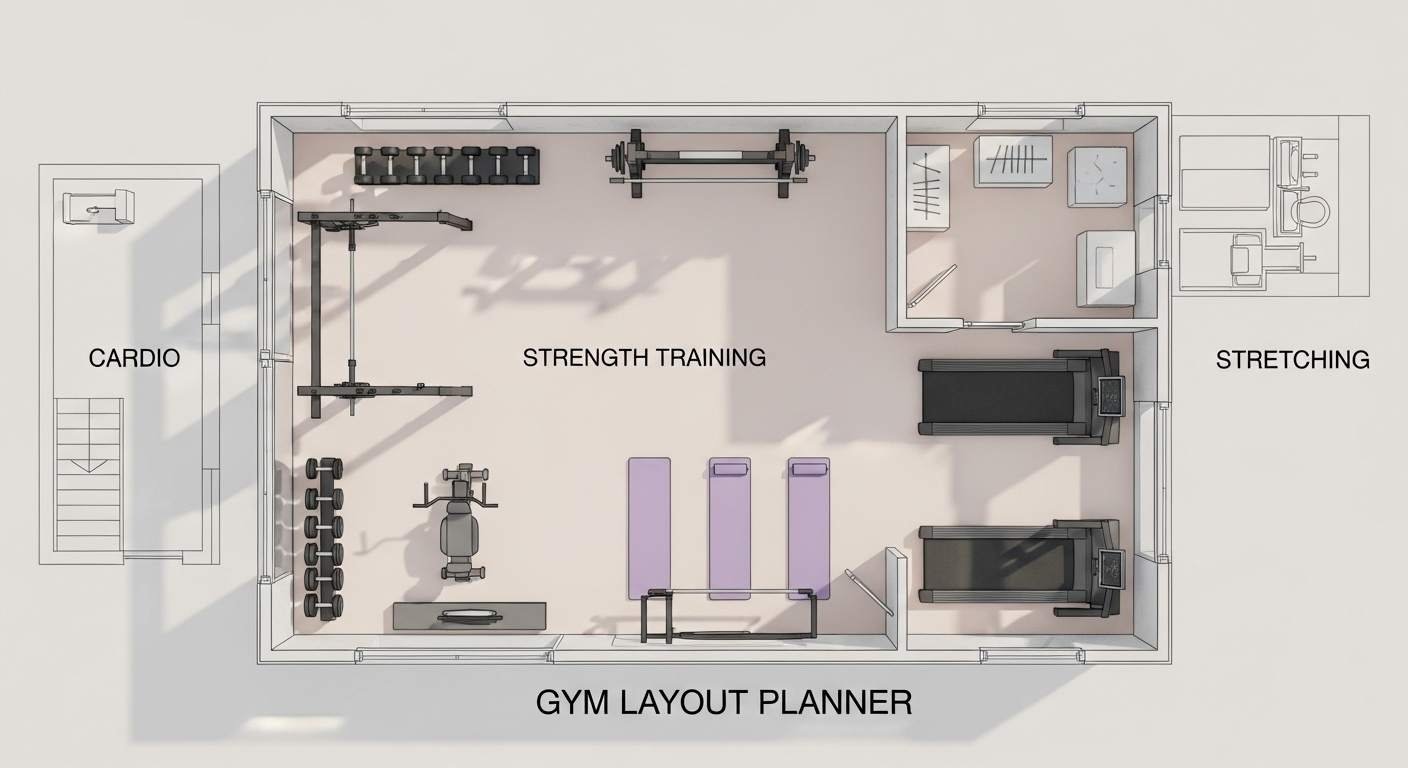

A home gym layout planner is especially important when working with limited space such as bedrooms, garages, or small apartments. Proper planning ensures every piece of equipment is placed efficiently without overcrowding the room.
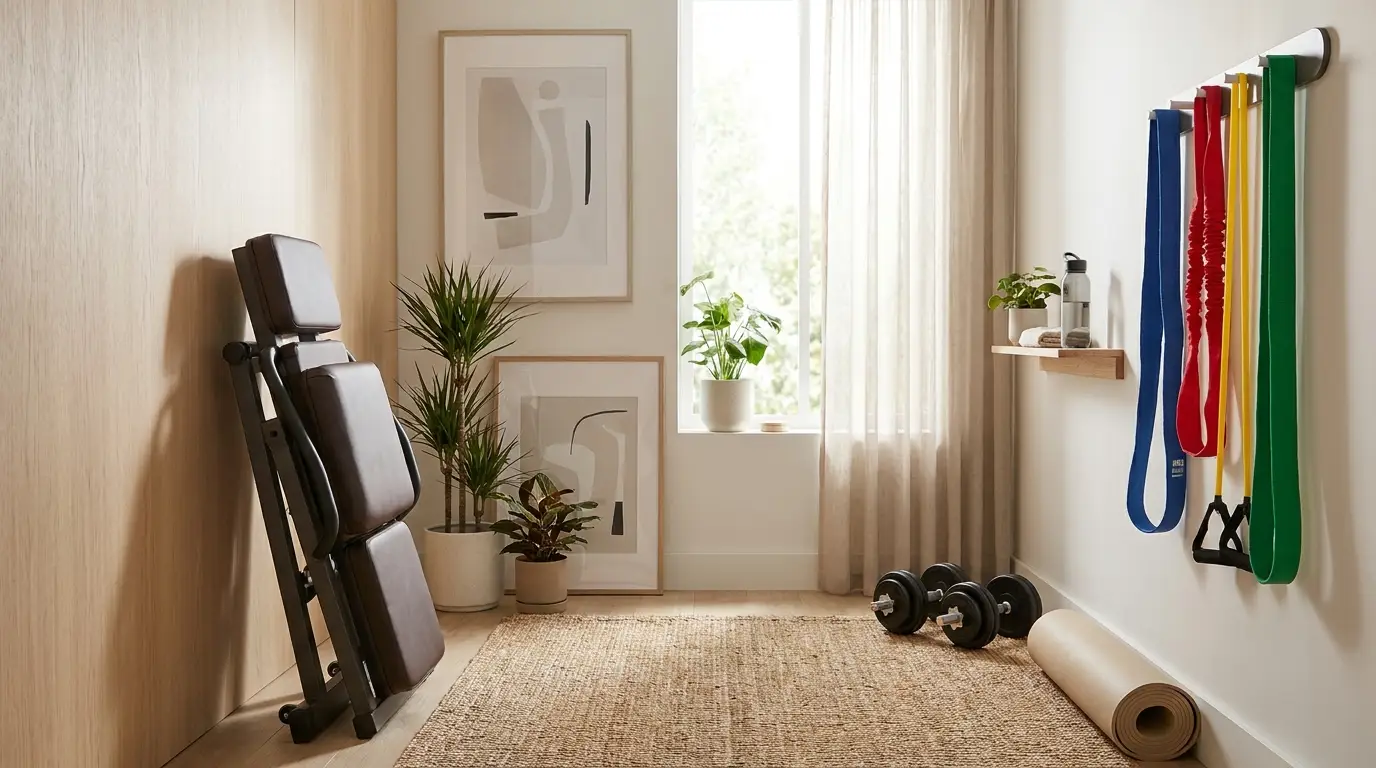
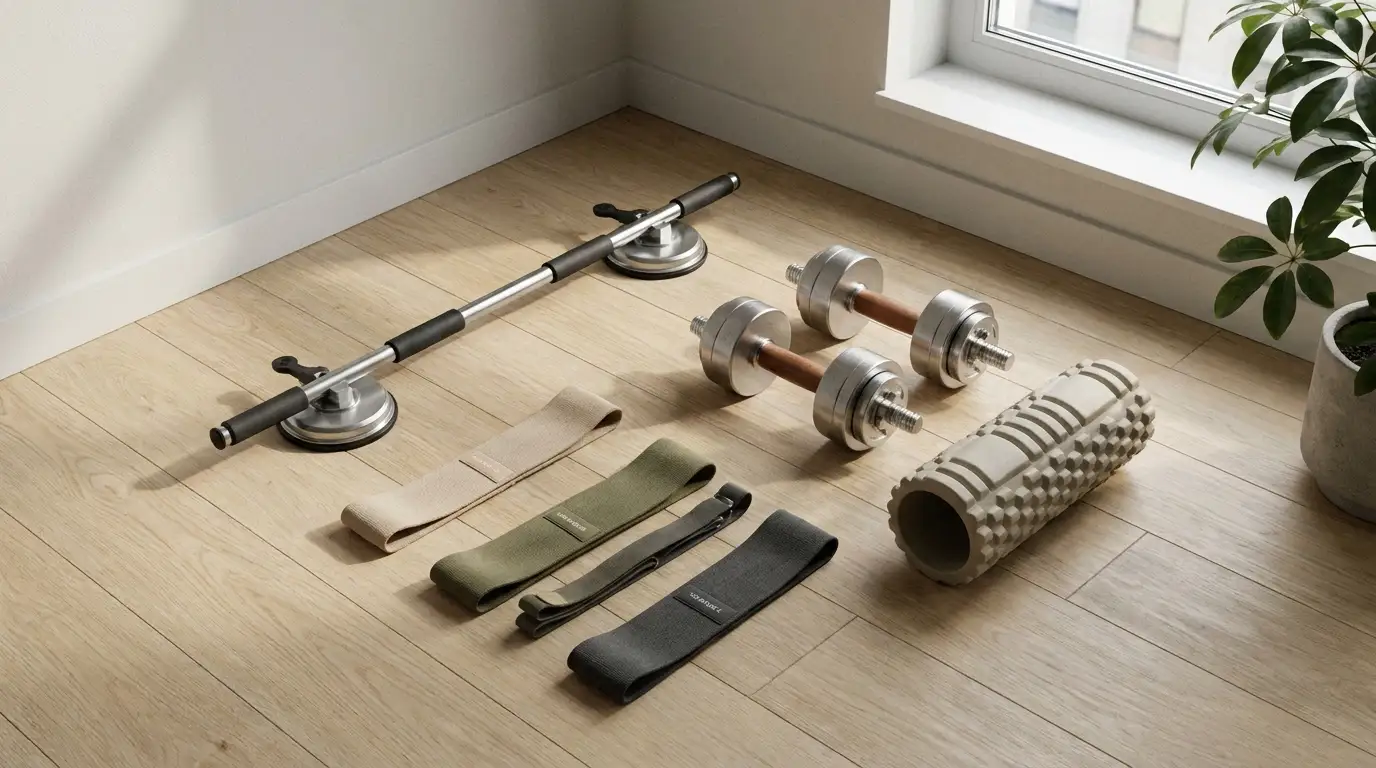
If you are working with tight space, a small home gym layout becomes even more essential. It focuses on compact, multi-functional equipment and smart positioning to maximize usability without sacrificing comfort or safety.
Table of Contents
What Is a Gym Layout Planner?
A gym layout planner is a system used to map out where each piece of fitness equipment will be placed before installation.
It allows you to:
- Visualize your gym before building it
- Avoid wasted space
- Ensure proper spacing between equipment
- Organize workout zones efficiently
In simple terms, it is like a blueprint for your gym setup.
Why You Need a Gym Layout Planner
Using a layout planner is important because gym space is often expensive and limited.
1. Prevents Poor Equipment Placement


Without planning, equipment can be placed too close together, making workouts uncomfortable and unsafe.
2. Maximizes Every Square Meter


A gym layout planner helps you use even small spaces effectively by organizing equipment in a structured way.
3. Improves Workout Flow
A well-planned layout ensures users can move smoothly between exercises without unnecessary walking or congestion.
4. Helps You Save Money
By planning in advance, you avoid buying unnecessary equipment or rearranging everything later.
Types of Gym Layout Planning
1. Home Gym Layout Planner


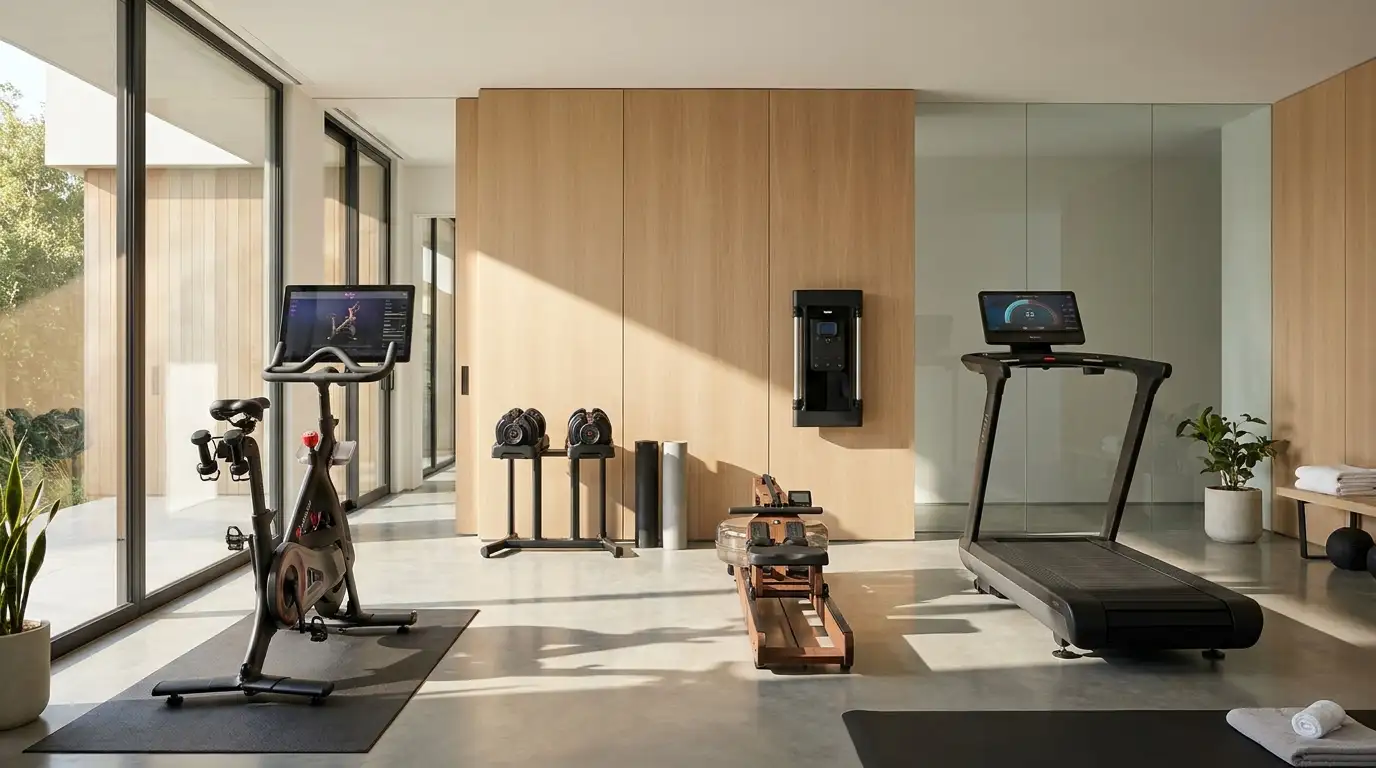
A home layout planner focuses on small or medium spaces like bedrooms, garages, or basements.
It usually includes:
- Dumbbell area
- Bench zone
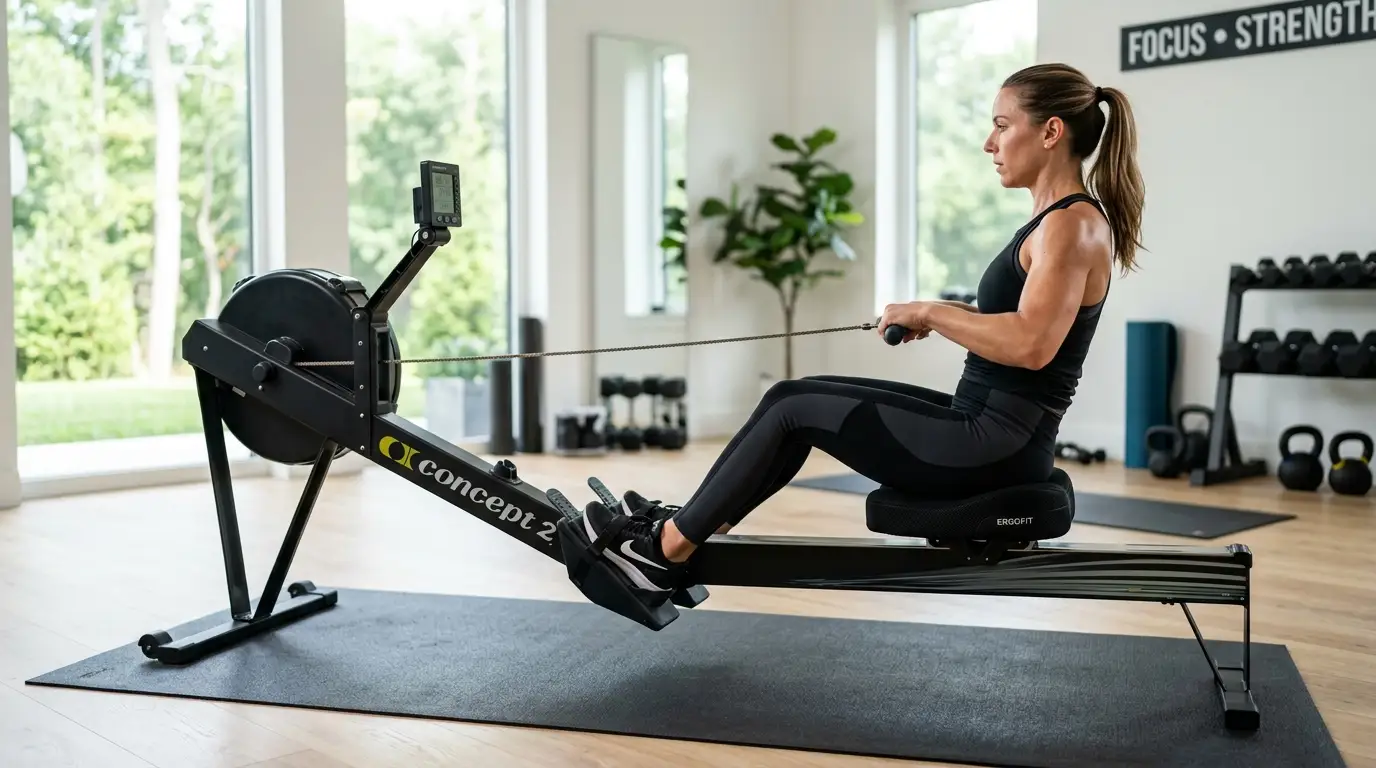
- Cardio corner
- Stretching space
2. Commercial Gym Layout Planner


This is used for professional gyms and fitness centers.
It divides the space into:
- Cardio section
- Strength training area
- Free weights zone
- Functional training space
How to Use a Gym Layout Planner (Step-by-Step)
Step 1: Measure Your Space
Start by measuring:
- Room length
- Room width
- Ceiling height
- Door and window positions
Accurate measurements are the foundation of a good layout.
Step 2: Choose Your Equipment
List all equipment you plan to include:
- Treadmill or bike
- Dumbbells
- Bench
- Squat rack
- Machines
This helps you understand space requirements.
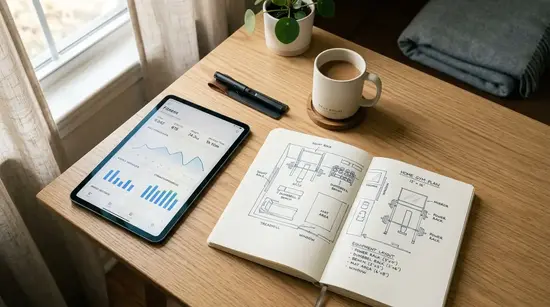
Step 3: Draw a Basic Layout
A layout planner can be:
- A paper sketch
- A digital tool
- A 3D design software
Place equipment blocks according to size.
Step 4: Divide Into Zones
Organize your gym into clear sections:
- Cardio zone
- Strength zone
- Stretching zone
- Storage area
This improves efficiency and movement flow.
Step 5: Adjust for Movement Space
Always leave enough space between machines for safe movement and exercise execution.
Common Mistakes in Gym Layout Planning
❌ Ignoring Space Between Equipment
This leads to cramped and unsafe training areas.
❌ Overloading the Room
Too much equipment reduces usability.
❌ No Storage Planning
Weights and accessories need dedicated storage zones.
❌ Poor Planning Before Buying Equipment
Always design first, then purchase.
Tools You Can Use
You don’t need advanced skills. You can use:
- SketchUp (for 3D layouts)
- Room planning apps
- Online gym layout planner tools
- Canva floor plan templates
Benefits of Using a Gym Layout Planner
- Saves space
- Improves safety
- Enhances workout experience
- Reduces cost mistakes
- Creates professional-looking gyms
Conclusion
A gym layout planner is essential for anyone building a gym, whether at home or professionally. It helps you organize equipment, maximize space, and create a safe and efficient training environment.
Instead of guessing, planning your gym layout in advance ensures better results, better workouts, and better use of your investment.
Frequently Asked Questions (FAQ)
What is a gym layout planner?
A gym layout planner is a tool or plan used to organize fitness equipment placement to maximize space, safety, and workout efficiency.
Why do I need a gym layout planner?
It helps prevent overcrowding, improves workout flow, saves money, and ensures your gym space is used effectively.
Can I use a gym layout planner for a small home gym?
Yes, it is especially useful for small spaces like bedrooms, garages, or apartments to optimize every square meter.
What should I include in a home gym layout?
Common zones include cardio equipment, strength training area, stretching space, and storage for accessories.
What are common mistakes in gym layout planning?
Ignoring spacing, overloading the room, poor storage planning, and buying equipment before designing the layout.
What tools can I use to design a gym layout?
You can use SketchUp, room planner apps, Canva templates, or online gym layout planning tools.
Is a gym layout planner worth it?
Yes, it improves safety, saves space, reduces costs, and helps create a more functional and professional workout environment.


Leave a Reply