
Building strong, balanced legs requires smart resistance choices. We focus on exercise weights for legs that deliver results without hype. This guide speaks to discerning readers who value quality, efficiency, and longevity in their training tools. We cover what matters, how to choose, and how to use weights effectively at home or in a private gym.
Table of Contents
Understanding Leg Training Needs
Legs handle large loads and repetitive motion. The right resistance supports compound moves, protects joints, and allows progression. Poor choices stall progress or invite discomfort. Our approach centers on versatility, comfort, and measurable progression.
Important note for readers
Choose resistance that matches your current capacity and allows steady increases. Consistency beats intensity spikes.
Types of Exercise Weights for Legs
Dumbbells
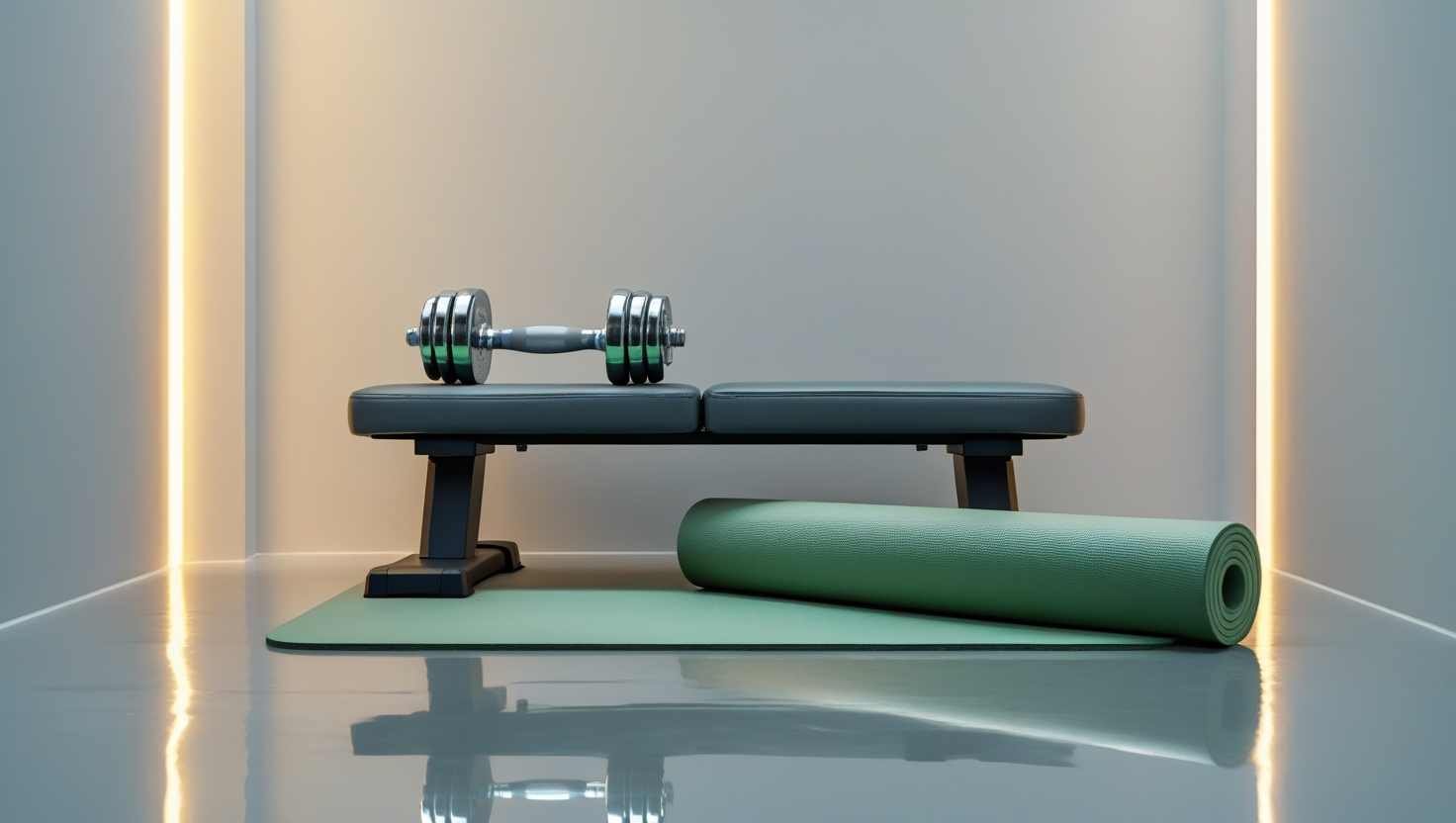
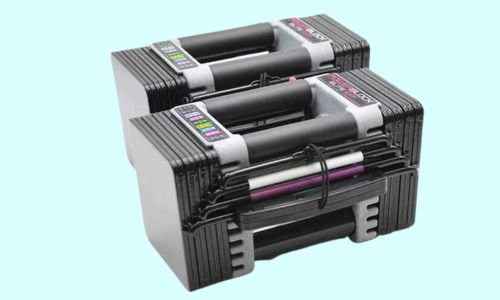
Dumbbells offer flexibility for squats, lunges, step-ups, and split squats. Adjustable sets save space and budget while allowing progression.
Pros
- Flexible movement patterns
- Easy to store
- Suitable for unilateral training
Cons
- Grip fatigue may limit heavy leg work
Barbells and Plates
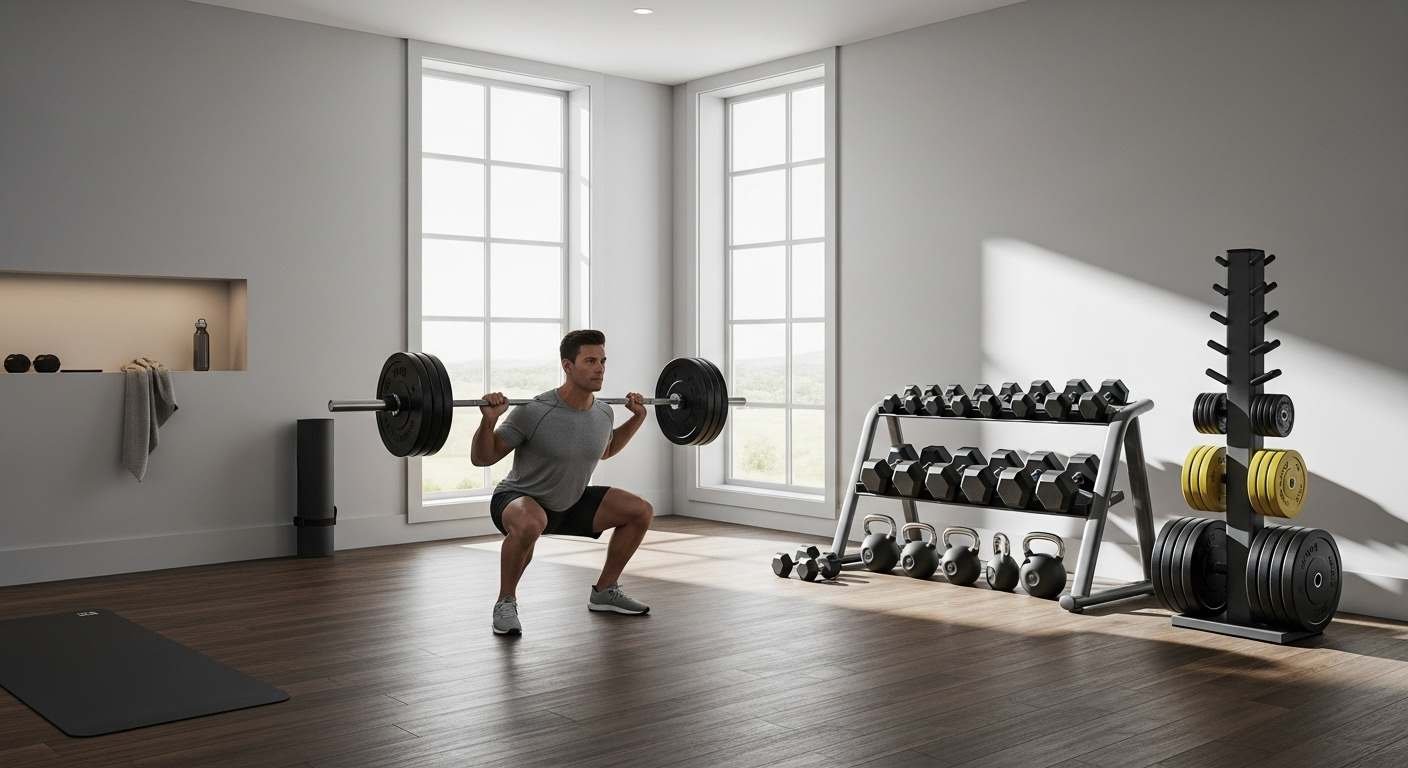
Barbells enable heavier loading and precise progression. They suit squats, deadlifts, and hip thrusts.
Pros
- High load capacity
- Clear progression with plates
- Excellent for compound lifts
Cons
- Require space and technique
- Higher initial investment
Kettlebells
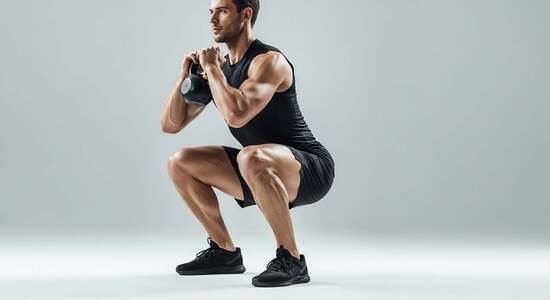
Kettlebells excel in dynamic leg training. Goblet squats, swings, and reverse lunges benefit from their offset load.
Pros
- Encourage core engagement
- Compact footprint
- Smooth transitions between exercises
Cons
Limited loading compared to barbells
Ankle Weights
Ankle weights add resistance to leg raises, kickbacks, and walking drills. They complement primary tools rather than replace them.
Pros
Low profile
Useful for accessory work and rehab
Cons
Not ideal for heavy compound lifts
Weighted Vests
Weighted vests increase bodyweight resistance for squats, step-ups, and hill walks.
Pros
- Even load distribution
- Hands-free training
- Great for conditioning
Cons
- Fixed increments on many models
Comparison Table: Choosing the Right Tool
| Weight Type | Best Use | Load Range | Space Needs | Skill Level |
|---|---|---|---|---|
| Dumbbells | Lunges, split squats | Low–Medium | Low | Beginner–Advanced |
| Barbells | Squats, deadlifts | Medium–High | Medium–High | Intermediate–Advanced |
| Kettlebells | Goblet squats, swings | Low–Medium | Low | Beginner–Advanced |
| Ankle Weights | Accessories | Low | Very Low | Beginner |
| Weighted Vests | Bodyweight progressions | Low–Medium | Low | Beginner–Advanced |
How to Select Exercise Weights for Legs
Fit and Comfort
Handles should feel secure. Vests and ankle weights must sit snugly without pinching. Comfort improves consistency.
Adjustability
Adjustable systems extend lifespan. Plates, selector pins, or modular pouches allow precise increases.
Material Quality
Cast iron and steel last. Neoprene and fabric should resist sweat and abrasion. Durable finishes reduce noise and wear.
Storage and Aesthetics
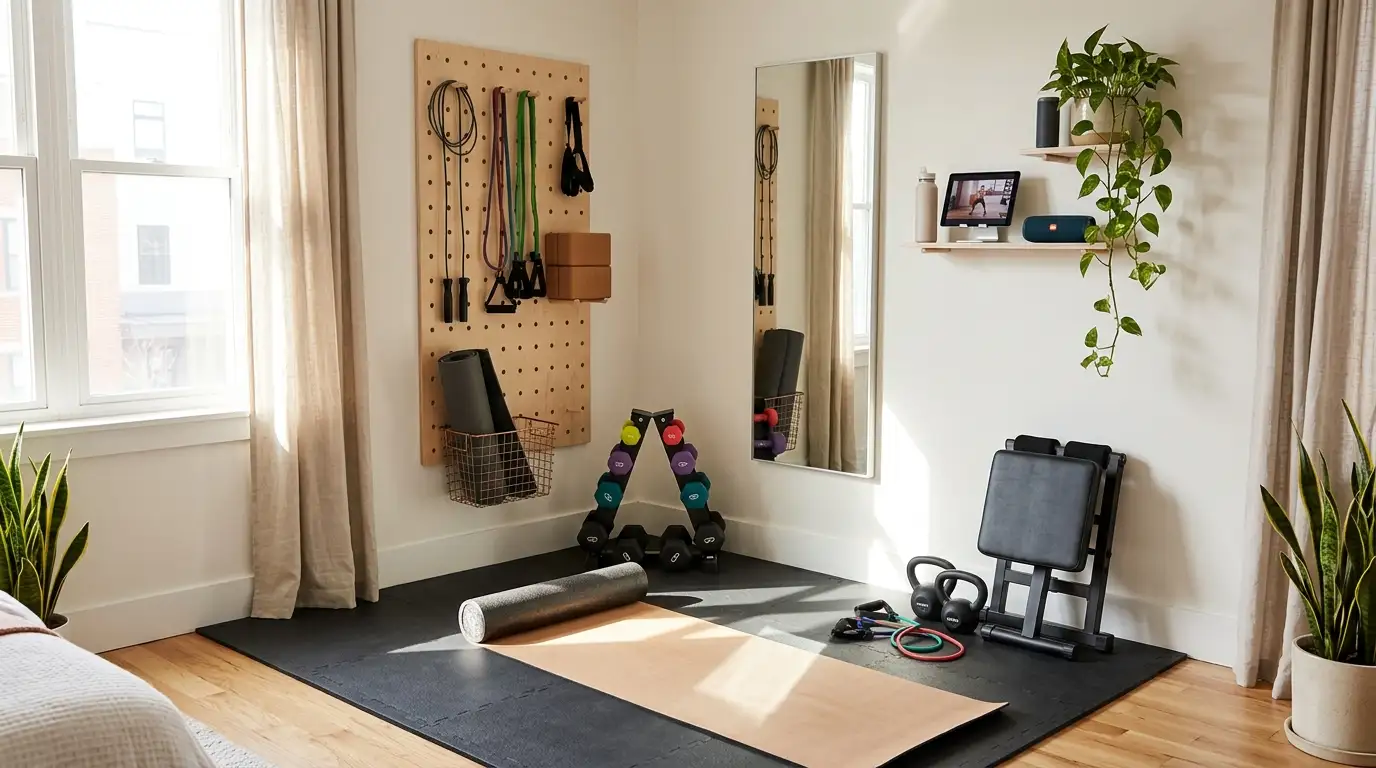
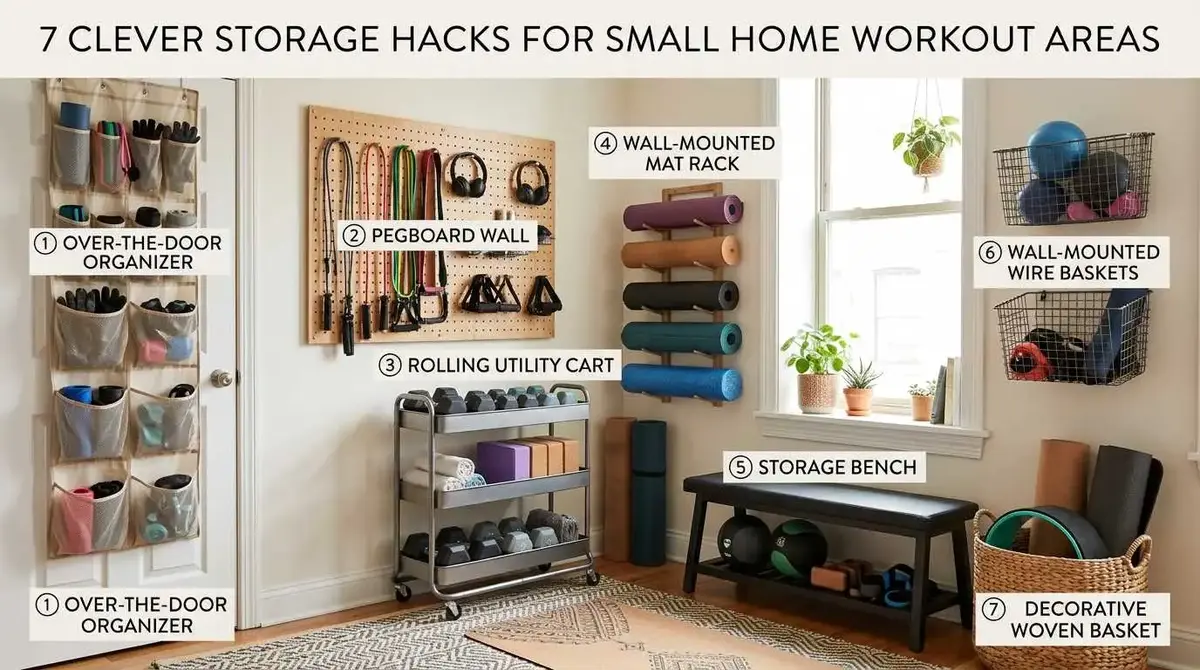
Affluent spaces value order. Compact racks, clean lines, and neutral finishes blend with refined interiors.
Quote from a private trainer
“The best leg weights are the ones clients use week after week without friction.”
Programming Leg Work with Weights
Foundational Movements
Prioritize squats, hinges, and lunges. These patterns build strength efficiently.
Sample structure
- Day A: Squat focus
- Day B: Hinge focus
- Day C: Unilateral focus
Volume and Progression
Add small increments. Aim for clean reps and stable tempo. Track loads weekly.
Important note: Progression does not require maximal effort. Add reps, sets, or tempo control before adding weight.
Balance and Symmetry
Unilateral work reduces imbalances. Use dumbbells or kettlebells to challenge stability.
Safety and Joint Care
Warm up hips, knees, and ankles. Use controlled ranges. Stop sets when form degrades. Quality footwear and flat soles support alignment.
Quote from a physiotherapist
“Joint-friendly loading preserves performance over decades.”
Home Gym vs Studio Training
Home Gym Considerations
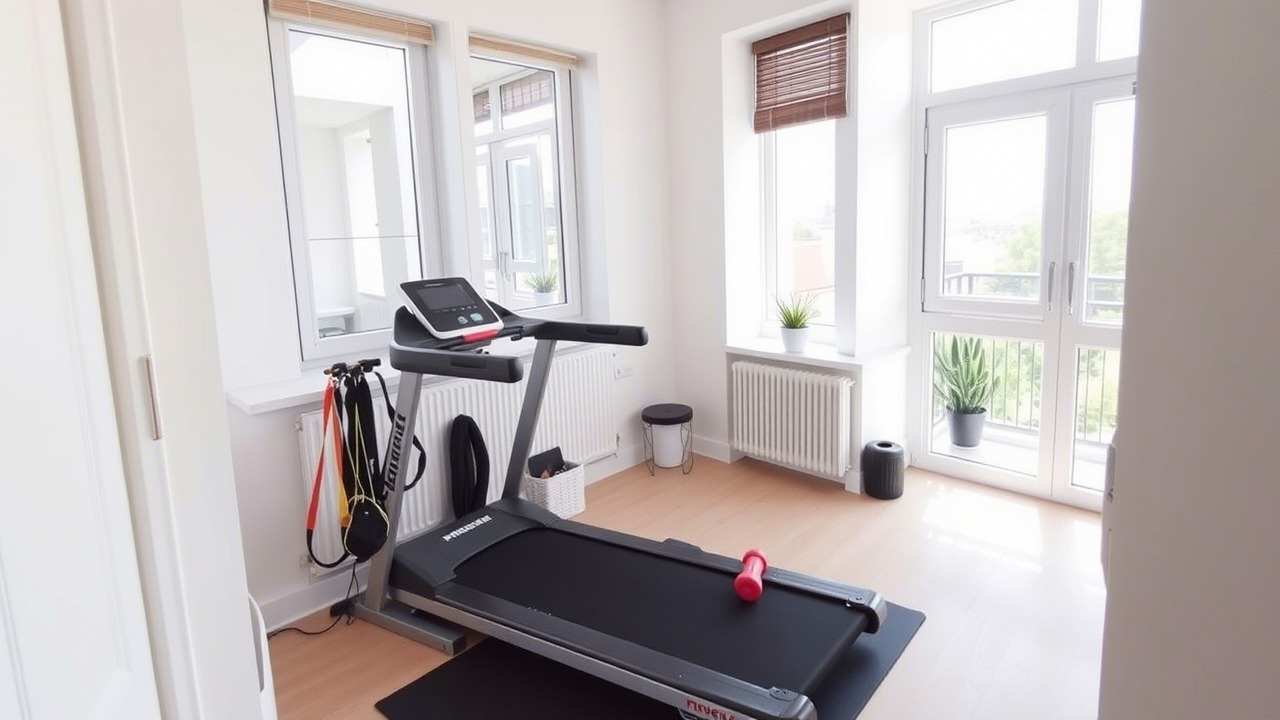
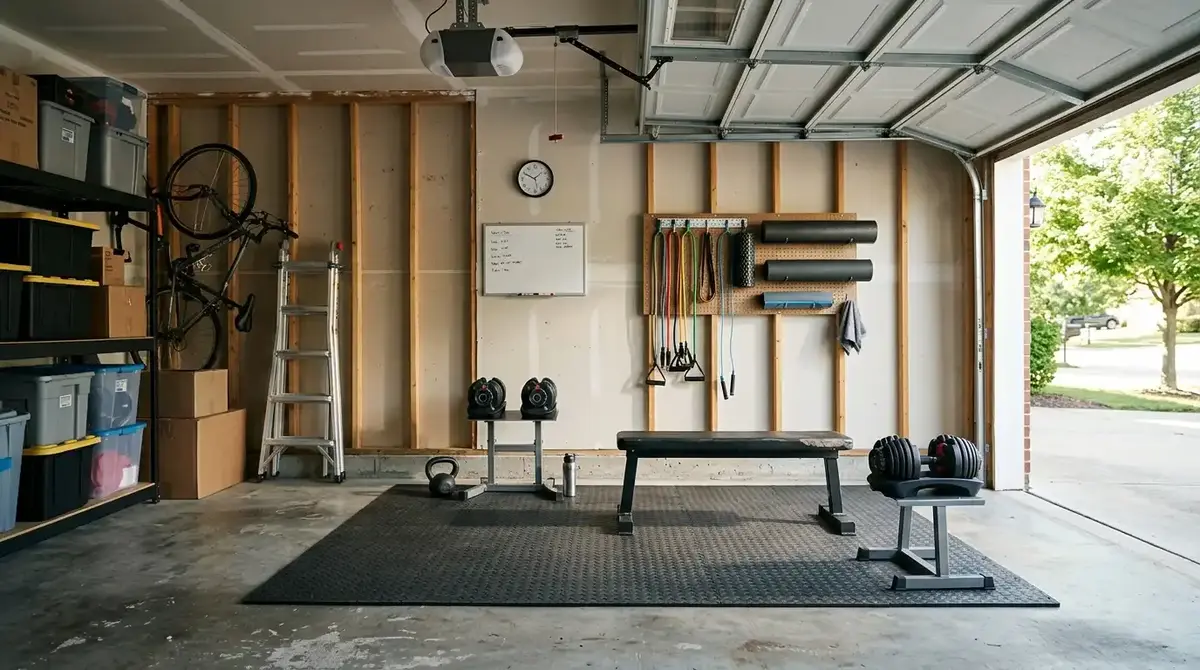
Noise reduction matters. Rubber-coated plates and mats protect floors. Compact storage keeps spaces elegant.
Studio Considerations
Barbells and racks unlock heavier training. Ensure supervision for advanced lifts.
Maintenance and Longevity
Wipe metal after use. Inspect straps and seams. Store weights off damp floors. Simple care extends life.
Frequently Asked Questions
How heavy should we start?
Begin with a load that allows controlled sets of eight to twelve reps. Increase gradually.
Are ankle weights enough for leg growth?
They enhance accessories but do not replace compound loading.
Can we train legs daily?
Alternate intensity and patterns. Recovery drives results.
Final Thoughts on Exercise Weights for Legs
Selecting exercise weights for legs is about matching tools to goals and lifestyle. We favor durable, adjustable options that scale with progress. Smart choices reduce friction, elevate training quality, and protect joints. With the right setup, leg strength becomes a sustainable asset.