

If you are trying to build stronger, rounder glutes, you’ve probably wondered what the best cardio machine for glutes really is. Spoiler: not all cardio is created equal. Some machines barely activate your lower body, while others can seriously fire up your glutes, hamstrings, and core to help sculpt your posterior chain.
In this guide, we’ll walk through the top cardio machines, how they work, and how to actually use them so you feel the burn where it counts. No fluff—just practical, actionable advice you can start using on your next gym visit.
Table of Contents
Why Cardio Machines Matter for Glute Growth
Let’s clear something up: cardio isn’t just for burning calories. When used with intent, cardio equipment can also support muscle building and glute shape.
Machines that emphasize:
- Incline & Elevation
- Adjustable Resistance
- Stepping, Climbing, or Deep Hip Hinging
Tend to activate your glutes significantly more than flat, low-resistance steady-state cardio. Choosing equipment that targets the posterior chain is a complete game-changer for shaping your lower body.
7 Best Cardio Machines for Glute Activation
1. Stair Climber (Your Glutes Will Hate You—in a Good Way)


The classic stair climber mimics continuous step climbing, naturally isolating your glutes, hamstrings, and calves through repeated vertical hip extension.
Pro Tip: Don’t lean or rest your weight on the handrails. Stand upright, engage your core, and push down through your heels with every step.
Why it works: Constant upward motion combined with gravity forces high glute engagement.
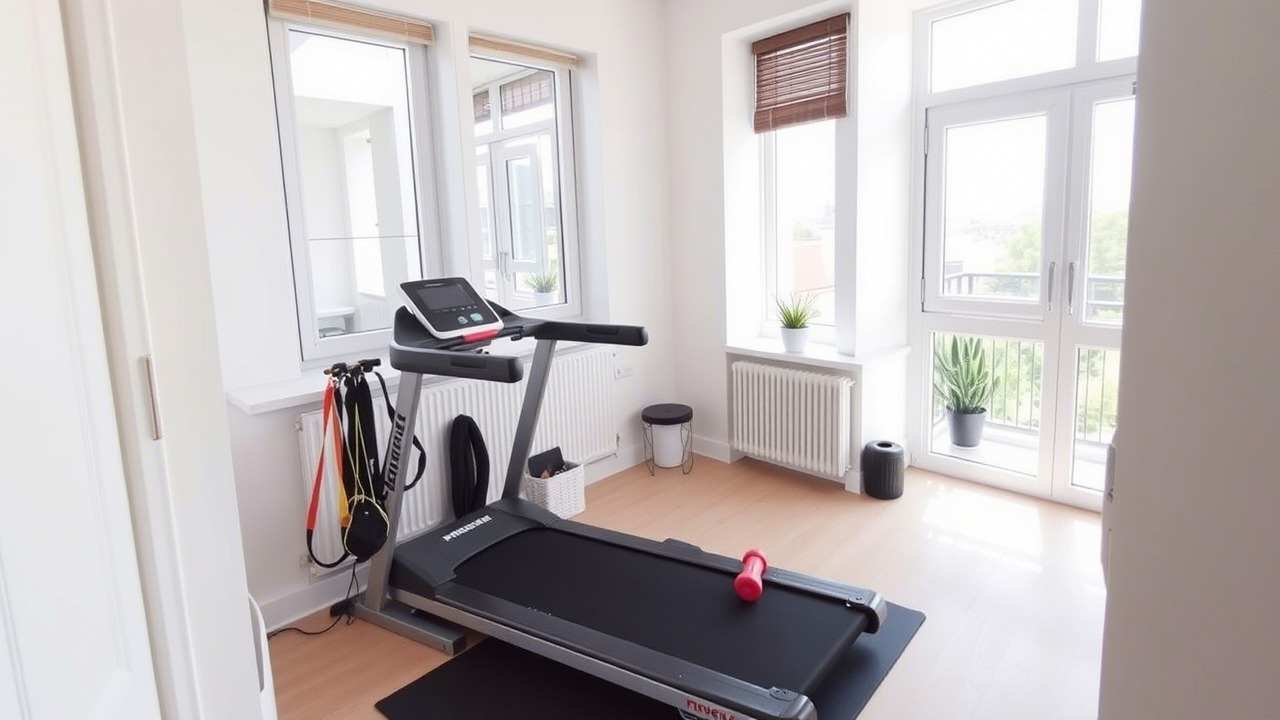
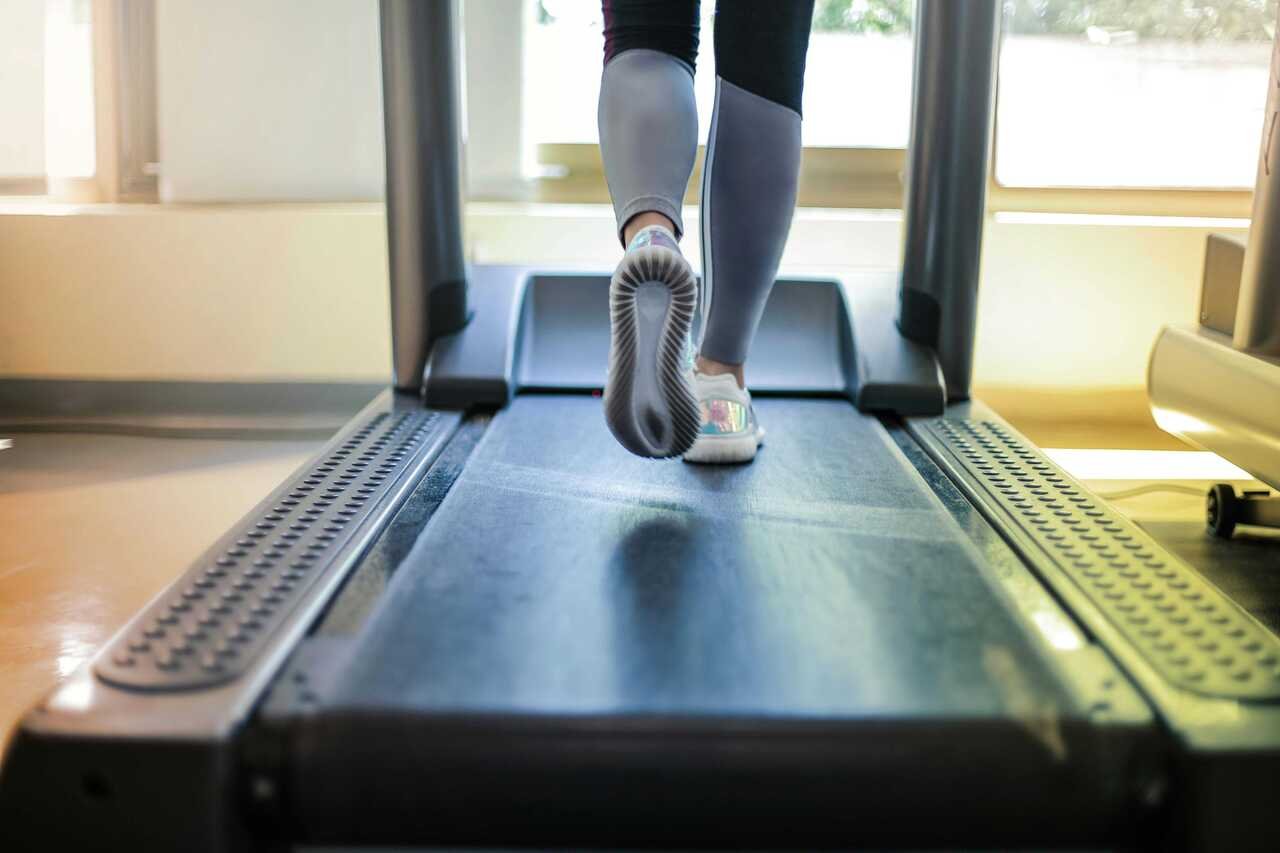
2. Incline Treadmill (Simple but Surprisingly Effective)


Walking on an incline turns a standard treadmill into one of the most accessible glute-building tools in the gym.
Try This: Set your treadmill incline between 8%–12% and walk at a steady, controlled pace (2.5–3.5 mph). Focus on taking intentional, full steps rather than rushing.
Why it works: Incline walking mimics uphill hiking, which requires greater hip extension compared to flat walking.
3. Elliptical (Low Impact, High Burn)


The elliptical is often slept on, but with high resistance and incline tweaks, it provides a powerful, joint-friendly lower-body workout.
Pro Tip: Increase the ramp incline, push down through your heels, or drive in reverse for a few minutes to shift maximum focus onto the glutes and hamstrings.
Why it works: Delivers a smooth, low-impact stride while allowing you to crank up resistance and ramp incline.
4. Stationary Bike (Yes, It Can Build Glutes)


Cycling isn’t strictly for quads. Adding heavy resistance shifts much of the load to your glutes and hamstrings during the power phase of the pedal stroke.
Make It Better: Incorporate standing climbs (out of the saddle) or perform high-resistance interval sprints to force your glutes to work harder.
Why it works: High resistance requires maximum force production from the hips.
5. Rowing Machine (Full-Body Bonus)


While often viewed as an upper-body pull exercise, rowing is actually 60% leg drive. The initial movement begins with an explosive push through your lower body.
Focus On: Driving back powerfully through your heels before pulling with your arms.
Why it works: The “Drive” phase requires strong hip extension, firing up the glutes and posterior chain on every stroke.
6. StepMill (Advanced Glute Killer)


A StepMill features a continuous revolving staircase (like a mini escalator). It offers an intense, unbroken climbing movement with zero resting phase.
Variations: Try skip-stepping (taking steps two at a time) or slight side-stepping to hit the gluteus medius.
Why it works: Because the stairs actively roll underneath you, you are forced to lift your full body weight with every single step.
7. Ski Erg (Unexpected but Effective)


Though unconventional, the SkiErg is an incredible functional tool when performed with proper hip-hinge mechanics.
- Why it works: The downward pulling motion relies heavily on an explosive hip hinge, engaging your glutes, core, and hamstrings on every pull.
- How to Do It: Hinges at the hips and drive your hips back as you pull the handles down, squeezing your glutes as you return to the standing position.
How to Maximize Glute Activation on Any Machine
Even the best machine won’t produce results if your technique is off. Keep these rules in mind:
- Push Through Your Heels: Shifting force to your midfoot/heel recruits the posterior chain (glutes and hamstrings) rather than pushing through your toes (which loads the quads).
- Increase Resistance or Incline: Flat terrain and zero resistance won’t stimulate muscle growth. Challenge your hips with workload.
- Slow Down with Control: Speed often leads to momentum. Slowing down forces your glutes to stabilize and drive each movement under tension.
- Mind-Muscle Connection: Actively focus on squeezing your glutes at the top of every stroke, step, or pedal revolution.
Common Mistakes to Avoid
- Leaning Heavy on Handrails: Supporting your body weight with your arms reduces lower-body load by up to 30%. Use handrails for balance only.
- Using Low Resistance: High-speed, zero-resistance cardio burns calories but does little for muscle conditioning or glute shape.
- Houching or Arching Your Back: Poor posture shifts strain to your lower back instead of keeping the work in your glutes and hips.
- Sticking to One Pace Forever: Progressive overload applies to cardio, too—gradually increase resistance, incline, or duration over time.
Final Thoughts
Finding the best cardio machine for glutes comes down to choosing equipment that encourages deep hip extension and high resistance.
- For maximum glute focus: Stick to the Stair Climber, StepMill, or Incline Treadmill.
- For joint-friendly or full-body workouts: Opt for the Elliptical, Rower, or Stationary Bike.
Mix up your routine, prioritize proper posture, and drive through your heels to see real lower-body strength and conditioning gains!