
Fat-burning wearables can support weight loss, but they don’t burn fat on their own. Their biggest benefit is helping users monitor activity, heart rate, calorie expenditure, sleep, and exercise habits.
Research suggests that wearable fitness trackers improve awareness and motivation, although their direct impact on long-term weight loss varies between individuals. The most effective results occur when wearables are combined with a calorie-controlled diet, regular exercise, and consistent lifestyle habits.
Table of Contents
Introduction to Fat-burning wearables
Fitness technology has evolved rapidly over the past decade. Smartwatches, fitness bands, and advanced health trackers now promise everything from improved sleep to optimized workouts—and many even claim to help users burn more fat.
It’s an appealing idea. Strap on a wearable device, follow its recommendations, and watch the pounds disappear.
But is that really how it works?
The answer is more nuanced.
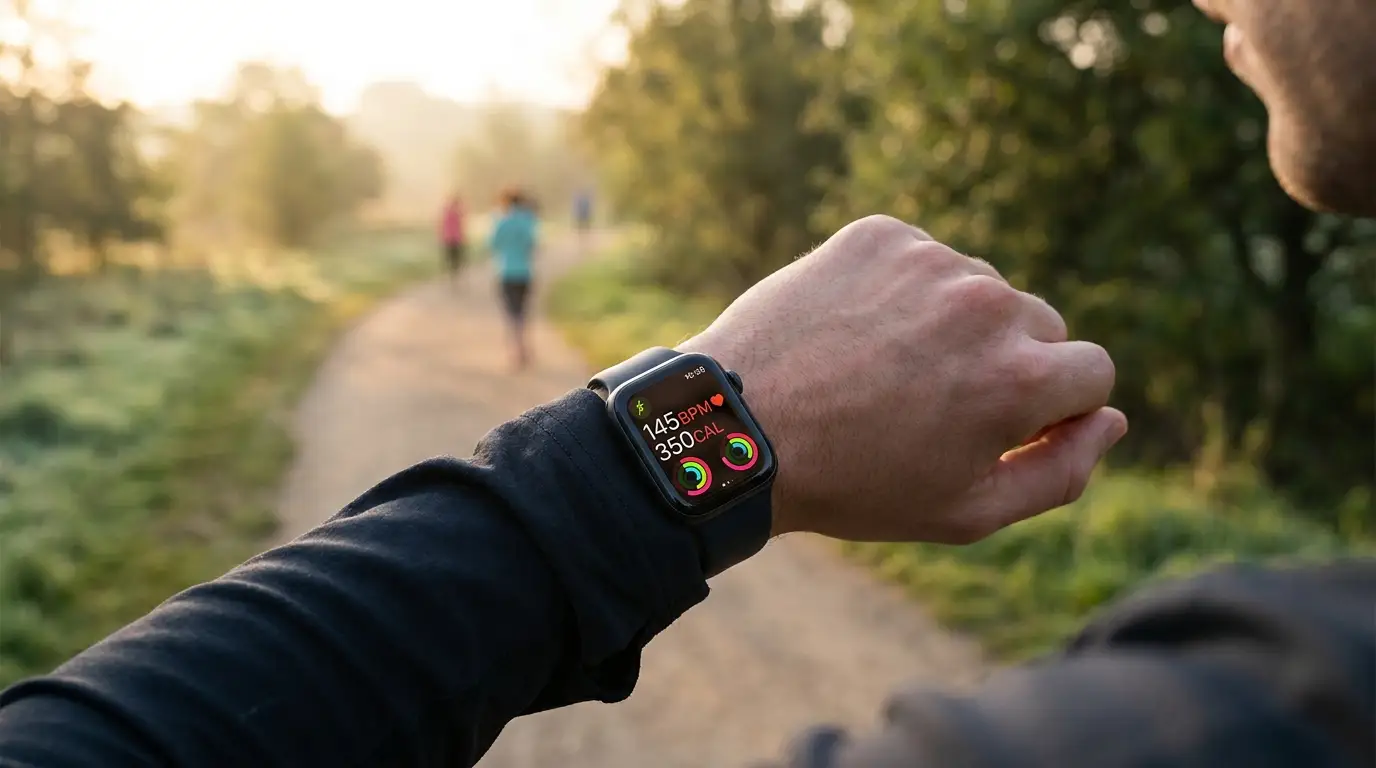
Modern wearables for progress tracking collect enormous amounts of health data. They estimate calories burned, monitor heart rate, track exercise intensity, measure daily movement, and even analyze sleep quality. These insights can absolutely help people build healthier habits. However, no wearable device can directly increase your body’s fat-burning ability.
Instead, these devices function as decision-making tools. They provide feedback that can improve consistency, encourage movement, and help users stay accountable.
This article separates marketing claims from scientific evidence, explaining what fat-burning wearables actually do, how accurate they are, and whether they’re worth buying if your goal is sustainable weight loss.
What Is a Fat-Burning Wearable?
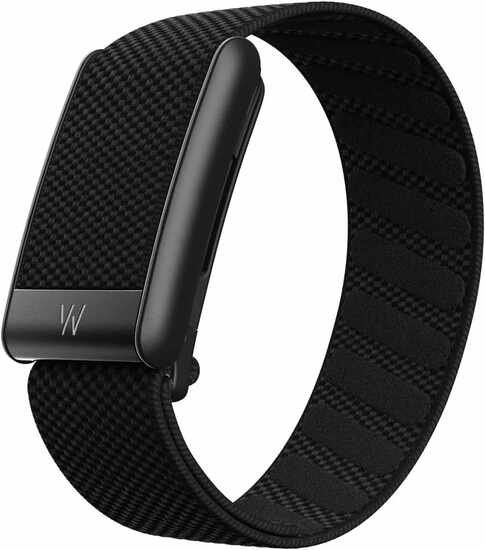
A fat-burning wearable is any fitness device designed to monitor health metrics that influence energy expenditure and physical activity.
These include:
- Smartwatches
- Fitness bands
- GPS sports watches
- Heart-rate monitors
- Smart rings
- Chest strap heart-rate sensors
Although marketing often labels them as “fat-burning devices,” they don’t physically burn fat. Instead, they measure factors that may help users make better lifestyle decisions.
Most modern wearables track:
| Metric | Why It Matters |
|---|---|
| Heart rate | Measures workout intensity |
| Steps | Encourages daily movement |
| Calories burned | Estimates energy expenditure |
| Active minutes | Tracks exercise duration |
| Sleep | Supports recovery |
| VO₂ Max estimates | Measures cardiovascular fitness |
| Stress levels | Helps identify recovery needs |
These measurements help users understand how active they are throughout the day.
Understanding Fat Burning: What Actually Causes Fat Loss?
One of the biggest misconceptions is that certain gadgets can “switch on” fat burning.
Human physiology doesn’t work that way.
Fat loss happens when your body consistently uses more energy than it consumes—a state known as a calorie deficit.
Your body stores excess energy as fat. When energy intake falls below energy needs, stored fat is gradually broken down to supply fuel.
Several factors influence this process:
- Daily calorie intake
- Physical activity
- Muscle mass
- Hormones
- Sleep quality
- Genetics
- Overall health
A wearable cannot override any of these biological processes.
Instead, it can help you monitor behaviors that support fat loss.
Think of a wearable as the dashboard in a car. It tells you how you’re driving, but it doesn’t make the car move faster by itself.
How Do Fat-burning wearables Estimate Calories Burned?
One of the most advertised features is calorie tracking.
Unfortunately, many users assume these numbers are exact.
They aren’t.
Instead, wearable devices estimate calorie burn using mathematical algorithms that combine several variables:
- Age
- Sex
- Height
- Weight
- Heart rate
- Movement detected by accelerometers
- GPS data during outdoor activities
These algorithms calculate an approximation of energy expenditure.
The estimate generally becomes more accurate during steady activities like:
- Walking
- Running
- Cycling
- Hiking
Accuracy often decreases during:
- Strength training
- High-intensity interval training
- Rowing
- Resistance exercises
- Yoga
- Functional fitness
Scientific studies consistently show that calorie estimates from consumer wearables can differ significantly from laboratory measurements. Depending on the device and activity, the error can range from modest to substantial. For that reason, calorie data is best used to monitor trends over time rather than as an exact measure of daily energy expenditure.
Heart Rate Zones and Fat Burning
Many fitness trackers display a “fat-burning zone.”
This concept comes from exercise physiology.
During lower-intensity exercise, a higher percentage of the energy your body uses comes from fat.
During higher-intensity workouts, carbohydrates become the dominant fuel source.
However, this doesn’t necessarily mean lower-intensity workouts produce greater fat loss.
For example:
| Exercise | Primary Fuel | Total Calories Burned |
|---|---|---|
| Walking | Higher % fat | Moderate |
| Jogging | Mixed | Higher |
| Running | More carbohydrates | Much higher |
Over an entire day—or week—total energy expenditure matters more than the percentage of fat used during a single workout.
This is why many experts recommend choosing exercise intensity based on what you can perform consistently rather than chasing a specific “fat-burning zone.“
Are Wearables Accurate Enough for Weight Loss?
The answer depends on how you use them.
If you expect laboratory-grade precision, you’ll probably be disappointed.
If you use them to identify trends and build healthier habits, they can be extremely valuable.
Wearables are generally good at:
- Counting steps
- Measuring workout duration
- Estimating distance
- Tracking resting heart rate
- Monitoring long-term fitness improvements
- Encouraging consistency
They are less reliable for:
- Exact calorie expenditure
- Body fat percentage
- Metabolic rate
- Strength-training energy use
- Individual fat oxidation rates
The key is not perfect accuracy—it’s consistent feedback that helps you make better decisions over time.
What Does the Scientific Research Say?
The popularity of wearable fitness devices has prompted researchers to investigate whether these gadgets actually help people lose weight. While results vary, a clear pattern has emerged: wearables are most effective as behavior-change tools rather than fat-burning devices.
Wearables Improve Awareness
Many people underestimate how little they move during the day or overestimate the calories they burn during exercise. Wearables provide continuous feedback that helps close this perception gap.
Research has shown that people who regularly monitor their physical activity often:
- Walk more steps per day
- Exercise more consistently
- Spend less time sitting
- Become more aware of calorie intake
- Stay motivated longer
This increased awareness can lead to healthier daily habits, which are essential for sustainable fat loss.
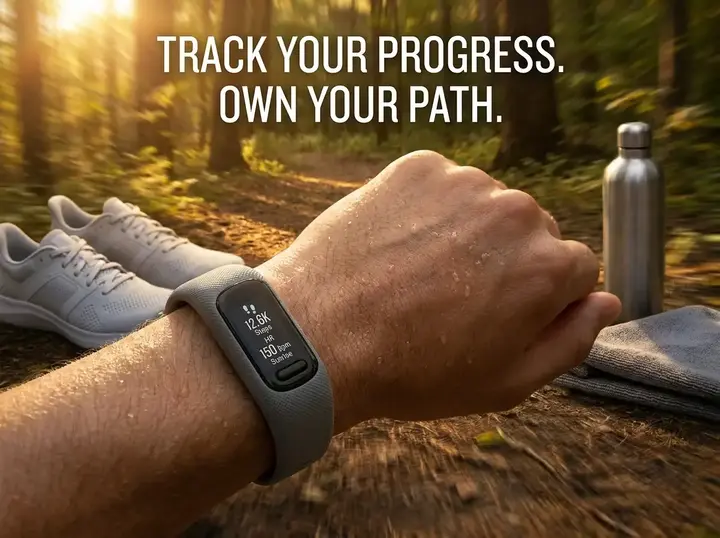
Motivation Matters More Than Technology
One of the strongest benefits of fitness trackers is psychological rather than physiological.
Seeing daily progress encourages many users to:
- Complete one more walk
- Reach their step goal
- Finish a workout
- Stay active after work
- Maintain exercise streaks
These small decisions accumulate over weeks and months.
Instead of directly burning fat, wearables often improve adherence, which is one of the biggest predictors of long-term weight management.
Weight Loss Results Are Usually Modest
Studies comparing wearable users with non-users generally find that both groups can lose weight when following structured diet and exercise programs.
However, the wearable itself isn’t the reason.
People who actively use the data—adjusting their activity, improving sleep, and monitoring progress—tend to experience better outcomes than those who simply wear the device without changing their habits.
The takeaway is simple:
A wearable provides information, but lasting weight loss comes from consistently acting on that information.
Common Myths About Fat-Burning Wearables
Marketing can make wearable technology sound almost magical. Let’s separate fact from fiction.
| Myth | Reality |
|---|---|
| Wearables burn fat | They only measure activity and health metrics. |
| The calorie counter is exact | It’s an estimate, not a laboratory measurement. |
| Fat-burning zones guarantee weight loss | Overall calorie balance matters far more. |
| More expensive trackers burn more fat | Premium models offer additional features, not metabolic advantages. |
| Wearing a tracker alone causes weight loss | Lifestyle changes—not the device itself—drive results. |
Understanding these misconceptions helps set realistic expectations and prevents disappointment.
Benefits Beyond Weight Loss
Even if your primary goal is fat loss, wearables offer several health benefits that extend beyond the number on the scale.
Improved Cardiovascular Fitness
Tracking heart rate during exercise helps users maintain appropriate workout intensity and gradually improve endurance.
Better Sleep Awareness
Poor sleep can increase hunger hormones, reduce recovery, and make weight management more difficult.
Many wearables monitor:
- Sleep duration
- Sleep stages
- Bedtime consistency
- Recovery trends
Although consumer devices aren’t medical-grade sleep laboratories, they can highlight habits that deserve attention.
Increased Daily Movement
One of the simplest but most effective features is step tracking.
People often become more active simply because they’re reminded to move.
That extra walk after dinner or lunchtime stroll may seem insignificant, but over months it contributes meaningfully to total energy expenditure.
Long-Term Habit Building
Healthy habits—not short-term motivation—lead to sustainable results.
Wearables help reinforce routines by providing:
- Daily reminders
- Goal tracking
- Progress charts
- Weekly summaries
- Achievement badges
These features create positive reinforcement that encourages consistency.
Limitations You Should Know
Despite their usefulness, wearable devices have important limitations.
Calorie Estimates Can Be Inaccurate
Different brands use different algorithms.
Two devices worn during the same workout may report noticeably different calorie totals.
Use calorie data as a trend rather than an exact measurement.
Heart Rate Sensors Aren’t Perfect
Optical wrist sensors work well during steady exercise but may struggle during:
- Weightlifting
- Sprint intervals
- Rapid wrist movement
- Cold weather
- Loose watch fit
Chest strap monitors generally provide more accurate heart-rate measurements for serious athletes.
They Can’t Measure Fat Burning Directly
No consumer wearable currently measures:
- Fat oxidation
- Metabolic flexibility
- Real-time body fat loss
These processes require specialized laboratory equipment.
Data Can Become Overwhelming
Some users become overly focused on numbers.
Constantly checking:
- Calories
- Heart rate
- Recovery scores
- Sleep scores
- Readiness metrics
can create unnecessary stress rather than healthier habits.
Remember that wearable data should guide—not control—your lifestyle.
Who Benefits Most From Fat-burning wearables?
Not everyone needs a wearable, but certain people may benefit significantly.
Great Candidates
- Beginners starting a fitness journey
- People trying to increase daily activity
- Individuals building exercise consistency
- Recreational runners
- Cyclists
- Walkers
- Busy professionals seeking accountability
Less Essential For
- People already following structured training plans
- Individuals who dislike tracking data
- Those expecting effortless weight loss
- Users who become anxious about health metrics
Tips to Get the Most From Your Fat-burning wearables
If you decide to buy a fitness tracker, these strategies will maximize its value.
1. Focus on Trends
Don’t worry about one workout or one day’s calorie estimate.
Look for improvements over weeks and months.
2. Prioritize Consistency
Aim for sustainable habits instead of chasing perfect numbers.
3. Use Heart Rate as a Guide
Heart-rate zones can help structure workouts, but they shouldn’t replace how you actually feel during exercise.
4. Track Sleep
Better recovery often leads to better workouts and healthier eating decisions.
5. Pair It With Good Nutrition
Even the most advanced wearable cannot overcome a consistently poor diet.
Nutrition remains the foundation of fat loss.
Fat-burning wearables Pros and Cons
| Pros | Cons |
|---|---|
| Encourages regular exercise | Calorie estimates vary |
| Tracks long-term progress | Doesn’t directly burn fat |
| Improves accountability | Some features require subscriptions |
| Monitors heart rate and sleep | Optical sensors have limitations |
| Motivates daily movement | Can lead to data obsession |
| Helps build healthy habits | Premium models can be expensive |
Expert Verdict
So, do fat-burning wearables actually work?
Yes—but probably not in the way advertisements suggest.
They don’t accelerate metabolism, melt body fat, or replace healthy eating.
Instead, they provide valuable information that helps users make smarter choices throughout the day.
The strongest scientific evidence suggests that wearables are effective because they improve awareness, accountability, and consistency. These behavioral changes—not the device itself—are what support successful long-term weight management.
If you’re looking for a shortcut to fat loss, no wearable can provide one.
If you’re looking for a reliable tool to support healthier habits, monitor progress, and stay motivated, a quality wearable can be a worthwhile investment.
Key Takeaways
- Fat-burning wearables do not directly burn fat.
- Sustainable fat loss still depends on maintaining a calorie deficit.
- Wearables are best used as habit-building tools.
- Calorie estimates are useful for tracking trends, not exact numbers.
- Heart-rate monitoring helps optimize workouts but doesn’t guarantee greater fat loss.
- Consistency matters more than wearable features.
- Sleep and recovery tracking can indirectly support weight management.
- The most effective users actively apply the data to improve their daily habits.