
The wearable fitness industry has entered a new era. Instead of oversized smartwatches filled with distractions, notifications, and apps, millions of users are turning toward screenless fitness trackers designed to collect meaningful health data without interrupting daily life.
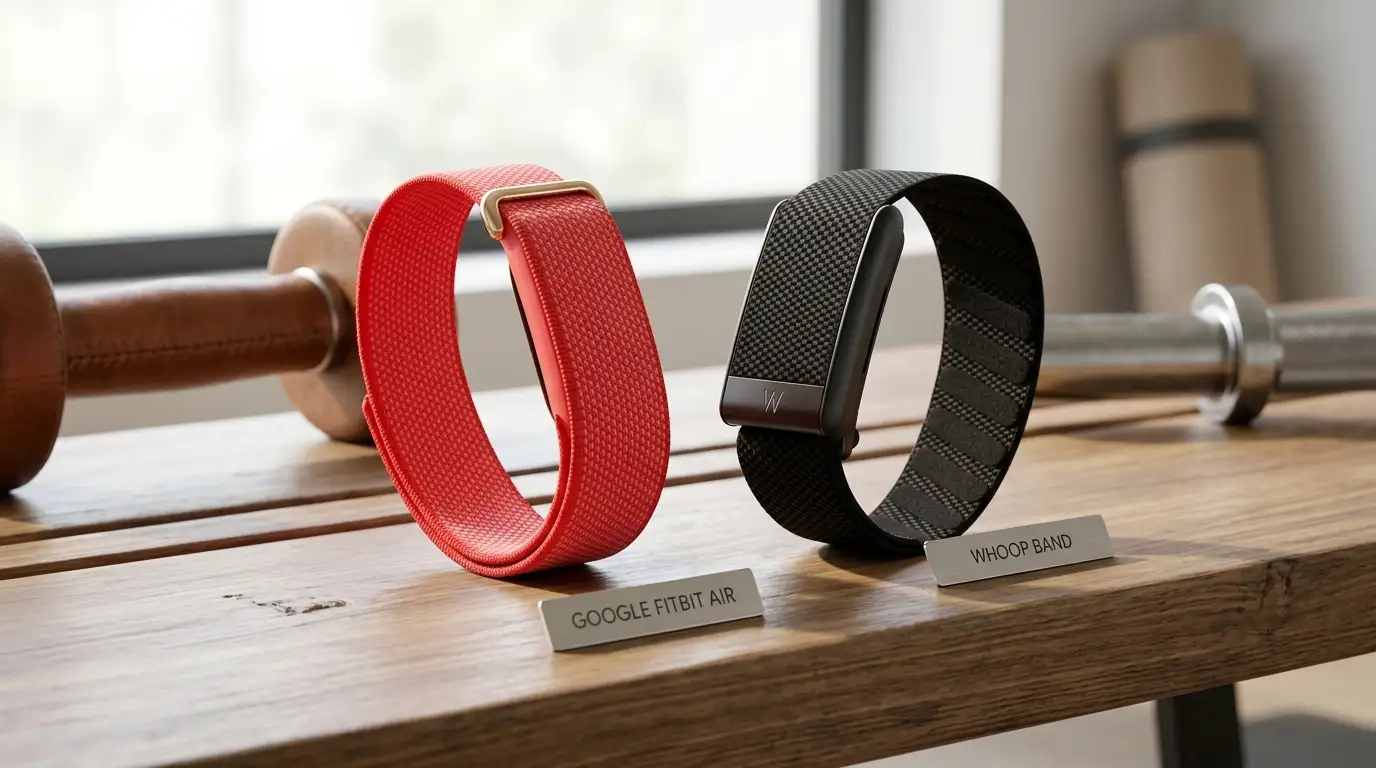
Among the biggest competitors in this category are the Google Fitbit Air vs Whoop band. Both promise continuous health monitoring, advanced sleep tracking, heart rate analysis, and recovery insights. However, they approach wellness from very different perspectives.
If you’re searching for the ultimate Google Fitbit Air vs Whoop comparison, this comprehensive guide explores every important factor including pricing, subscriptions, comfort, battery life, health metrics, software, accuracy, and overall value.
Table of Contents
Google Fitbit Air vs Whoop at a Glance
| Feature | Google Fitbit Air | Whoop |
|---|---|---|
| Display | Screenless | Screenless |
| Price | $99 One-Time Purchase | Included with Membership |
| Subscription | Optional | Required |
| Battery Life | Up to 7 Days | Up to 14 Days |
| Charging | USB Fast Charging | Wearable Battery Pack |
| Sleep Tracking | Excellent | Excellent |
| Heart Rate | Continuous | Continuous |
| Recovery Metrics | Basic Wellness | Advanced Athletic Recovery |
| AI Features | Google Health AI | Coaching & Recovery |
| Best For | Everyday Users | Serious Athletes |
Price Comparison: Google Fitbit Air Offers Better Long-Term Value
One of the largest differences between these wearables is ownership cost.
Google has taken a straightforward approach. Buyers purchase the Fitbit Air outright for approximately $99, gaining access to core health features immediately.
Premium insights remain optional through Google Health Premium, allowing users to unlock AI-powered wellness recommendations without limiting essential tracking capabilities.
Whoop follows a completely different model.
Instead of purchasing hardware, users subscribe to a yearly membership that includes the wearable. Membership costs can range from approximately $199 to over $350 annually, depending on the selected plan.
The biggest consideration is that once the subscription ends, access to many of Whoop’s features disappears.
Winner: Google Fitbit Air
For users wanting predictable costs and long-term ownership, Fitbit Air delivers significantly greater value.
Design and Comfort
Both devices embrace minimalism by removing the display entirely.
The absence of a screen creates fewer distractions while allowing users to focus on health instead of notifications.
Google Fitbit Air Design
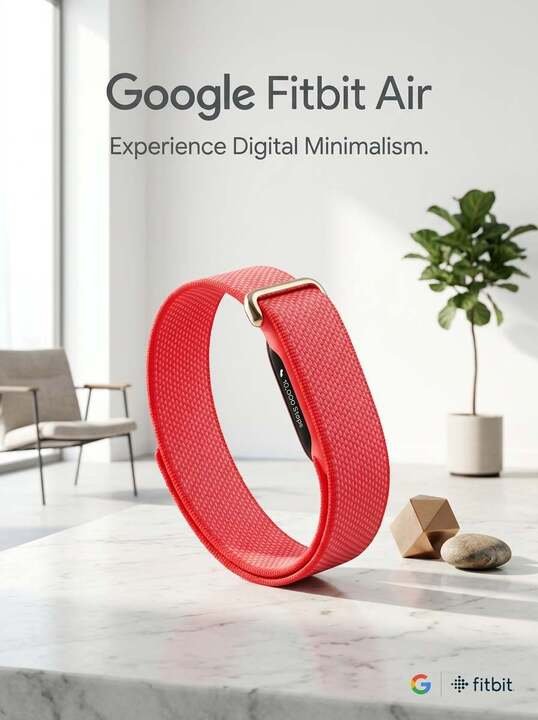
The Fitbit Air emphasizes simplicity.
Its lightweight construction makes it comfortable for:
- Sleeping
- Office work
- Daily activities
- Running
- Strength training
The adjustable Velcro strap offers a secure fit while remaining breathable throughout extended wear.
Because of its minimal weight, many users quickly forget they are wearing it.
Whoop Design
Whoop takes a more premium approach.
Its woven fabric construction feels durable and professional while offering various accessories including:
- Bicep bands
- Athletic apparel integration
- Alternative wrist straps
- Performance-focused accessories
The downside is moisture retention.
Fabric straps naturally absorb sweat and require more drying time after workouts.
Winner: Tie
Choose Fitbit Air for lightweight comfort.
Choose Whoop for premium build quality and accessory options.
Battery Life and Charging Experience
Battery performance plays an important role for devices designed for 24/7 wear.
Google Fitbit Air Battery
- Up to 7 days
- Fast charging
- Approximately 90-minute full recharge
- Five-minute charge provides roughly one day of use
Fast charging minimizes downtime and makes maintaining continuous tracking relatively easy.
Whoop Battery
Whoop remains one of the industry’s most innovative charging systems.
Instead of removing the tracker, users slide a rechargeable battery pack directly over the band while wearing it.
Advantages include:
- Continuous data collection
- No interruptions
- Up to 14 days between charges
This solution remains one of Whoop’s biggest competitive advantages.

Winner: Whoop
Longer battery life combined with uninterrupted charging gives Whoop the edge.
Health Tracking Features
Both devices collect impressive amounts of biometric information.
However, their priorities differ significantly.
Google Fitbit Air Focuses on Everyday Wellness
Fitbit Air emphasizes accessible health monitoring.
Core features include:
- Continuous heart rate monitoring
- Sleep stage tracking
- Daily activity tracking
- Resting heart rate
- Blood oxygen monitoring (where available)
- AFib notifications
- Stress insights
- AI-powered meal logging
- Wellness recommendations
The ecosystem is designed to encourage healthier habits without overwhelming users.
Whoop Focuses on Performance Optimization
Whoop targets athletes and high-performance individuals.
Key features include:
- Recovery Score
- Daily Strain Score
- Heart Rate Variability
- Respiratory Rate
- Sleep Performance
- Training Recommendations
- Physiological Stress Analysis
Rather than counting steps, Whoop measures how effectively users recover from physical exertion.
For athletes, these metrics can be invaluable.
Winner Depends on Your Goals
General wellness:
✅ Google Fitbit Air
Athletic optimization:
✅ Whoop
Sleep Tracking Comparison
Sleep remains one of the strongest capabilities for both devices.
Google Fitbit Air
Sleep reports include:
- Sleep stages
- Sleep duration
- Sleep consistency
- Sleep quality
- Resting heart rate trends
Combined with Google’s expanding AI ecosystem, users receive personalized recommendations that improve long-term habits.
Whoop
Whoop goes considerably deeper.
It measures:
- Sleep debt
- Sleep need
- Recovery impact
- Performance readiness
- Sleep efficiency
Athletes appreciate how these metrics directly influence workout recommendations.
Winner: Whoop
While Fitbit Air provides excellent consumer-focused sleep analysis, Whoop offers deeper performance insights.
Heart Rate Accuracy
Modern optical heart rate sensors have improved dramatically.
Independent testing consistently places both devices among today’s better-performing wrist-based wearables.
Google Fitbit Air provides highly reliable readings throughout everyday activities, walking, cycling, and moderate exercise.
Whoop performs exceptionally well during prolonged workouts and leverages those readings for sophisticated recovery calculations.
In real-world usage, most users will experience minimal differences in raw heart rate accuracy.
The distinction lies in how each platform interprets that information.
Winner: Tie
Accuracy is excellent on both devices.
Software Experience
Software often determines whether a wearable becomes indispensable.
Google Health Ecosystem
Fitbit Air integrates naturally with Google’s expanding health platform.
Users gain access to:
- AI health summaries
- Activity trends
- Nutrition logging
- Sleep insights
- Wellness coaching
- Personalized goals
The interface remains intuitive and beginner-friendly.
Whoop App
Whoop transforms health data into actionable coaching.
Daily recommendations include:
- Whether to train
- How intensely to exercise
- Recovery optimization
- Sleep targets
- Cardiovascular strain management
The software prioritizes elite performance over casual fitness.
Winner
General consumers:
✅ Fitbit Air
Competitive athletes:
✅ Whoop
Subscription Costs Over Three Years
Ownership costs become more apparent over time.
| Time | Google Fitbit Air | Whoop |
|---|---|---|
| Initial Cost | $99 | Membership |
| Year 1 | $99–198 | $199–359 |
| Year 2 | Optional Premium | Membership Renewal |
| Year 3 | Still Lower Overall | Another Renewal |
Even with optional premium services, Fitbit Air remains substantially less expensive.
Who Should Buy Google Fitbit Air?
Google Fitbit Air is ideal for:
- Beginners
- Busy professionals
- Students
- Casual runners
- Everyday fitness enthusiasts
- Users wanting sleep insights
- Individuals monitoring heart health
- Budget-conscious shoppers
- People avoiding recurring subscriptions
Who Should Buy Whoop?
Whoop remains an outstanding option for:
- Marathon runners
- Cyclists
- CrossFit athletes
- Weightlifters
- Endurance competitors
- Personal trainers
- Biohackers
- Performance coaches
- Professional athletes
Google Fitbit Air vs Whoop Pros and Cons
Google Fitbit Air Pros
- Affordable purchase price
- Optional subscription
- Excellent comfort
- Strong sleep tracking
- Fast charging
- Google ecosystem integration
- AI-powered wellness features
- Excellent value
Cons
- Shorter battery life
- Fewer advanced athletic metrics
- Smaller accessory ecosystem
Whoop Pros
- Exceptional recovery analysis
- Long battery life
- Continuous wearable charging
- Elite coaching metrics
- Professional athlete features
- Excellent sleep analytics
Cons
- Expensive yearly subscription
- Higher long-term ownership cost
- Less appealing for casual users
Google Fitbit Air vs Whoop: Final Verdict
The answer ultimately depends on how you define fitness.
If your goal is improving everyday health, monitoring sleep, tracking heart rate, staying active, and enjoying Google’s growing AI-powered wellness ecosystem, Google Fitbit Air delivers outstanding value. Its affordable one-time purchase price, lightweight comfort, and optional subscription make it one of the most accessible screenless fitness trackers available. It also stands out as one of the best WHOOP Alternatives for users who want comprehensive health tracking without committing to an expensive recurring membership.
If your lifestyle revolves around athletic performance, recovery optimization, training load management, and advanced physiological insights, Whoop continues to lead the premium performance wearable market. Although its subscription model increases long-term costs, the depth of coaching and recovery analytics remains unmatched.
For most users comparing Google Fitbit Air vs Whoop, Fitbit Air emerges as the smarter purchase thanks to its balance of affordability, functionality, comfort, and comprehensive health tracking. Athletes seeking elite-level performance data, however, will still find Whoop to be the superior training companion.
Conclusion
Choosing between Google Fitbit Air vs Whoop comes down to your priorities. Fitbit Air stands out with exceptional value, intuitive wellness tracking, and a budget-friendly ownership model, making it the ideal choice for most people.
Whoop remains the benchmark for elite recovery analysis and performance optimization, but its subscription costs are best justified by serious athletes. By matching the device to your lifestyle, you can invest in a wearable that supports your health goals for years to come.
Frequently Asked Questions
Is Google Fitbit Air better than Whoop?
For everyday health tracking, affordability, and long-term value, Google Fitbit Air is the better choice. For advanced athletic recovery and performance coaching, Whoop remains superior.
Does Google Fitbit Air require a subscription?
No. Core health tracking features are available without a mandatory subscription. Optional premium services unlock additional AI-powered insights.
Which tracker has the better battery life?
Whoop lasts up to 14 days, while Google Fitbit Air offers around 7 days with convenient fast charging.
Which device is more comfortable?
Both are comfortable for all-day wear. Fitbit Air is lighter, while Whoop offers a more premium fabric design.
Is Whoop worth the subscription?
For dedicated athletes who rely on detailed recovery metrics and training guidance, the subscription can provide significant value. Casual users may find Fitbit Air to be the more cost-effective solution.