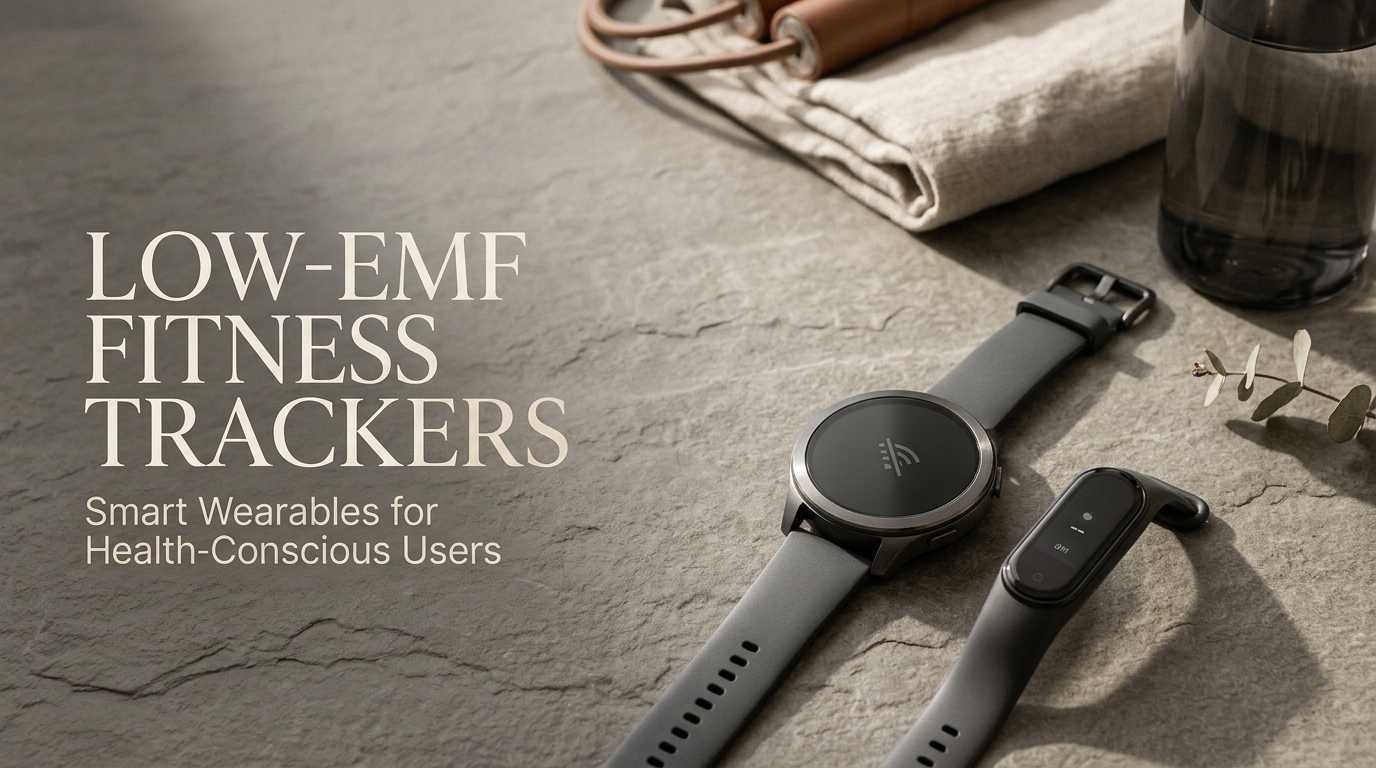
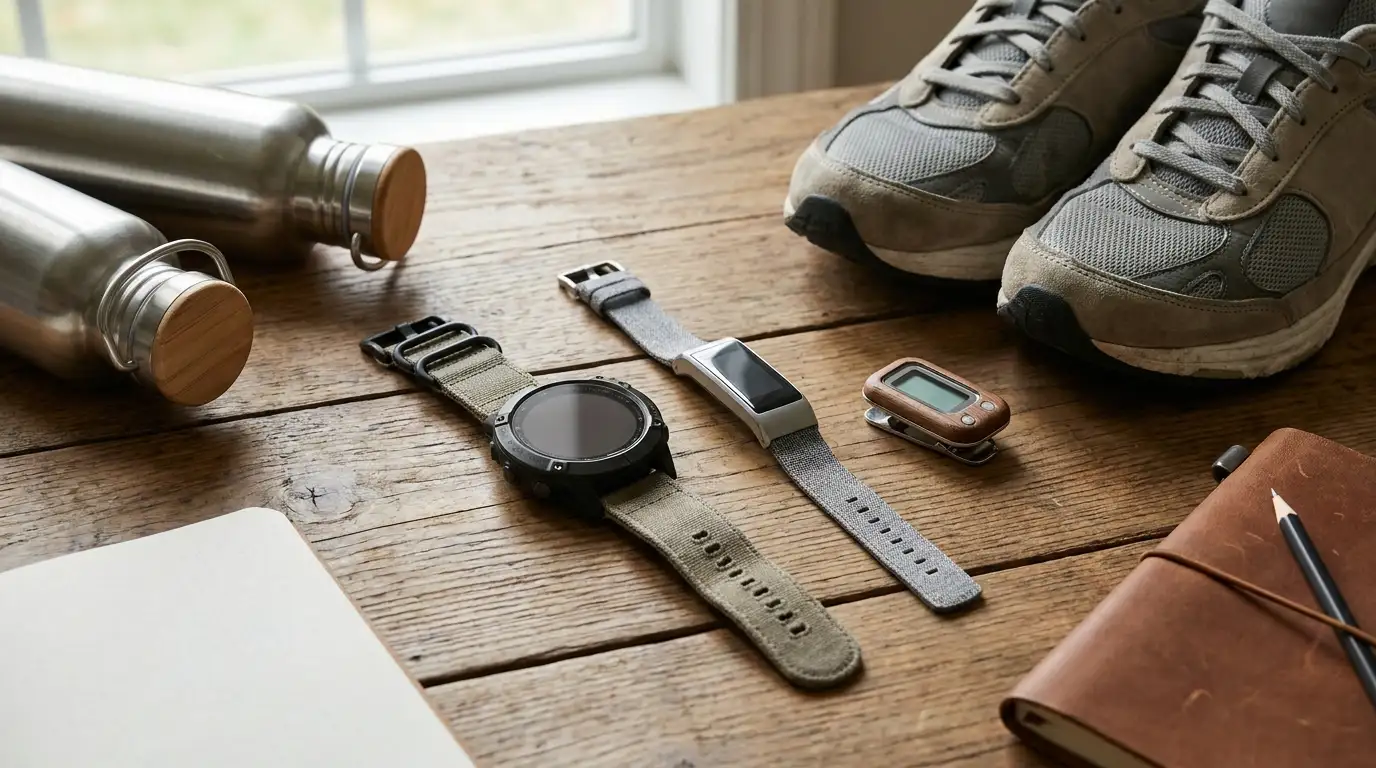

If privacy is your top priority, you don’t need a fitness tracker that constantly syncs with the cloud or requires a smartphone app. While most modern wearables rely heavily on companion apps and online accounts, a handful of devices still let you track your daily activity completely offline.
In this guide, we’ll explore the best wearable fitness trackers that work without an internet connection, cloud account, or mandatory smartphone app. Whether you’re concerned about data privacy, battery life, or simply want a distraction-free experience, these offline fitness trackers deliver reliable performance while keeping your personal data under your control.
Table of Contents
What Is an Offline Fitness Tracker?
An offline fitness tracker records health and activity data directly on the device without requiring:
- Internet access
- Cloud synchronization
- User account creation
- Smartphone companion app
- Continuous Bluetooth connection
Most offline trackers still allow optional data transfer through USB or Bluetooth, but they remain fully functional even if you never connect them.
Why Choose an Offline Wearable?
Many people are moving away from cloud-connected wearables for several reasons:
Better Privacy
Your health data stays on your wrist instead of being uploaded to remote servers.
No Subscription Fees
Some premium wearables charge monthly subscriptions for advanced insights. Offline trackers avoid recurring costs.
Longer Battery Life
Without constant syncing, GPS uploads, or background app communication, batteries typically last much longer.
Simplicity
You can simply wear the tracker, check your stats, and recharge occasionally—no accounts or app updates required.
Reduced Digital Distractions
Offline devices focus on fitness rather than notifications, messages, and social features.
Best Offline Wearable Fitness Trackers
1. Garmin Forerunner 255 (Offline Capabilities)
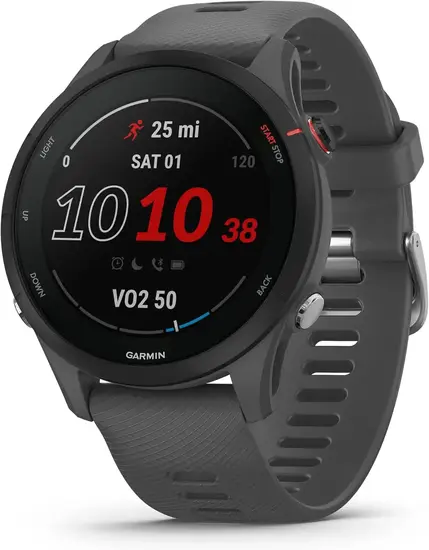
Best Overall
Although Garmin Connect offers extensive online features, the watch itself works remarkably well without constant syncing.
Key Features
- Built-in GPS
- Heart rate monitoring
- Sleep tracking
- Step counting
- Workout recording
- Offline activity history
- Physical buttons for navigation
Pros
- Excellent battery life
- Accurate sensors
- Detailed workout metrics
- No daily internet requirement
Cons
- Initial setup is easier with the Garmin app
- Advanced reports require synchronization
Best for: Serious runners and athletes who occasionally sync their data.
2. Garmin Instinct 2
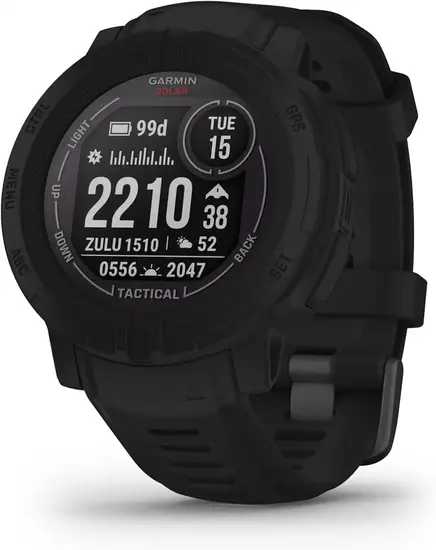
Best for Outdoor Adventures
The Garmin Instinct 2 offers military-grade durability and stores extensive activity history directly on the watch.
Highlights
- GPS navigation
- Hiking tracking
- Heart rate
- Stress monitoring
- Sleep tracking
- Offline route recording
Pros
- Rugged construction
- Outstanding battery life
- Works well without frequent syncing
Cons
- Large size
- Premium price
3. Casio G-Shock GBD-200
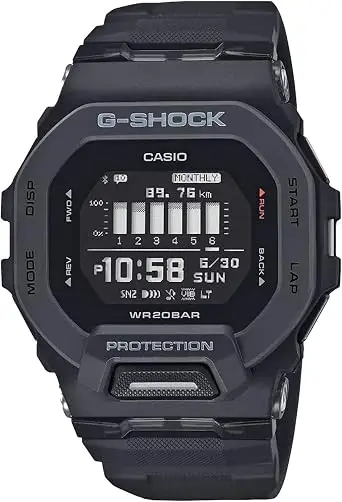
Best Simple Activity Watch
Casio keeps things refreshingly simple.
Even without the optional smartphone app, the watch can display:
- Daily steps
- Activity time
- Calories
- Stopwatch
- Timer
- Workout records
Pros
- Extremely durable
- Excellent battery life
- Affordable
- Minimal data collection
Cons
- Limited health metrics
- No advanced sleep analysis
4. Amazfit Bip Series (Basic Offline Use)
Many Amazfit watches continue recording:
- Steps
- Heart rate
- Sleep
- Workouts
without requiring constant synchronization.
While the companion app unlocks historical graphs, the watch remains functional independently.
Pros
- Budget-friendly
- Lightweight
- Long battery life
Cons
- Some features require Zepp app
- Limited onboard history
5. Garmin vívosmart 5
For users wanting a lightweight fitness band instead of a smartwatch, the Garmin vívosmart 5 tracks:
- Steps
- Heart rate
- Sleep
- Stress
- Blood oxygen
- Calories
Most daily statistics remain viewable directly on the device.
Pros
- Comfortable
- Accurate sensors
- Excellent battery
Cons
- Small display
- Advanced analysis requires Garmin Connect
6. Omron Walking Style Pedometer
Best Ultra-Private Option
If all you need is accurate step counting, a dedicated pedometer remains unbeatable.
Features include:
- Step counting
- Distance estimation
- Calories burned
- Seven-day memory
Pros
- No Bluetooth
- No internet
- No cloud
- Extremely inexpensive
Cons
- No heart rate
- No sleep tracking
7. Polar Pacer
Polar watches store extensive workout information internally.
You can train without:
- Smartphone
- Internet
- Wi-Fi
The watch records:
- GPS
- Heart rate
- Training sessions
- Recovery metrics
Pros
- Excellent running metrics
- Offline training support
- Accurate GPS
Cons
- Full analysis requires Polar Flow later
Comparison Table
| Device | Steps | Heart Rate | GPS | Sleep Tracking | Works Offline |
|---|---|---|---|---|---|
| Garmin Forerunner 255 | ✅ | ✅ | ✅ | ✅ | Excellent |
| Garmin Instinct 2 | ✅ | ✅ | ✅ | ✅ | Excellent |
| Casio GBD-200 | ✅ | Limited | ❌ | ❌ | Excellent |
| Amazfit Bip | ✅ | ✅ | Some models | ✅ | Good |
| Garmin vívosmart 5 | ✅ | ✅ | ❌ | ✅ | Good |
| Omron Pedometer | ✅ | ❌ | ❌ | ❌ | Complete |
| Polar Pacer | ✅ | ✅ | ✅ | ✅ | Excellent |
What Features Usually Require an App?
Even privacy-focused trackers may require an app for:
- Firmware updates
- Historical graphs
- Long-term trend analysis
- Data export
- Social challenges
- Cloud backup
Fortunately, these features are optional on many Garmin and Polar devices.
How to Choose an Offline Fitness Tracker
Consider these factors before buying:
1. Privacy
Choose brands that allow local data storage.
2. Battery Life
Offline operation generally improves battery longevity.
3. On-Device History
Some watches store only a few days of data, while others keep weeks of activity.
4. GPS Needs
If you run or cycle outdoors, built-in GPS is worth paying for.
5. Display Quality
Larger screens make it easier to review workouts without needing an app.
Are Completely Offline Fitness Trackers Still Available?
Yes—but they’re becoming increasingly rare.
Most manufacturers now prioritize cloud-connected ecosystems. However, several Garmin, Polar, Casio, and dedicated pedometer models still provide excellent standalone functionality, allowing you to exercise without constantly sharing your personal health data.
If complete privacy is your goal, a basic digital pedometer remains the only truly cloud-free option. For more advanced tracking, Garmin and Polar currently offer the best balance between powerful fitness features and optional connectivity.
Key Takeaways
- Offline fitness trackers prioritize privacy and local data storage.
- Garmin offers some of the best standalone wearable experiences.
- Polar watches are excellent for athletes who prefer optional syncing.
- Casio provides simple, durable activity tracking with minimal connectivity.
- Dedicated pedometers remain the most private tracking devices available.
- Choose a tracker with enough onboard storage if you rarely sync your data.
Suggested Reads
Best Smart Ring Without Subscription (2026): Top 5
Private Fitness Tracker: Secure Health Monitoring Guide
Fitness Tracker No Subscription: 9 Best Picks for 2026
Suggested Reads
Best Smart Ring Without Subscription (2026): Top 5
Private Fitness Tracker: Secure Health Monitoring Guide
Fitness Tracker No Subscription: 9 Best Picks for 2026
Best No-Cloud Fitness Trackers (2026): Top Privacy-First Wearables
Frequently Asked Questions
Can a fitness tracker work without a smartphone?
Yes. Many fitness trackers can count steps, monitor heart rate, track workouts, and record sleep directly on the device without needing a smartphone.
Do offline fitness trackers still use Bluetooth?
Some do, but Bluetooth is typically optional and only used for syncing data when you choose.
Which brand offers the best offline experience?
Garmin is widely regarded as offering the strongest offline functionality while still providing optional cloud services.
Are offline fitness trackers more secure?
Generally, yes. Keeping your data stored locally reduces exposure to cloud-based data collection and potential breaches.
Can I use GPS without internet?
Yes. Built-in GPS receives signals directly from satellites and does not require an internet connection.