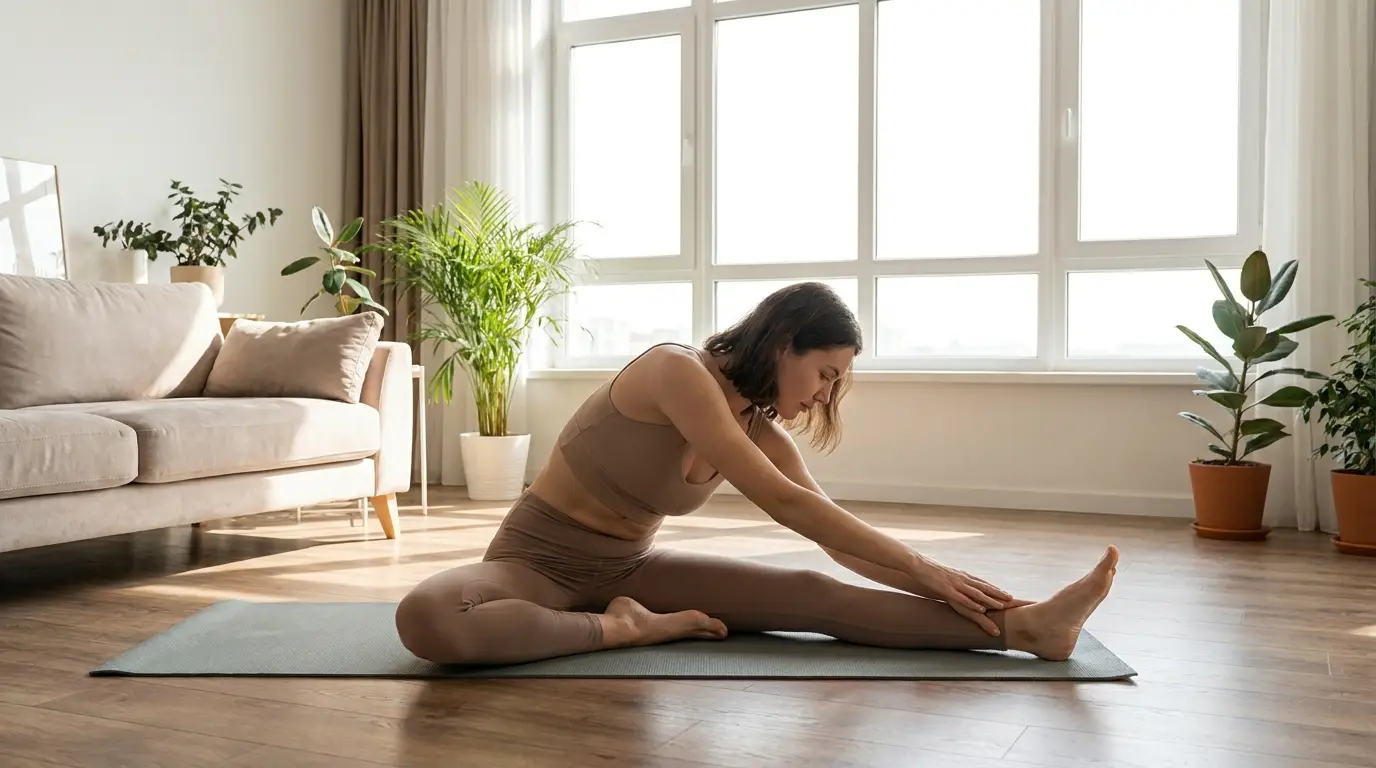

Starting your day with movement can help you feel more energized, improve mobility, and build a consistent fitness habit. A morning exercise routine for beginners at home does not need expensive equipment, intense workouts, or an hour of free time. A simple routine using bodyweight exercises can be enough to strengthen your muscles, improve balance, and gradually increase your fitness.
This beginner-friendly workout takes about 20 minutes, requires little space, and can be adjusted to match your current ability. The goal is not to exercise until exhaustion. The goal is to create a sustainable morning habit that you can repeat.
Table of Contents
Quick Answer: What Is the Best Morning Exercise Routine for Beginners?
A good beginner morning workout should include a short warm-up, gentle strength exercises, light cardio, and a cool-down. Start with 10–20 minutes, perform movements at a comfortable pace, and focus on proper form rather than speed or high repetitions.
A simple routine may include:
- Marching in place
- Chair squats
- Wall push-ups
- Glute bridges
- Bird dogs
- Gentle stretching
You can complete this routine 3–5 mornings per week and gradually increase the duration or number of repetitions as your fitness improves.
Why Exercise in the Morning?
Morning exercise can be a practical way to build consistency because it is completed before many daily responsibilities begin. Some people also find that light movement helps them feel more awake and mentally prepared for the day.
Potential benefits include:
- Improved energy and alertness
- Better mobility after sleeping
- Increased strength and endurance over time
- Support for a healthy daily routine
- A positive sense of accomplishment early in the day
- Less chance of missing a workout because of later commitments
The best workout time is ultimately the time you can maintain consistently. If mornings are difficult, exercising later is still beneficial.
Before You Start
Choose a safe, open area with enough room to move your arms and take a few steps. Wear comfortable clothing and supportive shoes if you prefer them.
Keep these beginner guidelines in mind:
- Start slowly.
- Move with control.
- Breathe naturally.
- Stop if you experience sharp pain, dizziness, chest discomfort, or unusual shortness of breath.
- Use a chair or wall for support when needed.
If you have an injury, a medical condition, have been inactive for a long time, or are unsure whether a new exercise routine is appropriate, consider checking with a qualified healthcare professional.
20-Minute Morning Exercise Routine for Beginners at Home
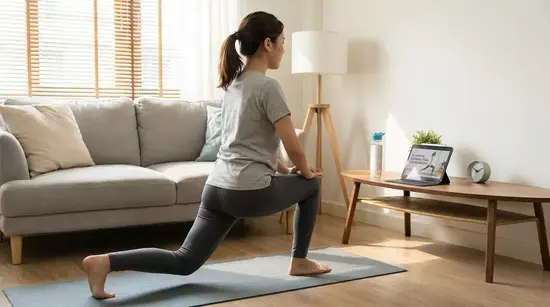
Part 1: Warm-Up — 4 Minutes
Warming up prepares your muscles and joints for movement. Keep the exercises gentle and gradually increase your range of motion.
1. March in Place — 60 Seconds
Stand tall with your feet about hip-width apart. Lift one foot and then the other as if you are walking.
Beginner option: Hold the back of a sturdy chair for balance.
Focus: Keep your shoulders relaxed and move at a comfortable pace.
2. Shoulder Rolls — 30 Seconds Forward and 30 Seconds Backward
Roll both shoulders slowly upward, backward, and downward. Then reverse the direction.
Avoid forcing the movement. The goal is to loosen the upper body rather than stretch aggressively.
3. Arm Circles — 30 Seconds
Extend your arms comfortably to the sides and make small circles. Gradually make the circles slightly larger if it feels comfortable.
4. Gentle Side Reaches — 30 Seconds
Raise one arm and lean gently toward the opposite side. Return to the center and switch sides.
Keep both feet on the floor and avoid twisting.
5. Easy Step Touches — 60 Seconds
Step to one side, bring the other foot toward it, and repeat in the opposite direction.
This adds light movement without jumping or placing excessive impact on the joints.
Part 2: Beginner Strength Circuit — 12 Minutes
Complete each exercise for approximately 40 seconds, then rest for 20 seconds. Repeat the full circuit two times.
If timed intervals feel difficult, perform 8–12 controlled repetitions instead.
1. Chair Squats
Stand in front of a sturdy chair with your feet about shoulder-width apart. Push your hips backward and lower yourself toward the chair. Lightly touch the seat, then stand again.
Why it helps: Chair squats strengthen the legs and support everyday movements such as sitting down and standing up.
Form tips:
- Keep your chest comfortably lifted.
- Keep your feet flat on the floor.
- Allow your knees to move naturally in the same direction as your toes.
- Do not drop quickly into the chair.
Easier option: Use your hands on the chair or a stable surface for support.
2. Wall Push-Ups
Stand facing a wall and place your hands on it at about chest height. Bend your elbows and bring your chest toward the wall. Press through your hands to return to the starting position.
Why it helps: Wall push-ups work the chest, shoulders, arms, and core with less difficulty than floor push-ups.
Form tips:
- Keep your body in a straight line.
- Avoid letting your hips sag.
- Keep the movement slow and controlled.
Progression: Step your feet farther away from the wall.
3. Glute Bridges
Lie on your back with your knees bent and feet flat on the floor. Keep your arms relaxed by your sides. Press through your feet and lift your hips until your body forms a comfortable line from your shoulders toward your knees. Lower slowly.
Why it helps: Glute bridges strengthen the glutes and support the hips and lower body.
Form tips:
- Keep your movement comfortable.
- Avoid over-arching your lower back.
- Pause briefly at the top if it feels good.
4. Bird Dogs
Start on your hands and knees. Slowly extend one arm forward and the opposite leg backward. Return to the starting position and switch sides.
Why it helps: Bird dogs develop balance, coordination, and core control.
Easier option: Move only one arm or one leg at a time.
Form tips:
- Keep your back neutral.
- Avoid rushing.
- Reach long rather than lifting the arm or leg as high as possible.
5. Standing Knee Lifts
Stand tall and slowly lift one knee toward your body. Lower it and switch sides.
Why it helps: This exercise adds light cardio while challenging balance and hip movement.
Easier option: Hold a sturdy chair or countertop.
Progression: Add a gentle opposite-arm reach.
6. Calf Raises
Stand with your feet about hip-width apart. Lift your heels and rise onto the balls of your feet. Lower slowly.
Why it helps: Calf raises strengthen the lower legs and may support balance and walking.
Easier option: Hold a chair for support.
Part 3: Cool-Down — 4 Minutes
A cool-down allows your breathing and heart rate to return toward normal gradually.
Gentle March — 60 Seconds
March slowly while allowing your arms to relax.
Chest Opener — 30 Seconds
Bring your arms behind your body comfortably and gently open your chest. Avoid forcing your shoulders backward.
Seated or Standing Hamstring Stretch — 30 Seconds Per Side
Place one heel slightly forward with the leg comfortably extended. Hinge gently from the hips while keeping your back relaxed.
You should feel mild tension, not pain.
Calf Stretch — 30 Seconds Per Side
Step one foot backward and keep the heel near the floor. Bend the front knee slightly and hold the stretch gently.
Slow Breathing — 60 Seconds
Stand or sit comfortably. Breathe slowly and allow your body to relax.
Beginner Morning Workout Schedule
| Day | Activity |
|---|---|
| Monday | Complete the 20-minute routine |
| Tuesday | Easy walk or gentle stretching |
| Wednesday | Complete the 20-minute routine |
| Thursday | Rest or light movement |
| Friday | Complete the 20-minute routine |
| Saturday | Optional easy walk, yoga, or mobility session |
| Sunday | Rest |
You do not need to exercise intensely every morning. Recovery is part of a balanced fitness routine.
How to Make the Morning Exercise Routine Easier
If you are new to exercise, begin with one round of the strength circuit. Your first workout may take only 10–15 minutes, and that is completely reasonable.
Try these modifications:
- Perform fewer repetitions.
- Rest for 30–60 seconds when needed.
- Hold a chair during balance exercises.
- Use wall push-ups instead of floor push-ups.
- Reduce the depth of chair squats.
- Perform bird dogs with one limb at a time.
Consistency is more useful than pushing too hard during the first week.
How to Progress After Two to Four Weeks
Once the routine feels comfortable, increase only one variable at a time.
You could:
- Add 5 minutes to the workout.
- Increase from two rounds to three.
- Add two repetitions to each exercise.
- Reduce rest periods slightly.
- Move more slowly to increase control.
- Add a longer walk after the workout.
Avoid increasing everything at once. Gradual progress can make the routine easier to maintain and reduce the chance of excessive soreness.
Common Beginner Mistakes
Doing Too Much on the First Day
Starting with an intense workout can lead to unnecessary soreness and make it harder to continue. Begin at a manageable level.
Skipping the Warm-Up
A short warm-up helps you transition from rest to exercise and gives you time to notice how your body feels.
Exercising Too Fast
Fast repetitions can make form harder to control. Slow, deliberate movements are often more suitable for beginners.
Holding Your Breath
Try to breathe steadily. A simple approach is to exhale during the effort and inhale as you return.
Expecting Immediate Results
Fitness changes take time. Focus first on building the habit, then on increasing strength, endurance, or workout duration.
How to Build a Consistent Morning Exercise Routine
Prepare your workout space the night before. Place comfortable clothes and water where you can easily find them.
You can also make the habit easier by:
- Choosing a fixed workout time.
- Starting with only 10 minutes.
- Following the same routine for several weeks.
- Tracking completed workouts on a calendar.
- Pairing exercise with an existing habit, such as drinking water or listening to music.
- Avoiding the “all or nothing” mindset.
A short workout still counts. If you only have five minutes, do a brief warm-up and one round of your favorite exercises.
Key Takeaways
- A beginner morning workout can take as little as 10–20 minutes.
- Start with gentle movement and simple bodyweight exercises.
- Include a warm-up, strength exercises, light cardio, and a cool-down.
- Use a chair or wall for support when needed.
- Focus on controlled movement rather than speed.
- Exercise 3–5 times per week, with rest or light activity between sessions.
- Increase duration or difficulty gradually.
- Consistency matters more than completing a perfect workout.
Morning Exercise Routine Frequently Asked Questions
Is 20 minutes of exercise enough in the morning?
Yes. A 20-minute workout can be a useful way to build strength, improve mobility, and develop a consistent exercise habit. The best duration depends on your fitness level, goals, and total activity throughout the week.
Should beginners exercise every morning?
Beginners can move every morning, but not every session needs to be challenging. Alternate strength workouts with walking, stretching, mobility work, or rest.
Should I eat before a morning workout?
It depends on your comfort and the workout intensity. Some people prefer a light snack before exercising, while others feel comfortable doing gentle exercise before breakfast. Pay attention to how you feel and choose what works for you.
What is the easiest exercise to do at home?
Marching in place is one of the simplest options because it requires no equipment and can be adjusted to different fitness levels.
How long should a beginner exercise?
Starting with 10–20 minutes is practical for many beginners. You can gradually increase the duration as your fitness and confidence improve.
Can I lose weight with morning exercise?
Morning exercise may support weight-management goals, but results also depend on nutrition, overall activity, sleep, and other individual factors. A consistent morning exercise routine is generally more important than the time of day you exercise.
Final Thoughts
A morning exercise routine for beginners at home should feel achievable, not overwhelming. Begin with simple movements, use modifications when needed, and allow your body time to adapt. Over several weeks, a short morning workout can become a reliable part of your daily routine.
The most effective beginner plan is the one you can perform regularly. Start with one round, focus on good movement, and build gradually.