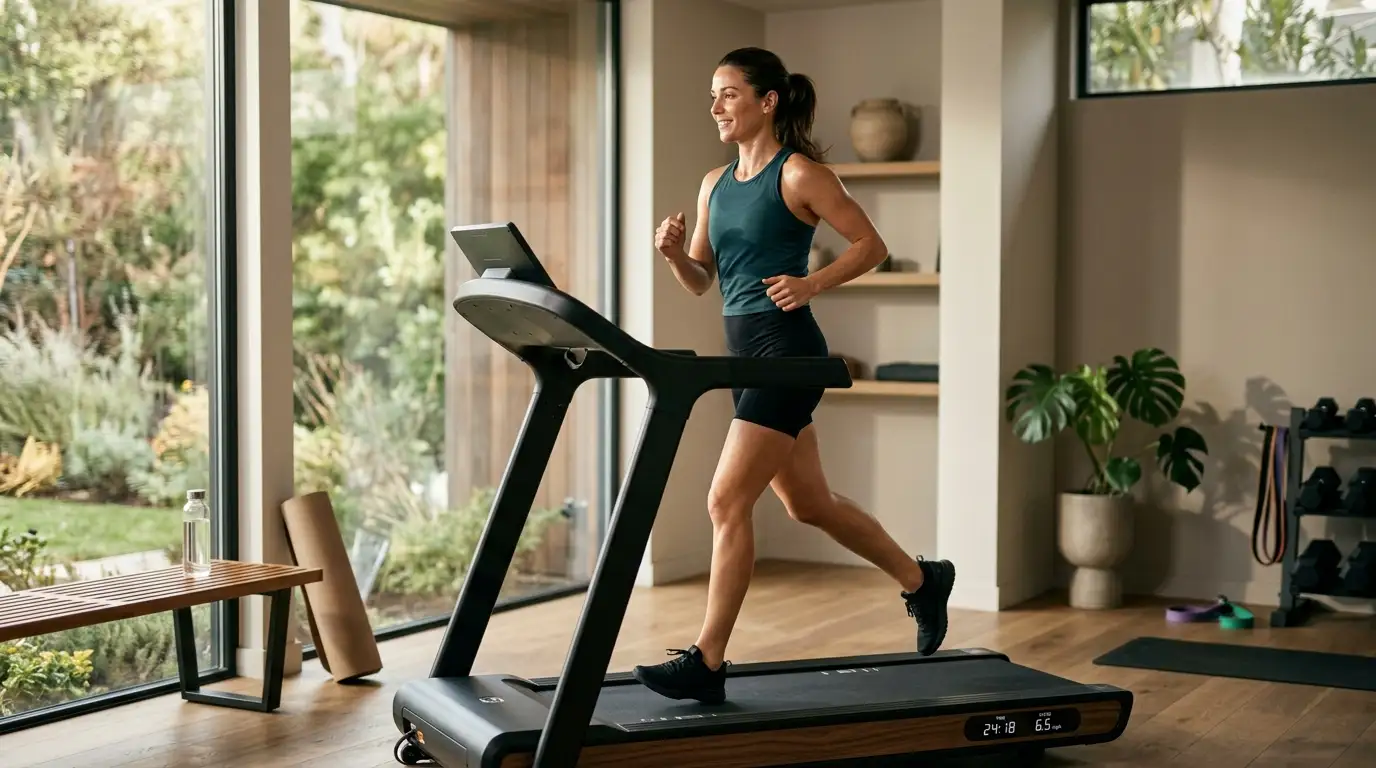
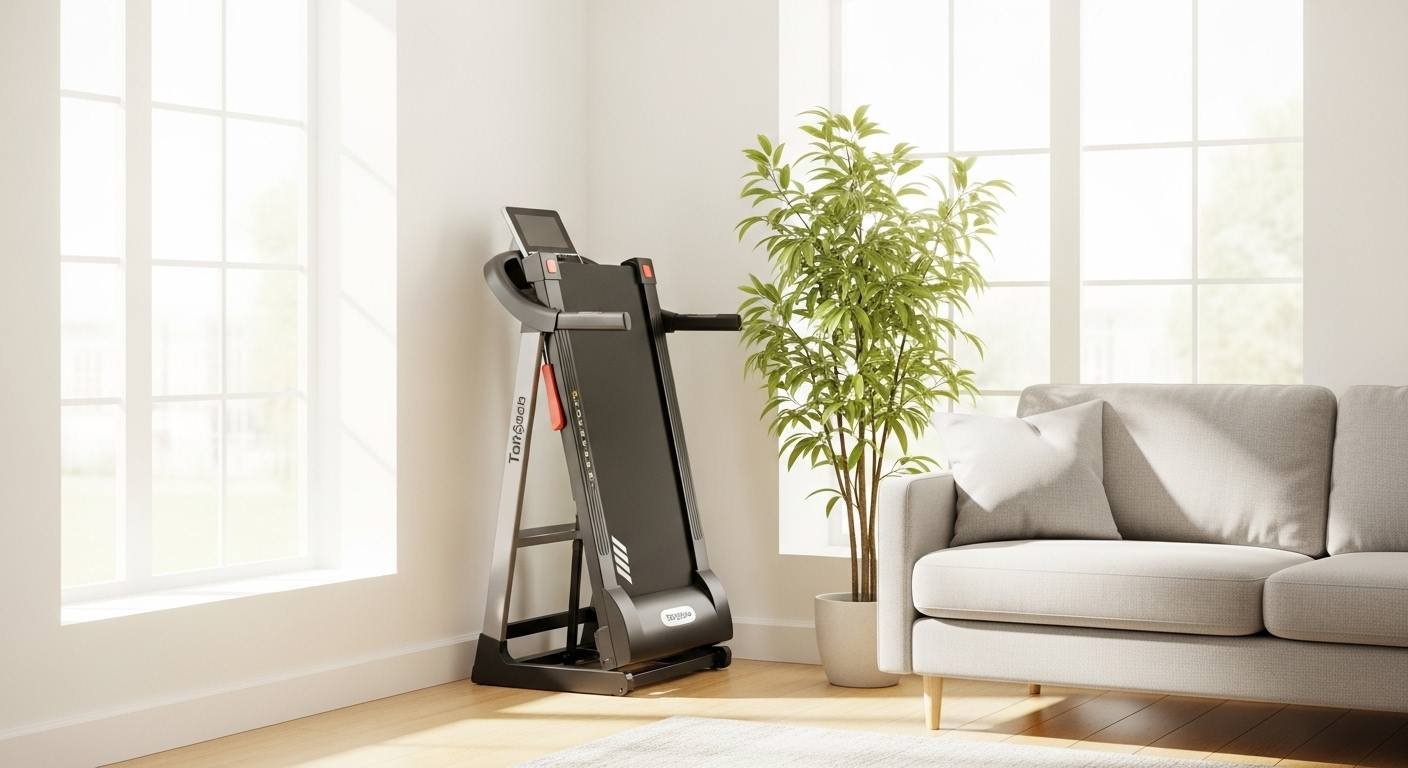

Finding space for fitness equipment in your home can feel like an impossible puzzle. You want to stay active and healthy, but traditional treadmills take up entire rooms and become expensive clothes hangers. This is where portable treadmills change everything.
These compact machines let you walk or run whenever you want, then tuck away when you’re done. No more squeezing past bulky equipment or sacrificing your living space. But with so many options flooding the market, how do you find one that actually works?
This guide cuts through the marketing noise to help you choose a portable treadmill that fits your life, your space, and your fitness goals.
Table of Contents
What Makes a Treadmill Truly Portable?
Not every compact treadmill deserves the portable label. Real portability means more than just being smaller than a commercial gym machine.
A genuinely portable treadmill should have wheels for easy movement, fold flat or upright for storage, and weigh light enough that one person can move it. Most models weigh between 50 and 100 pounds, which is manageable with the built-in wheels.
The best ones slide under beds, stand in closets, or tuck behind furniture. You should be able to set up and store your machine in less than a minute without breaking a sweat before your actual workout.
Key Features That Define Portability
Weight and dimensions matter most. Look for machines under 80 pounds if you’ll move them daily. The Foldable Treadmills should fit your storage space with a few inches to spare.
Wheel quality determines how smoothly your treadmill rolls. Larger wheels work better on carpet, while smaller ones suit hardwood floors.
Folding mechanism should be simple and secure. The best designs use hydraulic systems or easy-lock pins that anyone can operate safely.
Understanding Different Types of Portable Treadmills
The portable treadmill market splits into three main categories, each serving different needs and budgets.
Manual Treadmills
These run purely on your leg power. You push the belt with each step, which creates a challenging workout but limits your speed options.
Manual models cost the least, starting around $100 to $300. They need zero electricity, making them perfect for apartments without convenient outlets. The downside is they’re harder on your joints and limit your workout variety.
Motorized Folding Treadmills
Electric motors power these folding treadmill, giving you consistent speeds and various workout programs. They fold up when you’re done but still offer serious performance.
Prices range from $300 to $1,500 for quality models. You get better cushioning, speed controls, and the ability to do proper running workouts. They need power outlets and weigh more than manual versions.
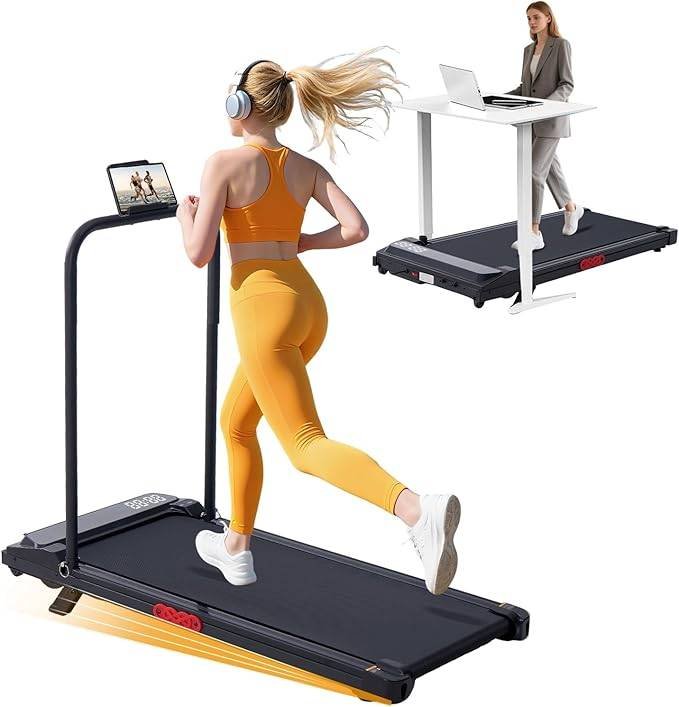
Under-Desk Walking Treadmills
These ultra-flat machines fit under standing desks for walking while you work. They focus on low speeds, typically maxing out around 4 mph.
Expect to pay $200 to $600 for decent quality. They’re perfect for adding movement to your workday but won’t replace cardio workouts. Most lack handrails and incline features.
Who Actually Benefits from Portable Treadmills?
These machines work brilliantly for specific situations but aren’t right for everyone.
Perfect Candidates
Apartment dwellers with limited square footage love how these machines disappear after use. You can maintain your fitness routine without turning your home into a gym.
Remote workers who want to add movement throughout the day benefit hugely. Walking while taking calls or during breaks keeps you active without leaving home.
Beginners starting their fitness journey find portable treadmills less intimidating than gym equipment. The lower investment and home privacy make it easier to build consistent habits.
Seniors looking for low-impact exercise appreciate the cushioned belts and handrails. Walking at your own pace in a safe environment supports healthy aging.
When to Choose Something Else
Serious runners training for races need more substantial machines. Portable treadmills typically max out around 8 mph, which limits speed work.
If multiple family members want to use the machine daily, commercial-grade stability matters more than portability. Heavy use wears down lighter machines faster.
People with significant joint issues should consult doctors before choosing any treadmill. Some conditions require specific medical equipment.
Essential Features to Look For
Quality varies wildly in the portable treadmill market. Focus on these features to avoid wasting money on machines that break or disappoint.
Motor Power and Speed Range
Motor strength determines performance and longevity. Look for at least 2.0 horsepower for walking and 2.5+ HP for running.
Speed range should match your goals. Walkers need 0.5 to 4 mph, while runners want 0.5 to 8 mph or higher. Variable speed controls let you adjust intensity smoothly.
Belt Size and Running Surface
The belt needs enough room for comfortable movement. Walking requires at least 16 inches wide by 48 inches long. Running demands 18 to 20 inches wide by 50+ inches long.
Wider and longer feels more stable and natural. Don’t compromise here, especially if you’re tall or have a long stride.
Weight Capacity
Check the maximum user weight carefully. Most portable treadmills support 220 to 300 pounds. Choose a machine rated at least 50 pounds above your weight for stability and durability.
Higher weight capacities usually indicate stronger frames and better construction quality overall.
Cushioning and Shock Absorption
Your joints will thank you for prioritizing good cushioning. Quality treadmills use multi-layer decks with shock-absorbing technology.
This feature matters more as you age or if you have existing joint concerns. Better cushioning reduces impact by up to 30% compared to pavement running.
Display Console and Programs
Basic displays show speed, time, distance, and calories. Better consoles add heart rate monitoring, built-in workouts, and Bluetooth connectivity.
Decide which features you’ll actually use. Fancy screens add cost, but simple displays work fine if you just want to walk or run.
[Image prompt: Close-up of a modern treadmill console showing clear digital display with workout metrics]
Comparing Popular Portable Treadmill Options
Here’s how different categories stack up across key factors:| Feature | Manual Treadmills | Motorized Folding | Under-Desk Models |
|---|---|---|---|
| Price Range | $100 – $300 | $300 – $1,500 | $200 – $600 |
| Max Speed | Varies by user | 8 – 12 mph | 2 – 4 mph |
| Noise Level | Very quiet | Moderate | Very quiet |
| Storage Space | Minimal | Moderate | Minimal |
| Electricity Needed | No | Yes | Yes |
| Workout Intensity | High effort | Variable | Low intensity |
| Best For | Budget buyers | All-around fitness | Desk workers |
Setting Realistic Expectations
Portable treadmills deliver tremendous value when you understand their limitations and strengths.
What They Do Well
These machines excel at making fitness accessible and convenient. You can squeeze in workouts during commercial breaks, before work, or whenever you have 20 free minutes.
The ability to store them away keeps your living space functional. You’re not dedicating a room to fitness equipment that might not get used.
Quality portable treadmills provide smooth, comfortable workouts for walking and jogging. Modern motors run quietly enough for apartment living, and good cushioning protects your joints better than outdoor surfaces.
Where They Fall Short
Don’t expect commercial gym performance from a $500 portable machine. These treadmills work great for consistent moderate exercise but have limits.
The lightweight construction that makes them portable also means less stability at high speeds. Running faster than 6 mph often feels less secure than on heavier machines.
Durability varies significantly by brand and price point. Budget models may need replacing after a year or two of regular use, while quality machines last five years or more.
Incline options are limited or absent on most portable models. If hill training matters to you, consider this carefully.
Important Note: No portable treadmill can match the stability and performance of a commercial gym machine. Choose based on your actual workout needs, not aspirational training plans you might not follow.
Space Planning and Placement Tips
Success with portable treadmills starts with smart placement planning.
Measuring Your Space
Measure both the space where you’ll use the machine and where you’ll store it. Add at least 2 feet behind the treadmill and 1 foot on each side for safety clearance.
For storage, account for the folded dimensions plus room to maneuver. Many people underestimate how much space folded treadmills actually need.
Flooring Considerations
Hardwood and tile floors work fine with proper mats underneath. Thick rubber mats protect floors, reduce noise, and provide extra stability.
Carpet creates more resistance for moving the treadmill but adds natural cushioning. You might need a stability board under the machine to prevent sinking.
Avoid placing treadmills on uneven surfaces. Even slight slopes affect performance and safety.
Noise Management
Even quiet motors create vibration and sound. Place your treadmill away from bedrooms if others sleep while you exercise.
Rubber mats significantly reduce vibration transmission through floors. This matters especially in apartments and multi-story homes.
Consider your workout timing. Early morning or late evening sessions might disturb others despite having a quiet machine.
Maintenance That Keeps Your Treadmill Running
Simple regular maintenance extends your machine’s life and ensures safe operation.
Weekly Care
Wipe down the belt and console after each use. Sweat damages electronics and breaks down belt materials over time.
Check for loose bolts or unusual sounds. Small issues become big problems if ignored.
Vacuum around and under the treadmill weekly. Dust and debris interfere with the motor and belt movement.
Monthly Tasks
Lubricate the belt according to manufacturer instructions. Most machines need lubricating every 40 to 50 hours of use.
Inspect the power cord and plug for damage. Replace anything frayed or worn immediately.
Test all safety features, including emergency stop clips. These mechanisms must work perfectly every time.
Annual Service
Thoroughly check belt alignment and tension. Misaligned belts wear unevenly and create safety hazards.
Examine the motor area for dust buildup. Compressed air can clean areas you can’t reach otherwise.
Consider professional servicing for machines you use heavily. Expert maintenance catches problems before they cause breakdowns.
Budget Guidelines and Value Assessment
Smart spending starts with honest evaluation of your needs and commitment level.
Budget-Friendly Options ($100-$300)
These entry-level machines work for light walking and testing whether you’ll actually use a treadmill. Don’t expect longevity, but they’re perfect for beginners uncertain about their commitment.
Manual treadmills and basic motorized models fill this category. They lack advanced features but get you moving.
Mid-Range Choices ($300-$700)
This sweet spot offers the best value for most people. You get decent motors, better construction, and features that enhance workouts without unnecessary extras.
Expect 2 to 5 years of regular use from quality mid-range machines. They balance performance and portability effectively.
Premium Selections ($700-$1,500)
Top-tier portable treadmills deliver near-commercial performance in compact packages. Superior motors, excellent cushioning, and smart features justify the higher cost.
These machines suit serious exercisers who want portability without compromising workout quality. Better warranties protect your investment.
Budget Tip: Consider your cost per use over time. A $500 machine used daily for 3 years costs less than $0.50 per workout. Even premium options become affordable with consistent use.
Safety Considerations You Cannot Ignore
Treadmill injuries happen more often than most people realize. Protect yourself with these practices.
Setup Safety
Always use the safety clip attached to your clothing. If you slip or fall, this emergency stop prevents serious injury.
Place your treadmill away from walls and furniture. You need clear space to step off safely in emergencies.
Ensure the machine sits level and stable. Wobbling treadmills are accidents waiting to happen.
Workout Safety
Start slowly and gradually increase speed. Most treadmill accidents occur when people hurry through speed changes.
Never step onto a moving belt. Straddle the belt with feet on side rails, start the machine, then step on carefully.
Stay focused during workouts. Distractions lead to missteps and falls. Save the TV watching for less risky exercises.
Child and Pet Safety
Unplug machines when not in use. Curious children can start treadmills accidentally.
Store safety keys separately. Without the key, most machines won’t operate.
Keep pets away from moving belts. Animal paws can catch in mechanisms, causing injury.
Making Your Final Decision
Choosing the right portable treadmill comes down to matching machine capabilities with your realistic needs.
Questions to Ask Yourself
How often will you actually use this machine? Daily users need better quality than occasional walkers.
What workouts do you plan to do? Walking, jogging, and running each require different specifications.
Where will you store it? Make sure you have realistic storage space that’s actually convenient.
What’s your honest budget? Include the cost of mats and accessories in your calculations.
Red Flags to Avoid
Brands with no real customer reviews or service history should raise concerns. Stick with established companies that support their products.
Suspiciously low prices on machines with premium features usually indicate quality issues. If it seems too good to be true, it probably is.
Short warranty periods suggest manufacturers lack confidence in their products. Look for at least one year of coverage on parts and labor.
Starting Your Portable Treadmill Journey
The right portable treadmill transforms your fitness routine by removing barriers between you and consistent exercise.
You don’t need a home gym or expensive memberships to stay active. A quality portable machine gives you convenient, effective workouts whenever you want them.
Focus on finding something you’ll actually use regularly. The best treadmill is the one that fits your life well enough that you step on it consistently.
Start with realistic goals and let your fitness evolve. Most people begin walking and naturally increase intensity as they build strength and endurance.
Remember that consistency beats intensity every time. A 20-minute daily walk on a modest portable treadmill delivers better results than sporadic visits to a fancy gym.