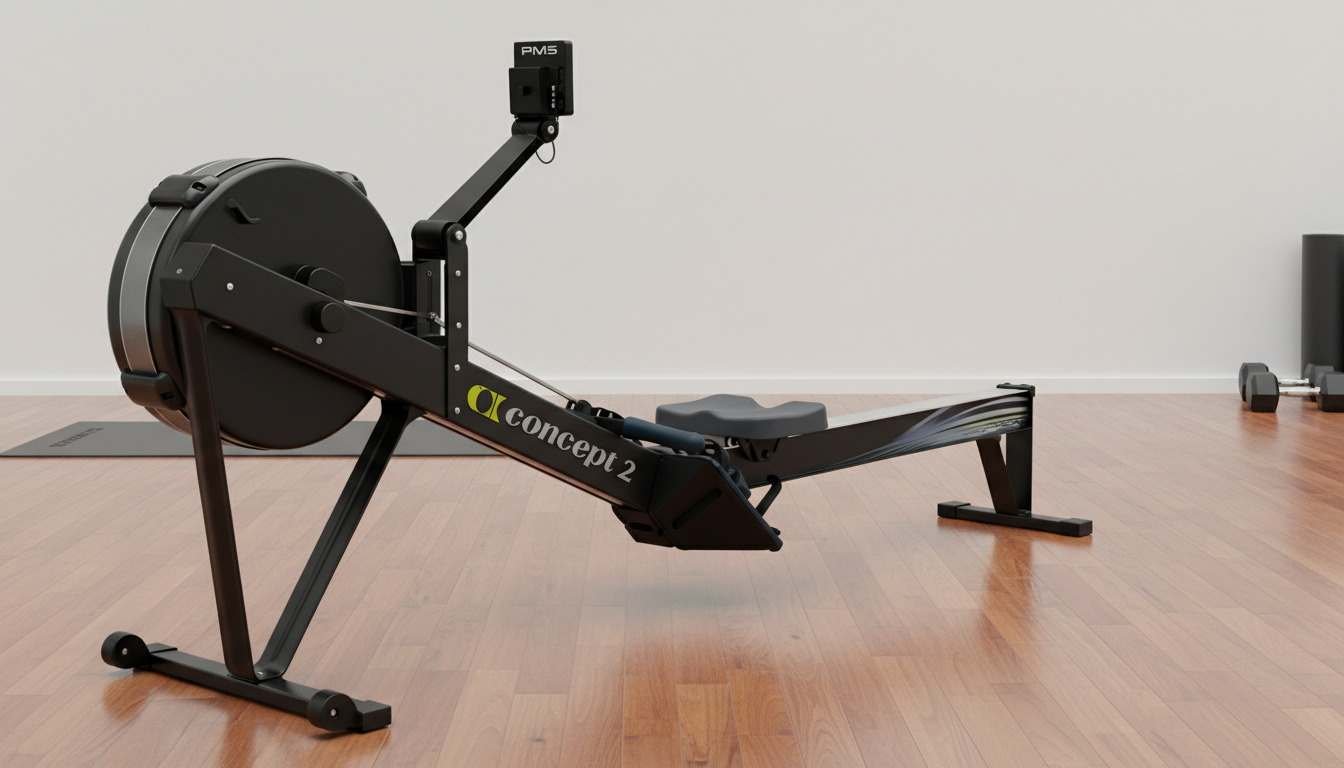

If you’re serious about home fitness and considering a rowing machine, you’ve probably heard about Concept 2. This brand dominates gyms, CrossFit boxes, and Olympic training facilities worldwide. But does the Concept 2 rower deserve its legendary reputation, and more importantly, is it the right choice for your home gym?
I’ve spent considerable time researching and analyzing the Concept 2 rower to give you an honest, comprehensive review. This isn’t about hype or exaggeration. It’s about helping you make an informed decision on a significant investment that could transform your fitness routine.
Let’s dive into what makes this rowing machine special, where it excels, and whether it’s worth the premium price tag.
Table of Contents
What Makes the Concept 2 Rower Stand Out?
The Concept 2 rower isn’t just another piece of exercise equipment. It’s widely considered the industry standard for indoor rowing machines, used by professional athletes, rehabilitation centers, and fitness enthusiasts alike.
What sets it apart is simple: exceptional build quality, accurate performance tracking, and a design that closely mimics actual on-water rowing. Unlike many fitness machines that promise the world and deliver mediocrity, the Concept 2 rower has earned its reputation through decades of consistent performance.
The company offers several models, but the Model D and Model E are the most popular for home use. Both share the same exceptional flywheel and monitor system, with the main difference being the height of the seat.
Concept 2 Rower Models Comparison
Understanding the differences between models helps you choose the right one for your needs.| Feature | Model D | Model E | RowErg |
|---|---|---|---|
| Seat Height | 14 inches | 20 inches | 14 inches |
| Monitor | PM5 | PM5 | PM5 |
| Resistance | Air | Air | Air |
| Weight Capacity | 500 lbs | 500 lbs | 500 lbs |
| Machine Weight | 57 lbs | 65 lbs | 57 lbs |
| Best For | Most users | Easier mounting | Same as Model D |
Important Note: The RowErg is essentially the same as the Model D with updated branding. Concept 2 transitioned to calling their rower rowing machines “RowErg” but the Model D name is still widely used and recognized.
Build Quality and Durability: Built Like a Tank
When you invest in a Concept 2 rower, you’re buying equipment designed to withstand brutal daily use in commercial gyms. This isn’t an exaggeration. These machines routinely handle thousands of hours of rowing in demanding environments.
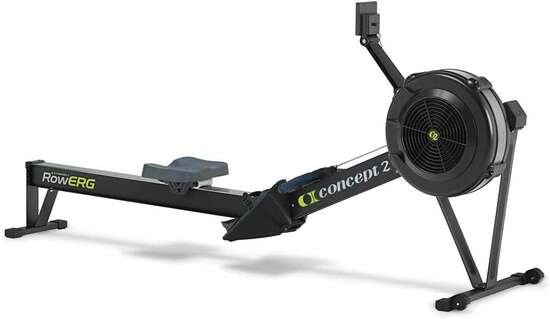
The frame is constructed from steel and aluminum, giving it a solid, stable feel without being impossibly heavy. At 57 pounds for the Model D, it’s manageable enough to move around your home gym when needed.
The seat glides smoothly on a nickel-plated steel monorail. Even after years of use, this rail maintains its smoothness. The seat itself has small wheels that roll effortlessly, and the ergonomic design keeps you comfortable during longer sessions.
The handle and footrests are equally well-constructed. The handle has a comfortable grip that doesn’t cause hand fatigue, and the adjustable footrests accommodate different foot sizes securely.
Why Commercial-Grade Matters for Home Use
You might wonder if commercial-grade durability matters for home use. The answer is absolutely yes. Here’s why:
First, you’re not constantly replacing parts or dealing with squeaks and rattles that develop over time. Second, the resale value remains remarkably high. A well-maintained Concept 2 rower can sell for 60-70% of its original price years after purchase.
Third, the warranty reflects the build quality. Concept 2 offers a five-year warranty on the frame and a two-year warranty on parts. This isn’t common in the fitness equipment world, where many companies offer one year or less.
The Air Resistance System: Simple and Effective
The Concept 2 rower uses air resistance, which means the harder you pull, the more resistance you feel. This self-regulating system is brilliant in its simplicity.
Inside the flywheel housing is a fan. As you pull the handle, you spin the fan, which pushes air and creates resistance. Pull harder, and the fan spins faster, creating more resistance automatically.
This differs from magnetic resistance rowers that require you to manually adjust resistance levels. With the Concept 2 rower, your effort determines the resistance naturally.
The Damper Setting Explained
The damper on the side of the flywheel cage is often misunderstood. Many people think it’s a resistance setting like on a stationary bike. It’s not.
The damper controls airflow into the flywheel cage, which affects how the rowing feels. A lower damper setting (1-3) feels like rowing a sleek racing shell. A higher setting (7-10) feels like rowing a slower, heavier boat.
Most rowers find their sweet spot between 3 and 5. Higher isn’t necessarily better or harder. The resistance you feel still depends primarily on how hard you pull, regardless of damper setting.
Tip from Experienced Rowers: Start with the damper around 4 and adjust based on your preference. Beginners often set it too high, which can lead to poor form and fatigue.
PM5 Performance Monitor: Your Rowing Computer
The PM5 monitor is where the Concept 2 rower truly shines. This isn’t a basic display showing time and distance. It’s a sophisticated computer that tracks multiple metrics with impressive accuracy.
The backlit screen displays:
- Time elapsed
- Distance covered
- Strokes per minute
- Current pace (split time per 500 meters)
- Calories burned
- Heart rate (with optional chest strap)
- Watts generated
The accuracy of these measurements is exceptional. The PM5 uses the same technology found in professional rowing equipment, making your home workouts directly comparable to performance standards used worldwide.
Connectivity and Apps
The PM5 includes Bluetooth and ANT+ connectivity. This allows you to:
Connect heart rate monitors wirelessly for more accurate calorie tracking and zone training. Link with the Concept 2 Erg Data app to automatically save your workouts and track progress over time. Join virtual races and challenges through platforms like EXR, Zwift, and the Concept 2 logbook.
The ability to compete virtually against rowers worldwide adds a motivating social element to solo workouts. You can race against people in real-time or try to beat times posted by others.
Workout Variety and Training Options
One concern people have about rowing machines is whether they’ll get bored. The Concept 2 rower addresses this through workout variety.
The PM5 includes several pre-programmed workout options:
Interval Training: Set work and rest periods for high-intensity interval training. You can customize intervals or use standard options like Tabata (20 seconds work, 10 seconds rest).
Distance Workouts: Row a set distance at your own pace or try to beat previous times.
Time Workouts: Row for a specific duration, perfect for fitting workouts into busy schedules.
Pace Workouts: Try to maintain a target split time, ideal for building consistency and pacing skills.
The “Just Row” Mode
Sometimes you don’t want a structured workout. You just want to row. The “Just Row” mode lets you hop on and go, with the monitor tracking everything automatically. No setup, no programming, just rowing.
This simplicity is refreshing. You’re not forced to navigate complex menus or commit to a specific workout structure.
Comfort During Workouts: The Real Experience
Comfort matters when you’re rowing for 20, 30, or 60 minutes. The Concept 2 rower handles this well, though it’s not perfect.
The seat is firm but adequately cushioned. Some people find it comfortable as-is, while others prefer adding a thin seat pad for longer sessions. The seat’s firmness is intentional, promoting proper posture rather than allowing you to sink into cushioning.
The handle has a comfortable diameter and grip texture. Your hands won’t slip, even when sweaty, and the grip doesn’t cause hot spots or blisters during typical workouts.
The footrests adjust easily and secure your feet well. The heel cups work for most foot sizes, though people with very large or very small feet might need to experiment with positioning.
Noise Level Considerations
Air resistance rowers make noise. There’s no avoiding this fact. The whooshing sound of the flywheel is part of the experience.
That said, the Concept 2 rower isn’t excessively loud. You can watch TV at normal volume while rowing, though you might want to increase it slightly. You can definitely have a conversation, though you’ll need to speak up a bit during intense pulls.
The noise is smooth and consistent, not jarring or mechanical. Many people find it rhythmic and almost meditative. It’s certainly quieter than a treadmill.
If you live in an apartment, consider placing the rower on a rubber mat to minimize vibration transfer to the floor.
Real User Experience: “I was worried about noise in my apartment, but my downstairs neighbors have never complained. The whooshing is noticeable but not disruptive.” – Sarah, Concept 2 Model D owner
Storage and Space Requirements
The Concept 2 rower isn’t small, but it’s designed with home use in mind.
When set up for rowing, the Model D measures approximately 96 inches long and 24 inches wide. You’ll want additional clearance around it, so plan for a space roughly 9 feet by 4 feet.
The good news is that it separates into two pieces for storage. Simply pull the quick-release pin and separate the front (with the flywheel) from the back (with the seat and rail). Both pieces stand upright and can be stored in a closet or against a wall.
In storage mode, it takes up just 25 inches by 33 inches of floor space. This storage capability is a game-changer for homes where dedicated gym space is limited.
The caster wheels on the front leg make moving it easy. You can tilt the machine and roll it around on hard floors without struggle.
Assembly Requirements
Assembly is straightforward. The rower arrives mostly assembled. You’ll need to attach the front and back sections, install the footrests, and connect a few cables.
Most people complete assembly in 20-30 minutes using the included tools and clear instructions. You don’t need to be mechanically inclined.
Maintenance: Minimal Effort Required
One of the Concept 2 rower’s best features is how little maintenance it needs. This isn’t equipment that requires constant adjustment or complicated upkeep.
Your maintenance routine consists of:
Every few months: Wipe down the monorail with a cloth and apply a small amount of oil. Concept 2 provides specific oil recommendations, but standard 3-in-1 household oil works fine.
Occasionally: Vacuum any dust around the flywheel cage vents. Dust can accumulate over time and slightly impact performance.
Rarely: Check chain tension, though this rarely needs adjustment with normal use.
That’s essentially it. No belt replacements, no complex calibrations, no special servicing required.
The chain might need replacing eventually, but we’re talking about years of regular use. Replacement chains are inexpensive and easy to install.
What the Concept 2 Rower Does Exceptionally Well
After analyzing this machine thoroughly, certain strengths stand out clearly.
Consistency and reliability are paramount. You can trust the machine to work properly every single time. No temperamental electronics, no mechanical issues, no frustrating malfunctions.
Accurate performance data transforms workouts. Knowing your exact split times, stroke rate, and wattage allows genuine progress tracking. You can set meaningful goals and measure improvement objectively.
The rowing feel is authentic and smooth. The air resistance mimics on-water rowing better than other resistance types. The catch, drive, and recovery all feel natural.
Long-term value exceeds most fitness equipment. While the initial cost is significant, the per-use cost becomes incredibly low over years of reliable service.
Versatility for different fitness levels works beautifully. Beginners can start gently, while advanced athletes can push maximum intensity. The same machine accommodates both.
Limitations and Honest Drawbacks
No product is perfect, and the Concept 2 rower has some limitations worth considering.
The price is substantial. Depending on the model and where you purchase, you’re looking at $900-$1,000 or more. This puts it in the premium category for home fitness equipment.
The seat comfort isn’t luxurious. While adequate for most people, those accustomed to heavily padded seats might find it firm. A simple seat cushion solves this, but it’s an additional purchase.
It’s not whisper-quiet. The air resistance creates audible whooshing. This won’t work for everyone, especially those in apartments with noise-sensitive neighbors or families with sleeping babies.
The learning curve for proper form exists. Rowing looks simple but requires technique. Poor form reduces effectiveness and can cause discomfort. You’ll want to watch instructional videos or get coaching to row correctly.
No built-in entertainment. Unlike some modern fitness equipment, there’s no integrated screen with streaming classes or entertainment. You’ll need to position your own tablet or TV if you want visual stimulation.
Who Should Buy the Concept 2 Rower?
This machine makes sense for specific types of buyers.
Serious fitness enthusiasts who want professional-quality equipment at home will appreciate the Concept 2 rower. If you’re committed to regular training and value accurate performance metrics, this is your machine.
Former rowers or those training for rowing competitions need the authentic feel and accurate metrics the Concept 2 provides. Nothing else on the market compares.
CrossFit athletes benefit from having the same equipment used in competitions and affiliate gyms. Your home training translates directly to performance in the box.
People with joint issues find rowing’s low-impact nature appealing. The Concept 2’s smooth resistance allows effective cardio without the pounding of running.
Home gym builders who want one versatile cardio machine that works the entire body should seriously consider rowing. The Concept 2’s durability makes it a cornerstone piece.
Who Might Look Elsewhere?
- If your budget is tight, less expensive rowing machines exist. They won’t match the Concept 2’s quality, but they’ll get you rowing for less money.
- If you live in a noise-sensitive environment where the whooshing would be problematic, magnetic resistance rowers run quieter.
- For users who prefer guided workouts with streaming classes and touchscreen entertainment, specialized connected fitness equipment might be a better fit.
However, if you only plan to use it occasionally, the premium price may not be justified—so consider whether you’ll use it enough to warrant the investment.
Price Comparison and Where to Buy
Understanding your purchase options helps you get the best deal.| Retailer | Model D Price Range | Model E Price Range | Shipping |
|---|---|---|---|
| Concept 2 Direct | $900-$990 | $1,115-$1,200 | Free (US) |
| Amazon | $945-$1,000 | $1,150-$1,250 | Varies |
| Rogue Fitness | $945 | $1,155 | Varies |
| Dick’s Sporting Goods | $990 | $1,200 | Varies |
Money-Saving Tip: Buying directly from Concept 2 ensures you get the full warranty and support. They occasionally run promotions around holidays. Used models in good condition can be found for $600-$750, offering significant savings.
Alternatives Worth Considering
If you’re shopping around, a few alternatives deserve mention.
WaterRower: Uses water resistance for an even quieter operation and attractive wood construction. More expensive and requires more maintenance. The feel is different from air resistance.
NordicTrack RW900: Features a large touchscreen with streaming classes. More entertainment-focused but less durable for serious training. Higher ongoing subscription cost.
Hydrow: Premium connected rower with beautiful screen and instructor-led classes. Significantly more expensive with required subscription. Built for the home fitness class experience.
None of these alternatives match the Concept 2’s combination of durability, accurate metrics, and proven performance. They offer different features that might appeal to specific preferences, but they don’t replace what the Concept 2 does best.
Real User Experiences and Feedback
Looking at feedback from actual long-term owners reveals consistent themes.
Longevity impresses everyone. Users report machines functioning perfectly after 5, 10, even 15 years of regular use. This isn’t anecdotal. It’s the standard experience.
The learning curve is real but manageable. New rowers wish they’d learned proper technique sooner, but once mastered, the workout becomes addictive.
Seat comfort generates mixed feedback. Roughly half of users find it fine as-is. The other half add a thin pad and report complete satisfaction.
Results speak loudly. Users consistently report improved cardiovascular fitness, weight loss, and muscle toning. The full-body workout delivers genuine results.
Long-Term Owner Quote: “I bought mine in 2012. It’s been moved three times, used thousands of hours, and works exactly like day one. Best fitness investment I’ve ever made.” – Michael, Model D owner since 2012
Maximizing Your Investment
If you decide to buy a Concept 2 rower, get the most from it with these strategies.
Learn proper form first. Watch Concept 2’s official technique videos or work with a coach. Proper form makes every workout more effective and prevents discomfort.
Track your workouts consistently. Use the Concept 2 logbook or ErgData app. Seeing your progress motivates continued effort and helps you set meaningful goals.
Mix up your workouts. Don’t just row the same pace for the same time every session. Try intervals, distance challenges, and varying intensities.
Connect with the community. The Concept 2 online forums and social media groups offer support, challenges, and motivation. You’re joining a worldwide community of rowers.
Consider accessories. A heart rate monitor enhances workout tracking. A fan makes longer sessions more comfortable. A floor mat protects your flooring.
Final Verdict: Is the Concept 2 Rower Worth It?
After examining every aspect of this machine, the answer depends on your specific situation and goals.
For someone committed to regular rowing workouts who values quality, durability, and accurate performance tracking, the Concept 2 rower absolutely justifies its premium price. It’s an investment that will serve you reliably for many years.
The machine delivers on its promises without exaggeration. It’s well-built, accurately tracks performance, provides an excellent workout, and requires minimal maintenance. These aren’t marketing claims. They’re demonstrated realities backed by decades of consistent performance.
However, if you’re unsure about rowing as an exercise, consider trying it at a gym first. If you need entertainment or guided classes, factor in additional equipment or subscription services. If budget is your primary concern, explore used options or less expensive alternatives.
The Concept 2 rower dominates its market for good reason. It’s the benchmark against which all other rowing machines are measured, and it earned that position through excellence, not hype.
Frequently Asked Questions
How long does a Concept 2 rower last?
With proper basic maintenance, 15-20+ years of regular use is common. Many users report machines functioning perfectly after decades.
Is rowing better than running?
Rowing provides a full-body, low-impact workout compared to running’s high-impact, lower-body focus. Both are excellent cardio. Rowing is easier on joints and engages more muscle groups.
Can beginners use the Concept 2 rower?
Absolutely. The air resistance self-regulates, making it accessible for any fitness level. Start slowly and learn proper form for best results.
Does it really work your whole body?
Yes. Proper rowing technique engages legs, core, back, shoulders, and arms. It’s approximately 60% legs, 20% core, 20% upper body.
What’s the difference between Model D and Model E?
Primarily seat height. Model E sits 6 inches higher, making it easier to mount for some users. Both have identical performance features.
How much space do I need?
About 9 feet by 4 feet for rowing. It separates into two pieces for storage, requiring just 25 inches by 33 inches when stored upright.
The Concept 2 rower represents one of the most reliable investments you can make in home fitness equipment. It’s not the cheapest option, but it’s arguably the best value when you factor in decades of dependable service, accurate performance tracking, and effective full-body workouts. For those serious about rowing or seeking professional-quality cardio equipment, few alternatives compete.