

Staying consistent with home workouts requires accountability, precision, and motivation. The right fitness tracker can transform your routine, allowing you to monitor heart rate, calories burned, steps, sleep patterns, and even VO2 max, ensuring each workout is effective and aligned with your goals.
Here, we explore the top fitness trackers for home workouts, helping you choose a device that elevates your training and maximizes your results.
Table of Contents
Why Fitness Trackers Are Essential for Home Workouts
With home workouts, there is no personal trainer pushing you to maintain intensity. A fitness tracker becomes your silent coach, ensuring:
- Real-time heart rate monitoring for staying in target zones
- Calorie tracking to match your fitness goals
- Step and activity counting to encourage daily movement
- Recovery and sleep tracking for optimizing performance
Selecting the best fitness tracker for home workouts ensures your time and effort translate into measurable progress.
Best Fitness Trackers for Remote Workers
Working remotely offers flexibility, but spending long hours at a desk can make it difficult to maintain an active lifestyle. The best fitness trackers for remote workers help bridge this gap by monitoring daily activity, tracking sleep, and encouraging movement throughout the workday.
When choosing a fitness tracker for remote work, look beyond workout performance. Consider features such as inactivity reminders, step tracking, continuous heart rate monitoring, stress management tools, and battery life. These features can help you build healthier habits without disrupting your work schedule.
Here are some options worth considering:
- Apple Watch Series 9: A suitable option for iPhone users who want activity reminders, workout tracking, and integration with Apple’s health and fitness apps.
- Fitbit Charge 6: A practical choice for remote workers who want a lightweight tracker with daily activity monitoring, sleep insights, and heart rate tracking.
- Garmin vívosmart 5: Worth considering if you prefer a discreet design, long battery life, and all-day activity and stress monitoring.
- Samsung Galaxy Watch 6: An option for compatible Android users who want smartwatch functionality alongside activity tracking and health insights.
For the best results, use your tracker to establish simple routines, such as taking a short walking break between meetings, stretching regularly, or monitoring your daily step count. A fitness tracker cannot replace healthy work habits, but it can make it easier to recognize inactivity and stay consistent with your wellness goals.
Comparison Table: Best Fitness Trackers for Remote Workers and Home Workouts
| Fitness tracker | Best for | Key features | Battery life | Ideal user |
|---|---|---|---|---|
| Apple Watch Series 9 | iPhone users | Activity reminders, heart rate tracking, workout modes, sleep tracking | Up to 18 hours (typical use) | Remote workers who want smartwatch features and fitness tracking |
| Fitbit Charge 6 | Everyday activity | Step tracking, heart rate monitoring, sleep insights, exercise modes | Up to 7 days | Remote workers seeking a lightweight, everyday tracker |
| Garmin vívosmart 5 | Long battery life | Stress monitoring, Body Battery, sleep tracking, activity tracking | Up to 7 days | Desk workers who want discreet, continuous tracking |
| WHOOP 4.0 | Recovery and sleep | HRV, sleep analysis, strain tracking, recovery insights | Around 4–5 days per charge | Remote workers focused on recovery and training readiness |
| Samsung Galaxy Watch 6 | Android users | Activity tracking, sleep monitoring, heart rate tracking, smartwatch features | Up to 40 hours under specified conditions | Remote workers who want a connected smartwatch |
Note: Battery life varies with settings, usage, and software. Some features require subscriptions, compatible smartphones, or specific regional support. Inactivity reminders and their availability also vary by device.
Apple Watch Series 9: Best for iOS Users

The Apple Watch Series 9 blends seamless Apple ecosystem integration with powerful fitness tracking features. With its advanced heart rate monitoring, Blood Oxygen app, and ECG functionality, it delivers comprehensive health insights.
- Activity Rings encourage you to close Move, Exercise, and Stand goals daily.
- Tracks a wide variety of home workouts including HIIT, Yoga, Dance, and Strength Training.
- Offers Fitness+ integration, providing guided workouts with on-screen metrics.
- Excellent sleep tracking to help optimize recovery.
Its bright Always-On Retina display, combined with fall detection and emergency SOS, make it more than a fitness tracker – it’s a complete wellness companion for your home fitness journey.
Fitbit Charge 6: The All-Rounder

The Fitbit Charge 6 remains a leader among fitness trackers for home workouts, with a perfect balance between affordability and advanced features.
- Continuous heart rate monitoring with Active Zone Minutes to optimize your workouts.
- Tracks over 40 exercise modes including home-centric workouts.
- Advanced sleep tracking with Sleep Score and Smart Wake alarms.
- Built-in GPS for tracking outdoor runs and walks without your phone.
- Stress management tools including guided breathing exercises.
The Fitbit app provides actionable insights, allowing you to adjust your workout intensity, set goals, and monitor your progress consistently.
Garmin Vivosmart 5: Compact Yet Powerful

The Garmin vívosmart 5 fitness tracker is a compact fitness tracker perfect for those focused on metrics and durability.
- 24/7 heart rate monitoring and advanced sleep tracking.
- Tracks VO2 Max and all-day stress.
- Offers Body Battery energy monitoring to gauge the best times for workouts.
- Includes women’s health tracking for cycle and pregnancy monitoring.
- Long battery life of up to 7 days for uninterrupted tracking.
Its comfortable design ensures you can wear it all day, making it ideal for users wanting a low-profile yet efficient tracker for home workouts.
WHOOP 4.0: The Elite Performance Tracker
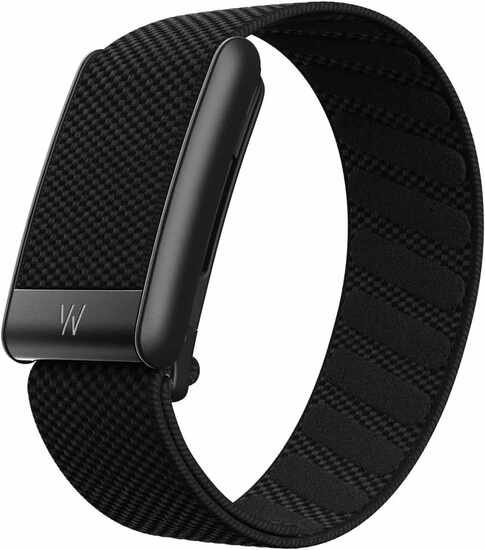
The WHOOP 4.0 is for serious home athletes who want data-driven insights into recovery, strain, and sleep.
- Tracks heart rate variability (HRV), resting heart rate, and respiratory rate.
- Provides a daily recovery score to guide your workout intensity.
- No screen, focusing entirely on analytics delivered via its app.
- Offers strain tracking to prevent overtraining and optimize recovery.
- Waterproof, comfortable, and designed for continuous wear.
While it requires a monthly membership, its high-level analytics and community support justify the investment for dedicated fitness enthusiasts.
Samsung Galaxy Watch 6: For Android Integration

The Samsung Galaxy Watch 6 is a powerful option for Android users seeking a wearables for progress tracking that doubles as a smartwatch.
- Tracks heart rate, SpO2, stress levels, and advanced sleep stages.
- Supports auto workout detection for activities like cycling and elliptical workouts.
- Includes body composition analysis, providing metrics like skeletal muscle and body fat percentage.
- Long battery life with fast charging capabilities.
- Integration with Samsung Health for personalized workout plans.
Its sleek design and robust health monitoring make it a premium choice for for home fitness tracking.
Key Features to Look For in a Fitness Tracker for Home Workouts
When selecting the best fitness tracker for home workouts, prioritize these essential features:
- Heart Rate Monitoring: Crucial for managing workout intensity.
- Workout Modes: Ensure it tracks the workouts you perform at home.
- Sleep Tracking: Recovery is as vital as training for progress.
- Battery Life: Opt for a device that lasts at least 5-7 days.
- Water Resistance: In case your workouts include sweat-heavy sessions or require showering without removal.
- App Integration: Look for intuitive, data-rich apps to interpret your progress.
- Comfort: You will be wearing it for extended periods.
Maximizing Your Home Workouts with Fitness Trackers
Owning a fitness tracker is just the start. To get the most out of your device:
- Set specific, trackable goals like calories burned, daily steps, or workout frequency.
- Use heart rate zones to guide HIIT, strength training, or cardio sessions.
- Analyze sleep and recovery metrics to adjust your training schedule.
- Participate in fitness challenges available in apps like Fitbit and Apple Health to stay motivated.
- Regularly review your progress and adjust goals to ensure continued improvement.
Final Thoughts on Choosing the Best Fitness Tracker
Choosing the right fitness tracker for home workouts depends on your fitness goals, preferred ecosystem (Apple, Android, or standalone), and the type of metrics you wish to monitor. Each of the devices listed here provides unique benefits, ensuring you find one that aligns with your fitness journey.
By leveraging the power of data, fitness trackers empower you to train smarter, recover better, and remain consistent, making your home workout efforts effective and rewarding
Frequently Asked Questions (FAQs)
1. What is the best fitness tracker for remote workers?
The best fitness tracker for remote workers depends on your needs and budget. The Fitbit Charge 6 is a good option for everyday activity, sleep, and heart rate tracking. The Apple Watch Series 9 suits iPhone users who want more smartwatch functionality, while the Garmin vívosmart 5 is worth considering for its compact design and longer battery life.
2. Can a fitness tracker help remote workers stay active?
Yes. A fitness tracker can help remote workers monitor their daily steps, recognize periods of inactivity, and establish consistent movement habits. Depending on the device, reminders and activity goals can encourage short walking breaks, stretching, and regular exercise throughout the workday.
3. Which fitness tracker is best for tracking steps while working from home?
The Fitbit Charge 6, Garmin vívosmart 5, and Apple Watch Series 9 all track daily steps and general activity. The best choice depends on your smartphone, preferred design, battery-life requirements, and the companion app you find easiest to use.
4. Are fitness trackers useful for people who sit at a desk all day?
Yes. Fitness trackers can help desk workers become more aware of their activity levels and build movement breaks into their routines. Some devices support inactivity alerts or reminders to stand and move. However, feature availability varies, and a tracker cannot replace regular movement or ergonomic work habits.
5. Should remote workers choose a fitness tracker or a smartwatch?
A fitness tracker is generally suitable for people who prioritize daily steps, sleep, heart rate, and battery life in a compact device. A smartwatch may be better if you also want notifications, calls, apps, and calendar alerts. Consider your daily routine and the features you will actually use before choosing.
6. What features should remote workers look for in a fitness tracker?
Look for these features when comparing devices:
Step and activity tracking to monitor movement throughout the day.
Inactivity reminders to encourage regular breaks from sitting.
Sleep tracking to understand sleep patterns and support healthy routines.
Heart rate monitoring to track activity and exercise intensity.
Stress tracking to gain additional insight into daily patterns.
Battery life and comfort for consistent all-day wear.
7. Can a fitness tracker improve sleep for remote workers?
A fitness tracker can help you observe sleep duration and patterns, which may encourage more consistent sleep habits. Some devices also provide sleep scores or personalized insights. These measurements are estimates rather than medical diagnoses, so use them as general guidance.
8. Do remote workers need an expensive fitness tracker?
No. An expensive device is not essential for staying active while working remotely. An affordable tracker that reliably monitors steps, sleep, and daily activity may be sufficient. Premium models are worth considering if you need advanced training metrics, smartwatch features, or more detailed recovery insights.
9. How can I use a fitness tracker to build a healthier work-from-home routine?
Set a realistic daily step goal, enable movement reminders if available, take short walking breaks between meetings, and review your activity at the end of the day. You can also monitor sleep patterns and schedule regular workouts to develop a sustainable routine.
10. Is the best fitness tracker for remote workers different from the best one for home workouts?
Not necessarily, but the priorities differ. Remote workers may value step tracking, inactivity reminders, comfort, battery life, and sleep monitoring. People focused on home workouts may prioritize workout modes, heart rate zones, exercise metrics, and recovery insights. A single device can serve both purposes if it supports the features you need.