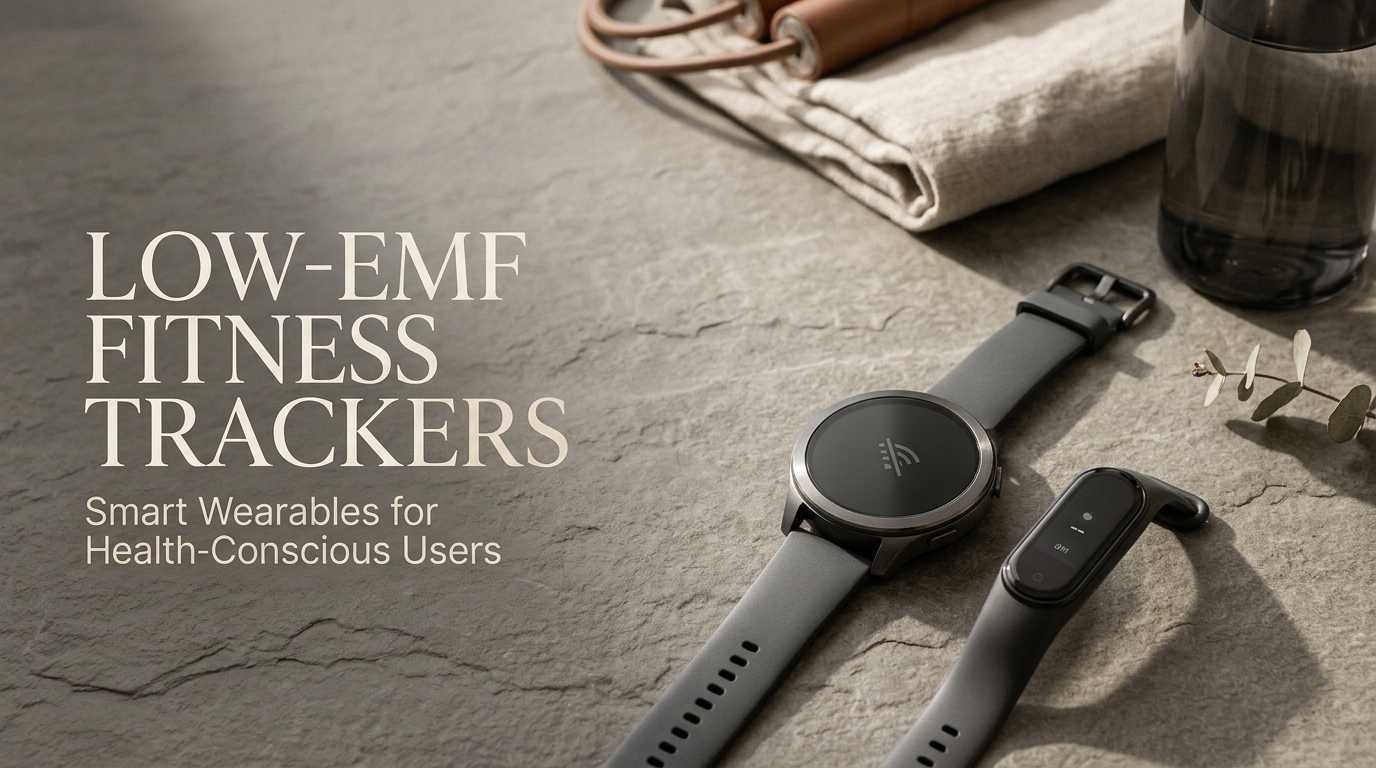
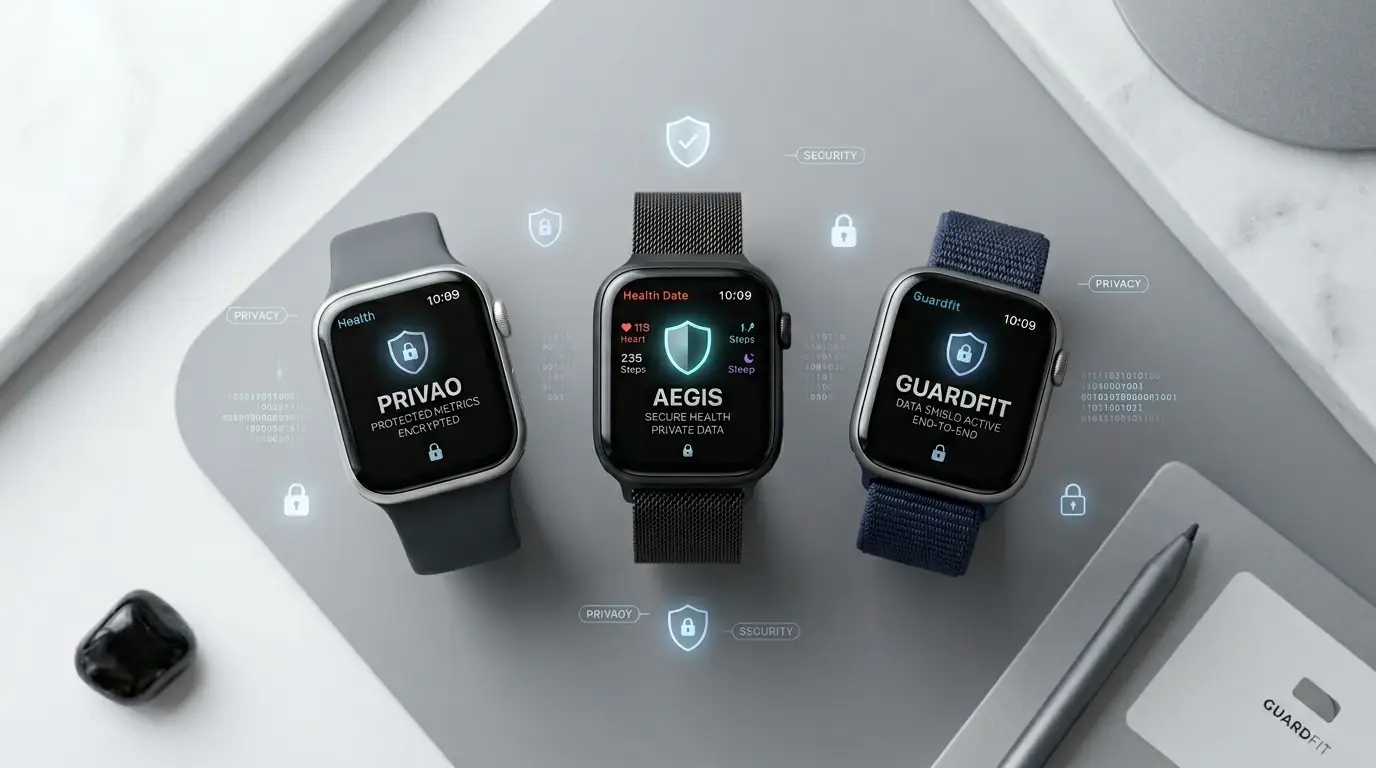

In 2026, fitness trackers have become deeply integrated into daily life, monitoring everything from heart rate and sleep cycles to GPS routes and stress levels. However, this convenience comes with a hidden cost: personal data exposure. Many wearable devices collect sensitive health and location data, which may be shared with third parties for analytics, advertising, or product improvement.
In this privacy-first guide, we focus on best fitness trackers that prioritize user data protection, minimize tracking, and avoid selling personal information. We evaluate leading brands such as Garmin, Amazfit, and Fitbit (basic ecosystem tiers), highlighting how each handles data, what they collect, and how they protect user privacy.
Suggested Reads: Best Smart Ring Without Subscription (2026): Top 5
Table of Contents
Understanding Data Privacy in Fitness Trackers
Modern wearables collect multiple layers of sensitive data:
- Biometric data (heart rate, oxygen saturation, stress levels)
- Behavioral data (sleep patterns, activity levels)
- Location data (GPS running routes, travel history)
- Device usage data (app interaction, syncing habits)
The key concern is not data collection itself, but data monetization practices. Some companies use aggregated or anonymized data for marketing insights, while others strictly limit usage to on-device processing and user dashboards.
A truly privacy-first fitness tracker should follow these principles:
- No selling of personal or behavioral data
- Transparent privacy policies
- Optional cloud sync
- Strong encryption (at rest and in transit)
- Local or on-device data processing
Best Fitness Trackers in 2026
1. Garmin – Best Overall for Privacy-Focused Athletes
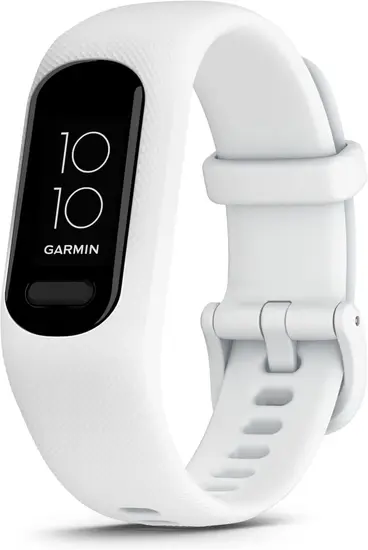
Garmin remains the gold standard for users who prioritize data ownership and minimal monetization of personal data.
Privacy Strengths:
- Does not sell personal health data
- Strong encryption for synced data
- Optional data sharing features (opt-in only)
- Focus on device-level analytics rather than advertising
Limitations:
- Requires Garmin Connect app for full functionality
- Some anonymized data may be used for product improvement
Best For:
- Runners, cyclists, triathletes
- Users who want advanced performance analytics without ad-driven ecosystems
2. Amazfit – Best Budget Privacy Balance
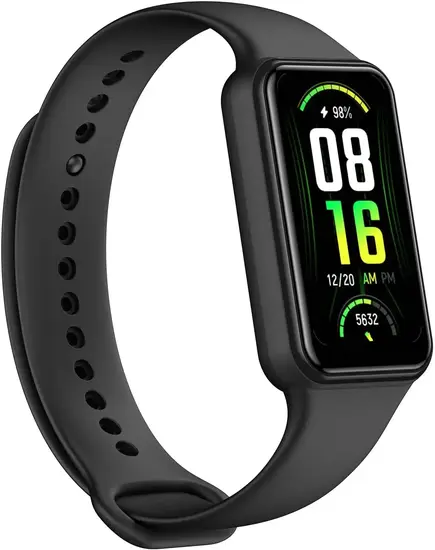
Amazfit offers a strong balance between affordability and privacy-conscious design.
Privacy Strengths:
- Limited data sharing compared to mainstream smartwatch ecosystems
- No aggressive ad-based personalization
- Local device storage for many metrics
- Clear opt-in data permissions
Limitations:
- Cloud features required for deeper insights
- Privacy policy less strict than premium competitors
Best For:
- Budget-conscious users
- Beginners in fitness tracking
- Users wanting basic privacy without premium pricing
3. Fitbit (Basic Ecosystem) – Improved but Still Cloud-Centric
Fitbit fitness tracker has significantly improved privacy practices following integration into a larger ecosystem, but still relies heavily on cloud processing.
Privacy Strengths:
- Strong encryption standards
- User control over health data sharing
- Improved transparency in data policies
- Google-managed security infrastructure
Limitations:
- Cloud-first architecture
- Data may be used in aggregated form for analytics
- Account required for full functionality
Best For:
- Casual users
- Individuals already in Google ecosystem
- Users prioritizing usability over strict privacy isolation
Best Fitness Trackers Comparison Table
| Feature / Brand | Garmin | Amazfit | Fitbit |
|---|---|---|---|
| Sells personal data | No | No | No (but aggregates data) |
| Cloud dependency | Optional | Moderate | High |
| On-device processing | High | Medium | Medium |
| Data encryption | Strong | Moderate | Strong |
| Ad personalization | None | Minimal | Moderate |
| User data control | High | Medium | High |
| Best privacy rating | ⭐⭐⭐⭐⭐ | ⭐⭐⭐⭐ | ⭐⭐⭐⭐ |
Key Privacy Risks in Fitness Trackers (What to Avoid)
When selecting a wearable device, users should be cautious of:
1. Hidden Data Sharing Agreements
Some companies include clauses allowing aggregated data resale for research or marketing insights.
2. Mandatory Cloud Sync
Devices that require cloud syncing may expose more data than necessary.
3. Third-Party App Integrations
External apps may access sensitive fitness and location data without strong limitations.
4. Weak Transparency Policies
If a company does not clearly explain what data is collected and why, it increases privacy risk.
How We Evaluated Privacy in This Guide
We assessed each fitness tracker based on:
- Data ownership clarity
- Monetization policies
- Encryption standards
- Local processing capabilities
- User control over permissions
- Transparency of privacy documentation
Only brands that demonstrate clear resistance to data commercialization are included in this guide.
Best Privacy Features to Look For in 2026
When choosing a privacy-first fitness tracker, prioritize:
1. Local Storage Capability
Devices that store data locally reduce exposure to cloud breaches.
2. End-to-End Encryption
Ensures health data cannot be accessed during transmission.
3. Granular Permission Controls
Users should be able to disable location tracking, heart rate sharing, or sleep analytics individually.
4. Offline Functionality
Some advanced trackers allow usage without constant internet connection.
5. Transparent Data Policies
Look for brands that explicitly state:
- No data selling
- No advertising profiling
- User-controlled sharing
Garmin vs Amazfit vs Fitbit: Privacy Verdict
Garmin – Privacy Leader
Best for users who want maximum control and minimal exposure. Ideal for serious athletes and privacy-focused individuals.
Amazfit – Budget-Friendly Privacy Option
Provides acceptable privacy with affordable pricing but lacks enterprise-level transparency.
Fitbit – Convenient but Cloud-Heavy
Offers strong usability and ecosystem integration but relies heavily on cloud infrastructure.
Future of Privacy in Wearable Technology
By 2026, wearable technology is evolving toward:
- On-device AI processing
- Decentralized health data storage
- User-owned health profiles
- Privacy-by-design hardware systems
The industry is slowly shifting away from data monetization toward trust-based ecosystems, but users must remain selective.
Best Fitness Trackers Final Recommendations
For users prioritizing absolute privacy, Garmin remains the strongest option.
For users balancing cost and privacy, Amazfit provides solid value.
For users prioritizing convenience and ecosystem integration, Fitbit remains a practical choice.
Ultimately, the best fitness tracker is the one that aligns with your privacy expectations, lifestyle needs, and data comfort level.