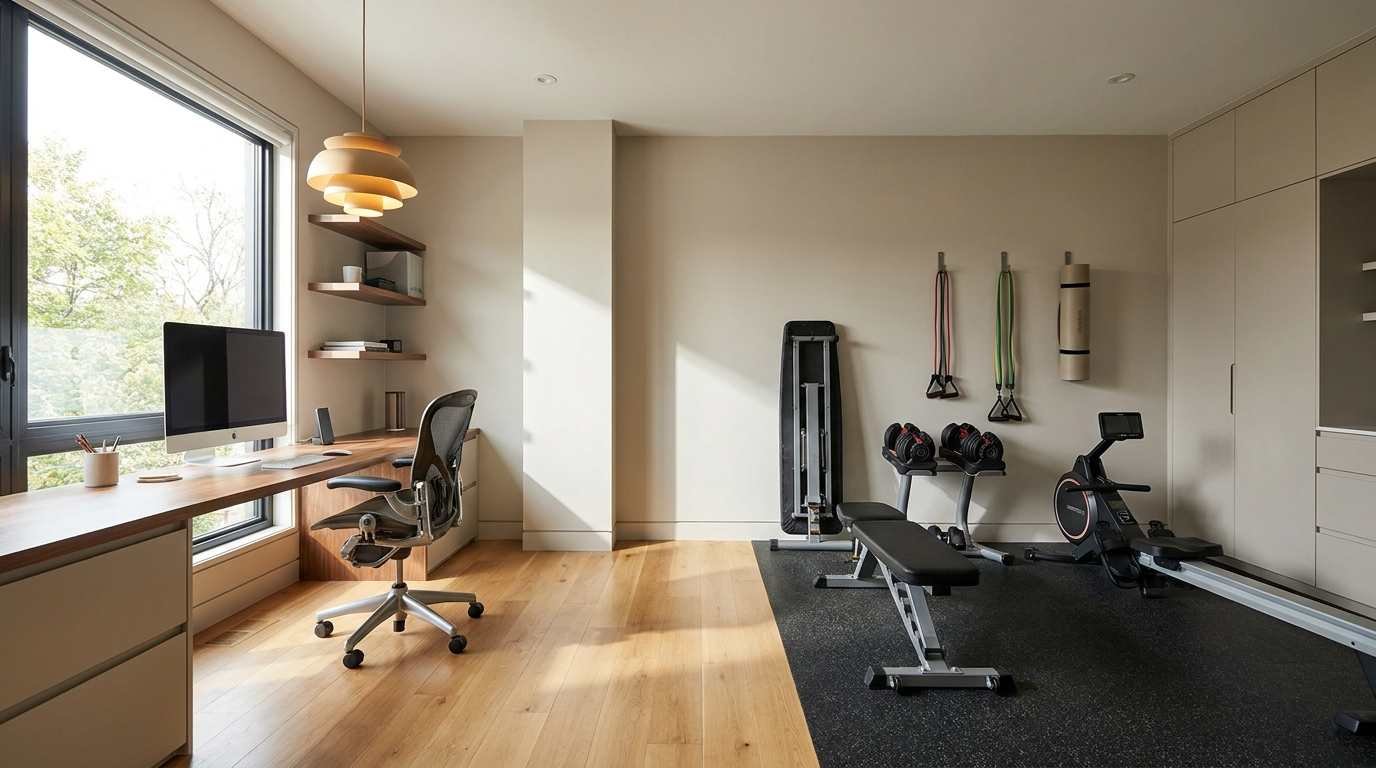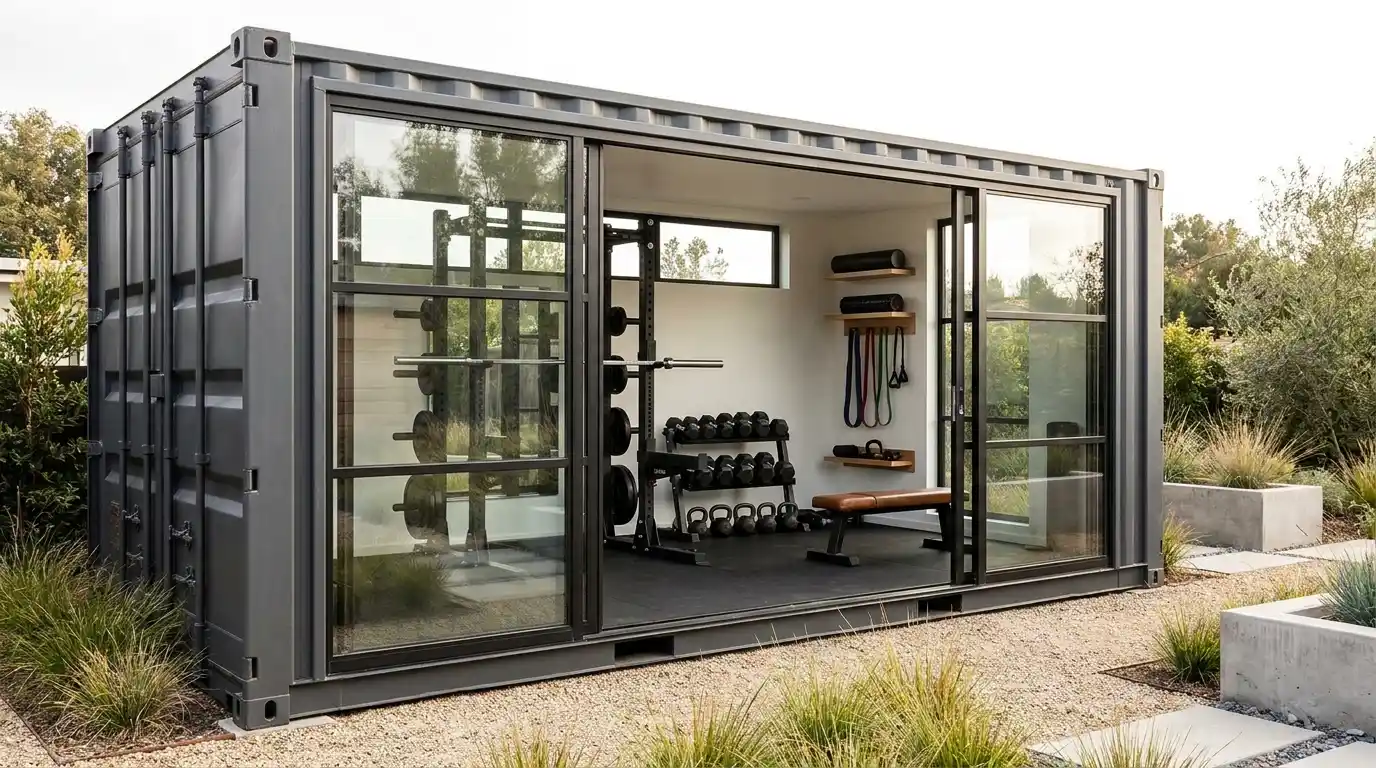
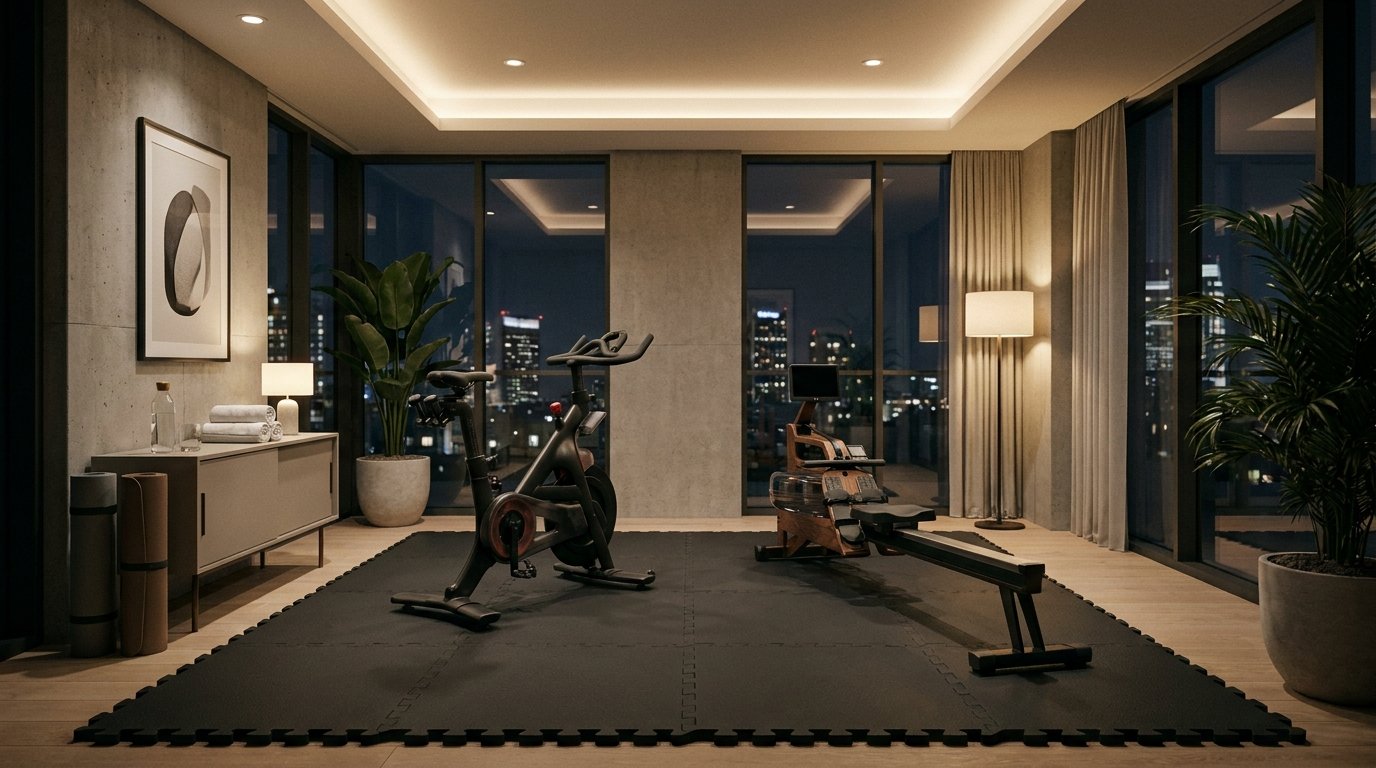

Finding time to exercise is already challenging, but for night-shift workers, parents with sleeping babies, apartment residents, and anyone who trains late at night, noise becomes an additional obstacle. A squeaky treadmill or heavy-impact workout can disturb family members, wake neighbors, or violate apartment quiet hours.
Fortunately, modern fitness equipment makes it possible to enjoy an effective cardio workout without creating unwanted noise. A well-designed Zero-Noise Cardio Setup combines silent magnetic-resistance equipment, vibration-reducing flooring, and smart room organization to create a peaceful home gym that works at any hour.
This guide explains how to build the ultimate quiet cardio space, choose the best low-noise equipment, reduce vibrations, and maximize your workouts without sacrificing peace and quiet.
Table of Contents
What Is a Zero-Noise Cardio Setup?
A Zero-Noise Cardio Setup is a home exercise space specifically designed to minimize sound and vibration while maintaining effective cardiovascular training.
Unlike traditional cardio equipment that relies on friction, motors, or repeated foot strikes, a zero-noise setup emphasizes:
- Silent resistance systems
- Smooth motion
- Low vibration
- Shock-absorbing flooring
- Compact equipment suitable for apartments
The goal isn’t complete silence—every moving machine produces some sound—but rather creating a workout environment quiet enough that someone in the next room can sleep undisturbed.
Who Benefits Most?
This setup is ideal for:
- Night-shift healthcare workers
- Emergency responders
- Remote professionals working odd hours
- Apartment dwellers
- Parents with newborns
- Early-morning exercisers
- Shared housing residents
- Students in dorm-style accommodations
If your workout schedule doesn’t align with everyone else’s, investing in quieter equipment is often more practical than constantly adjusting your routine.
Why Traditional Cardio Equipment Can Be Noisy
Many common machines generate sound from multiple sources:
| Equipment | Main Noise Source | Apartment Friendly? |
|---|---|---|
| Motorized treadmill | Motor + foot impact | ❌ Usually No |
| Manual treadmill | Foot strikes | ⚠️ Sometimes |
| Air bike | Fan blades | ❌ Loud |
| Elliptical | Worn joints | ⚠️ Moderate |
| Spin bike with friction pad | Brake pad friction | ⚠️ Moderate |
| Magnetic exercise bike | Magnetic resistance | ✅ Excellent |
| Fluid rowing machine | Water movement | ✅ Very Quiet |
| Magnetic rower | Magnetic resistance | ✅ Excellent |
Choosing the right resistance technology makes the biggest difference.
The Three Essential Pieces of a Silent Cardio Gym
1. Silent Magnetic-Resistance Exercise Bike
Why It Works
Magnetic resistance uses magnets instead of physical contact to create resistance.
Benefits include:
- Nearly silent operation
- Minimal maintenance
- Smooth pedaling
- Long lifespan
- Adjustable resistance
- No brake-pad rubbing
For people exercising at midnight or before sunrise, magnetic bikes are among the quietest cardio options available.
Best Features to Look For
- Belt-drive system
- Magnetic resistance
- Heavy flywheel
- Adjustable seat
- Tablet holder
- Bluetooth compatibility
- Stable frame
- Compact footprint
Affiliate Opportunity: Recommend premium and mid-range magnetic-resistance exercise bikes that emphasize whisper-quiet performance.
2. Fluid Rowing Machine
Fluid rowers create resistance using water enclosed inside a sealed tank.
Rather than producing mechanical noise, they generate a gentle “whooshing” sound that many users actually find relaxing.
Advantages include:
- Full-body workout
- Natural rowing motion
- Extremely smooth resistance
- Minimal mechanical noise
- Excellent calorie burn
Compared to air rowers, fluid rowers produce dramatically less noise while delivering an immersive rowing experience.
Affiliate Opportunity: Feature fluid-resistance rowers for users prioritizing quiet operation.
3. High-Density EVA Foam Tiles
Many people focus only on the machine while forgetting the floor underneath it.
High-density EVA foam tiles provide:
- Vibration absorption
- Sound insulation
- Floor protection
- Better grip
- Comfort underfoot
- Reduced equipment movement
For apartment residents, flooring often makes as much difference as the equipment itself.
Choose tiles that are:
- At least 12–20 mm thick
- High-density construction
- Interlocking
- Water-resistant
- Easy to clean
The Ideal Room Layout
A thoughtful layout reduces both noise and vibration.
Place Equipment Away From Shared Walls
Whenever possible:
- Avoid walls shared with neighbors
- Position machines near interior walls
- Leave several inches of clearance
Protect Hardwood Floors
Use:
- EVA tiles
- Rubber isolation mats
- Equipment stabilizers
Layering flooring materials often provides noticeably better vibration reduction.
Secure Loose Components
Common sources of unexpected noise include:
- Water bottles
- Tablet stands
- Pedals
- Adjustable seats
- Tool trays
A quick equipment check before each workout prevents rattling.
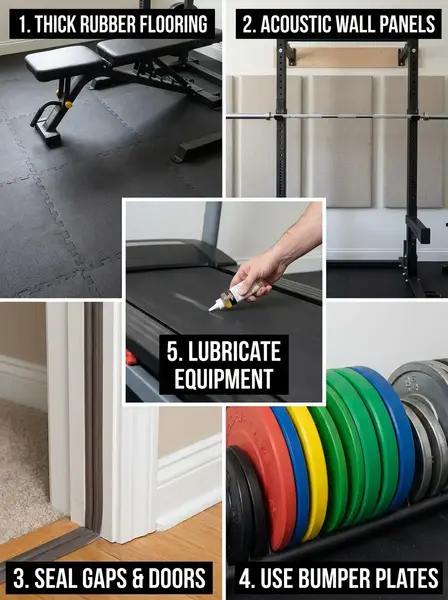
Expert Tips for Ultra-Quiet Late-Night Workouts
Wear Soft Athletic Shoes
Hard soles amplify impact.
Choose:
- Cushioned trainers
- Cross-training shoes
- Indoor-only footwear
Keep Resistance Smooth
Rapid resistance changes sometimes create clicking sounds.
Increase resistance gradually instead of making abrupt adjustments.
Maintain Equipment Regularly
Even premium machines become noisy without maintenance.
Monthly checklist:
- Tighten bolts
- Inspect pedals
- Lubricate approved moving parts
- Check belt tension
- Clean dust buildup
Preventive maintenance keeps machines operating quietly for years.
Use Wireless Headphones
Instead of external speakers:
- Bluetooth earbuds
- Noise-canceling headphones
This avoids disturbing others while making workouts more immersive.
Sample Zero-Noise Cardio Routine (30 Minutes)
| Time | Activity |
|---|---|
| 5 min | Easy warm-up on magnetic bike |
| 10 min | Moderate cycling intervals |
| 10 min | Fluid rowing |
| 5 min | Easy recovery pace |
This combination provides excellent cardiovascular benefits while maintaining an exceptionally quiet environment.
Common Mistakes That Increase Noise
Avoid these frequent issues:
❌ Buying friction-resistance bikes
❌ Using worn pedals
❌ Exercising directly on hardwood
❌ Ignoring loose bolts
❌ Using cheap foam mats
❌ Overloading apartment floors with unstable equipment
Small adjustments often make a significant difference.
Comparison: Quiet Cardio Equipment
| Feature | Magnetic Bike | Fluid Rower | Motorized Treadmill |
|---|---|---|---|
| Noise Level | Excellent | Excellent | Poor |
| Apartment Friendly | ⭐⭐⭐⭐⭐ | ⭐⭐⭐⭐⭐ | ⭐⭐ |
| Maintenance | Low | Moderate | Moderate |
| Full Body Workout | Moderate | Excellent | Moderate |
| Joint Impact | Very Low | Very Low | High |
| Space Required | Moderate | Moderate | Large |
How to Choose the Right Zero-Noise Cardio Setup
Choose a Magnetic Bike If:
- You prefer cycling
- You have knee concerns
- You need compact equipment
- You want minimal maintenance
Choose a Fluid Rower If:
- You want full-body training
- You enjoy rowing
- You need higher calorie burn
- You prefer smooth resistance
Combine Both If:
- You exercise daily
- You want training variety
- Multiple household members use the gym
- You have enough space
Key Takeaways
- A Zero-Noise Cardio Setup allows effective workouts without disturbing family or neighbors.
- Magnetic-resistance exercise bikes are among the quietest cardio machines available.
- Fluid rowing machines provide low-noise, full-body cardio with smooth resistance.
- Thick high-density EVA foam tiles help reduce vibration, protect floors, and improve stability.
- Proper equipment placement, regular maintenance, and soft-soled shoes further minimize noise.
- Combining a magnetic bike and fluid rower offers versatile, apartment-friendly training.
Conclusion
A thoughtfully designed Zero-Noise Cardio Setup makes it possible to stay active without disrupting the people around you. By combining a silent magnetic-resistance exercise bike, a fluid rowing machine, and high-density EVA foam tiles, you can build a home gym that’s ideal for late-night sessions, early mornings, or shared living spaces. Add smart equipment placement and routine maintenance, and you’ll enjoy reliable, low-impact cardio whenever your schedule allows.
Zero-Noise Cardio Setup Frequently Asked Questions
Is a magnetic-resistance exercise bike really silent?
Magnetic-resistance bikes are among the quietest cardio machines available because they create resistance without friction. You’ll typically hear only a faint hum from the flywheel and the sound of pedaling.
Are fluid rowing machines quieter than air rowers?
Yes. Fluid rowers produce a gentle water-like sound, while air rowers generate noticeably more noise from their fan blades.
How thick should EVA foam gym tiles be?
For cardio equipment, 12–20 mm high-density EVA foam tiles generally provide a good balance of vibration reduction, stability, and floor protection.
Can I use this setup in an upstairs apartment?
Yes, especially when paired with quality foam flooring and proper equipment placement. Reducing vibration is just as important as reducing machine noise.
What is the quietest cardio machine overall?
For most home users, magnetic-resistance exercise bikes and magnetic or fluid rowers rank among the quietest options while still delivering effective cardiovascular workouts.
Do quiet cardio machines require less maintenance?
Magnetic-resistance systems typically require less maintenance than friction-based systems because there is less mechanical wear.