

If you want to look and feel leaner over the next few weeks, focus on the habits that increase daily movement, control calorie intake, protect muscle, and make your routine easier to follow.
The best short term fat burning tricks are surprisingly simple: walk more, lift weights, eat enough protein, cut liquid calories, sleep consistently, and use short bursts of higher-intensity exercise when your fitness level allows it.
Body fat comes down when your body consistently uses more energy than it gets from food and drinks. Physical activity increases energy expenditure, while adjusting food intake can create the calorie deficit needed for weight loss.
The goal is to create a routine you can repeat for weeks rather than chase extreme methods that leave you exhausted.
Quick answer: For short-term fat loss, prioritize a modest calorie deficit, daily walking, strength training at least twice weekly, protein-rich meals, fewer liquid calories, consistent sleep, and regular aerobic activity. These habits work together and are easier to maintain than extreme dieting.
Table of Contents
1. Increase Your Daily Steps
Walking is one of the easiest ways to increase calorie expenditure without making your entire day revolve around exercise.
You can add steps in small chunks:
- Take a 10-minute walk after meals.
- Park farther from the store.
- Walk while taking phone calls.
- Use stairs when practical.
- Take a short evening walk instead of sitting immediately after dinner.
These small sessions add up.
The CDC recommends adults get at least 150 minutes of moderate-intensity aerobic activity each week, along with muscle-strengthening activity on at least two days.
For fat burning, your personal activity needs can be higher depending on your body size, food intake, fitness level, and goals.
2. Use the 10-Minute Walking Trick After Meals
A short walk after eating can be an easy way to increase your daily activity.
Try this:
Breakfast → 10-minute walk
Lunch → 10-minute walk
Dinner → 10–20-minute walk
You could accumulate 30–40 minutes of additional movement without scheduling a traditional workout.
A fitness tracker can make this easier to monitor. NIDDK notes that pedometers and fitness trackers can help people track steps, active minutes, and other activity measures.
3. Make Protein the Anchor of Each Meal
Protein can make meals more filling while supplying amino acids needed to maintain muscle.
Good options include:
- Eggs
- Greek yogurt
- Chicken
- Turkey
- Fish
- Lean beef
- Cottage cheese
- Tofu
- Tempeh
- Beans and lentils
Build meals around a protein source first, then add vegetables, fruit, whole grains, or other carbohydrate sources according to your calorie needs.
If you’re cutting calories, protecting muscle becomes especially useful when paired with resistance training.
4. Lift Weights While Losing Fat
Strength training deserves a place in almost every fat-loss plan.
Your scale measures total body weight. Your goal, however, is usually to lose excess fat while retaining as much useful muscle as possible.
A simple full-body workout can include:
| Movement | Example |
|---|---|
| Squat | Goblet squat |
| Push | Push-ups or dumbbell press |
| Pull | Rows |
| Hinge | Romanian deadlift |
| Core | Plank |
| Carry | Farmer’s carry |
Two or three sessions per week can provide a solid foundation.
The CDC recommends muscle-strengthening activity on at least two days each week for adults.
5. Replace High-Calorie Drinks
Liquid calories can disappear quickly.
A large sweetened coffee, soda, energy drink, cocktail, or fruit-flavored beverage can add substantial calories without providing the same fullness as a balanced meal.
Try replacing some of your usual drinks with:
- Water
- Sparkling water
- Unsweetened tea
- Black coffee
- Low-calorie beverages
You don’t need to eliminate every enjoyable drink. Start with the ones you consume frequently.
This single change can make creating a calorie deficit easier.
6. Build Meals Around High-Volume Foods
Foods with plenty of water and fiber can help you eat satisfying portions while managing calories.
Think:
- Leafy greens
- Cucumbers
- Tomatoes
- Berries
- Melons
- Broccoli
- Cauliflower
- Zucchini
- Peppers
- Vegetable soups
A practical plate might contain a serving of protein, a large portion of vegetables, and a moderate serving of carbohydrates or fats.
This approach gives you plenty of food to eat while keeping the overall meal manageable.
7. Try Short Cardio Intervals
Intervals can make a short workout more demanding.
For example:
5-minute warm-up
Then repeat 6 times:
- 30 seconds fast
- 90 seconds easy
Finish with a 5-minute cooldown.
You can do intervals on a stationary bike, treadmill, rowing machine, elliptical, or outdoors.
Your conditioning matters. Beginners should start with manageable efforts and longer recovery periods. Someone already accustomed to vigorous training can gradually increase intensity.
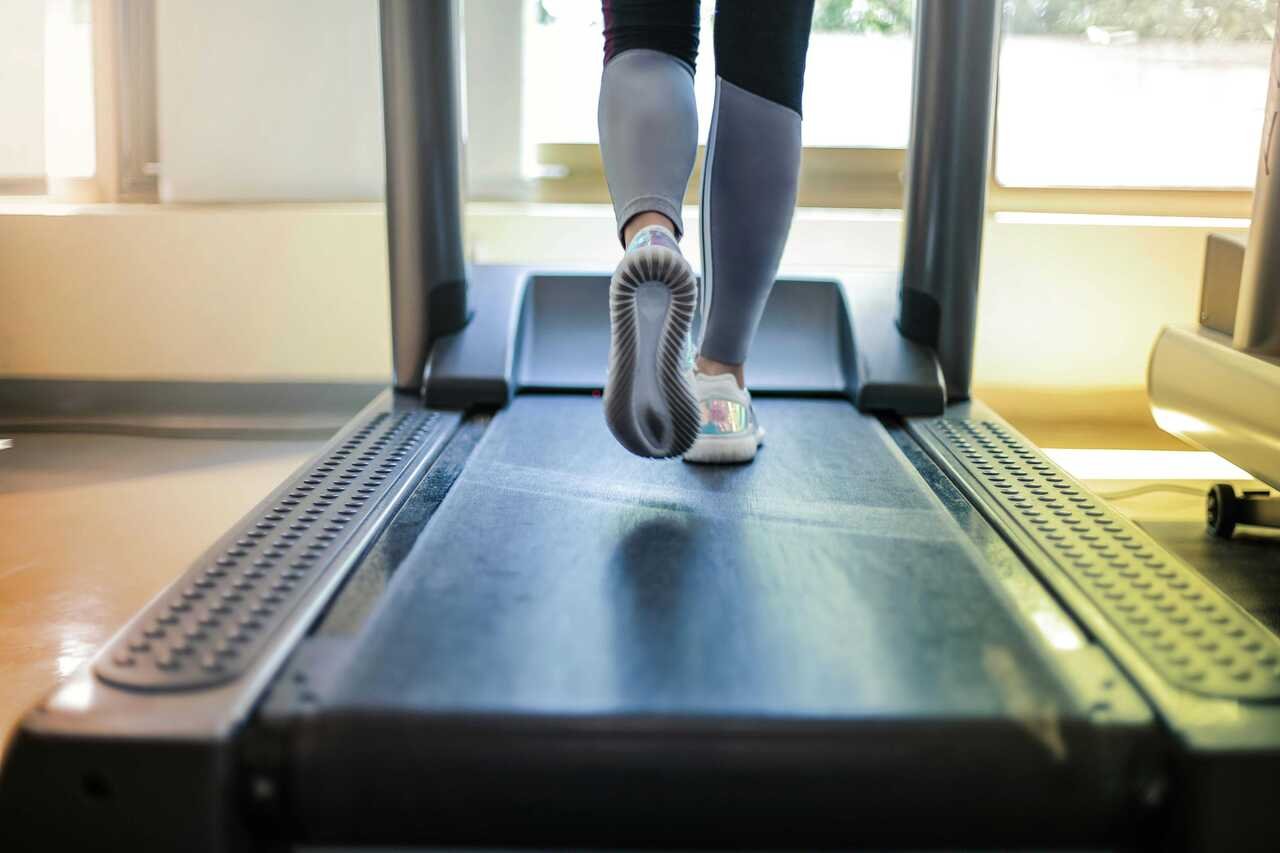
8. Use a Treadmill Incline Walk
You don’t need to sprint to make a treadmill workout challenging.
Walking uphill increases the effort while keeping the movement relatively simple.
Try:
- 5 minutes easy
- 20 minutes brisk incline walking
- 5 minutes easy
Adjust the incline and speed based on your fitness level.
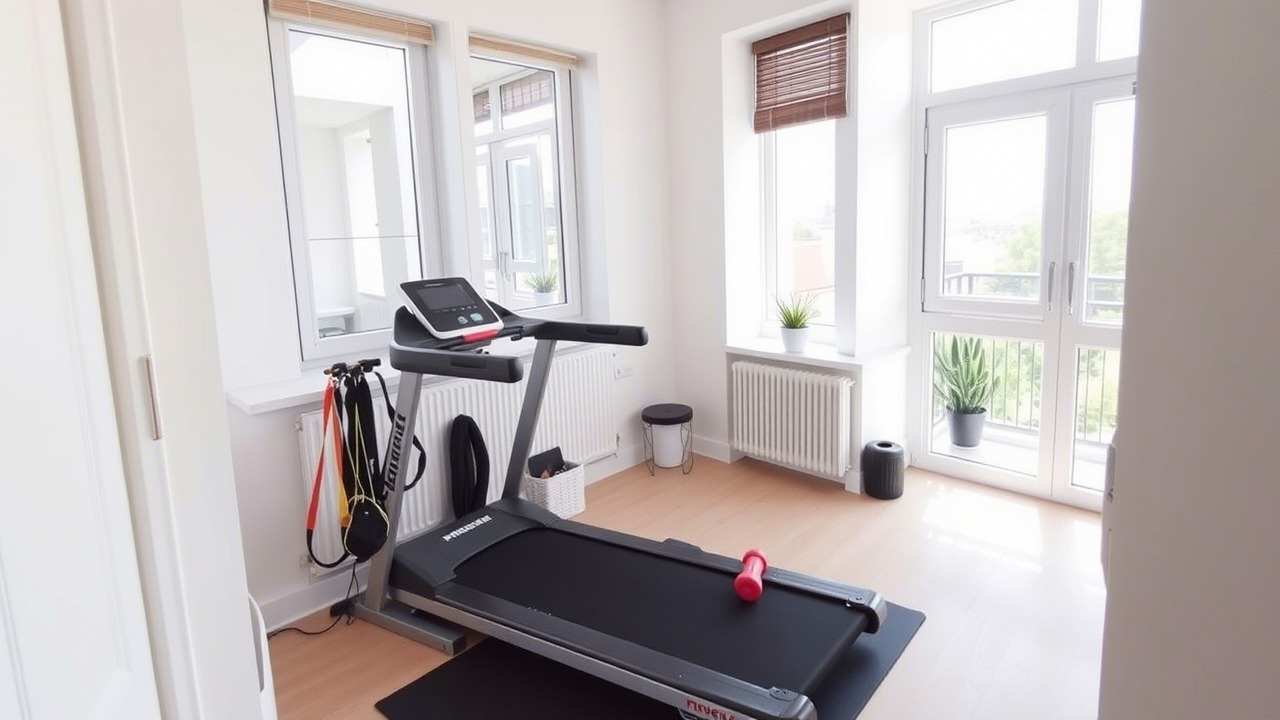
For home workouts, a compact treadmill can be useful if weather, neighborhood safety, or schedule makes outdoor walking difficult.
9. Reduce Restaurant Portions
Restaurant meals often contain more calories than expected because portions, sauces, oils, cheese, and desserts can add up quickly.
You can make restaurant meals easier to manage by:
- Ordering grilled protein.
- Choosing vegetables or salad.
- Asking for sauces on the side.
- Sharing large desserts.
- Taking half the meal home.
- Choosing water or a zero-calorie drink.
You still get to eat out. You’re simply controlling the parts of the meal that can push calories higher.
10. Create a Simple Calorie Deficit
Fat loss requires an energy deficit over time.
That doesn’t mean eating as little as possible.
NIDDK’s weight-management guidance recommends reduced-calorie eating patterns combined with appropriate physical activity, while its Body Weight Planner can help adults estimate calorie and activity changes for a specific weight goal.
A practical starting point is to identify the easiest calories to reduce.
For example:
Current routine
Large sugary coffee + afternoon snack + evening dessert
Simple adjustment
Smaller coffee + protein-rich snack + dessert several nights per week instead of every night
Small changes can create a meaningful difference when repeated consistently.
11. Track Your Food for a Few Days
You don’t need to track every meal forever.
Try recording everything you eat and drink for three to seven days.
Look for patterns.
Maybe breakfast is reasonable, lunch is fine, and most excess calories arrive through evening snacks.
Or perhaps weekend meals erase the calorie deficit created during the week.
Tracking gives you information you can act on. NIDDK also recommends monitoring eating, activity, sleep, and weight as part of successful weight-management programs.
12. Protect Your Sleep
Sleep belongs in a fat-loss strategy because recovery affects how well you can maintain your routine.
A recent 2026 systematic review of 30 studies involving more than 10,000 participants found mixed evidence across different sleep measures, while sleep restriction showed evidence of reducing fat loss in some behavioral weight-loss studies.
A simple sleep routine can include:
- Going to bed at a consistent time.
- Keeping the bedroom dark and cool.
- Limiting late-night screen exposure.
- Avoiding large meals immediately before bed.
- Keeping caffeine earlier in the day if it affects your sleep.
Think of sleep as part of the training schedule rather than spare time.
13. Make Your Workouts Shorter and More Consistent
A 25-minute workout you actually complete beats a 75-minute workout you repeatedly postpone.
For busy days, try:
5 minutes: warm-up
15 minutes: strength circuit
5 minutes: easy cardio or cooldown
You can rotate movements such as squats, rows, push-ups, lunges, presses, and planks.
Consistency creates the real advantage.
14. Increase Movement Outside the Gym
Your workout isn’t the only movement that matters.
Housework, walking, shopping, gardening, commuting, climbing stairs, and playing with your kids all contribute to daily activity.
This is especially useful if you spend many hours sitting.
Set a simple rule:
Move for a few minutes every hour.
Walk around the room. Fill your water bottle. Take the stairs. Do a quick mobility routine.
Those minutes can accumulate across an entire day.
15. Use a Weekly Progress Check
Daily scale changes can be noisy because water, food volume, sodium, carbohydrates, and other factors affect body weight.
A weekly review gives you a clearer picture.
Track:
- Body weight
- Waist measurement
- Step count
- Workout sessions
- Average daily calories, if tracking
- Sleep
- How your clothes fit
NIDDK recommends tracking progress and using that information to identify setbacks and adjust goals.
Look at trends rather than one morning’s number.
A Simple 7-Day Fat-Loss Routine
You can combine several of these short term fat burning tricks into a straightforward weekly schedule.
| Day | Training | Daily Habit |
|---|---|---|
| Monday | Full-body strength | 10-minute post-meal walk |
| Tuesday | Brisk walking | Increase daily steps |
| Wednesday | Full-body strength | Replace sugary drinks |
| Thursday | Moderate cardio | 10-minute walks after meals |
| Friday | Full-body strength | Protein at every meal |
| Saturday | Longer walk or cardio | Eat mindfully when dining out |
| Sunday | Easy movement/recovery | Review the week’s progress |
The exact exercises can change according to your fitness level and available equipment.
The structure matters more than finding a magical exercise.
What About Fat-Burning Supplements?
This is where skepticism pays off.
A supplement can sound impressive on a label while producing a relatively small effect on actual body fat.
Your first priorities should be food intake, physical activity, resistance training, sleep, and consistency.
If you use supplements, check the ingredients, serving size, stimulant content, and potential interactions with medications or health conditions. Speak with a qualified healthcare professional if you have a medical condition or take medication.
A supplement should fit into a sensible routine rather than replace one.
Do Fat-Burning Foods Actually Exist?
Some foods require more energy to digest than others, and foods containing protein and fiber can be filling.
Still, there’s no everyday food that magically melts body fat.
Foods such as eggs, Greek yogurt, lean meats, fish, legumes, vegetables, berries, and whole grains can make a fat-loss diet easier because they can provide protein, fiber, nutrients, or satisfying volume.
Your overall eating pattern determines the result.
Can You Lose Fat Quickly?
You can see changes in a relatively short period, but the scale doesn’t measure body fat alone.
Early weight changes can include shifts in water and stored carbohydrates.
For sustainable weight loss, the CDC points to a gradual pace of about 1–2 pounds per week for many people, while noting that individual factors such as medications, medical conditions, stress, genetics, hormones, environment, and age can affect weight management.
Your starting body weight and health status also matter.
Someone with a higher starting weight may see a different rate of change than someone already lean.
The Biggest Mistakes People Make
Cutting Calories Too Aggressively
A very restrictive diet can make hunger, fatigue, and adherence difficult.
A moderate approach is usually easier to maintain.
NIDDK advises against eating fewer than 1,200 calories per day in the context of its diabetes-prevention guidance, while individual calorie needs vary substantially.
Doing Cardio While Ignoring Strength Training
Cardio has a place in fat loss, but resistance training helps you build and maintain strength and muscle.
Use both.
Changing Everything at Once
Starting a strict diet, daily HIIT, long cardio sessions, and a complicated supplement stack at the same time can create an exhausting routine.
Pick three habits first:
- Walk more.
- Lift weights two or three times weekly.
- Reduce your easiest source of excess calories.
Then build from there.
When Should You Talk to a Doctor?
Talk with a healthcare professional before making major changes to your exercise or diet if you have a medical condition, take medications that affect weight or exercise tolerance, are pregnant or breastfeeding, have a history of an eating disorder, or have been experiencing unexplained changes in weight.
Some medications and medical conditions can affect weight management.
A qualified professional can help you choose an appropriate calorie target and exercise plan.
Key Takeaways
- Short term fat burning tricks work best when they create habits you can repeat.
- A calorie deficit drives fat loss over time.
- Walking is an easy way to increase daily energy expenditure.
- Aim for strength training at least twice per week.
- Protein-rich meals can make calorie control easier.
- Reducing liquid calories is a simple place to start.
- Sleep and recovery deserve a place in your weekly plan.
- Track trends rather than obsessing over individual scale readings.
- Avoid extreme calorie restriction and aggressive workout schedules.
- A combination of nutrition, resistance training, cardio, and daily movement gives you a stronger foundation for long-term results.
The fastest useful change is often the simplest one: move a little more, eat a little more deliberately, train your muscles, and repeat the process long enough to see the trend.
Frequently Asked Questions
What are the best short term fat burning tricks?
The most practical strategies are increasing daily movement, creating a moderate calorie deficit, eating protein-rich meals, strength training, performing regular cardio, reducing liquid calories, and maintaining consistent sleep.
How can I burn more fat in one week?
Focus on repeatable habits rather than extreme methods. Walk more each day, perform resistance training, eat mostly nutrient-dense foods, reduce excess calories, and maintain regular sleep.
Does walking burn fat?
Walking uses energy and can contribute to the calorie deficit needed for weight loss. Brisk walking also counts toward the CDC’s recommended weekly aerobic activity target.
Is strength training good for fat loss?
Yes. Strength training increases physical activity and helps you build or maintain muscle while losing weight. Adults are advised to perform muscle-strengthening activity at least two days per week.
Does drinking more water burn fat?
Water itself isn’t a magic fat burner. Choosing water instead of calorie-containing beverages can reduce calorie intake, which can make a calorie deficit easier to achieve.
Does sleep affect fat loss?
Sleep appears to matter for weight-management outcomes, although research on specific sleep characteristics remains mixed. A 2026 systematic review found evidence that sleep restriction may impair fat loss during some behavioral weight-loss interventions.
Can I lose belly fat quickly?
You can’t reliably choose where your body loses fat first. Overall fat loss can reduce waist circumference over time, while genetics, sex, age, and starting body composition influence where fat is stored and lost.
How long should I exercise to lose weight?
There isn’t one perfect duration for everyone. The CDC recommends at least 150 minutes of moderate aerobic activity per week for general health, plus muscle-strengthening activity on at least two days. Some people need more activity for weight loss or maintenance.