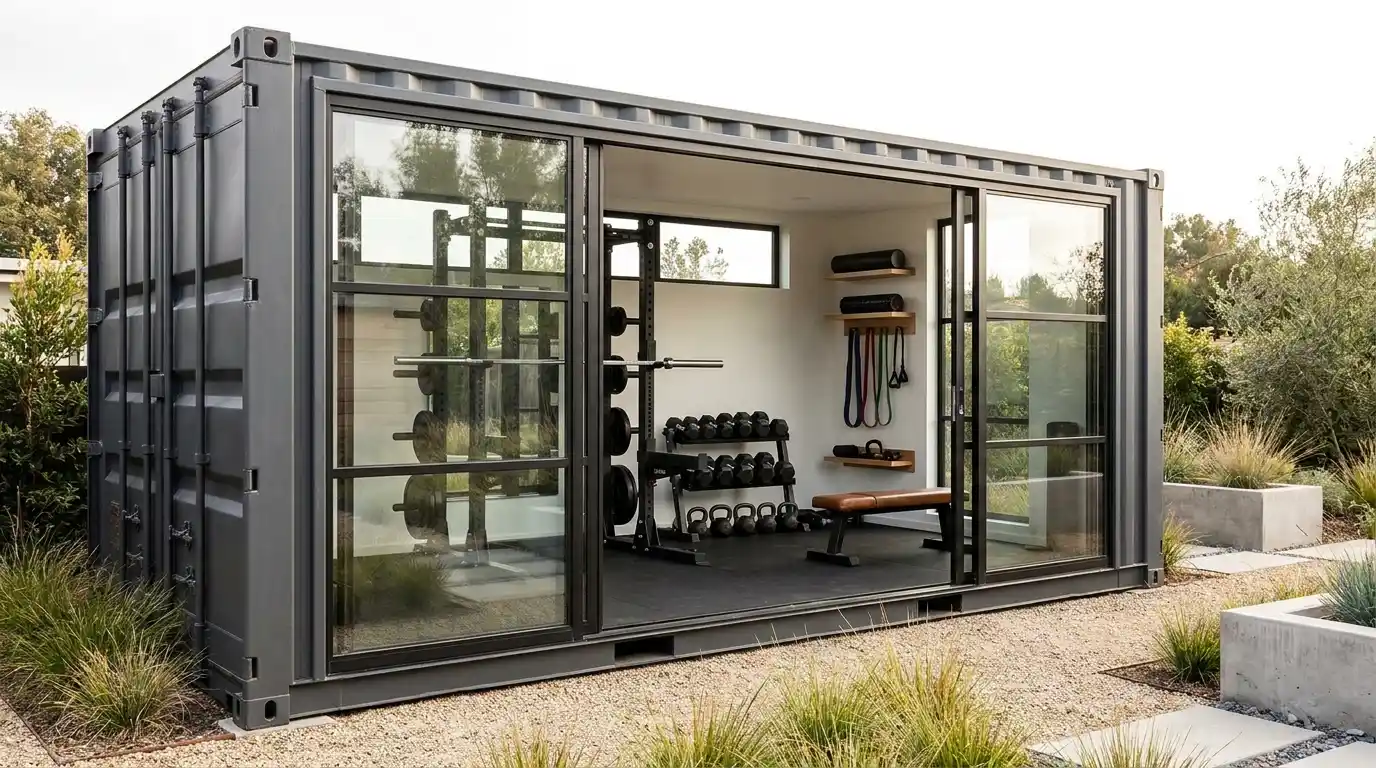

A container gym turns a standard steel shipping container into a dedicated workout space for strength training, cardio, functional fitness, or personal training. With careful planning, a 20-foot or 40-foot shipping container can provide a secure, weather-resistant training area while using far less floor space than a conventional gym building.
For homeowners, personal trainers, athletes, businesses, and fitness entrepreneurs, a shipping container gym can offer a practical way to create a private or commercial workout facility. The key is choosing the right container, planning ventilation and insulation, selecting equipment that fits the available footprint, and addressing local building requirements before construction begins.
Table of Contents
What Is a Container Gym?
A container gym is a fitness facility constructed inside a modified shipping container. The container provides the structural shell, while the interior can be fitted with flooring, insulation, electrical systems, lighting, ventilation, storage, mirrors, and gym equipment.
A typical gym in a shipping container can include:
- Power racks
- Squat racks
- Adjustable benches
- Barbells and weight plates
- Dumbbells
- Kettlebells
- Cable machines
- Resistance bands
- Pull-up bars
- Rowing machines
- Exercise bikes
- Compact treadmills
- Functional training equipment
- Wall-mounted storage
The final design depends heavily on the container’s length, available headroom, climate, equipment dimensions, and intended workouts.
Why Build a Shipping Container Gym?
A shipping container gym has several practical advantages for people who need a dedicated fitness area.
Efficient Use of Space
Shipping containers provide a long, rectangular footprint that works naturally for gym layouts. Equipment can be positioned against walls, leaving a central training zone for movements such as squats, lunges, kettlebell exercises, and conditioning work.
A 20-foot container can work particularly well as a compact private gym. A 40-foot container gives us substantially more room for equipment, storage, and multiple training stations.
Strong Steel Construction
Shipping containers are built to withstand demanding transportation conditions. Their steel construction provides a sturdy shell that can be modified for doors, windows, ventilation, electrical installations, and other gym requirements.
The container itself still needs proper preparation. Rust treatment, structural assessment, weather sealing, insulation, and professional modifications all matter.
Private Training Environment
A container gym can create a dedicated workout environment away from the main house. For homeowners considering a gym shed backyard setup, a converted shipping container offers another practical option for creating a private fitness space without giving up an entire room inside the home.
This arrangement works well for people who prefer training privately, personal trainers who need a small studio, and property owners who want a separate fitness space. With the right insulation, flooring, ventilation, and equipment layout, the space can function as a comfortable year-round workout area.
Flexible Placement
Depending on local regulations and site conditions, a container gym can be positioned in a backyard, rural property, commercial site, or other suitable location.
Before delivery, we should verify access for the delivery truck and lifting equipment. A container may fit on the intended site while the delivery vehicle cannot physically reach it.
20-Foot vs. 40-Foot Container Gym
Container length is one of the first decisions we need to make.
| Feature | 20-Foot Container | 40-Foot Container |
|---|---|---|
| Footprint | Compact | Large |
| Best for | Personal gyms | Larger gyms |
| Equipment capacity | Limited to moderate | Moderate to extensive |
| Training stations | 1–2 main zones | Multiple zones |
| Storage | Limited | More flexible |
| Cost | Usually lower | Usually higher |
| Site requirement | Smaller | Larger |
A 20-foot container gym can be surprisingly capable when designed around a specific training style.
A 40-foot container makes more sense when we want several pieces of equipment, multiple users, or a dedicated commercial training facility.
Shipping Container Gym Ideas
There are many ways to configure a container gym depending on the available space.
1. Compact Strength Gym
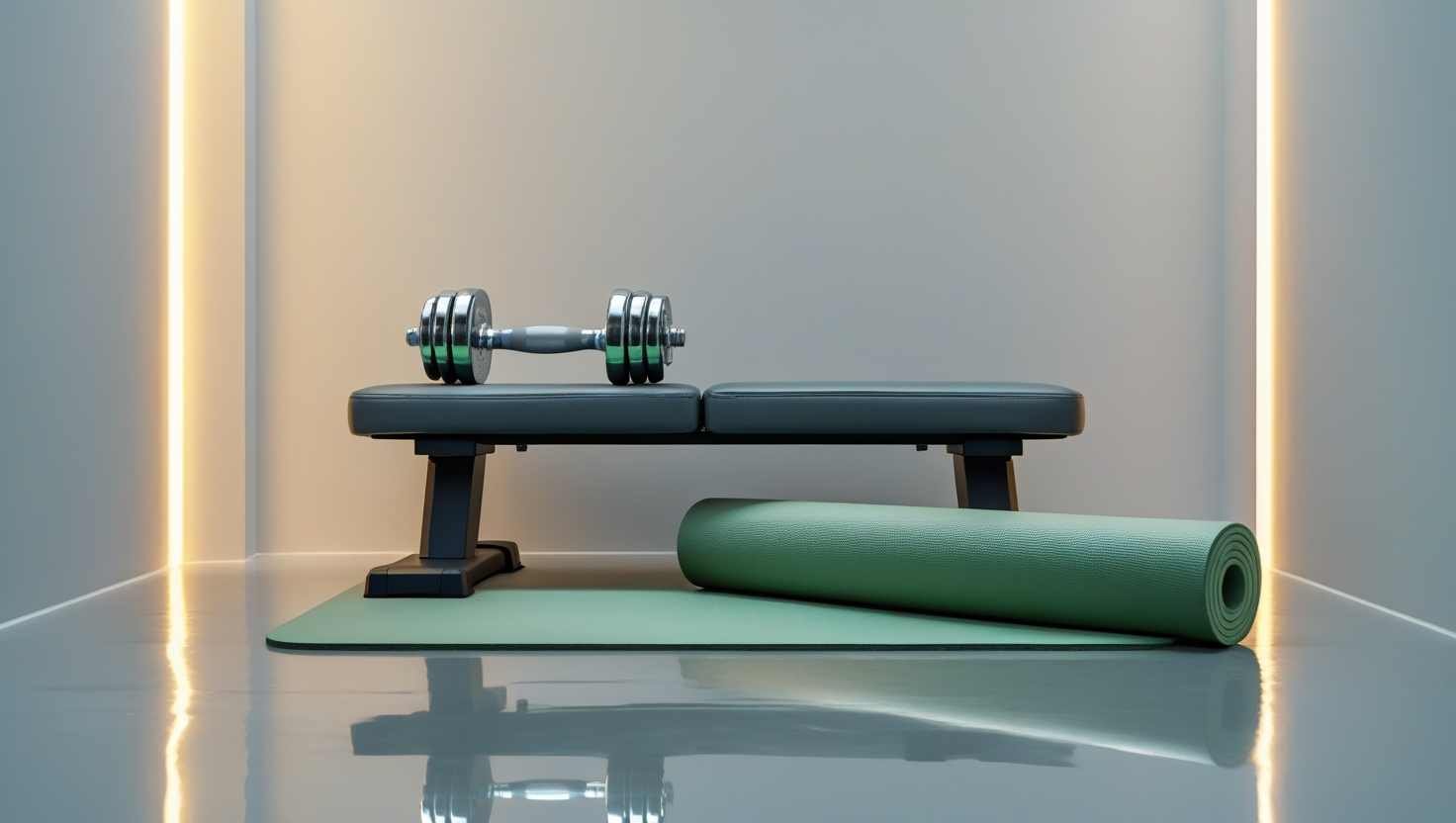
A strength-focused container can center around a squat rack, adjustable bench, barbell, plates, and dumbbells.
Wall-mounted storage keeps plates, resistance bands, and smaller accessories off the floor.
2. Functional Fitness Container
A functional training setup can include:
- Kettlebells
- Dumbbells
- Battle ropes
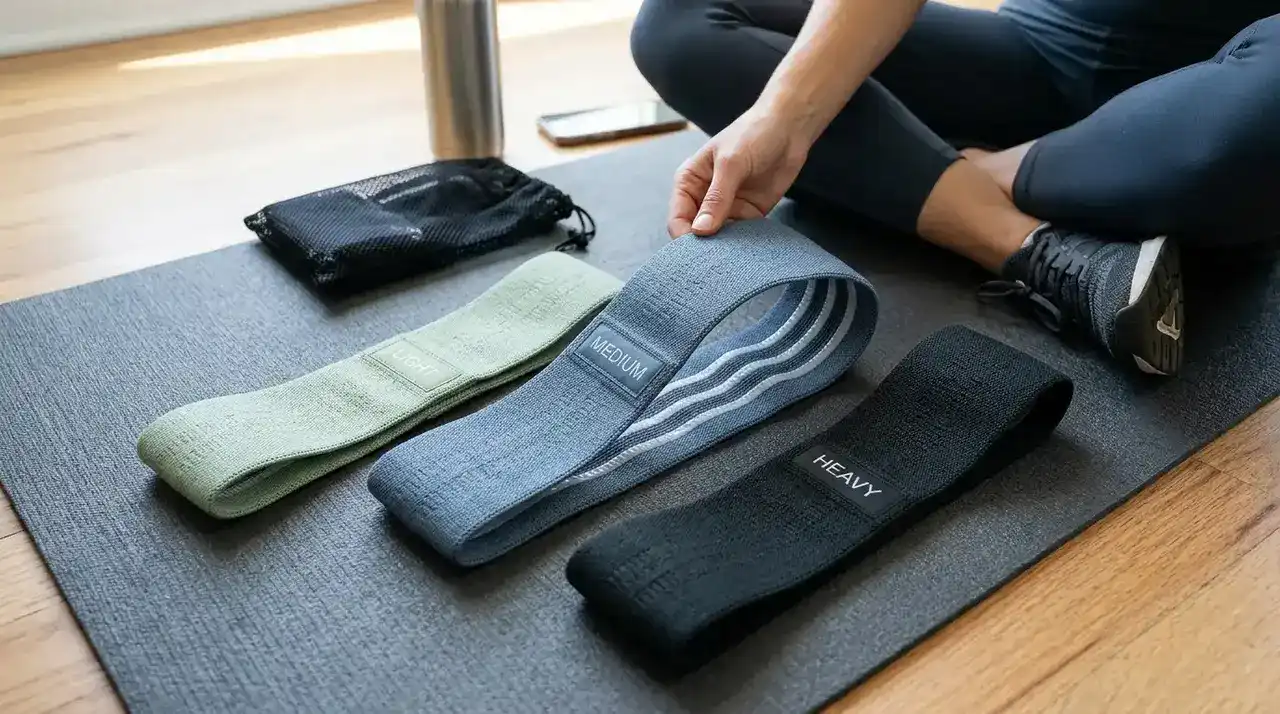
- Resistance bands
- Plyometric boxes
- Sandbags
- Pull-up stations
- Gymnastic rings
The central floor area should remain relatively open so we can perform movements without repeatedly moving equipment.
3. Personal Training Studio
A personal trainer can configure a container around one-on-one or small-group sessions.
A combination of adjustable weights, cable equipment, benches, resistance tools, mirrors, and storage can provide considerable training variety within a limited footprint.
4. Home Cardio Gym
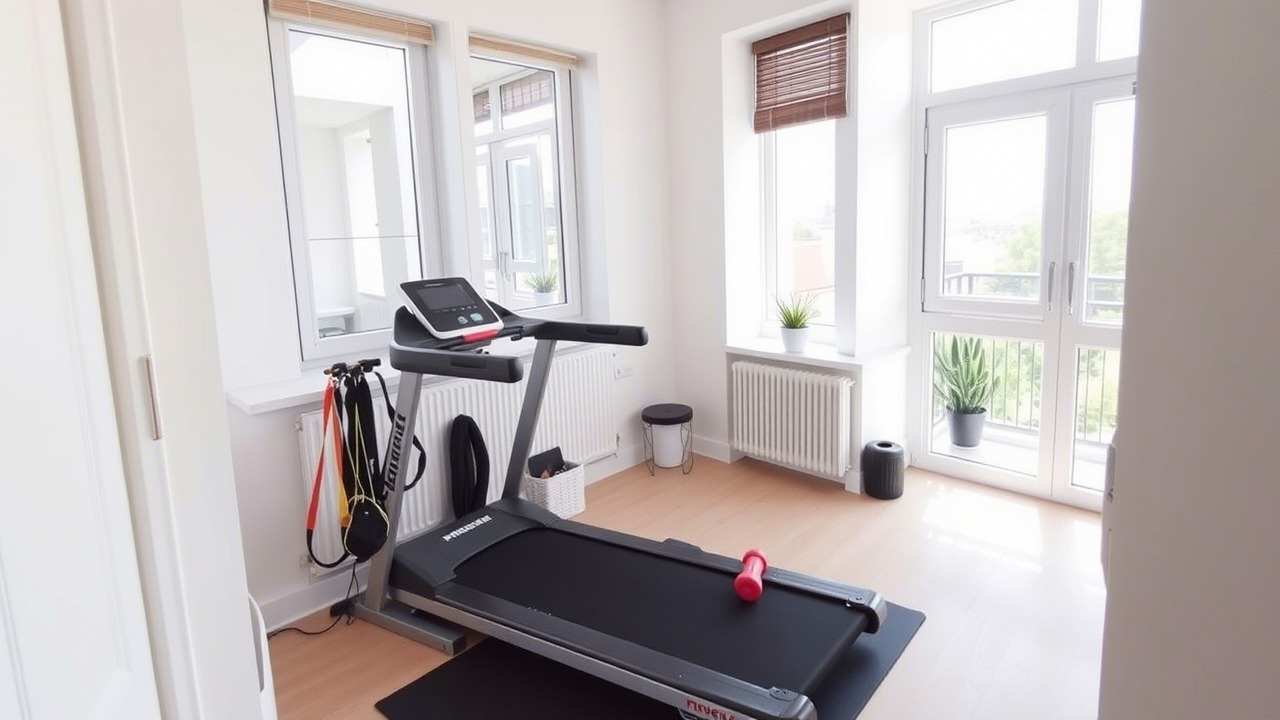
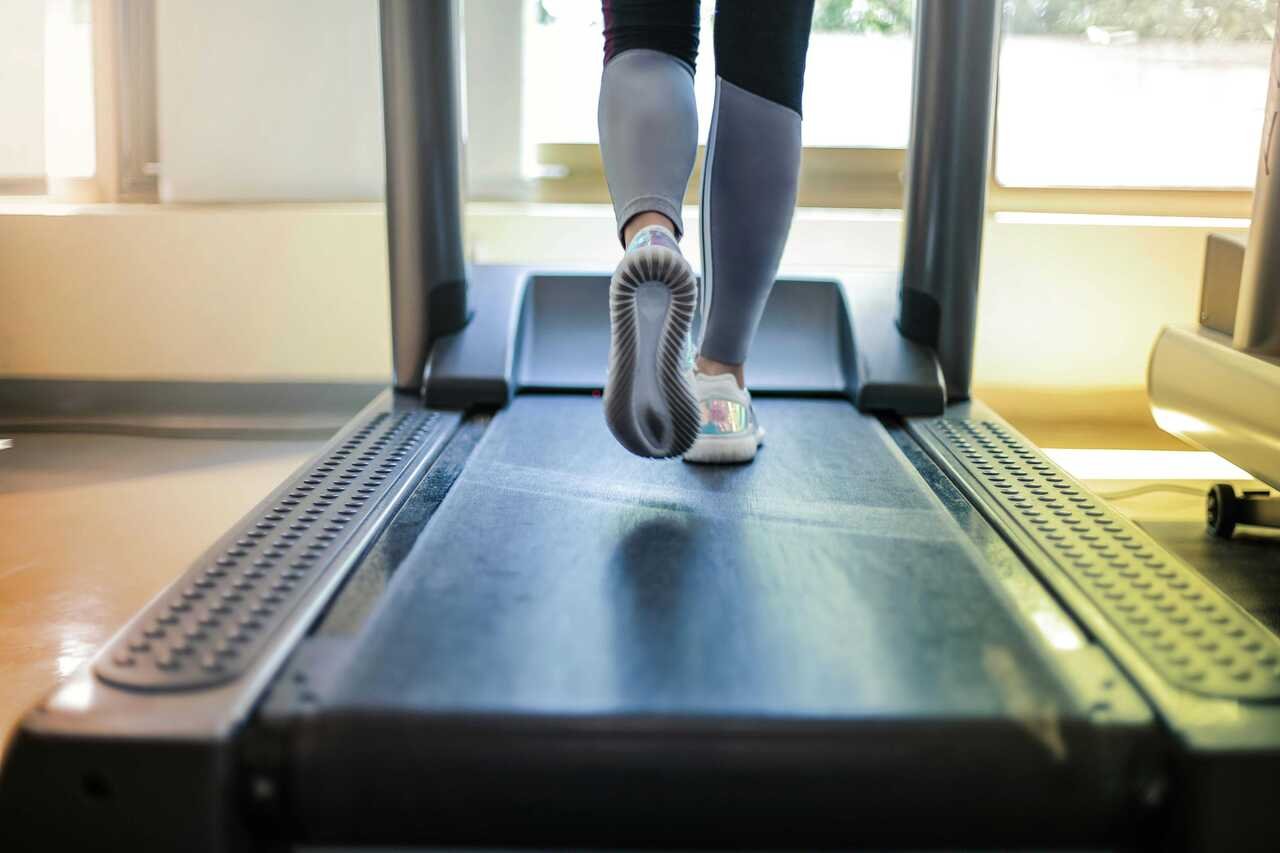
A cardio-focused design might include an exercise bike, compact rower, treadmill, or elliptical.
We should measure every machine before purchasing it. Container interiors have limited width, and equipment that looks compact online can consume significant floor space once positioned inside.
5. Outdoor Fitness Hub
A container can also serve as the equipment storage and enclosed portion of a larger outdoor training facility. The container provides secure storage for weights and accessories while the surrounding area becomes an additional workout zone.
For homeowners planning outdoor gym ideas, this approach can create a useful combination of indoor and outdoor training areas. Doors can open toward an outdoor fitness space where we use sleds, plyometric equipment, resistance bands, battle ropes, or other weather-appropriate equipment.
The container can also provide shade, equipment storage, and a convenient transition between enclosed and outdoor workouts. This makes the concept particularly useful for larger backyards where there is enough room to combine a compact indoor gym with an open training area.
How Much Space Does a Container Gym Need?
The container’s external dimensions don’t tell the whole story.
Interior dimensions are reduced by wall thickness, insulation, framing, electrical installations, flooring, and other modifications. Equipment also requires clearance around it.
We should create a scaled floor plan before ordering gym equipment.
For every major machine, record:
- Equipment length
- Equipment width
- Equipment height
- Required operating clearance
- Access requirements
- Storage requirements
- User movement area
This prevents one of the most common container gym mistakes: filling the available floor with equipment and leaving insufficient room to train.
Choosing the Right Container
We should inspect the container carefully before converting it into a gym.
Important considerations include:
- Structural condition
- Floor condition
- Rust
- Roof condition
- Door operation
- Water intrusion
- Previous cargo use
- Interior odors or contamination
- Container age
- Modification requirements
A used shipping container can reduce the initial cost, but its condition needs to be assessed before purchase.
The floor deserves particular attention because gym equipment creates concentrated loads. Heavy racks, weight plates, and repeated lifting activity can place significant stress on flooring.
Insulating a Shipping Container Gym
Steel conducts heat quickly. Without proper insulation, a container can become uncomfortable during hot or cold weather.
A suitable insulation system should account for:
- Local climate
- Condensation
- Interior wall finish
- Roof exposure
- Air movement
- Moisture control
- Electrical installations
We also need to consider the loss of interior space caused by insulation and wall framing.
In hot climates, roof insulation and solar heat management can make a substantial difference. In colder environments, insulation helps stabilize interior temperatures and reduce condensation.
Ventilation and Air Conditioning
Ventilation deserves serious attention in every gym in a shipping container.
Exercise produces heat, moisture, and carbon dioxide. A closed steel structure can become uncomfortable quickly when several people train inside.
A good design may combine:
- Mechanical ventilation
- Intake vents
- Exhaust fans
- Windows
- Air conditioning
- Ceiling or wall fans
- Dehumidification where necessary
Air-conditioning capacity should be selected according to the container’s insulation, climate, occupancy, equipment heat output, and ventilation requirements.
Flooring for a Container Gym
Gym flooring protects both the equipment and the underlying floor while improving traction.
Rubber flooring is a common choice because it handles weights, repeated foot traffic, and gym equipment effectively.
For a strength-focused facility, thicker rubber surfaces can provide additional protection beneath racks and lifting areas.
The floor should be level, dry, properly supported, and suitable for the expected equipment loads.
Electrical Requirements
A container gym may require electrical service for:
- Lighting
- Air conditioning
- Ventilation
- Fans
- Audio equipment
- Television displays
- Cardio machines
- Battery chargers
- Security systems
Electrical work should be planned before the interior walls are finished.
A qualified electrician should determine the appropriate service capacity, circuits, outlets, grounding, and protection based on local requirements and the equipment being installed.
Lighting a Container Gym
Good lighting makes a compact gym feel more comfortable and functional.
We should aim for even illumination across the training area, especially around racks, benches, storage zones, and walking paths.
LED fixtures are commonly suitable because they provide strong illumination while using relatively little electricity.
Natural light can also improve the space. Adding windows, however, involves structural modification and should be completed by professionals familiar with container conversions.
Security Features
A container naturally provides a secure steel enclosure, but a gym still benefits from additional security measures.
Possible additions include:
- Reinforced locks
- Security lighting
- Cameras
- Alarm systems
- Exterior lighting
- Secure windows
- Controlled access
For commercial shipping container gyms, access control can become particularly useful when multiple members use the facility.
Equipment Selection for a Container Gym
Equipment should be selected according to the training goals and available space.
For a compact strength gym, we can prioritize equipment such as:
- Adjustable dumbbells
- Adjustable bench
- Barbell
- Weight plates
- Compact rack
- Kettlebells
- Resistance bands
- Pull-up bar
Adjustable equipment can provide several exercises while occupying less space than multiple fixed machines.
For cardio, compact machines are usually easier to integrate than large commercial equipment.
The best equipment plan begins with the workouts we intend to perform rather than buying equipment first and trying to find space afterward.
Common Container Gym Mistakes
Several planning mistakes can make a container gym expensive or uncomfortable.
Ignoring Interior Height
Some exercises require substantial overhead clearance. We should account for the height of the rack, barbell, user, and lifting movement.
Buying Equipment Before Measuring
Every machine should be measured before purchase.
Poor Ventilation
A well-equipped gym with inadequate airflow can become unpleasant within minutes.
Insufficient Electrical Planning
Adding air conditioning, cardio machines, lighting, and fans later can require expensive changes.
Forgetting Delivery Access
The container must reach its final position. Site access should be checked before ordering.
Underestimating Storage
Weight plates, dumbbells, bands, cleaning supplies, and accessories need dedicated storage.
Are Shipping Container Gyms Worth It?
For the right application, a container gym can provide an efficient dedicated workout space without constructing a conventional building from scratch.
Its value depends on the container cost, transportation, site preparation, modifications, insulation, electrical work, ventilation, flooring, equipment, and local permitting requirements.
A well-designed container can work particularly well when space is limited and the owner wants a private or specialized training environment.
Container Gym Planning Checklist
Before starting construction, we should confirm:
- Container dimensions
- Site measurements
- Delivery access
- Local planning requirements
- Structural condition
- Rust and water damage
- Insulation system
- Ventilation
- Air conditioning
- Electrical capacity
- Lighting
- Flooring
- Equipment dimensions
- Equipment clearance
- Storage
- Security
- Drainage around the container
- Weather protection
- Emergency access
Key Takeaways
- A container gym can create a dedicated fitness facility in a compact footprint.
- A 20-foot container is suitable for many private training setups.
- A 40-foot container provides greater flexibility for equipment and multiple users.
- Shipping container gym design should prioritize ventilation, insulation, flooring, and electrical planning.
- Equipment should be measured before purchasing or installing it.
- Adjustable and multi-purpose equipment makes better use of limited interior space.
- Delivery access should be confirmed before ordering the container.
- Local planning and building requirements should be checked before construction.
- Proper airflow is essential because exercise produces substantial heat and moisture.
- A detailed floor plan can prevent expensive layout mistakes.
Frequently Asked Questions About Container Gyms
Can you put a gym inside a shipping container?
Yes. A shipping container can be converted into a gym with appropriate flooring, insulation, ventilation, electrical systems, lighting, doors, windows, and fitness equipment.
Is a 20-foot container big enough for a gym?
A 20-foot container can work well for a compact personal gym. Careful equipment selection and layout planning are essential because usable interior space is limited.
Can you build a gym in a 40-foot shipping container?
Yes. A 40-foot container provides considerably more room and can accommodate multiple training zones, additional storage, and more equipment.
Are shipping containers good for gyms?
They can be effective gym structures because they provide a strong enclosed shell and a compact footprint. Proper insulation, ventilation, electrical work, and structural modifications are essential.
Can a container gym get too hot?
Yes. Steel containers can heat up quickly, particularly in direct sunlight. Insulation, ventilation, shading, reflective roofing strategies, fans, and air conditioning can help control indoor temperatures.
What equipment works best in a container gym?
Compact, versatile equipment generally works best. Adjustable dumbbells, benches, kettlebells, resistance bands, compact racks, barbells, and wall-mounted storage can provide substantial training variety.
Do container gyms require planning permission?
Requirements vary according to location, property type, intended use, utilities, foundation, and local building regulations. Local authorities should be consulted before purchasing or modifying a container.