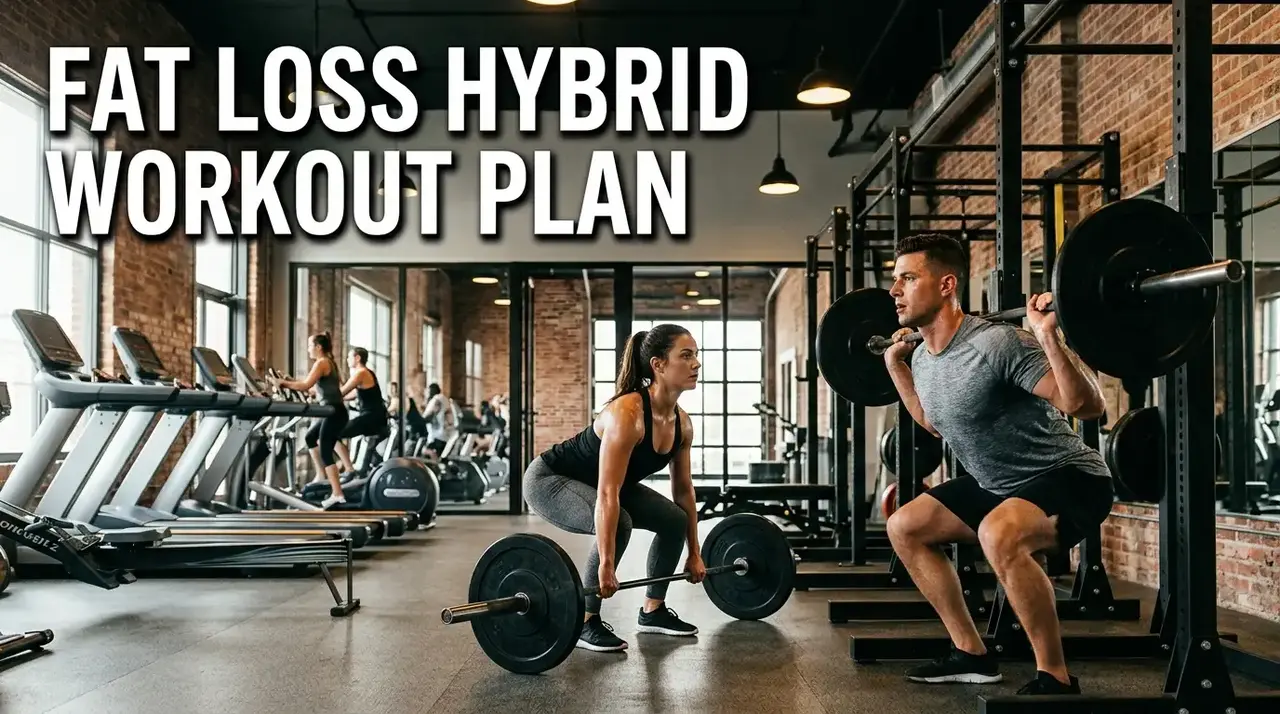

A fat loss hybrid workout plan combines strength training, cardiovascular conditioning, mobility work, and endurance exercises into one structured program. Instead of focusing solely on lifting weights or endless cardio sessions, a hybrid approach develops a stronger, leaner, and more athletic body while maximizing calorie expenditure.
Whether your goal is reducing body fat, improving cardiovascular health, increasing muscle definition, or enhancing overall fitness, a hybrid training program offers one of the most effective long-term solutions. By strategically combining resistance training with aerobic and anaerobic conditioning, we can maintain muscle mass while accelerating fat loss.
Table of Contents
What Is a Fat Loss Hybrid Workout Plan?
A hybrid workout plan integrates multiple training styles throughout the week rather than relying on one fitness method.
A balanced fat loss hybrid program includes:
- Strength training
- High-Intensity Interval Training (HIIT)
- Steady-state cardio
- Mobility and recovery sessions
- Core strengthening
- Functional movement exercises
This balanced combination improves body composition while avoiding training plateaus that often occur with repetitive workouts.
Benefits of a Hybrid Workout Plan for Fat Loss
Burn More Calories Throughout the Day
Strength workouts increase muscle mass, which naturally raises resting metabolic rate. HIIT sessions create a significant afterburn effect known as Excess Post-Exercise Oxygen Consumption (EPOC), allowing the body to continue burning calories long after training ends.
Preserve Lean Muscle During Weight Loss
Many traditional fat-loss programs rely heavily on cardio, often resulting in muscle loss. Hybrid training prioritizes resistance exercise to help maintain muscle while reducing body fat.
Improve Cardiovascular Fitness
Mixing endurance workouts with interval training strengthens the heart, improves oxygen efficiency, and boosts stamina for everyday activities.
Increase Athletic Performance
Hybrid athletes develop:
- Better coordination
- Faster recovery
- Improved agility
- Greater power output
- Enhanced muscular endurance
Essential Principles of Hybrid Fat Loss Training
Before following any program, several training principles should guide every workout.
Progressive Overload
Gradually increase:
- Weight lifted
- Training volume
- Workout intensity
- Running or cycling distance
Small improvements each week produce long-term fat loss and muscle development.
Training Variety
Alternating workout styles reduces overuse injuries and keeps motivation high.
Recovery Matters
Fat loss happens during recovery as much as during exercise. Prioritize:
- Sleep
- Hydration
- Protein intake
- Stretching
- Active recovery
7-Day Fat Loss Hybrid Workout Plan
Day 1: Upper Body Strength + HIIT
Strength Workout
- Bench Press – 4 sets × 8 reps
- Bent-Over Rows – 4 × 10
- Shoulder Press – 3 × 10
- Pull-Ups or Lat Pulldowns – 3 × 10
- Dumbbell Chest Flyes – 3 × 12
- Bicep Curls – 3 × 12
- Tricep Pushdowns – 3 × 12
HIIT Finisher
20 minutes:
- 30 seconds sprint
- 90 seconds walk
Repeat 10 rounds.
Day 2: Lower Body Strength
Focus on compound lifts.
- Barbell Squats – 4 × 8
- Romanian Deadlifts – 4 × 10
- Walking Lunges – 3 × 12 each leg
- Leg Press – 3 × 12
- Hamstring Curl – 3 × 15
- Standing Calf Raises – 4 × 15
Finish with:
- Plank – 3 × 60 seconds
- Hanging Leg Raises – 3 × 12
Day 3: Zone 2 Cardio
Perform:
- 45–60 minutes brisk walking
- Easy cycling
- Rowing
- Swimming
Maintain a conversational pace to improve aerobic capacity while encouraging fat oxidation.
Day 4: Full Body Functional Training
Circuit (4 rounds)
- Kettlebell Swings ×15
- Push-Ups ×15
- Goblet Squats ×15
- TRX Rows ×12
- Box Step-Ups ×12
- Battle Ropes ×30 seconds
- Mountain Climbers ×30 seconds
Rest 90 seconds between rounds.
Day 5: Upper and Lower Body Power
Develop explosive strength.
- Deadlifts – 5 × 5
- Push Press – 4 × 6
- Bulgarian Split Squats – 3 × 10
- Medicine Ball Slams – 3 × 15
- Farmer Carries – 4 × 40 meters
Finish with:
10-minute rowing intervals.
Day 6: Long Endurance Session
Choose one:
- 60-minute run
- 90-minute bike ride
- Long hike
- Swimming session
Maintain moderate intensity.
Day 7: Recovery and Mobility
Spend 30–45 minutes performing:
- Foam rolling
- Dynamic stretching
- Yoga
- Hip mobility drills
- Shoulder mobility exercises
Recovery prepares the body for another productive training week.
Best Exercises for Hybrid Fat Loss
Compound Strength Exercises
These exercises recruit multiple muscle groups simultaneously.
- Squats
- Deadlifts
- Bench Press
- Pull-Ups
- Rows
- Lunges
- Overhead Press
Compound lifts increase calorie expenditure while building functional strength.
High-Calorie Burning Cardio
Excellent cardio options include:
- Running
- Cycling
- Rowing
- Stair Climber
- Assault Bike
- Swimming
- Jump Rope
Alternating modalities reduces repetitive stress injuries.
Nutrition for a Fat Loss Hybrid Workout Plan
Training alone cannot maximize results without proper nutrition.
Prioritize Protein
Aim for approximately:
1.6–2.2 grams of protein per kilogram of body weight daily.
Quality protein sources include:
- Chicken breast
- Turkey
- Fish
- Greek yogurt
- Eggs
- Cottage cheese
- Lean beef
- Tofu
- Lentils
Eat Complex Carbohydrates
Fuel intense workouts with:
- Brown rice
- Sweet potatoes
- Oats
- Quinoa
- Whole grains
- Fruits
Consume carbohydrates around training sessions for optimal performance.
Include Healthy Fats
Healthy fats support hormone production and recovery.
Good choices include:
- Avocados
- Olive oil
- Nuts
- Seeds
- Fatty fish
Hydration Guidelines
Drink water consistently throughout the day.
Increase fluid intake during:
- Long runs
- HIIT sessions
- Hot weather workouts
Electrolytes may be beneficial after prolonged endurance sessions.
Common Mistakes to Avoid
Doing Too Much Cardio
Excessive cardio without strength training often reduces muscle mass and slows metabolism.
Skipping Recovery Days
Muscles grow stronger during recovery, not during workouts.
Under-Eating
Large calorie deficits reduce workout performance and increase muscle loss.
Ignoring Progressive Overload
Repeating identical workouts limits long-term progress.
How to Measure Progress
Instead of relying only on the scale, monitor:
- Body fat percentage
- Waist measurements
- Progress photos
- Strength improvements
- Running pace
- Recovery time
- Energy levels
Multiple indicators provide a clearer picture of overall progress.
Who Should Follow a Hybrid Fat Loss Workout Plan?
Hybrid training is ideal for:
- Beginners seeking balanced fitness
- Intermediate gym-goers
- Busy professionals
- Recreational athletes
- Individuals aiming to lose body fat while maintaining muscle
- Runners wanting greater strength
- Lifters looking to improve endurance
The flexibility of hybrid training allows workouts to be adjusted for nearly any fitness level.
Final Thoughts
A fat loss hybrid workout plan delivers a practical balance of strength, endurance, cardiovascular fitness, and mobility, making it one of the most effective strategies for improving overall body composition. By combining resistance training with interval work, steady-state cardio, and dedicated recovery, we create a sustainable routine that supports long-term fat loss while preserving lean muscle and enhancing performance. Pair this approach with nutrient-dense meals, sufficient protein, quality sleep, and progressive overload to build a stronger, leaner, and healthier body over time.
Conclusion
If you’re looking for a fitness approach that burns fat without sacrificing muscle, a hybrid workout plan offers the best of both worlds. Commit to consistent training, prioritize recovery, fuel your body with balanced nutrition, and track your progress beyond the scale. With patience and discipline, you’ll develop lasting habits that support sustainable fat loss, increased strength, and improved endurance for years to come.
hine, and visible sweat and determination. The environment should feel energetic and motivating, with dramatic lighting, sharp details, and a professional fitness magazine style. Add space for a blog title overlay reading “Fat Loss Hybrid Workout Plan”.
Frequently Asked Questions
How many days per week should I train?
Most people achieve excellent results with 5–6 training days and 1–2 recovery days, depending on fitness level and recovery capacity.
Can beginners follow a hybrid workout plan?
Yes. Beginners should reduce training volume, use lighter weights, and focus on mastering proper exercise technique before increasing intensity.
Is hybrid training better than cardio alone?
For most individuals seeking fat loss, hybrid training is more effective because it combines calorie-burning workouts with muscle-preserving strength training, leading to better body composition over time.
How long before I see results?
With consistent training, balanced nutrition, and adequate recovery, noticeable improvements in strength, endurance, and body composition often begin within 6–12 weeks, though individual results vary.
Do I need a gym?
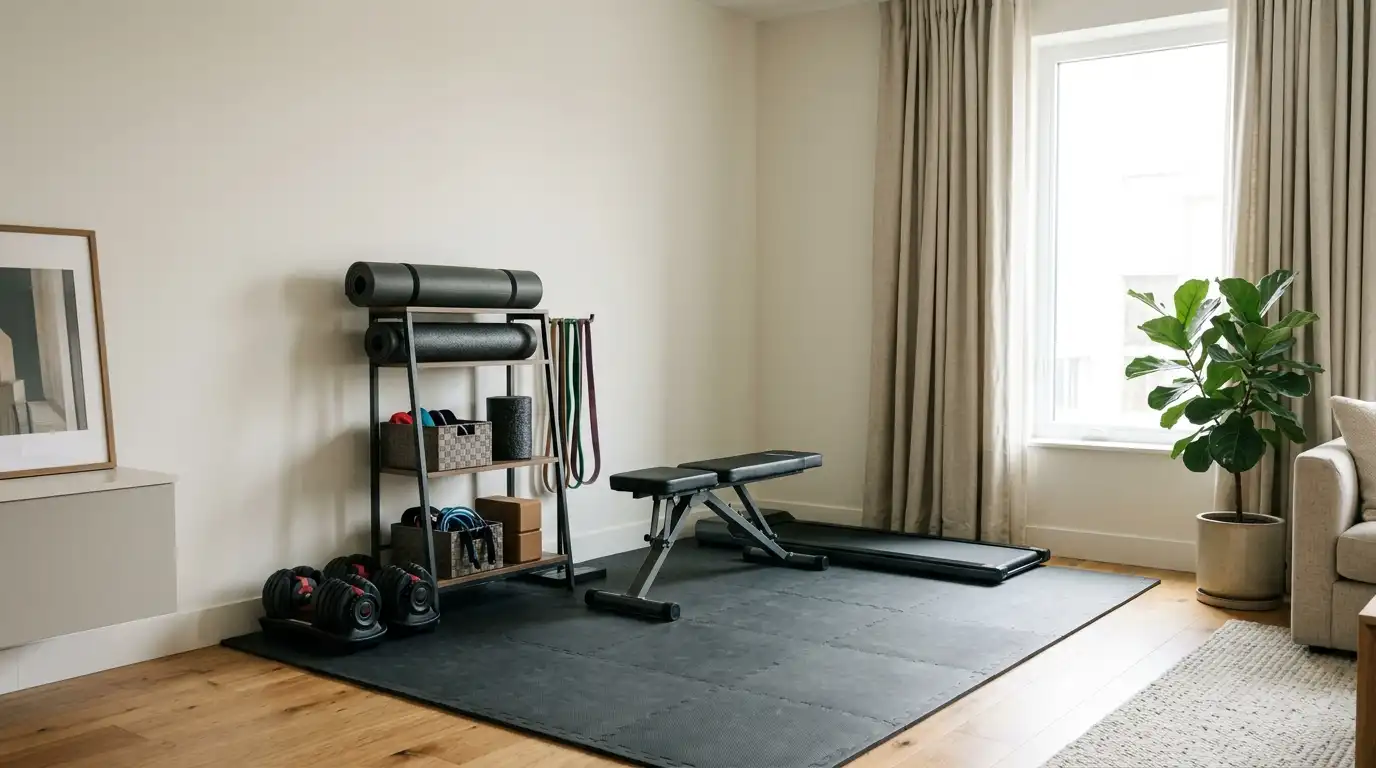
No. Many hybrid workouts can be adapted using bodyweight exercises, resistance bands, dumbbells, kettlebells, or simple outdoor activities like walking and running.