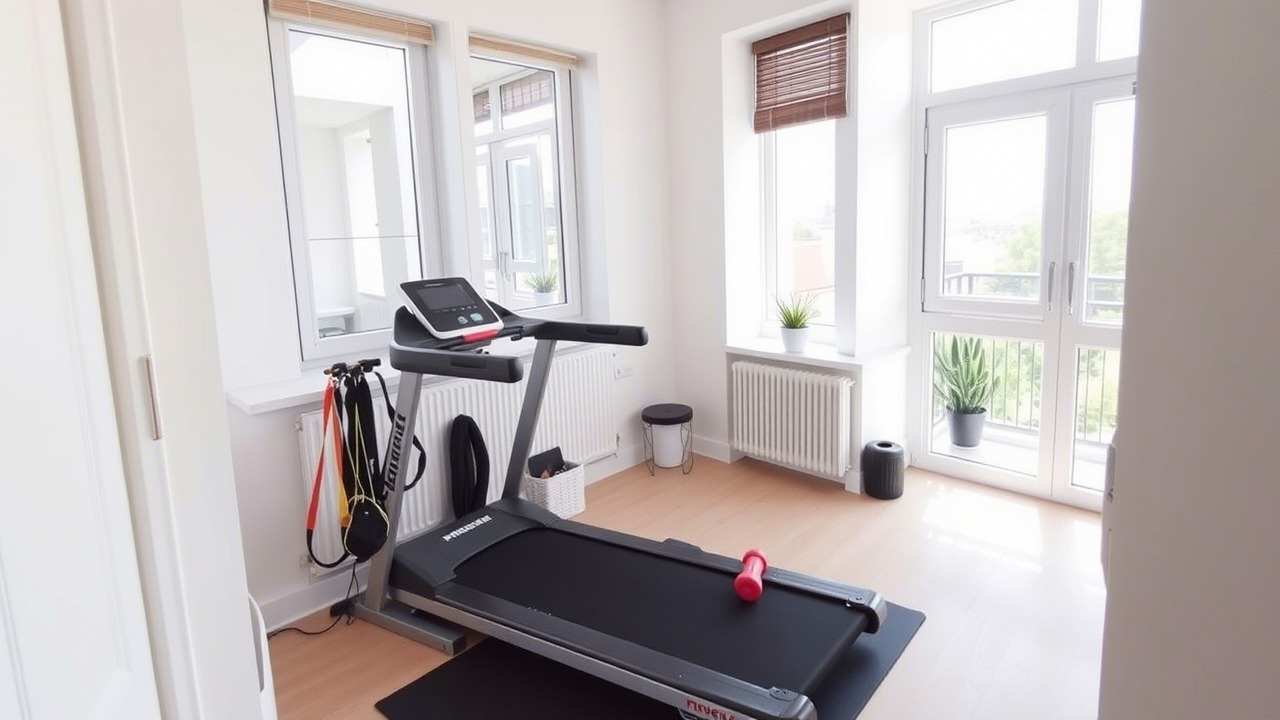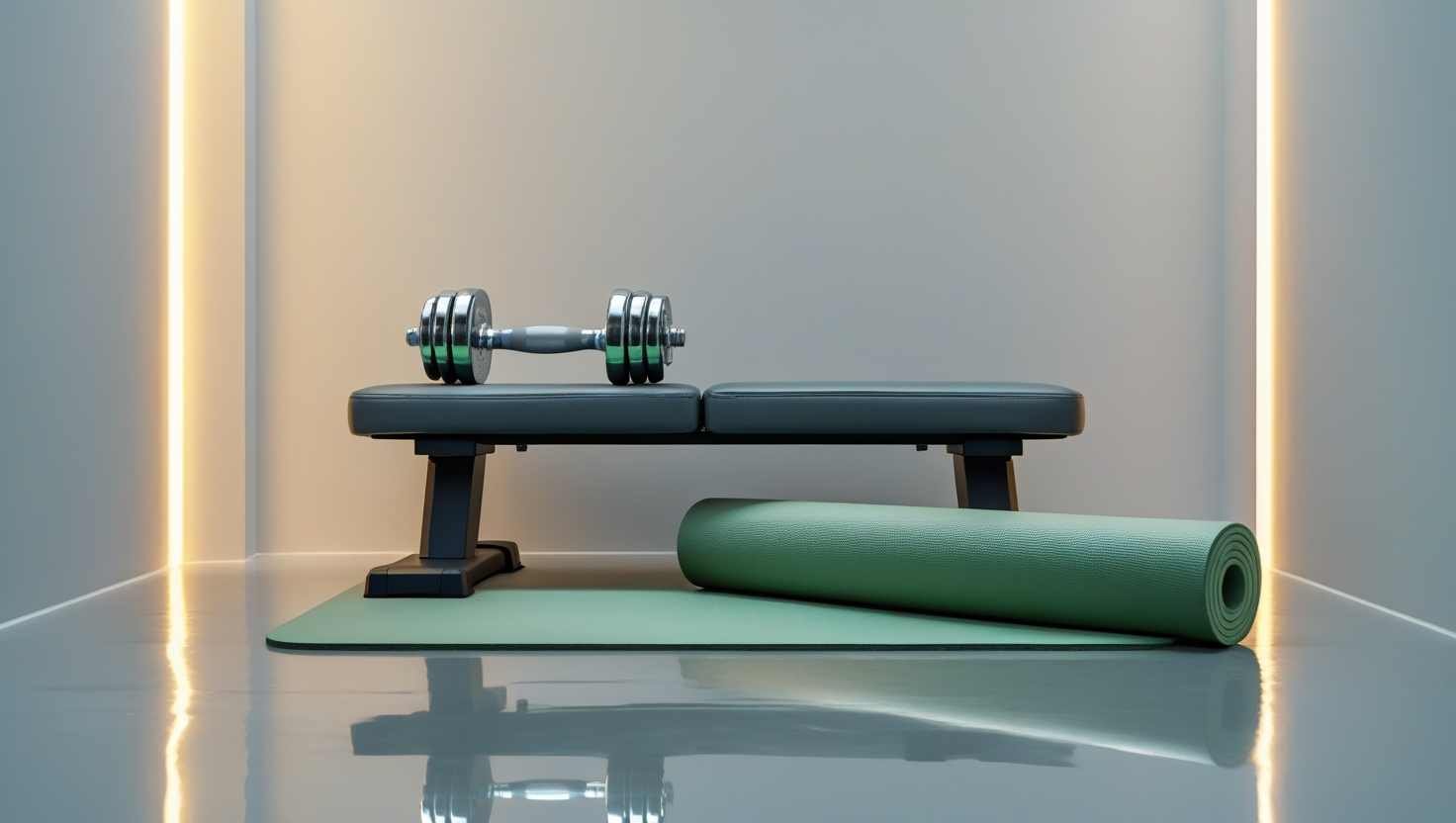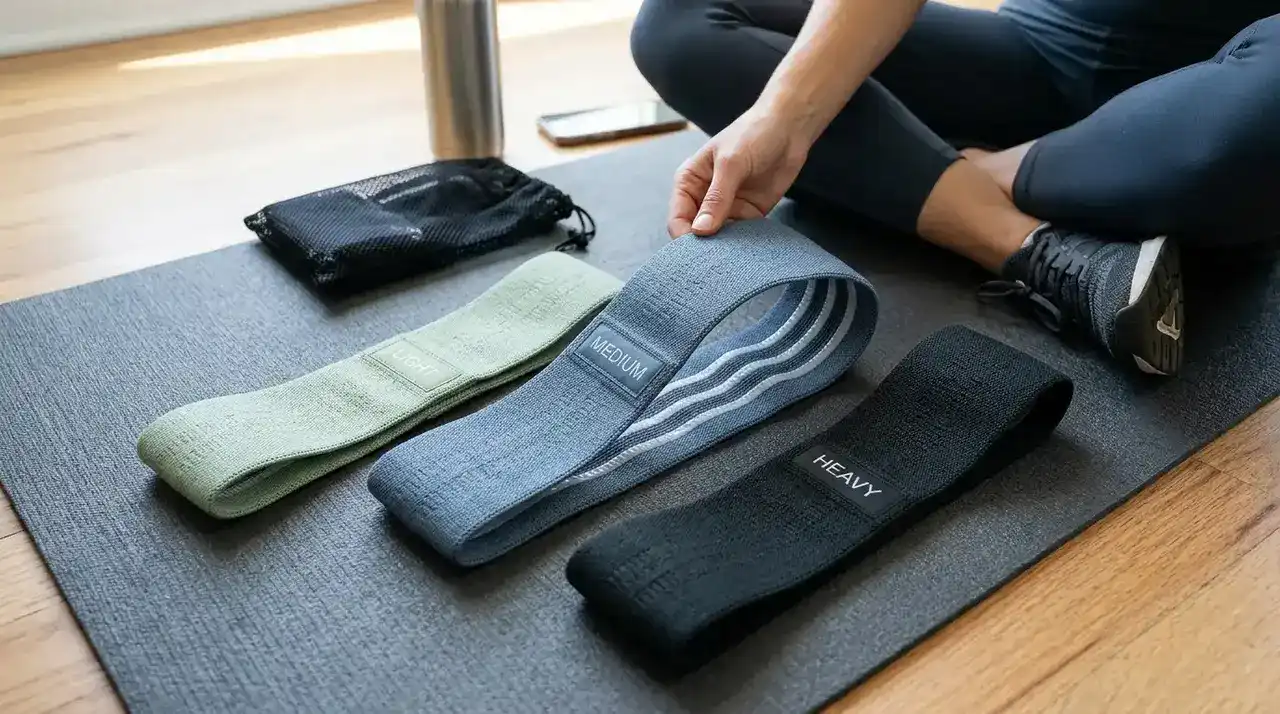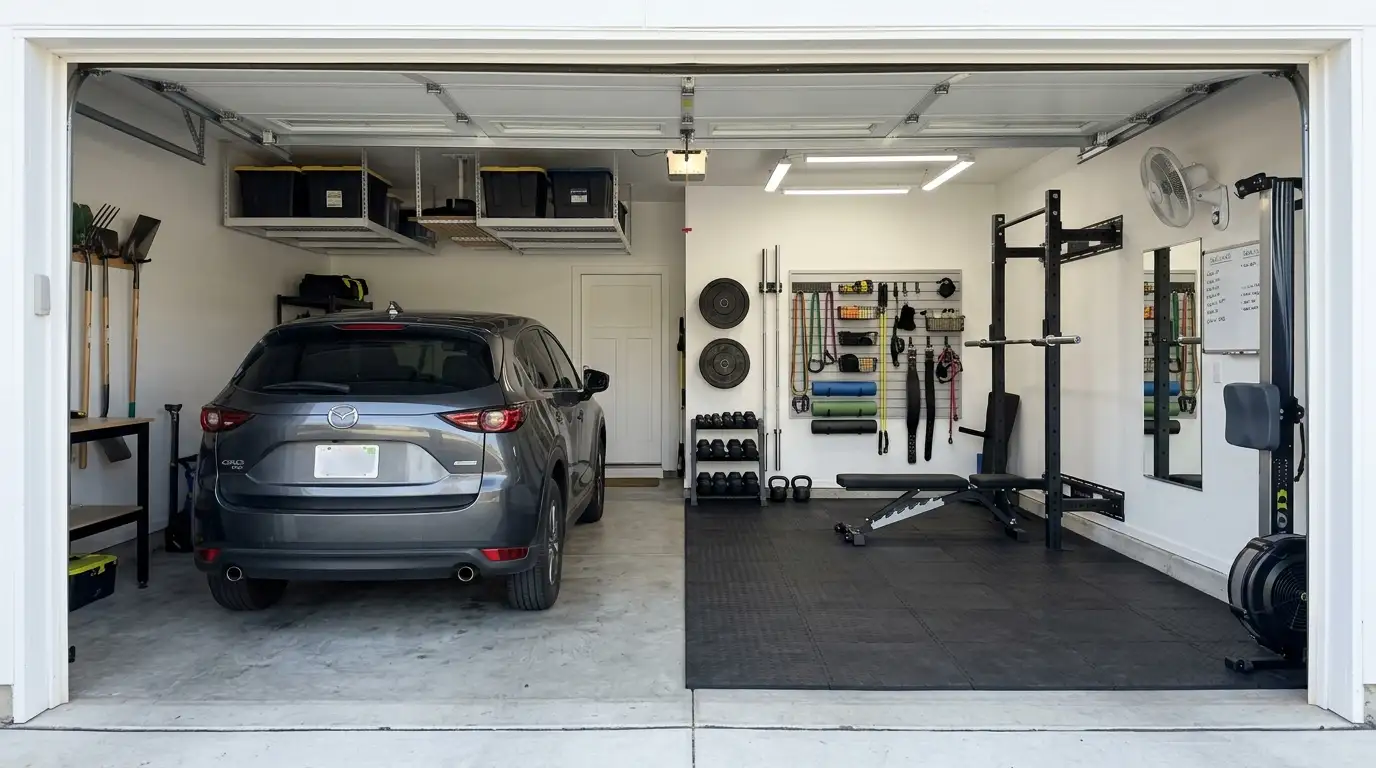
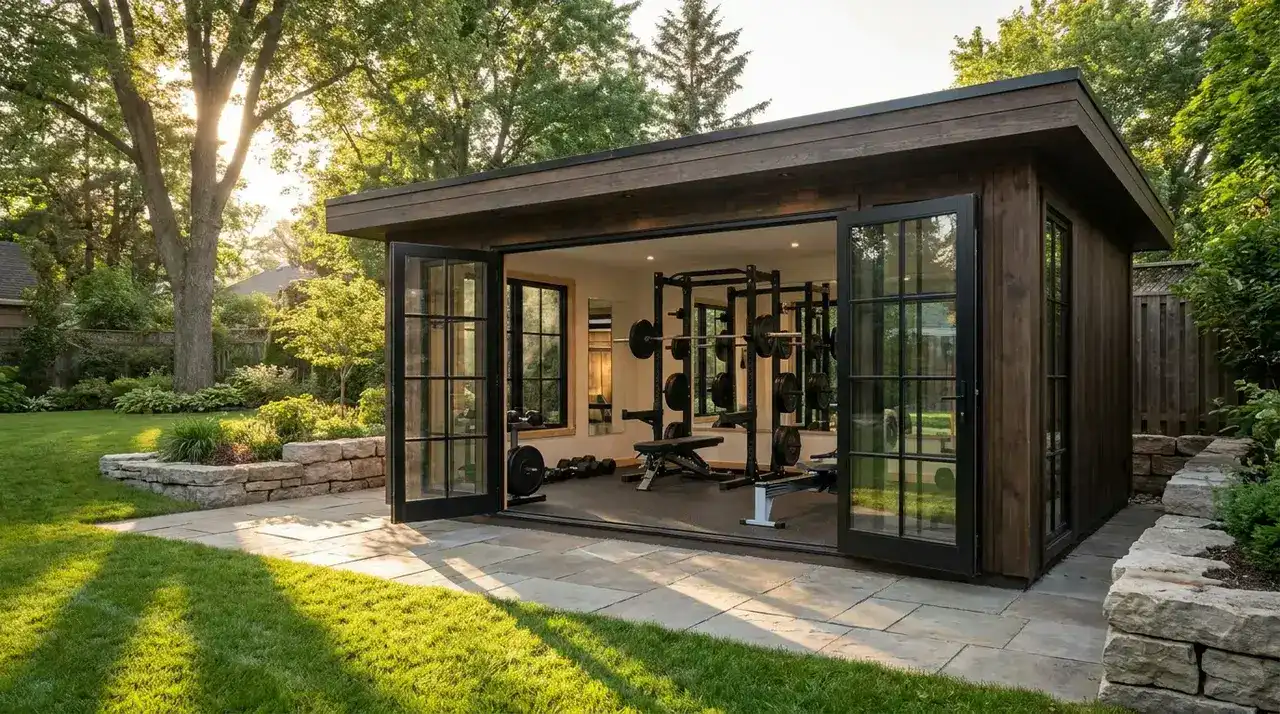

A gym shed gives us a practical way to create a dedicated workout space without giving up an entire room inside the house. With the right shed size, flooring, ventilation, lighting, insulation, and equipment, we can turn a garden building into a comfortable home gym in a garden shed that works throughout the year.
The best setups start with the building itself. We need enough floor space for the exercises we plan to perform, sufficient ceiling height for overhead movements, strong flooring for heavy equipment, and reliable airflow during demanding workouts.
Whether we want a compact workout shed for dumbbells and cardio equipment or a larger backyard gym with a power rack, barbell, bench, and cable machine, careful planning makes a major difference.
Table of Contents
What Is a Gym Shed?
A gym shed is a dedicated outdoor building converted into a private exercise space. It can be a traditional garden shed, purpose-built outbuilding, timber cabin, or insulated backyard structure fitted with gym flooring and fitness equipment.
A typical gym shed can include:
- Adjustable dumbbells
- Weight bench
- Power rack or squat rack
- Olympic barbell and plates
- Resistance bands
- Pull-up bar
- Exercise bike
- Rowing machine
- Treadmill
- Kettlebells
- Cable machine
- Mirrors
- Storage racks
- Fans or ventilation systems
The major advantage is separation. We can walk into the shed, close the door, and have a dedicated place for training without rearranging the living room before every workout.
Gym Shed vs. Other Backyard Gym Options
A traditional shed is only one way to create a dedicated outdoor training area. Depending on available space, budget, and the type of workouts we prefer, we can also consider an open-air training area or a converted shipping container.
For homeowners who want something more flexible and weather-friendly, our guide to Outdoor Gym Ideas for Backyards can provide additional inspiration for creating a dedicated exercise area outside the house.
A container gym is another option worth considering when we want a highly durable enclosed structure with substantial interior space. Shipping containers can be modified with insulation, ventilation, electrical systems, flooring, windows, and doors to create a serious private training facility.
The best choice depends on the available property space, local regulations, desired equipment, and how much construction work we want to undertake.
How Much Space Do We Need for a Shed Gym?
The right size depends on the type of training we want to do.
A small shed gym can work surprisingly well when equipment is selected carefully. A building around 8 × 10 feet can accommodate basic strength equipment, dumbbells, resistance bands, and compact cardio equipment.
For a more complete setup, 10 × 12 feet or larger gives us considerably more freedom.
| Gym Shed Size | Suitable Setup |
|---|---|
| 6 × 8 ft | Dumbbells, bands, compact accessories |
| 8 × 10 ft | Bench, dumbbells, compact cardio |
| 10 × 12 ft | Rack, bench, weights, cardio |
| 12 × 16 ft | Full strength and cardio setup |
| 14 × 20 ft+ | Advanced home gym with multiple stations |
We should measure the equipment footprint before buying the shed. A machine may fit physically while leaving too little room to use it safely.
Allow Space Around Equipment
A squat rack, bench, treadmill, or rowing machine needs usable clearance around it.
For strength training, we should leave enough room to load plates, move around the rack, perform exercises safely, and store equipment without creating obstacles.
Floor space directly in front of a rack is particularly valuable because many exercises require a clear training zone.
Choosing the Right Shed for a Home Gym
The building needs to withstand repeated use and the environmental conditions of its location.
A lightweight storage shed may work for a basic workout area, while a serious weight-training gym generally benefits from a stronger structure.
Timber Gym Sheds
Timber buildings are popular because they can be customized and insulated relatively easily.
They can also provide a warm, attractive appearance that fits naturally into a garden.
For a timber gym shed, we should pay attention to wall thickness, roof construction, floor strength, moisture protection, and the quality of the doors and windows.
Metal Sheds
Metal sheds can provide durable external protection and require relatively little maintenance.
Their main challenge is temperature control. Metal can become extremely hot in direct summer sunlight and cold during winter, so insulation and ventilation deserve careful planning.
Purpose-Built Garden Gyms
A purpose-built garden gym provides the greatest flexibility.
We can specify insulation, electrical installation, windows, doors, ceiling height, flooring, and wall construction around our intended training style.
This approach usually costs more, but it can make sense when the building will be used heavily for many years.
How to Build a Home Gym in a Shed
Building a home gym in a shed involves several stages. The most important work happens before the first piece of gym equipment enters the building.
1. Prepare the Foundation
The shed needs a stable, level foundation.
Depending on the building and local conditions, this might involve a concrete slab, paving system, ground screws, or another suitable base.
The foundation needs to support the building and the additional loads created by people and gym equipment.
Heavy strength equipment creates concentrated loads, especially when loaded barbells and weight plates are involved.
2. Strengthen the Floor
Gym flooring protects the underlying floor while reducing noise and vibration.
For a strength-focused gym, thick rubber flooring is generally a practical choice. Interlocking rubber tiles can be installed across the main workout area, while thicker lifting platforms can be used beneath areas where barbells are regularly handled.
We should check the shed floor’s load capacity before installing heavy equipment.
3. Insulate the Walls and Roof
Temperature control becomes one of the biggest differences between an ordinary shed and a comfortable garden shed gym.
Insulation can help reduce heat loss during colder weather and limit temperature swings. The roof deserves particular attention because large amounts of heat can enter through an uninsulated roof during summer.
We should also address moisture and condensation rather than simply covering the interior with insulation.
4. Install Suitable Lighting
Good lighting makes the gym more functional and safer.
Ceiling lighting should illuminate the entire workout area without creating harsh shadows around racks, benches, and equipment.
Windows can provide natural daylight, while LED fixtures can provide consistent lighting when training early in the morning or after dark.
5. Plan Ventilation
A small enclosed building can become hot and humid quickly during exercise.
Fresh-air ventilation is therefore essential.
A combination of windows, passive vents, and an appropriately sized fan can help move warm, humid air out of the building.
For frequent training, we should consider ventilation before installing mirrors, insulation, and interior finishes.
Best Flooring for a Gym Shed
Gym flooring has to handle repeated impact, equipment weight, sweat, and general wear.
Rubber flooring is one of the most practical choices for a backyard gym.
Rubber Tiles
Rubber tiles are convenient for DIY installation and can be replaced individually if a section becomes damaged.
They’re particularly useful when we want a modular floor.
Rubber Rolls
Rubber rolls create a continuous surface with fewer seams.
They’re well suited to larger gym sheds where we want broad coverage across the entire floor.
Lifting Platform
A dedicated lifting platform provides a more defined area for deadlifts, Olympic lifting, and barbell work.
For heavy training, combining a sturdy platform with appropriate impact protection can provide better protection for both the floor and equipment.
Best Equipment for a Shed Gym
Equipment selection should follow the available space and training goals.
A compact strength setup might include:
- Adjustable dumbbells
- Adjustable bench
- Resistance bands
- Pull-up station
- Kettlebell
- Folding rack
A larger backyard gym can accommodate:
- Power rack
- Olympic barbell
- Weight plates
- Adjustable bench
- Cable machine
- Dumbbell rack
- Kettlebells
- Rowing machine
- Exercise bike
- Treadmill
A power rack can provide an enormous amount of training variety from a relatively small footprint. We can use it for squats, presses, rack pulls, pull-ups, and other exercises when the appropriate attachments are installed.
Gym Shed Ideas for Small Gardens
A small garden doesn’t automatically rule out a useful workout space.
The key is to prioritize equipment that performs several jobs.
An adjustable bench paired with adjustable dumbbells can replace several pieces of fixed equipment. A wall-mounted pull-up bar can provide vertical storage and training capability without consuming much floor space.
Foldable cardio machines can also help preserve floor area.
Wall storage is especially valuable. Instead of leaving plates, bands, kettlebells, and accessories scattered around the floor, we can mount suitable storage solutions to the walls.
For very small outdoor spaces, we can also look beyond conventional sheds. Compact outdoor workout zones, covered patios, and purpose-built structures can provide useful alternatives when a full-size gym shed won’t fit comfortably.
How to Make a Gym Shed Comfortable Year-Round
A year-round gym requires more than gym equipment.
We should consider:
- Insulation
- Ventilation
- Heating
- Cooling
- Moisture control
- Weather sealing
- Proper lighting
- Electrical safety
- Suitable flooring
A portable fan may be enough for a small summer gym, while a frequently used insulated building may benefit from a more permanent heating and cooling solution.
Humidity deserves attention too. Sweat from repeated workouts can increase moisture inside the building, particularly when airflow is limited.
Electrical Requirements for a Gym Shed
Electrical planning should happen before the walls are finished.
A gym may need power for lighting, fans, heating or cooling, speakers, charging stations, treadmills, bikes, televisions, or other equipment.
Outdoor electrical installations should comply with applicable local electrical regulations and should be installed by a suitably qualified professional where required.
We should also avoid running too many high-powered appliances from a circuit that wasn’t designed for them.
Mirrors and Interior Design
Mirrors serve a practical purpose in a workout shed.
They allow us to check lifting technique, posture, and exercise form while making a compact room feel more spacious.
A large mirror along one wall can work well in a strength-training gym. We should mount mirrors securely and keep them away from areas where equipment could easily strike them.
Interior finishes can be simple. Durable wall panels, painted surfaces, rubber flooring, good lighting, and organized storage can create a polished gym without unnecessary decoration.
How Much Does It Cost to Build a Gym Shed?
The cost of a gym shed depends heavily on the building size, foundation, insulation, electrical work, flooring, climate control, and equipment.
A basic conversion can be relatively straightforward when an existing shed already has a suitable foundation and structure.
A purpose-built insulated gym with electrical installation, premium flooring, climate control, and substantial strength equipment represents a much larger project.
A useful way to budget is to divide the project into five categories:
| Category | What It Includes |
|---|---|
| Building | Shed, cabin, doors, windows |
| Preparation | Foundation, leveling, structural work |
| Interior | Insulation, flooring, walls, lighting |
| Utilities | Electricity, ventilation, heating/cooling |
| Equipment | Rack, weights, bench, cardio machines |
This makes it easier to decide where money should go first.
For most people, the building, floor, ventilation, and core equipment deserve priority over decorative upgrades.
Gym Shed vs. Indoor Home Gym
Both options have clear advantages.
A shed preserves indoor living space and creates physical separation between training and home life. It also gives us the freedom to build a dedicated environment around exercise.
An indoor gym can be easier to heat and cool and may provide simpler access to electricity, plumbing, and existing household infrastructure.
For homeowners with suitable outdoor space, a gym shed can provide a strong middle ground between a traditional garden shed and a full home extension.
Frequently Asked Questions
Key Takeaways
- A gym shed can become a fully functional private workout space.
- An 8 × 10-foot building can suit a compact gym, while 10 × 12 feet or larger offers more flexibility.
- We should plan equipment placement before choosing the shed.
- Strong flooring matters when using heavy weights.
- Insulation and ventilation are essential for comfortable year-round training.
- Adjustable and multifunctional equipment works particularly well in smaller buildings.
- A Container Gym can provide an alternative enclosed structure for a serious outdoor training space.
- Outdoor Gym Ideas for Backyards can help when an enclosed shed isn’t the right fit for the property.
- Electrical requirements should be planned before finishing the interior.
- Open workout space should be protected rather than filling the room with equipment.
- A good backyard gym starts with the building, foundation, airflow, and floor—not the equipment.
Final Word
A well-planned gym shed can turn unused outdoor space into one of the most useful areas of a property. The strongest setups combine a suitable building with durable flooring, sensible equipment selection, adequate ventilation, comfortable temperatures, good lighting, and enough open space to train properly.
We can start small with a bench, adjustable weights, bands, and a compact cardio machine, then expand the gym as our training needs grow. For more advanced users, a larger shed can accommodate a rack, barbell, plates, cable equipment, cardio machines, and dedicated storage.
The smartest approach is to design the workout space around the way we actually train. Once the layout, building, and infrastructure are right, the equipment becomes much easier to choose.
Can a garden shed be used as a gym?
Yes. A suitable garden shed can become a functional gym when the structure, flooring, ventilation, lighting, and equipment are appropriate for the intended workouts.
What size shed is best for a home gym?
For a basic setup, an 8 × 10-foot shed can work. A 10 × 12-foot or larger building provides more flexibility for racks, benches, weights, storage, and cardio equipment.
Can we put heavy weights in a shed?
Yes, provided the structure and floor are designed to support the loads. Heavy lifting areas should use appropriate flooring or a lifting platform, and the building’s load capacity should be checked before installation.
How do we keep a gym shed cool?
Ventilation, windows, fans, insulation, shading, and suitable cooling equipment can help control temperature. Good airflow is especially important during intense workouts.
How do we heat a gym shed in winter?
An insulated building is easier to heat. Depending on the building and local regulations, suitable electric heating or another approved heating system can provide winter comfort.
Is a gym shed worth it?
For people who train regularly and have suitable outdoor space, a gym shed can provide a private, dedicated workout environment while preserving space inside the house.
Can we build a gym shed ourselves?
Some projects can be completed as DIY conversions, particularly when using a prefabricated shed. Foundation work, structural modifications, and electrical installations may require professional assistance depending on local rules and the complexity of the project.