
Amazon Associate Disclosure: As an Amazon Associate, we may earn from qualifying purchases. This comes at no additional cost to you.
Finding the right fitness tracker for cardio can make it easier to monitor heart rate, track workout intensity, measure distance, and understand your progress over time. Whether you’re running, cycling, walking, using an elliptical, or training at home, a suitable tracker can turn exercise data into practical information for your fitness routine.
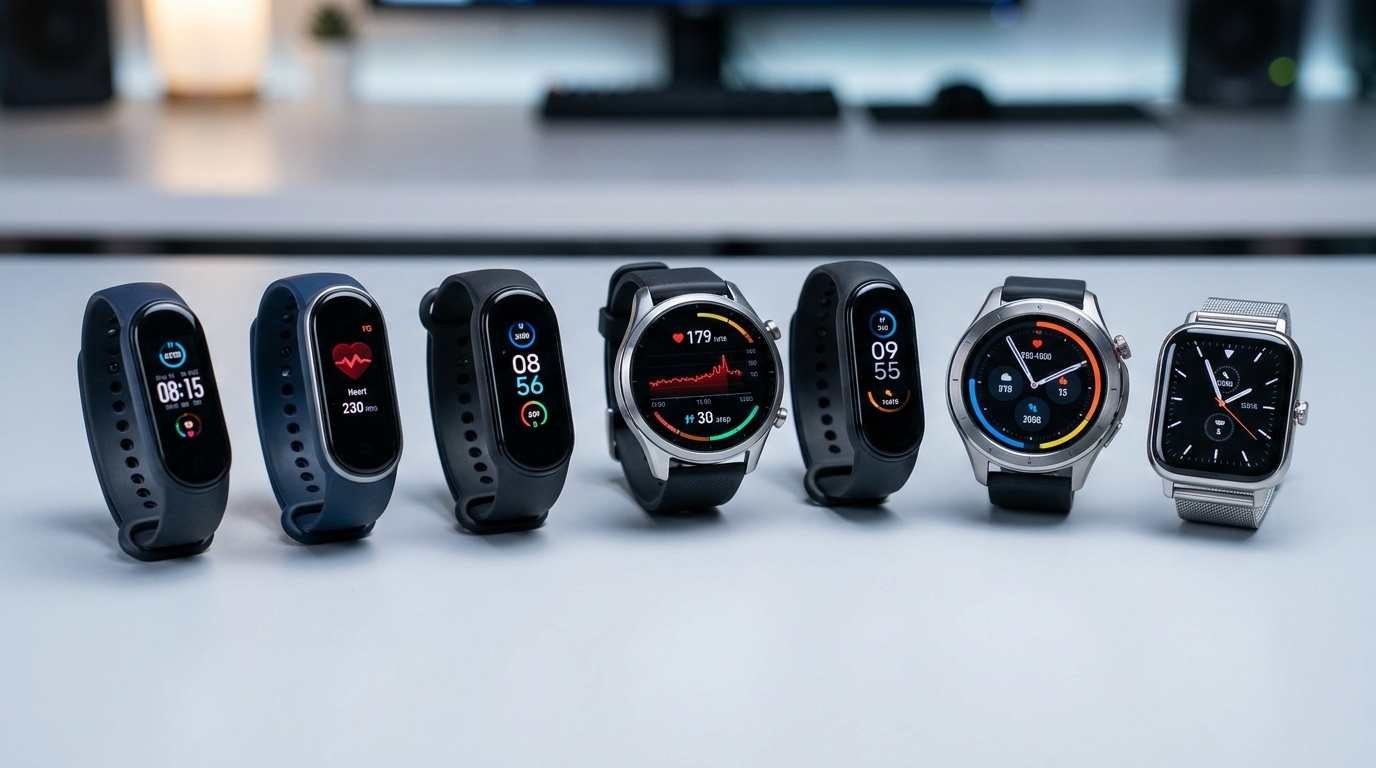
The right device depends on your preferred cardio activities, smartphone compatibility, GPS requirements, and the level of training information you need. Some users benefit from a lightweight fitness band, while runners and endurance athletes may prefer a GPS sports watch with more advanced workout tools.
This guide explains the features worth considering, compares different types of fitness trackers, and examines several devices to help you make an informed purchase.
Table of Contents
Best Fitness Tracker for Cardio: Quick Comparison
The following devices represent different approaches to cardio tracking, from everyday fitness bands to dedicated sports watches.
| Fitness Tracker | Best Suited For | Cardio Features to Consider | Battery Approach |
|---|---|---|---|
| Garmin vívoactive 6 | Everyday cardio and varied workouts | Built-in GPS, heart rate, activity profiles | Up to 11 days, according to listed specifications |
| Fitbit Charge 6 | Everyday fitness and guided tracking | Heart rate, GPS, workout tracking | Up to 7 days, according to manufacturer specifications |
| Garmin Forerunner series | Running and structured training | GPS, heart rate, training metrics | Varies by model and usage |
| Apple Watch Series | iPhone users and connected workouts | Heart rate, GPS, workout tracking | Requires frequent charging compared with many fitness bands |
| Xiaomi Smart Band series | Budget-conscious fitness users | Activity tracking, heart rate, selected workout modes | Generally designed for extended battery life |
Important: Battery performance, features, and compatibility depend on the specific model, software version, and usage conditions. Check the current product specifications before purchasing.
What Is a Fitness Tracker for Cardio?
A fitness tracker for cardio is a wearable device that records information related to cardiovascular exercise and physical activity. Depending on the model, it can monitor heart rate, workout duration, distance, pace, calories, and exercise intensity.
Cardio workouts include activities such as:
- Running and jogging
- Cycling
- Brisk walking
- Swimming
- Rowing
- Indoor cycling
- Elliptical training
- Aerobic classes
- Treadmill workouts
A tracker uses sensors and software to collect exercise information. Optical heart rate sensors estimate pulse through changes in blood flow near the skin, while GPS systems help measure outdoor movement and distance.
For indoor cardio, heart rate and workout duration may be more useful than GPS. For outdoor running or cycling, GPS, pace, and route tracking can become more relevant.
The most suitable fitness tracker depends on the type of cardio you perform and the information you intend to use.
Key Features to Look for in a fitness tracker for cardio
Several features can influence how useful a tracker becomes during regular workouts.
1. Heart Rate Monitoring
Heart rate monitoring is one of the most relevant features for cardio training.
A wearable can provide an estimate of your current heart rate, helping you observe how your body responds to different exercise intensities. Many devices also record resting heart rate and workout data for later review.
Wrist-based optical sensors work well for many everyday activities, but their accuracy can vary depending on movement, fit, skin contact, exercise type, and sensor design.
Rapid changes in intensity, strength training, and activities involving frequent wrist movement can create measurement challenges. A chest-strap monitor may offer a more suitable option for users who prioritize heart rate accuracy during structured training.
Practical buying tip: Look for a tracker that records continuous workout heart rate and supports the activities you perform most often.
2. Built-In GPS
Built-in GPS allows compatible devices to record outdoor movement without relying entirely on a connected smartphone.
This feature can be useful for runners, cyclists, and walkers who want to track distance, pace, and routes.
A tracker that uses connected GPS may depend on your phone for location information. This can work well if you already carry your smartphone during exercise.
| GPS Type | How It Works | Suitable Use |
|---|---|---|
| Built-in GPS | The wearable includes its own positioning system | Outdoor running and cycling without carrying a phone |
| Connected GPS | The tracker uses a paired smartphone | Walking and casual outdoor workouts |
| Multi-band GPS | Uses additional positioning signals on supported devices | Users seeking improved positioning in challenging environments |
GPS accuracy can change with buildings, trees, weather conditions, satellite visibility, and device design. A tracker should therefore be evaluated according to the environments where you exercise.
3. Workout Modes
Workout modes help you record different types of exercise.
A device might offer dedicated profiles for running, walking, cycling, swimming, rowing, and indoor cardio. These profiles can organize relevant measurements for each activity.
For example, a running mode may focus on pace and distance, while indoor cycling may prioritize duration and heart rate.
Before purchasing, check whether the tracker supports your preferred activities and whether it records the metrics you actually use.
4. Battery Life
Battery life affects how consistently you can wear and use your tracker.
A device that requires frequent charging may interrupt overnight tracking or leave you without workout data when the battery runs out. Fitness bands with longer battery life can be convenient for users who prefer fewer charging sessions.
However, manufacturer battery estimates often depend on specific settings. GPS usage, screen brightness, notifications, music, and continuous sensors can reduce operating time.
When comparing devices, consider:
- Battery life during ordinary use
- Battery life during GPS workouts
- Charging time
- Charging convenience
- Whether frequent charging interrupts your routine
A longer battery life can support consistent tracking, but the right balance depends on your workout habits.
Best Fitness Trackers for Cardio: Detailed Options
Garmin vívoactive 6
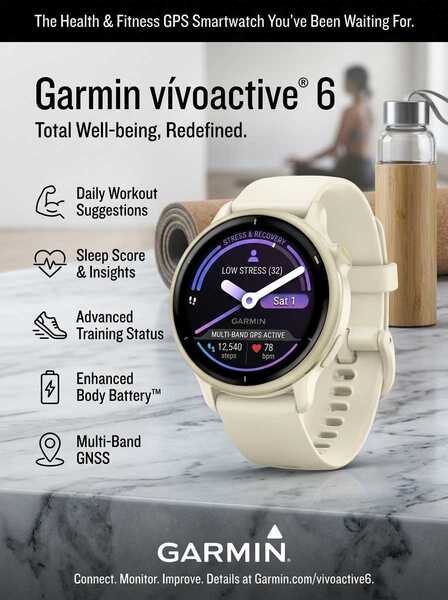
The Garmin vívoactive 6 is a multisport fitness smartwatch designed for everyday activity tracking and a range of workouts.
NBC Select lists the model with built-in GPS, heart rate monitoring, activity features, and a stated battery life of up to 11 days under specified conditions.
Features to Consider
- Built-in GPS
- Multiple activity profiles
- Fitness and wellness tracking
- Compatibility with smartphones
- Heart rate monitoring
Advantages
- Suitable for users who combine cardio and other activities
- Built-in GPS supports outdoor workouts
- Longer advertised battery life than many full-featured smartwatches
Limitations
- More features can increase the learning curve
- Battery performance varies with GPS and sensor usage
- May provide more functionality than users seeking basic activity tracking require
Who should consider it?
The vívoactive 6 may suit users who want a wearable for running, walking, gym workouts, and everyday activity monitoring.
Who might choose another type of device?
Users who prioritize a minimalist band, a very small form factor, or a specific training ecosystem should compare alternative options.
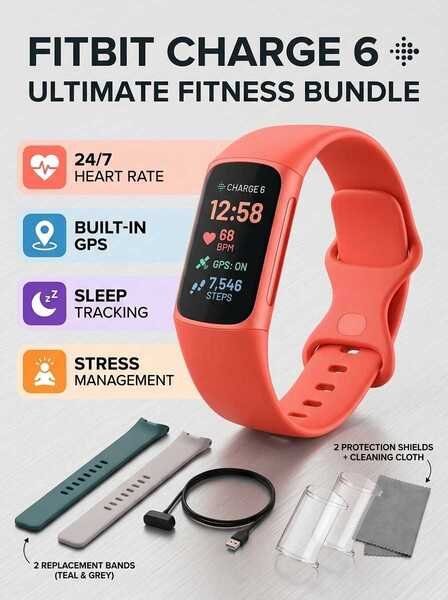
Fitbit Charge 6
The Fitbit Charge 6 is a compact fitness tracker designed for everyday health and activity monitoring.
Its feature set includes heart rate tracking, built-in GPS, exercise monitoring, and integration with Google’s ecosystem. Independent reviews identify it as an option for users seeking a conventional fitness tracker with a relatively compact design.
Features to Consider
- Heart rate monitoring
- Built-in GPS
- Exercise tracking
- Sleep monitoring
- Smartphone integration
Advantages
- Compact design for everyday wear
- Suitable for users who want activity and workout tracking
- GPS capability supports outdoor cardio activities
Limitations
- Advanced features may depend on software plans or subscriptions
- Smaller display than many smartwatches
- Wrist-based heart rate measurements can vary during certain workouts
Who should consider it?
The Fitbit Charge 6 may be suitable for people who want everyday cardio tracking, walking data, and a wearable that takes up less space on the wrist.
Who might choose another type of device?
Runners who need extensive training metrics, navigation, or advanced sports profiles may prefer a dedicated sports watch.
Garmin Forerunner Series
Garmin Forerunner watches focus on running and endurance training. Depending on the model, they provide features such as GPS tracking, workout profiles, training metrics, and extended battery performance.
The Forerunner range includes devices designed for different levels of training and sports use. For example, the Forerunner 265 and other models are discussed in sports-watch reviews covering GPS, training features, and battery life.
Features to Consider
- GPS tracking
- Heart rate monitoring
- Running metrics
- Structured workouts
- Training and recovery information
Advantages
- Useful for runners who want more detailed training information
- Dedicated sports features
- Options across different price and feature levels
Limitations
- Some models may be more advanced than casual users need
- Feature availability differs between models
- The purchase decision requires comparing specifications carefully
Who should consider it?
Runners and users following structured cardio programs may find a Forerunner model worth investigating.
Who might choose another type of device?
Users who mainly walk, perform occasional cardio, or prefer smartwatch features should compare simpler trackers and general-purpose smartwatches.
Fitness Tracker vs. Smartwatch for Cardio
Fitness tracker for Cardio and smartwatches can both support cardio workouts, but they often serve different priorities.
A fitness band typically focuses on activity tracking, health measurements, and battery efficiency. A smartwatch may offer a larger display, applications, notifications, navigation, and broader smartphone integration.
| Feature | Fitness Tracker | Smartwatch |
|---|---|---|
| Activity tracking | Common | Common |
| Heart rate monitoring | Common | Common |
| GPS | Depends on model | Common in fitness-oriented models |
| Smartphone features | Usually more limited | Often broader |
| Battery life | Frequently longer | Often shorter with advanced use |
| Display | Compact | Usually larger |
For someone who wants to track walking, heart rate, and workout duration, a fitness tracker may provide the necessary tools.
For a runner who wants maps, music controls, detailed workout screens, and training features, a smartwatch may offer a better fit for those requirements.
The decision should follow your actual workout routine and preferred features.
How Accurate Are Fitness Trackers for Cardio?
Fitness tracker accuracy varies according to the measurement, device, activity, and conditions.
Heart rate tracking during steady exercise may produce different results from tracking during intervals or activities with frequent wrist movement. GPS performance can also vary depending on the environment and positioning technology.
A 2026 review from Wareable notes that wrist-based heart rate accuracy during exercise can be mixed, particularly during certain activities and intensity changes.
Ways to Improve Tracking Consistency
- Wear the device correctly: Follow the manufacturer’s fitting instructions.
- Keep the sensor in contact with your skin: Loose positioning can affect readings.
- Use the appropriate workout mode: Select the closest available activity.
- Keep the software updated: Updates may change features and sensor behavior.
- Compare measurements carefully: Use a suitable reference device when accuracy matters.
A fitness tracker provides estimates that can support exercise monitoring. It should not be treated as a medical diagnostic device.
People who experience concerning symptoms during exercise should seek appropriate medical advice rather than relying on wearable readings.
How to Use a Fitness tracker for Cardio for Better Workouts
A fitness tracker becomes more useful when you establish a consistent way to review your data.
Track Workout Duration
Record how long you spend exercising. Tracking duration helps you understand how consistently you complete your planned sessions.
For example, you might record three weekly cardio sessions and review your exercise time over several weeks.
Monitor Exercise Intensity
Heart rate data can help you observe how your body responds to different workout intensities.
A gradual increase in effort may produce different heart rate patterns from a steady, moderate session. Your fitness level, age, medication, environmental conditions, and other factors can affect heart rate.
Use tracker data alongside your perceived exertion and any relevant professional guidance.
Review Progress Over Time
Individual workout readings can fluctuate. Reviewing patterns across multiple sessions provides broader context.
You might compare:
- Workout duration
- Average heart rate
- Distance
- Pace
- Frequency of sessions
- Recovery between workouts
A consistent tracking routine can help you understand how your exercise habits develop.
Common Mistakes When Buying a fitness tracker for Cardio
Choosing Features You Won’t Use
A device may include extensive health and training functions, but those features only matter if they fit your routine.
Consider your preferred activities before paying for advanced capabilities.
Ignoring Smartphone Compatibility
Check whether the tracker works with your smartphone. Some devices offer different functionality depending on whether you use an iPhone or Android phone.
Focusing Only on Battery Life
Long battery life is useful, but GPS performance, comfort, sensor quality, and software features may matter more for your specific cardio activities.
Assuming Every Heart Rate Reading Is Exact
Wrist-based measurements have limitations. Evaluate a device’s performance based on the activities you perform and the level of accuracy you require.
Overlooking Comfort
A tracker should be comfortable enough for your intended use. Consider its size, weight, strap material, and fit during exercise.
Key Takeaways
- A fitness tracker for cardio can record heart rate, workout duration, distance, and other exercise information.
- Built-in GPS is useful for outdoor running, cycling, and walking.
- Heart rate accuracy varies by device and activity.
- Battery life should be assessed alongside GPS usage and sensor features.
- Fitness bands and smartwatches serve different user priorities.
- Smartphone compatibility affects the available functionality.
- Comfortable fit supports consistent use.
- Reviewing workout trends can help you understand your exercise habits.
Frequently Asked Questions
What is the best fitness tracker for cardio?
The best option depends on your cardio activities, preferred features, smartphone, and budget. Compare devices based on heart rate monitoring, GPS, workout modes, comfort, and battery life.
Do fitness trackers monitor heart rate during cardio?
Many fitness trackers include wrist-based optical heart rate sensors that monitor pulse during exercise. Accuracy varies according to the device, activity, and wearing conditions.
Is GPS necessary for cardio workouts?
GPS is useful for outdoor running, cycling, and walking when you want distance, pace, or route information. It is generally less relevant for stationary cardio equipment.
Are fitness trackers accurate during running?
Fitness trackers can provide useful running data, but accuracy varies. Wrist heart rate measurements may be affected by movement and intensity changes, while GPS accuracy depends on environmental conditions and device capabilities.
Can a fitness tracker help improve cardio fitness?
A tracker can help you monitor workout duration, frequency, heart rate, and other exercise measurements. These records may support consistent training and progress tracking.
Should you buy a fitness tracker or smartwatch for cardio?
Choose according to your priorities. A fitness band may suit users who prefer compact design and longer battery life, while a smartwatch may appeal to users who want broader connected features.
Do fitness trackers require a subscription?
Subscription requirements vary by brand and feature. Check which functions are available without a paid plan before purchasing.