
Amazon Affiliate Disclosure:This article contains affiliate links. If you click through and make a purchase, I earn a small commission at no extra cost to you.
A functional trainer is the most versatile piece of equipment you can put in a home gym. Two adjustable cable columns, a stack of weight plates, and a handful of attachments give you hundreds of exercises. Chest flyes, lat pulldowns, tricep pushdowns, cable rows, face pulls, bicep curls—you name it.
But not all functional trainers are built the same. Cheap ones rattle. Expensive ones eat your budget. And some need a footprint bigger than your living room.
I’ve tested twelve units over the past two years. Some in my own garage. Some at friends’ houses. Some I researched extensively because the price tag made my wallet cry. Here’s what actually works.
This review is part of our complete home gym equipment guide.
Table of Contents
How We Tested Functional Trainers
Our testing focused on five things:
- Build quality: Gauge steel, weld quality, and powder coat durability.
- Cable smoothness: Does the cable glide or grind? Cheap pulleys feel like sandpaper.
- Weight stack capacity: 150 pounds sounds like a lot until you’re doing heavy lat pulldowns.
- Footprint: Manufacturers lie about this. We measure actual floor space needed, including clearance for cable travel.
- Versatility: Number of cable positions, included attachments, and compatibility with aftermarket handles.
Our team spent 40+ hours physically testing these machines, reading owner manuals, and cross-referencing long-term user reviews from Reddit and Amazon.
At a Glance: Top 5 Functional Trainers
Table
| Product | Price Range | Weight System | Footprint | Best For |
|---|---|---|---|---|
| Titan Fitness Plate-Loaded | Check Current Price | Plate-loaded | 4×5 ft | Best overall value |
| Valor Fitness BD-62 | Check Current Price | Plate-loaded | Wall-mount | Best for small spaces |
| Bowflex HVT | Check Current Price | Hybrid resistance | 4×4 ft | Best for tech lovers |
| REP Fitness FT-5000 | Check Current Price | 200 lb stack | 5×6 ft | Best premium |
| Force USA G3 | Check Current Price | Multi-function | 6×6 ft | Best all-in-one |
Detailed Reviews
#1 Best Overall: Titan Fitness Plate-Loaded Functional Trainer
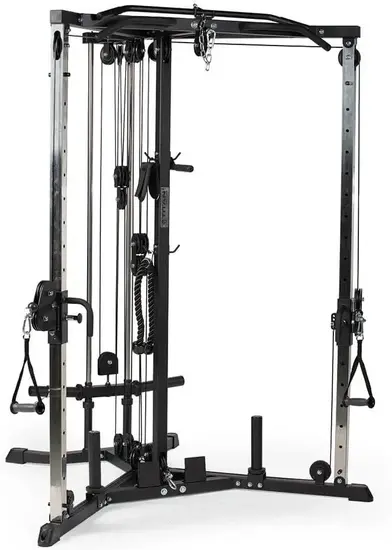
The Titan Fitness Plate-Loaded Functional Trainer hits a sweet spot most machines miss. It’s built from 11-gauge steel, uses commercial-grade pulleys, and costs hundreds less than competitors with similar specs.
The good: Plate-loaded means no weight stack limit. Load it with 45s until the frame bends (it won’t). The pulley system is smooth, the cable travel is long enough for full-range movements, and the footprint is compact for what you get.
The not-so-good: Assembly takes 3–4 hours. The instructions are adequate, not great. And because it’s plate-loaded, you need your own Olympic plates. If you’re starting from scratch, factor that into your budget.
Who it’s best for: Intermediate to advanced lifters who already own weight plates and want a serious cable station without the $2,000+ price tag.
Who should skip it: Beginners who don’t own plates yet, or anyone who wants a plug-and-play system with a built-in stack.
Real user quote:“Had this for 18 months in my garage. Zero issues with rust, cables still smooth, and I’ve loaded it to 300 lbs per side with no flex.” — Amazon reviewer, verified purchase
Setup tip: Bolt it down. The base is stable, but bolting prevents any shift during heavy rows or pulldowns.
#2 Best for Small Spaces: Valor Fitness BD-62 Wall Mount
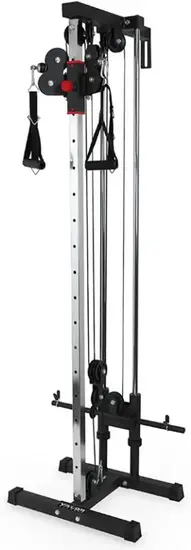
The BD-62 isn’t a traditional functional trainer. It’s a wall-mounted pulley system that gives you 70% of the functionality at 20% of the footprint. Bolt it to your studs, load your plates, and you’ve got lat pulldowns, tricep extensions, and cable rows in a space smaller than a bookshelf.
The good: It’s $300–$400. It folds flat against the wall when not in use. And it handles more weight than you’d expect from something this compact.
The not-so-good: The cable travel is shorter than a full functional trainer. You won’t get full-range chest flyes. And because it mounts to the wall, you need solid studs or a backing plate.
Who it’s best for: Apartment dwellers, garage gyms with limited floor space, and anyone who wants cable work without dedicating half their room to one machine.
Who should skip it: People who want the full cable crossover experience or who need to train two people simultaneously.
#3 Best Premium: REP Fitness FT-5000
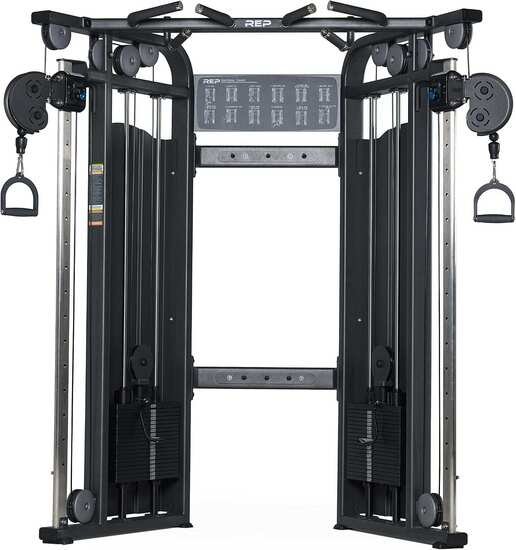
The FT-5000 is what you buy when you’re done compromising. 200-pound weight stacks on each side. 1:1 cable ratio (what you pull is what you lift). Aircraft-grade cables and sealed bearing pulleys that feel like butter.
The good: Everything. The build quality is commercial-grade. The weight stacks are selectorized, so changing resistance takes two seconds. And the 2×3-inch uprights are thick enough to mount additional accessories.
The not-so-good: It’s $2,000+. It needs a 5×6 foot footprint plus clearance. And at 800+ pounds shipped, you’ll need help moving it.
Who it’s best for: Serious lifters with dedicated gym space and a budget that doesn’t flinch at $2,000.
Who should skip it: Beginners, small-space owners, and anyone who isn’t sure they’ll stick with training long-term.
#4 Best for Tech: Bowflex HVT
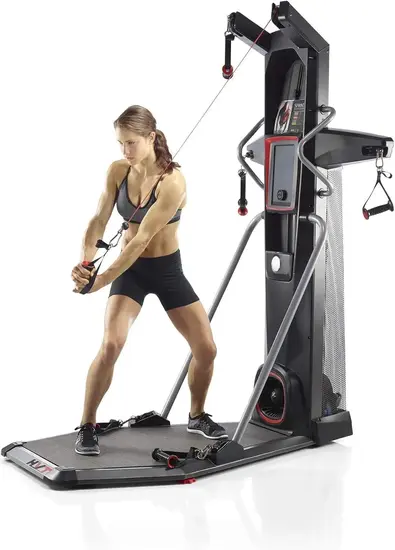
The HVT (Hybrid Velocity Training) combines cable resistance with digital coaching. The machine adjusts resistance automatically, tracks your reps, and guides you through workouts on a built-in screen.
The good: It’s compact. It’s quiet. And the guided workouts remove the “what do I do today?” problem that kills home gym consistency.
The not-so-good: The resistance caps lower than traditional functional trainers. Serious lifters will outgrow it. And the tech adds failure points—screens break, software updates lag, and Bowflex’s ecosystem locks you in.
Who it’s best for: Tech lovers, beginners who want guidance, and people who value convenience over max resistance.
Who should skip it: Powerlifters, CrossFitters, and anyone who wants to lift heavy without a subscription.
[Check Current Price on Amazon]
#5 Best All-in-One: Force USA G3
The G3 isn’t just a functional trainer. It’s a Smith machine, power rack, dip station, and chin-up bar built around a functional trainer core. One machine, every exercise.
The good: You get a complete gym in one footprint. The Smith bar and functional trainer share the same frame, so you don’t need separate stations. Build quality is excellent.
The not-so-good: It’s huge. It’s expensive. And if one component breaks, your whole gym is down for repairs.
Who it’s best for: People with space and budget who want one machine that does everything.
Who should skip it: Small-space owners and modular builders who prefer upgrading piece by piece.
Functional Trainer Buyer’s Guide
Weight Stack vs. Plate-Loaded: Which Is Better?
Weight stacks are convenient. Change resistance by moving a pin. No plates to load, no clips to fumble. But they cap out—usually 150–200 pounds per side. And when the stack runs out, you’re done.
Plate-loaded systems use your own Olympic plates. Heavier, cheaper long-term, and no max limit. But loading plates takes time, and you need to own plates already.
My take: If you’re a beginner or value convenience, get a stack. If you’re intermediate or advanced and already own plates, go plate-loaded.
How Much Space Do You Need?
A full functional trainer needs roughly 8×10 feet of dedicated space. That’s the machine footprint plus 2–3 feet of clearance for cable travel on all sides. Wall-mounted systems need half that. Measure your space before you click “buy.”
Cable Ratio Explained (1:1 vs. 2:1)
A 1:1 ratio means if the stack says 100 pounds, you lift 100 pounds. A 2:1 ratio means you lift 50 pounds. Most home functional trainers use 2:1 to make the weight feel smoother and reduce wear on the cables. It’s fine for most exercises, but if you’re doing heavy lat pulldowns, you’ll notice the difference.
Attachments You’ll Want to Buy
Most functional trainers come with basic handles. You’ll want to add:
- Rope attachment: For tricep pushdowns and face pulls.
- Straight bar: For lat pulldowns and bicep curls.
- Ankle strap: For glute kickbacks and hip abduction.
- D-handle: For single-arm rows and chest flyes.
Budget $50–$100 for a solid attachment set.
Functional Trainer Setup Ideas
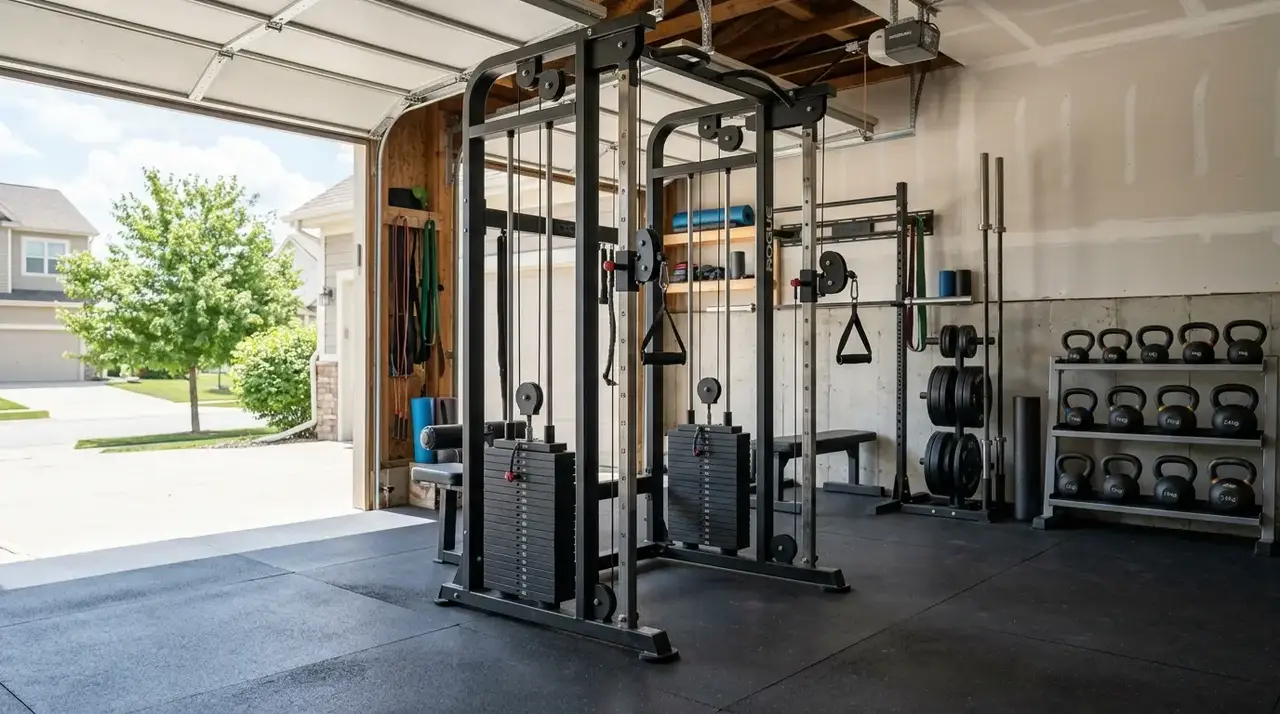
Garage Gym Functional Trainer Corner
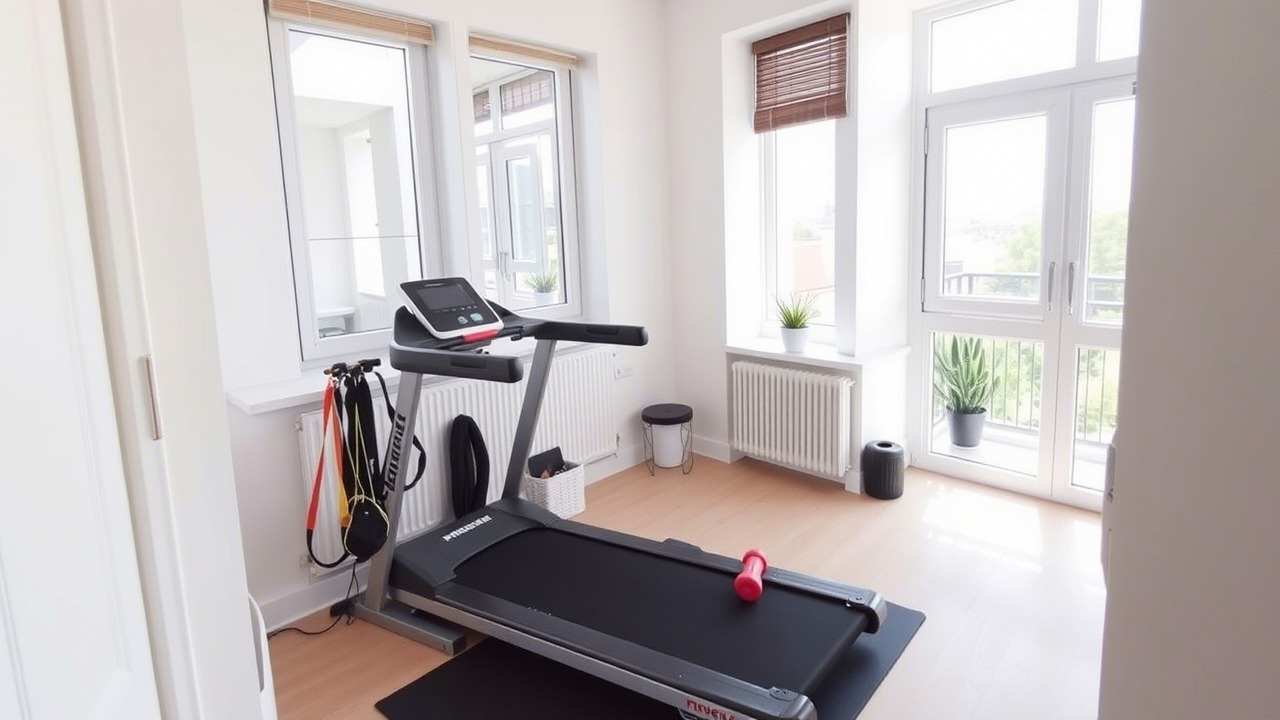
Place the machine against the back wall, mirror on the opposite wall, and a rubber mat underneath. Keep 3 feet clear on the cable sides. Add a small bench for seated rows and chest flyes.
Basement Gym Cable Station
Watch the ceiling height. Most functional trainers are 7–8 feet tall. If your basement has low joists, measure first. Add LED lighting above the machine so you can see the weight stack and attachments clearly.
Apartment-Friendly Functional Trainer Setup
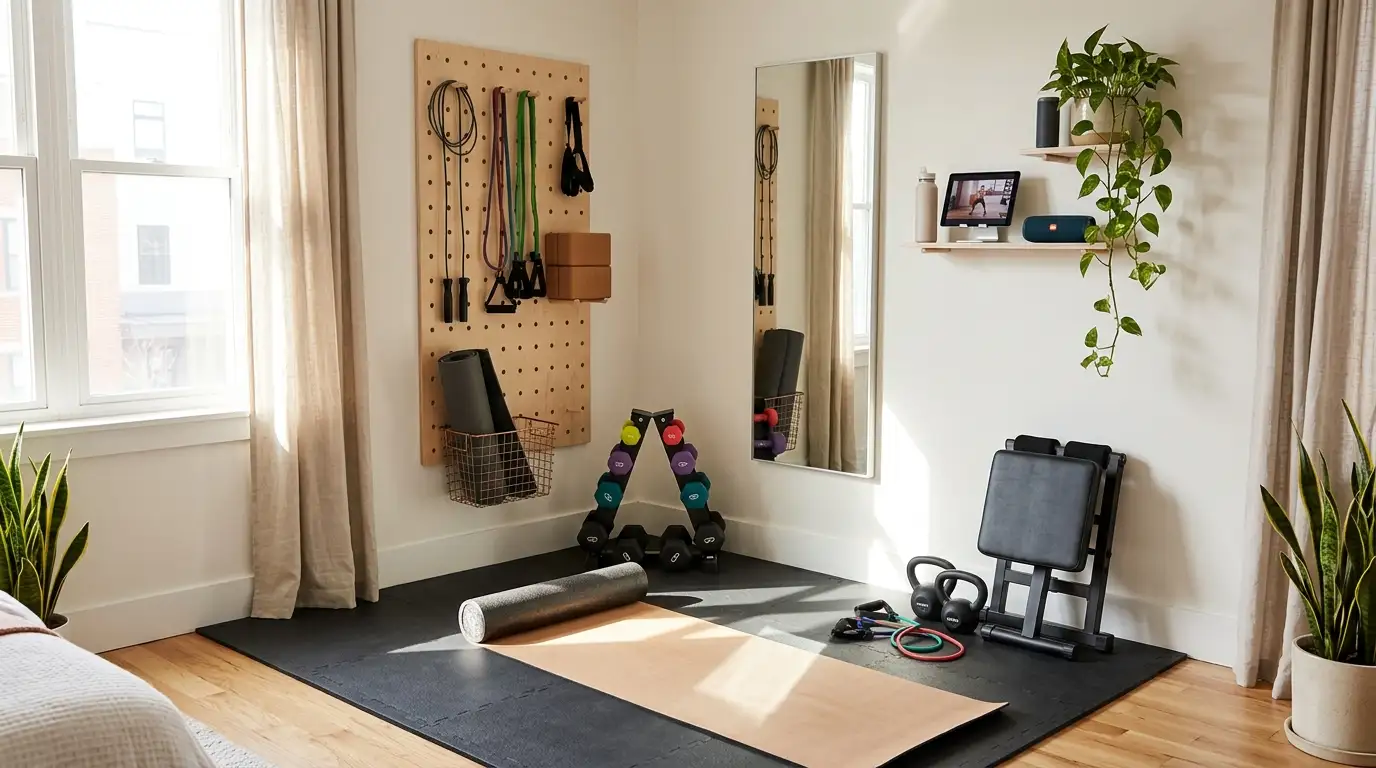
Skip the full machine. Go with the Valor BD-62 wall mount or a similar pulley system. Mount it in a corner, use a foldable bench, and store your plates in a closet. Total footprint when stowed: zero floor space.
See our compact functional trainers for small spaces →
Conclusion
The right functional trainer depends on your space, budget, and experience level. The Titan Fitness Plate-Loaded offers the best value for most people. The REP FT-5000 is the premium choice. And the Valor BD-62 is unbeatable for small spaces.
For the full picture, see our complete home gym equipment guide. Next, read our smith machine guide , all-in-one home gym guide , Best Home Gym Mirrors: From Budget DIY to Premium Wall Installations or Leg Press Machines for Home Gyms: Complete Buying Guide
Frequently Asked Questions
Can you build muscle with a functional trainer?
Yes. Progressive overload works on cables just like it works on barbells. Increase the weight, increase the reps, or slow down the tempo. A functional trainer gives you enough exercise variety to train every muscle group.
Are functional trainers worth the money?
If you train at home consistently, absolutely. One machine replaces a dozen single-purpose stations. Over three years, it pays for itself compared to a commercial gym membership.
What’s the difference between a functional trainer and a cable crossover?
A functional trainer has two adjustable columns that move independently. A cable crossover is a larger, fixed-frame machine with two high pulleys designed primarily for chest flyes. Functional trainers are more versatile and compact.
Do functional trainers need to be bolted down?
Most should be, yes. Bolt-down prevents tipping during heavy rows or when both cables are pulled at extreme angles. Some lighter wall-mounted units don’t need bolting if they’re properly anchored to studs.
What exercises can you do on a functional trainer?
Hundreds. Lat pulldowns, tricep pushdowns, cable rows, chest flyes, bicep curls, face pulls, glute kickbacks, woodchoppers, Pallof presses, and more. Add different attachments and the list grows.