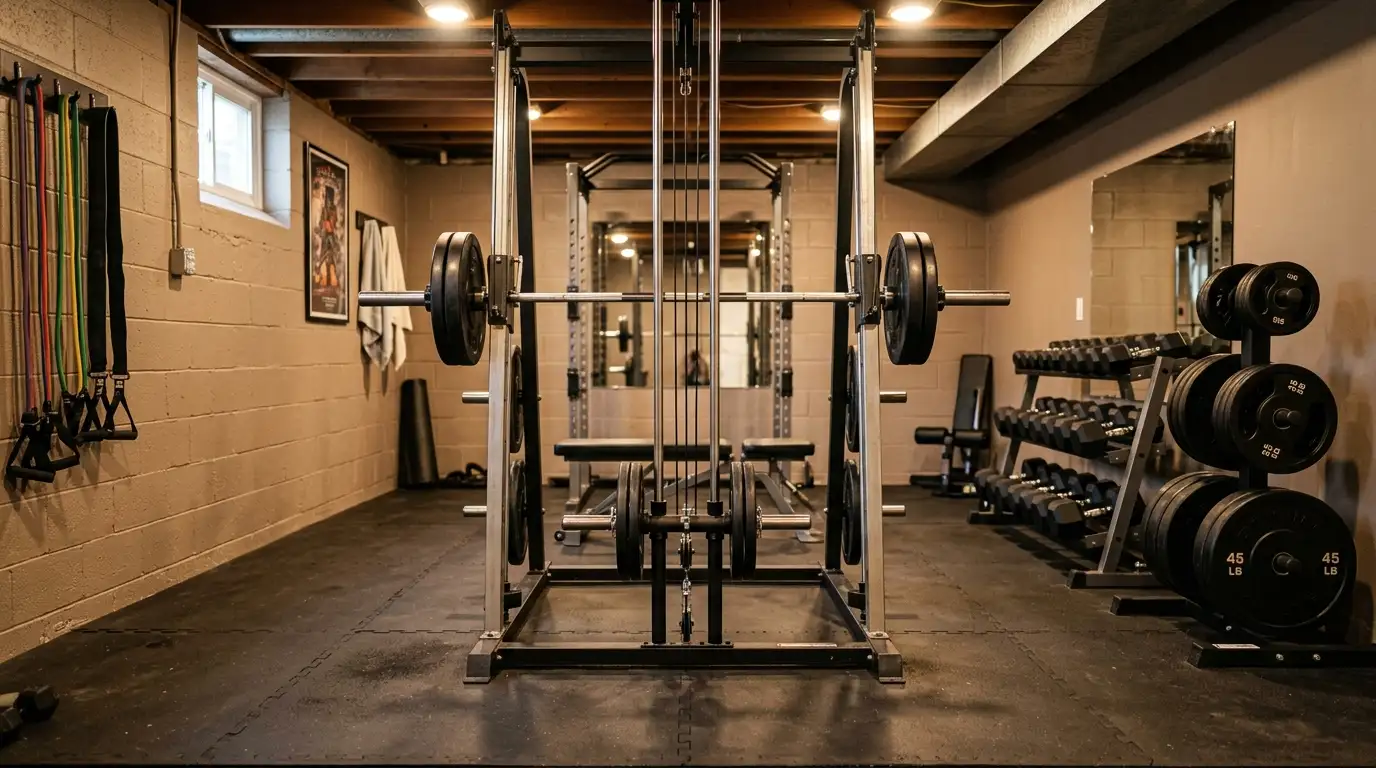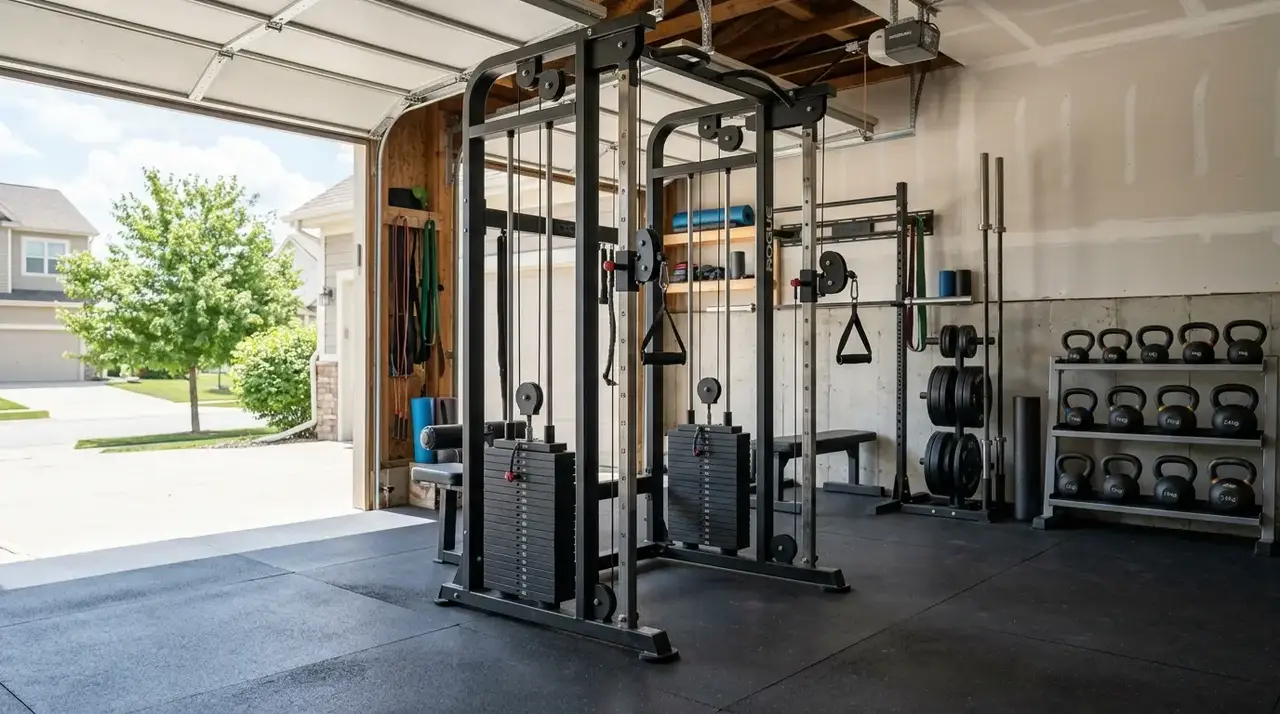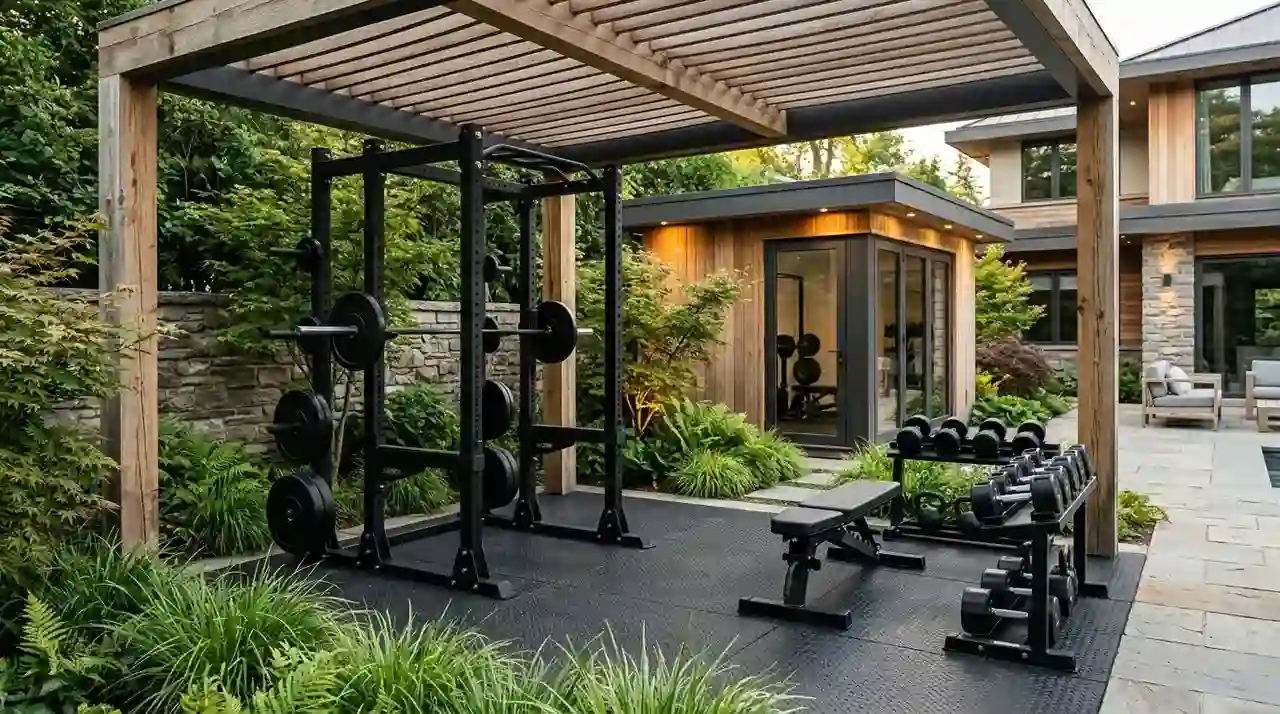
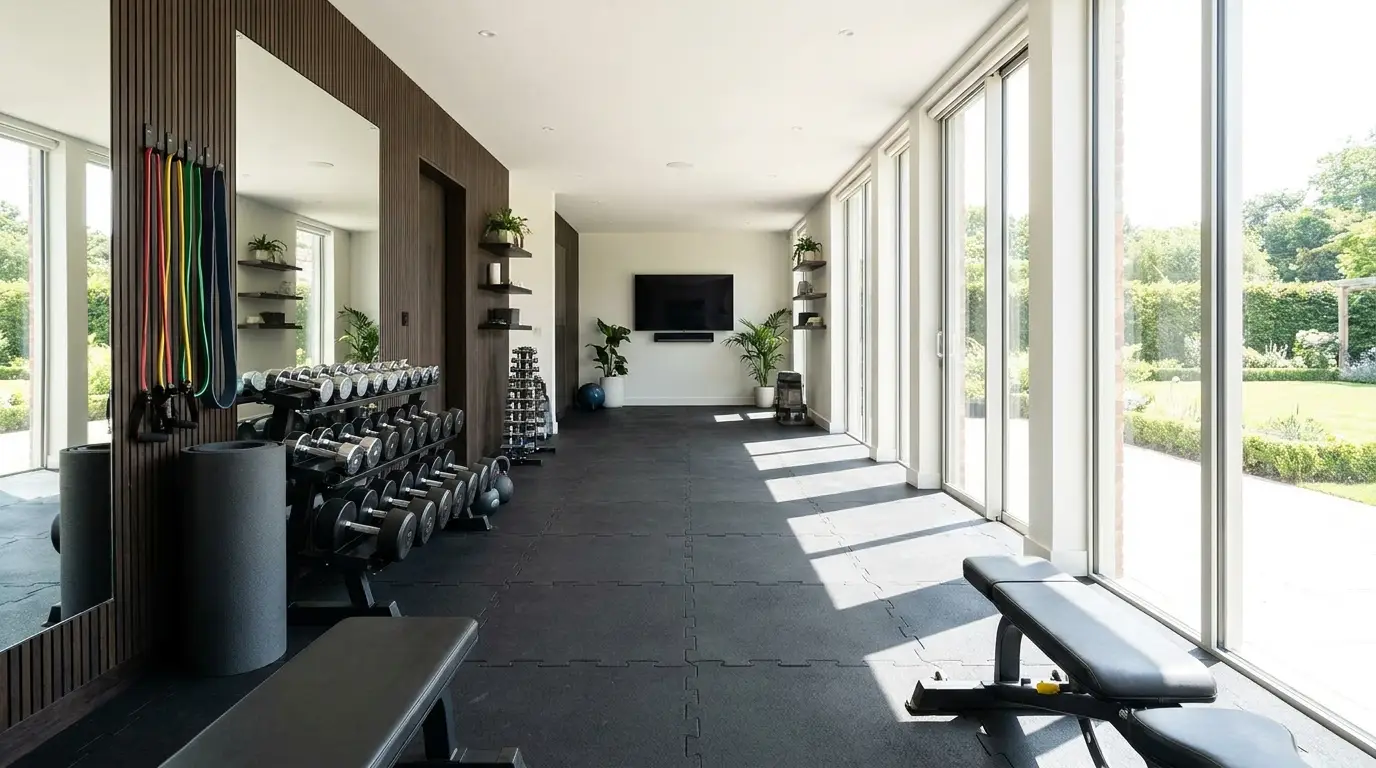
Building an effective home gym begins from the ground up, and gym mats for home use are one of the most essential investments we can make. Whether we are setting up a compact yoga corner, a full-strength training zone, or a multi-purpose fitness room, the right gym mat transforms our space into a safer, quieter, and more supportive environment. Proper flooring protects our joints, shields our floors from damage, reduces noise, and enhances workout performance across every discipline.
From high-intensity interval training to yoga, pilates, weightlifting, and cardio, selecting the perfect home gym mat requires understanding material types, thickness levels, durability standards, and workout-specific features. A carefully chosen mat is more than a fitness accessory—it is the foundation of our success.
Table of Contents
Why Gym Mats for Home Use Are Essential
Home workouts often involve jumping, lifting, stretching, and repetitive movements that place pressure on both the body and the floor beneath us. Standard flooring such as tile, hardwood, or carpet often lacks the support and resilience needed for serious fitness routines.
Key Benefits of Home Gym Mats
1. Joint Protection
Quality gym mats cushion impact during exercise, reducing strain on knees, ankles, wrists, and elbows. This is especially important for bodyweight workouts, HIIT, yoga, and floor exercises.
2. Floor Preservation
Heavy weights, exercise equipment, and repetitive movement can scratch hardwood, crack tile, or wear out carpet. Gym mats create a protective barrier that extends the life of our flooring.
3. Noise Reduction
Rubber and foam gym mats absorb sound from dropped weights, cardio machines, and foot traffic, making home workouts less disruptive.
4. Enhanced Stability
Anti-slip surfaces improve balance and traction, minimizing the risk of slips during sweaty or fast-paced workouts.
5. Hygiene and Easy Maintenance
Most gym mats are moisture-resistant and easy to clean, helping us maintain a sanitary fitness environment.
Types of Gym Mats for Home Use
Selecting the right mat starts with matching the mat type to our preferred workouts.
Foam Gym Mats
Foam mats are lightweight, affordable, and ideal for low-impact exercise.
Best For:
- Yoga
- Pilates
- Stretching
- Bodyweight workouts
- Kids’ play areas
Advantages:
- Soft cushioning
- Easy installation
- Comfortable for floor exercises
- Budget-friendly
Disadvantages:
- Less durable under heavy equipment
- May compress over time
Rubber Gym Mats
Rubber mats are durable, shock-absorbent, and built for intense workouts.
Best For:
- Weightlifting
- Cross-training
- Treadmills
- Exercise bikes
- Heavy home gym equipment
Advantages:
- Superior durability
- Excellent shock absorption
- Floor protection
- Noise reduction
Disadvantages:
- Heavier
- Higher cost
- May have initial rubber odor
PVC or Vinyl Mats
PVC mats offer moderate cushioning and moisture resistance.
Best For:
- Aerobics
- Dance
- General fitness
Advantages:
- Water-resistant
- Portable
- Easy to clean
Disadvantages:
- Less supportive for heavy impact
- Lower durability than rubber
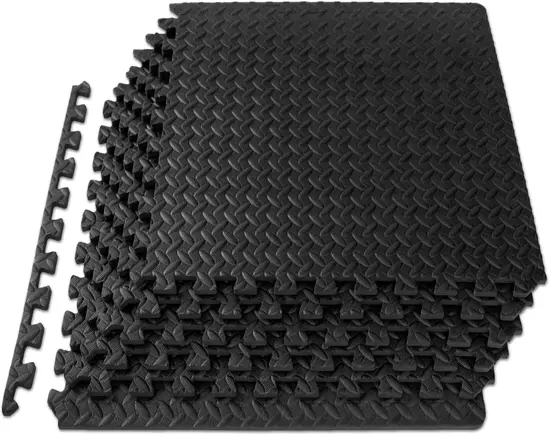
Interlocking Tiles
Interlocking gym flooring tiles are versatile and customizable.
Best For:
- Full home gym rooms
- Garage gyms
- Multi-purpose workout spaces
Advantages:
- Easy to install
- Expandable
- Customizable layout
- Good shock absorption
Disadvantages:
- Seams may separate
- Lower-quality tiles may shift
How to Choose the Best Gym Mats for Home Use
Thickness Matters
Thickness directly affects comfort, support, and stability.
Recommended Thickness by Activity:
- Yoga/Pilates: ¼ inch
- General Exercise: ⅜ inch
- HIIT/Cardio: ½ inch
- Weightlifting: ¾ inch or more
Thicker mats provide more cushioning but may reduce stability for balance-focused workouts.
Material Quality
High-density foam, recycled rubber, or virgin rubber provide better performance and longevity than cheaper alternatives.
Surface Texture
Textured, non-slip surfaces improve grip and safety, particularly for dynamic workouts.
Size and Coverage
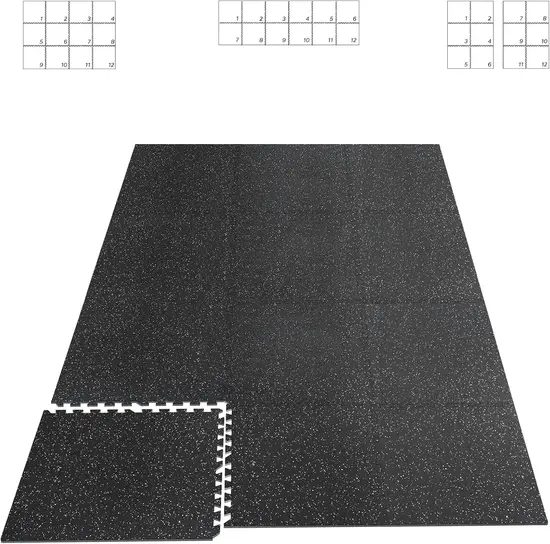
We should measure our workout space carefully. Small mats work for personal exercise zones, while larger roll-out mats or tile systems suit dedicated gym rooms.
Water and Sweat Resistance
Moisture-resistant materials are crucial for easy cleaning and preventing bacteria buildup.
Top Features to Look for in Home Gym Mats
Shock Absorption: Protects joints and flooring from repeated impact.
Slip Resistance: Prevents accidents during movement-heavy workouts.
Portability: Foldable or rollable mats offer convenience for smaller homes.
Eco-Friendly Materials: Non-toxic, BPA-free, and phthalate-free options promote healthier indoor air quality.
Odor Resistance: Premium mats minimize unpleasant smells common in lower-quality rubber products.
Best Gym Mats for Specific Home Workouts
Best for Yoga and Stretching:
A mat with moderate cushioning, excellent grip, and moisture resistance provides optimal support.
Ideal Choice:: High-density foam or eco-friendly TPE yoga mats
Best for Weightlifting: Heavy-duty rubber flooring protects both subfloors and weights.
Ideal Choice:: ¾-inch rubber stall mats or dense rubber tiles
Best for HIIT and Cardio
Shock absorption and traction are essential.
Ideal Choice:: ½-inch EVA foam tiles or rubberized mats
Best for Garage Gyms: Durability and coverage matter most.
Ideal Choice: Interlocking rubber tiles or horse stall mats
Installation Tips for Gym Mats at Home
Prepare the Surface: Clean and level the floor before installation.
Measure Precisely: Accurate dimensions prevent gaps or wasted material.
Use Edge Pieces: For interlocking systems, border edges create a cleaner, safer appearance.
Allow Expansion: Rubber may expand slightly in warm temperatures.
Maintaining Gym Mats for Long-Term Performance
Daily Care
- Wipe down after use
- Remove sweat and dust
- Air dry thoroughly
Weekly Cleaning
- Use mild soap and water
- Avoid harsh chemicals
- Vacuum surrounding areas
Odor Prevention
- Ventilate workout space
- Use natural deodorizers
- Choose antimicrobial materials
Common Mistakes to Avoid When Buying Gym Mats for Home Use
Choosing Style Over Function: Aesthetic appeal matters less than durability and performance.
Ignoring Floor Type: Heavy mats may stain certain surfaces, while thin mats may fail to protect them.
Buying Insufficient Thickness: Thin mats often wear out faster and offer inadequate support.
Overlooking Expansion: As fitness routines evolve, modular flooring offers better flexibility.
Budget vs Premium Gym Mats
Budget Options: Foam tiles and basic exercise mats are suitable for beginners or light workouts.
Price Range: $20–$80
Price Range:: $100–$500+
Investing more upfront often saves money long-term through greater durability.
Creating the Perfect Home Gym Foundation
The right gym mat defines our home workout experience. It determines comfort, safety, and longevity while supporting every rep, pose, and stride. By selecting the best gym mats for home use based on workout style, material quality, and space needs, we create an environment that inspires consistency and protects both body and home.
From compact apartments to expansive garage gyms, premium home gym flooring transforms ordinary spaces into elite fitness zones. A powerful home gym starts beneath our feet, and choosing the right mat is the first step toward better performance, safer training, and lasting results.
Final Thoughts on Gym Mats for Home Use
When we prioritize quality, durability, and purpose-driven design, gym mats become an indispensable part of our fitness journey. Whether our goal is strength, flexibility, endurance, or wellness, the perfect gym mat supports every movement while enhancing our home training environment. Investing in the right solution ensures every workout is safer, more comfortable, and more effective.
FAQ: Gym Mats for Home Use
Why do I need gym mats for home workouts?
Gym mats protect floors, reduce injury risk, absorb impact, and create a safer, more comfortable workout space at home.
What thickness is best for home gym mats?
¼–⅜ inch for yoga, ½ inch for HIIT, and ¾ inch or more for weightlifting and heavy equipment support.
What are the best materials for gym mats?
Rubber is best for durability, foam for comfort, and EVA/PVC for lightweight and budget-friendly home workouts.
Can gym mats reduce noise at home?
Yes, rubber and foam mats significantly reduce noise from jumping, weights, and cardio equipment.
Are interlocking gym mats good for home gyms?
Yes, they are easy to install, customizable, and ideal for covering larger workout spaces like garage gyms.
How do I clean gym mats at home?
Wipe with mild soap and water after workouts, dry fully, and avoid harsh chemicals to maintain durability.
Are expensive gym mats worth it?
Yes, premium mats last longer, offer better shock absorption, and provide superior safety and floor protection.