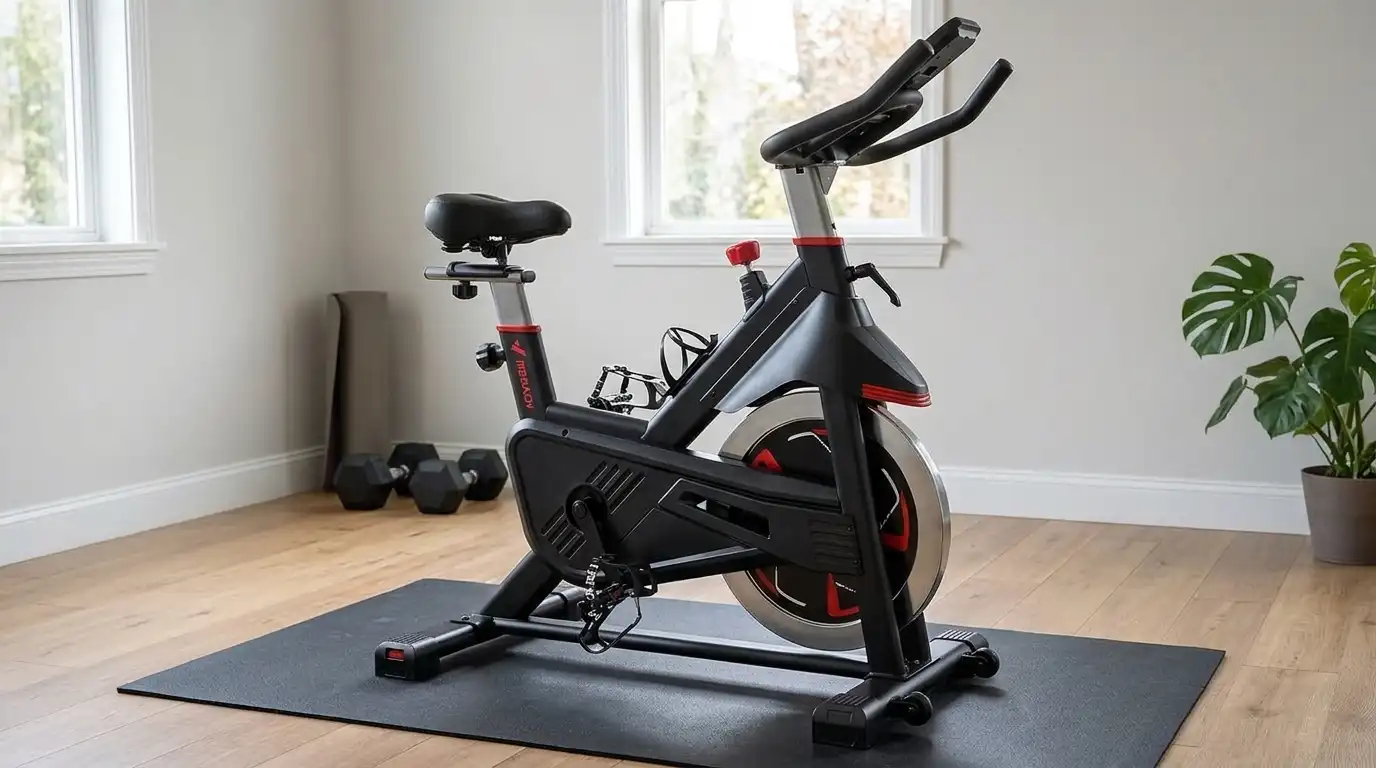
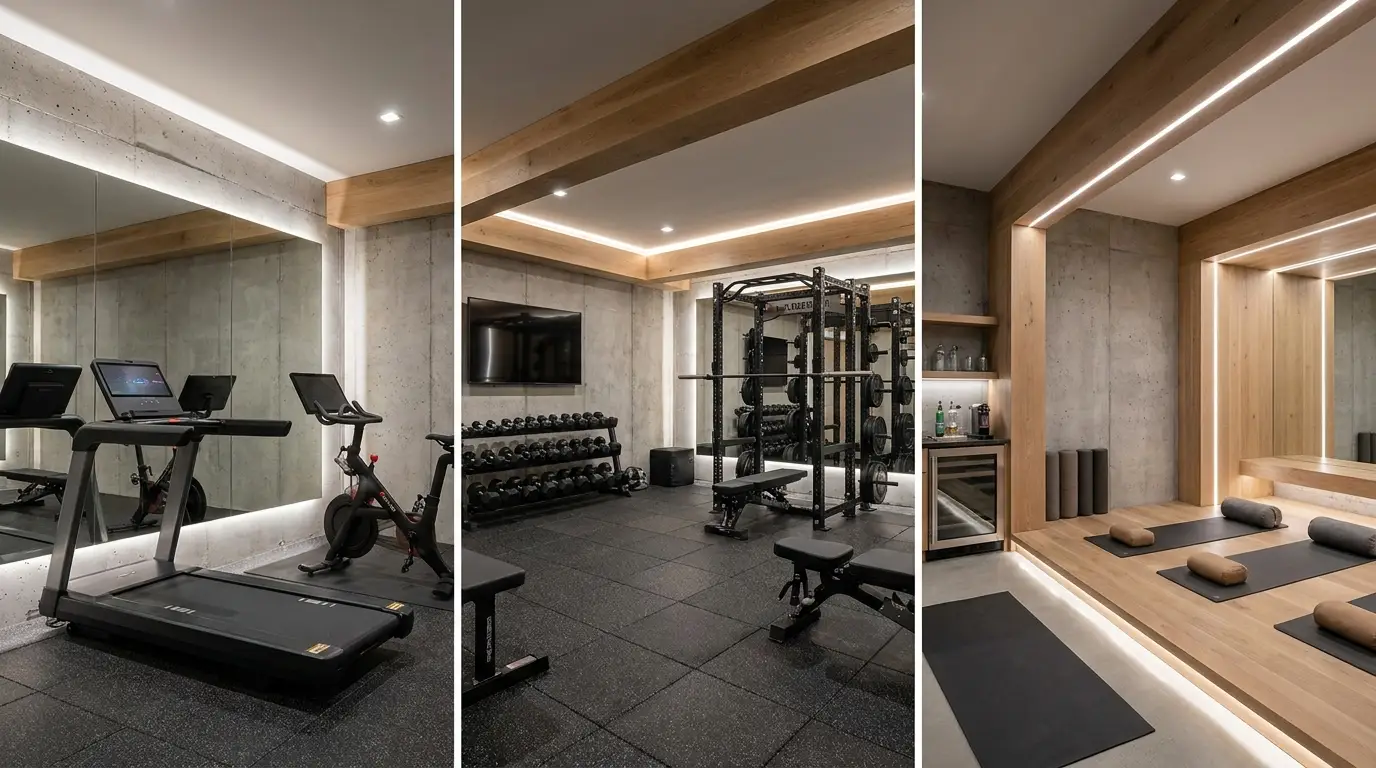

A well-planned home gym layout design transforms an ordinary space into a powerful training environment that supports strength, endurance, flexibility, and long-term fitness consistency. We design home gyms with a clear focus on functionality, flow, safety, and motivation, ensuring every square foot contributes to performance and usability.
A successful setup is not about the size of the room but about how intelligently the space is structured. Whether it is a spare room, garage, or basement gym layout, the principles remain the same: optimize movement, define training zones, and ensure seamless transitions between exercises.
In this comprehensive guide, we explore proven home gym layout ideas that maximize space efficiency, improve workout performance, and create a professional training atmosphere at home.
Table of Contents
Understanding the Core Principles of Home Gym Layout Ideas
When developing effective home gym layout ideas, we focus on three essential principles:
1. Functional Zoning
We divide the gym into dedicated zones:
- Strength training zone (weights, racks, benches)
- Cardio zone (treadmill, bike, rowing machine)
- Mobility and recovery zone (yoga mats, stretching space)
This zoning system prevents clutter and ensures smooth workout transitions.
2. Movement Flow Optimization
We design layouts that allow natural movement between equipment. For example, placing dumbbells near benches and mirrors near free-weight zones improves efficiency and reduces downtime between sets.
3. Safety and Space Clearance
Proper spacing prevents injuries and ensures comfort. We maintain:
- Minimum 2–3 feet between machines
- Clear walking paths
- Safe lifting zones with no obstructions
A well-balanced layout improves not only performance but also workout consistency.
Best Home Gym Layout Design Strategies
Linear Layout Design for Narrow Spaces
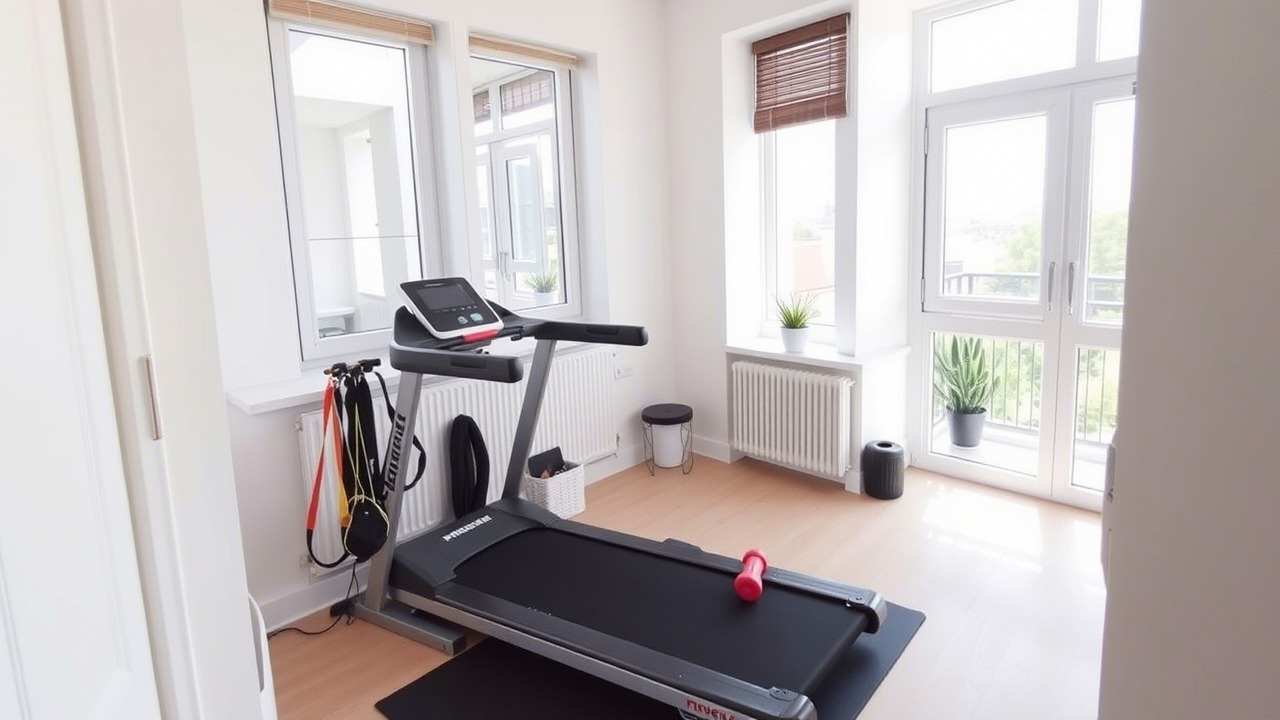
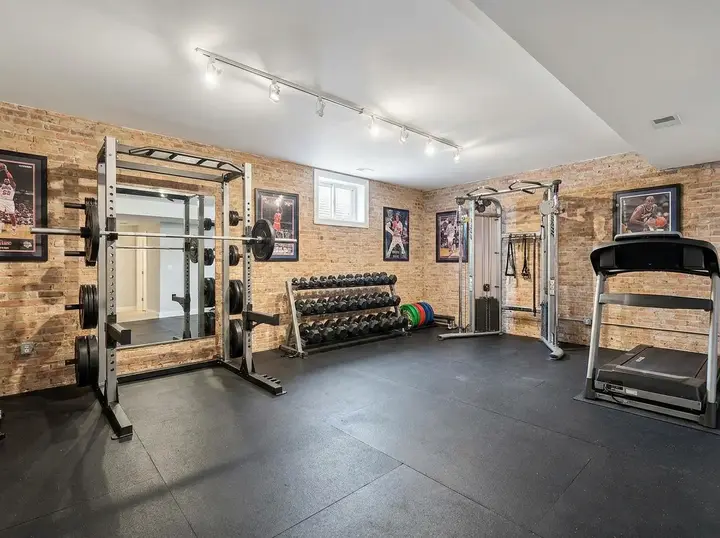
A linear layout design works best in long rooms such as basements or garage gym. Equipment is arranged along a single wall.
Ideal setup includes:
- Treadmill at one end
- Dumbbell rack in the middle
- Power rack or squat station at the far end
This layout keeps the center space open for movement and bodyweight exercises.
U-Shaped Layout for Balanced Training Flow
A U-shaped design maximizes corner usage and provides a natural training circuit.
We recommend placing:
- Cardio equipment on one side
- Strength equipment on the opposite side
- Recovery/mobility zone at the base of the U
This creates an efficient workout loop that minimizes wasted movement.
Open Floor Layout for Versatility
An open layout is ideal for multifunctional training, especially HIIT, yoga, or functional fitness.
Key features include:
- Equipment stored along walls
- Central open space for dynamic workouts
- Foldable or mobile equipment for flexibility
This is one of the most adaptable home gym layout ideas for modern fitness routines.
Basement Gym Layout Optimization
A basement gym layout presents unique opportunities due to privacy, stable temperature, and typically larger uninterrupted space.
However, it requires careful planning due to lighting and ventilation considerations.
Lighting Enhancement
Basements often lack natural light. We recommend:
- LED overhead lighting for brightness
- Wall-mounted lights for depth
- Mirrors to reflect light and enhance visibility
Proper lighting improves motivation and reduces fatigue.
Ventilation and Airflow
Air circulation is critical in enclosed basement gyms. We integrate:
- Ceiling fans or wall-mounted fans
- Air purifiers for freshness
- Dehumidifiers to control moisture
This ensures a comfortable and safe workout environment.
Flooring for Basement Gyms
We prioritize shock-absorbing and durable flooring:
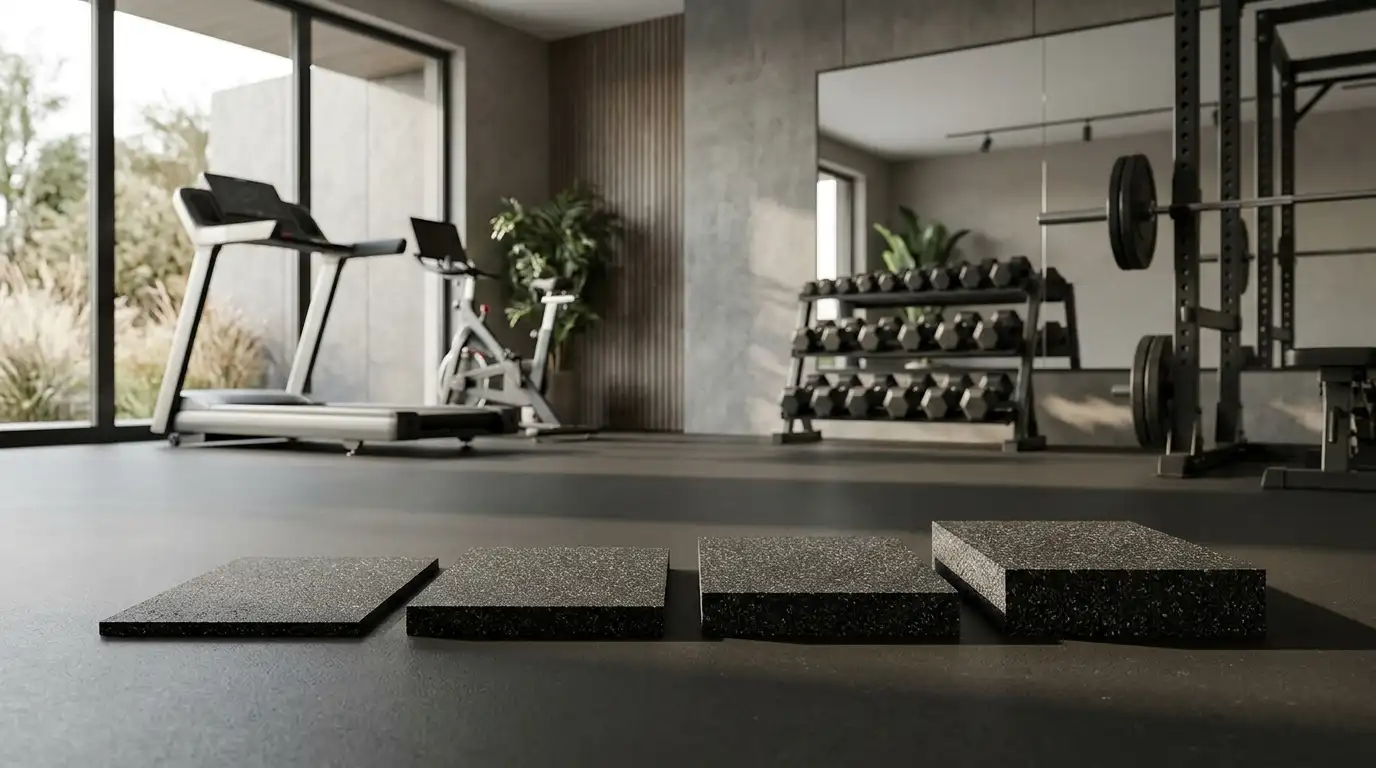
- Rubber tiles for heavy lifting zones
- Foam mats for mobility areas
- Turf strips for sled training or agility drills
Flooring defines the functionality of each training zone in the basement. For more details about gym flooring read our flooring options for small home gyms.
Essential Equipment Placement in Home Gym Layout Design
Strategic placement enhances efficiency and safety. We structure equipment based on usage frequency and training flow.
High-Frequency Equipment Zone
We place frequently used equipment in easily accessible areas:
- Dumbbells
- Resistance bands
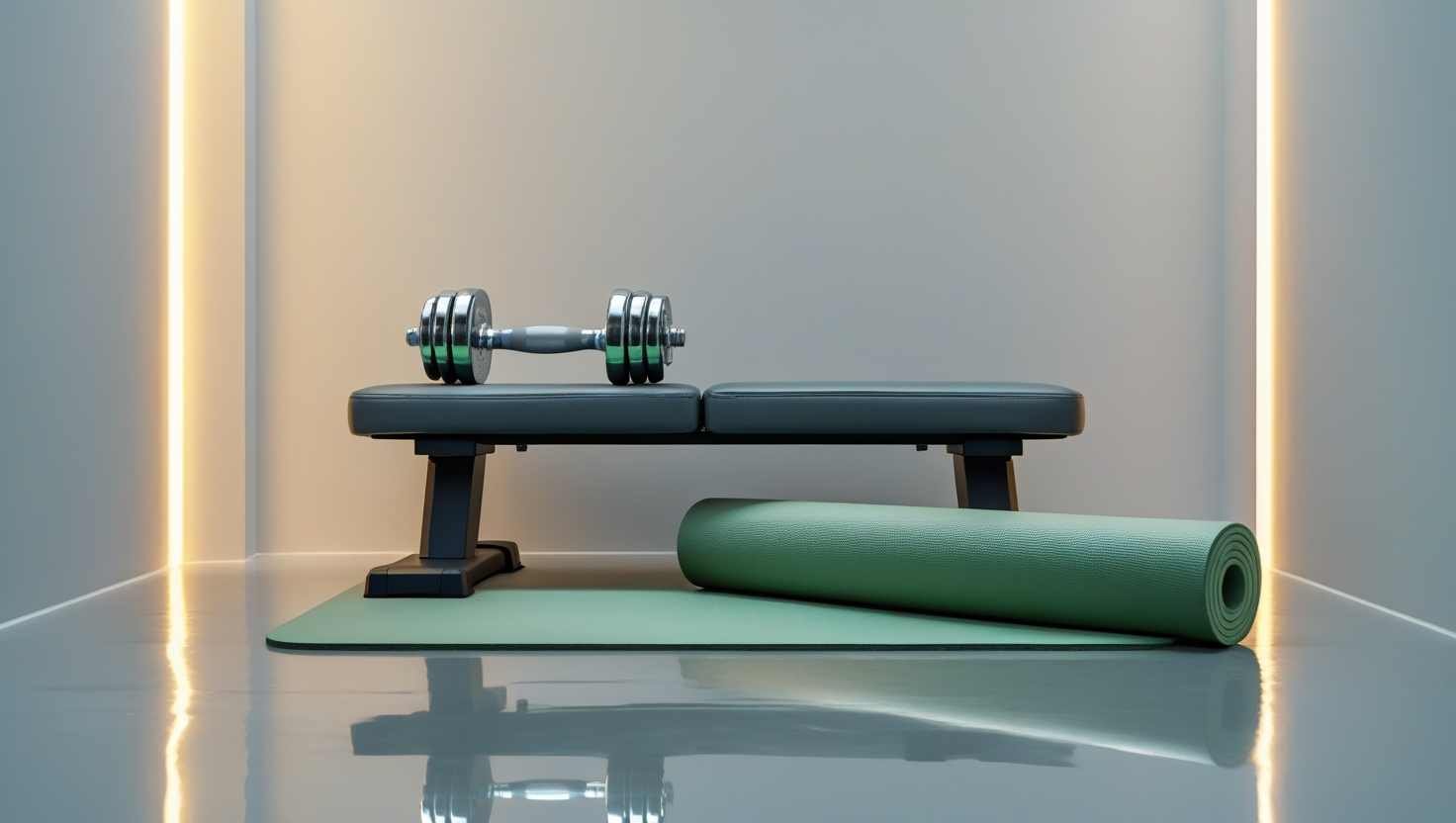
- Adjustable benches
This reduces downtime and improves workout speed.
Heavy Equipment Zone
We isolate heavy equipment for safety:
- Power racks
- Smith machines
- Cable systems
These require stable flooring and extra clearance space.
Cardio Zone Placement
Cardio machines should be placed:
- Near ventilation sources
- Away from heavy lifting zones
- With sufficient space for movement around them
This separation improves focus and reduces distractions.
Smart Storage Solutions for Home Gym Layout Ideas
Efficient storage is essential for maintaining a clean and professional gym environment.
We incorporate:
- Wall-mounted racks for weights
- Vertical storage for mats and bars
- Hidden storage benches
- Pegboards for accessories
A clutter-free environment enhances mental focus and workout performance.
Lighting, Mirrors, and Aesthetics in Home Gym Design
Strategic Mirror Placement
Mirrors are not just decorative; they serve functional purposes:
- Improve form correction
- Increase perceived space
- Enhance lighting reflection
We recommend placing mirrors along strength training zones.
Motivational Aesthetics
A visually appealing gym improves consistency. We use:
- Neutral or dark tones for focus
- Accent lighting for energy
- Motivational wall designs
Aesthetic design directly impacts workout motivation.
Advanced Home Gym Layout Design Tips
To elevate your setup beyond basic functionality, we implement advanced strategies:
Multi-Functional Equipment Integration
We recommend:
- Adjustable dumbbells instead of full racks
- Foldable benches
- Wall-mounted squat racks
This saves space while maintaining full training capability.
Circuit Training Layout Optimization
We design layouts that support circuit training by:
- Placing equipment in sequence order
- Ensuring minimal walking distance
- Creating circular movement flow
This improves cardiovascular efficiency and workout intensity.
Future Expansion Planning
A good home gym layout design allows room for growth:
- Leaving empty wall space
- Modular equipment placement
- Flexible storage systems
This ensures long-term usability without redesign.
Common Mistakes in Home Gym Layout Design
We avoid critical errors that reduce efficiency:
- Overcrowding equipment in small spaces
- Ignoring ventilation and airflow
- Poor lighting choices
- Lack of defined training zones
- Blocking natural movement pathways
Correcting these mistakes significantly improves gym performance and safety.
Final Thoughts on Home Gym Layout Ideas and Basement Gym Layout Planning
A professionally designed home gym layout design transforms any space into a high-performance fitness environment. By implementing structured zoning, intelligent equipment placement, and optimized flow, we create gyms that feel both functional and inspiring.
Whether designing compact spaces or a full basement gym layout, the goal remains consistent: maximize usability, improve efficiency, and create a motivating environment that supports long-term fitness success.
With the right home gym layout ideas, any home can become a complete training facility that rivals commercial gyms in both performance and experience.
FAQ Section
What is the best home gym layout design?
The best layout separates strength, cardio, and mobility zones for smooth movement, safety, and efficient workouts.
How do I design a small home gym layout?
Use compact equipment, wall storage, and an open floor plan to maximize usable space without overcrowding.
What is the ideal basement gym layout?
A basement gym layout should include good lighting, ventilation, and zoned areas for strength, cardio, and stretching.
How much space is needed for a home gym?
Even 50–100 sq ft can work if the layout is optimized with compact and multifunctional equipment.
How do I organize gym equipment at home?
Group equipment by use: weights near benches, cardio in open areas, and accessories in wall-mounted storage.
What flooring is best for a home gym?
Rubber flooring is best for shock absorption, durability, and protecting both equipment and floors.
Can a basement be turned into a gym?
Yes, with proper ventilation, lighting, moisture control, and smart layout planning, basements make excellent gyms.