Let’s be honest—modern life doesn’t leave much room for hour-long gym sessions, and that’s exactly why the spared workout approach is becoming a game-changer in fitness. Instead of forcing your schedule to fit traditional training routines, this method flips the script by focusing on short, high-impact workouts designed to deliver real results in just 20–30 minutes.
A spared workout is built for people who are busy but still serious about their health. Whether your goal is fat loss, muscle building, or simply staying consistent, it prioritizes efficiency, intensity, and smart exercise selection over long, exhausting sessions that are hard to maintain. The result is a training style that fits into real life—not an idealized version of it.
In a world where time is limited but health still matters, spared workouts offer a practical, sustainable way to stay fit without sacrificing your work, family, or lifestyle.
Table of Contents
What Is a Spared Workout, Really?
The Modern Meaning Behind “Spared Workout”
A spared workout is basically your promise to yourself that fitness doesn’t have to swallow your whole afternoon. Think of it as a training approach built around sparing your time — using only what’s truly necessary to get real, meaningful results. No fluff. No two-hour marathon gym sessions staring at the ceiling between sets. Just smart, intentional effort in a compact window.
The concept is simple: instead of training longer, you train smarter. You prioritize high-impact exercises, strategic rest periods, and efficient movement patterns to squeeze maximum results from every minute you invest.
Why Time-Efficient Training Is Becoming a Non-Negotiable
Here’s a fun (slightly depressing) stat — the average person works more than 47 hours per week and juggles family, social commitments, and, you know, actually trying to sleep. Traditional fitness advice that demands daily hour-long gym sessions just doesn’t fit most people’s actual lives.
The spared workout movement emerged as a direct answer to that problem. Science backed it up: research consistently shows that short, high-intensity training sessions can produce comparable — and sometimes superior — results to longer moderate-effort workouts, especially for fat loss, cardiovascular health, and even muscle growth when programmed right.
Key Insight: A well-designed 25-minute spared workout can deliver the same cardiovascular and metabolic benefits as a 60-minute traditional gym session — if intensity and exercise selection are on point.
The Core Principles That Make It Work
Efficiency Over Duration
The golden rule of a spared workout is this: time in the gym is not the measure of effort. Effectiveness is. Every minute should be purposeful. Rest periods are calculated, not random. Exercises are chosen because they work multiple muscle groups simultaneously, giving you a bigger return on your time investment.
Intensity as the Key Driver
If you’re cutting the time, you’ve got to turn up the dial on effort. Intensity — whether that’s increasing resistance, reducing rest, or pushing closer to muscular failure — is what compensates for shorter sessions. This is why HIIT (High-Intensity Interval Training) is such a natural fit for the spared workout system.
Smart Exercise Selection
Forget isolation moves like seated bicep curls when you’ve only got 20 minutes. Compound exercises — squats, deadlifts, push-ups, rows, lunges — recruit multiple muscle groups at once and burn more calories per rep. That’s what a spared workout prioritizes.
Minimal Equipment, Maximum Output
One of the best things about time-efficient training? You don’t need a fancy gym. A pair of dumbbells, a resistance band, and your own bodyweight can take you surprisingly far. And if you happen to have a kettlebell hanging around, even better — that thing is basically a full gym in one odd-shaped ball.
The Benefits — And They’re Pretty Legit
↑ Improved cardiovascular fitness in less training time
🔥 Higher calorie burn per minute vs. moderate-intensity training
🧠 Reduced cortisol and improved mood via exercise endorphins
✅ Dramatically better consistency and habit formation
Physical Health Improvements
Regular spared workouts have been linked to improved insulin sensitivity, better cardiovascular markers, increased lean muscle mass, and reduced body fat — especially when paired with smart nutrition. The body doesn’t care if your session was 20 minutes or 60 minutes; it cares about the stimulus it received.
Mental Health and Stress Reduction
There’s something genuinely satisfying about knowing you crushed a workout and were back at your desk (or kitchen table) within 30 minutes. Short workouts reduce the psychological friction of exercising, making it feel manageable rather than overwhelming. And of course, the endorphin hit is real — science doesn’t lie.
Better Consistency and Habit Formation
This might actually be the biggest win. The number one reason people quit exercise programs? They’re too time-consuming and feel unsustainable. A well-designed time-efficient training routine removes that barrier entirely. When something fits your life, you actually do it. Revolutionary concept, right?
Increased Calorie Burn in Less Time
High-intensity, short-duration training activates the “afterburn effect” — technically known as Excess Post-Exercise Oxygen Consumption (EPOC). Basically, your body keeps burning calories at an elevated rate for hours after a tough spared workout. So even when you’re sitting on the couch later, you’re still getting residual benefit. You’re welcome.
Who Actually Should Be Doing This?
Honestly? Almost everyone. But let’s break it down by who benefits the most:
💼 Busy Professionals: Early mornings, packed calendars — spared workouts were practically invented for this group.
📚Students: Between classes, study sessions, and a social life, 20 minutes is actually realistic.
👶 Parents & Caregivers: Nap time is precious. A quick, effective spared workout fits perfectly in that window.
🌱 Beginners: Low barrier to entry means you actually start — and starting is 80% of the battle.
🏆 Advanced Athletes: Use spared workouts as efficient supplemental training or active recovery sessions.
✈️ Travelers: Hotel room? No problem. Bodyweight spared workouts travel as well as you do.
The 7 Best Spared Workout Training Methods
Here’s the fun part — the actual tools in your spared workout toolbox. Mix, match, and find what clicks with your personality and goals:
⚡ HIIT (High-Intensity Interval Training)
Alternating bursts of all-out effort with short rest periods. The OG of time-efficient training. Burns fat, builds endurance, done in 20 minutes.
🔄 Circuit Training: Move from exercise to exercise with minimal rest. Keeps heart rate elevated and muscles working continuously. Great for full-body conditioning.
💪 Supersets & Drop Sets: Pair two exercises back-to-back or reduce weight mid-set to extend the muscle stimulus. Advanced but incredibly efficient for hypertrophy.
🧘 Bodyweight Training: No equipment, no excuses. Push-ups, squats, lunges, and dips can build serious functional strength when programmed correctly.
🏃 Functional Training: Movements that mimic real-life patterns — carries, lunges, hinges — develop practical strength and coordination simultaneously.
🎯 Time Under Tension (TUT): Slow, controlled reps that maximize muscle fiber recruitment. Great for muscle building in shorter sessions without heavy loads.
How to Structure a Proper Spared Workout Session
Warm-Up: 3–5 Minutes of Quick Activation
Don’t skip this, even when you’re tempted. A brief dynamic warm-up — leg swings, hip circles, arm rotations, light jumping jacks — primes your nervous system, increases blood flow to muscles, and significantly reduces injury risk. Think of it as switching your body from “laptop mode” to “athlete mode.”
Core Workout: 15–22 Minutes of Focused Work
This is the meat of your spared workout. Choose 4–6 compound exercises, organize them into a circuit or superset format, and work at 75–90% of your maximum effort. The goal is to leave nothing on the table — in a good, productive way.
Cool Down and Recovery: 3–5 Minutes
Static stretches, deep breathing, and light mobility work. Your future self — the one who won’t wake up walking like a robot — will thank you for this.
Full-Body Spared Workout Routines (Beginner to Advanced)
Beginner Full-Body Spared Workout
20 mins
- Bodyweight Squats3 × 12 reps · 45s rest
- Push-Ups (knee or full)3 × 10 reps · 45s rest
- Glute Bridges3 × 15 reps · 30s rest
- Dumbbell Rows3 × 10 each · 45s rest
- Plank Hold3 × 20–30 seconds · 30s rest
Intermediate Full-Body Routine
25 mins
- Goblet Squats (KB/DB)4 × 12 reps · 30s rest
- Push-Up to Renegade Row3 × 8 each side · 30s rest
- Romanian Deadlift4 × 10 reps · 45s rest
- Mountain Climbers3 × 40 seconds · 20s rest
- Lateral Lunges3 × 10 each · 30s rest
Advanced Full-Body Routine
30 mins
- Barbell / KB Clean & Press4 × 6 reps · 30s rest
- Bulgarian Split Squats4 × 8 each · 20s rest
- Pull-Ups / Weighted Rows4 × 8 reps · 20s rest
- Burpee Box Jumps3 × 45 seconds · 15s rest
- Ab Wheel Rollouts3 × 12 reps · 20s rest
Upper Body Spared Workouts That Actually Deliver
Chest and Triceps Short Sessions
Pair push-up variations with tricep dips or overhead extensions in a superset format. Something like push-ups straight into diamond push-ups is brutally effective and requires zero equipment. For those with dumbbells, a chest press to skull-crusher superset hits everything in the pushing chain efficiently.
Back and Biceps Efficiency Training
Pull-based movements are the backbone (literally) of upper body pulling strength. Dumbbell rows, band pull-aparts, and inverted rows deliver excellent results in minimal time. Circuit these together and your back will absolutely know it worked.
Shoulder Strength Optimization
The shoulders respond beautifully to trisets — combining overhead press, lateral raises, and face pulls in one back-to-back sequence. Three rounds of this triset in a short workout will have your shoulders talking to you for two days.
Lower Body Spared Workout Techniques
Glutes and Hamstrings Activation
Hip thrusts, single-leg deadlifts, and Romanian deadlifts are the MVPs here. These movements demand massive muscle recruitment, burn serious calories, and build the posterior chain — which most desk workers desperately need to strengthen anyway.
Quadriceps Strength Drills
Squat variations remain king. Goblet squats, sumo squats, and jump squats offer a progression from stability-focused strength to explosive power. Combine two quad-dominant exercises in a superset for maximum time efficiency.
Calf Training in Minimal Time
Calves are often the forgotten child of lower body training. Standing and seated calf raises performed with a slow eccentric (lowering phase) can produce great results even in 5–8 minutes tacked onto any spared workout session.
Core and Abs Spared Workout Training
Plank Variations for Core Efficiency
The humble plank is wildly underrated. Standard planks, side planks, plank reaches, and plank-to-downward dog challenge stability, anti-rotation strength, and endurance simultaneously. A 5-minute plank circuit is genuinely challenging and incredibly efficient.
Dynamic Ab Circuits
Bicycle crunches, reverse crunches, leg raises, and dead bugs — organized into a 4-exercise circuit with 40-second work periods — can provide a thorough core session in under 10 minutes. No crunching your neck required (please, for the love of your spine).
Lower Back Stability Work
Don’t forget the posterior core. Superman holds, bird-dogs, and deadlift-pattern movements develop lower back resilience that prevents injury and improves performance across every other exercise you do.
Equipment for Your Spared Workout Setup
Dumbbells and Kettlebells — The Dynamic Duo
If you can only own one piece of equipment, make it adjustable dumbbells. They handle strength, hypertrophy, and cardio-conditioning work equally well. Kettlebells add explosive, fluid movement patterns that dumbbells can’t replicate — swings, cleans, Turkish get-ups. One kettlebell can fuel months of spared workout programming.
Resistance Bands — Travel-Friendly Powerhouses
Resistance bands deserve far more credit. They provide progressive resistance that increases through the range of motion, they’re joint-friendly, and they travel in a suitcase. For warming up, activation work, and even primary training loads, bands are genuinely excellent.
The Bodyweight-Only Option
Never underestimate what you can achieve with zero equipment. Progressive bodyweight training — moving from regular push-ups to archer push-ups to one-arm push-ups — can build impressive strength. The key is progressive overload, not equipment complexity.
Setting Up a Home Spared Workout Space
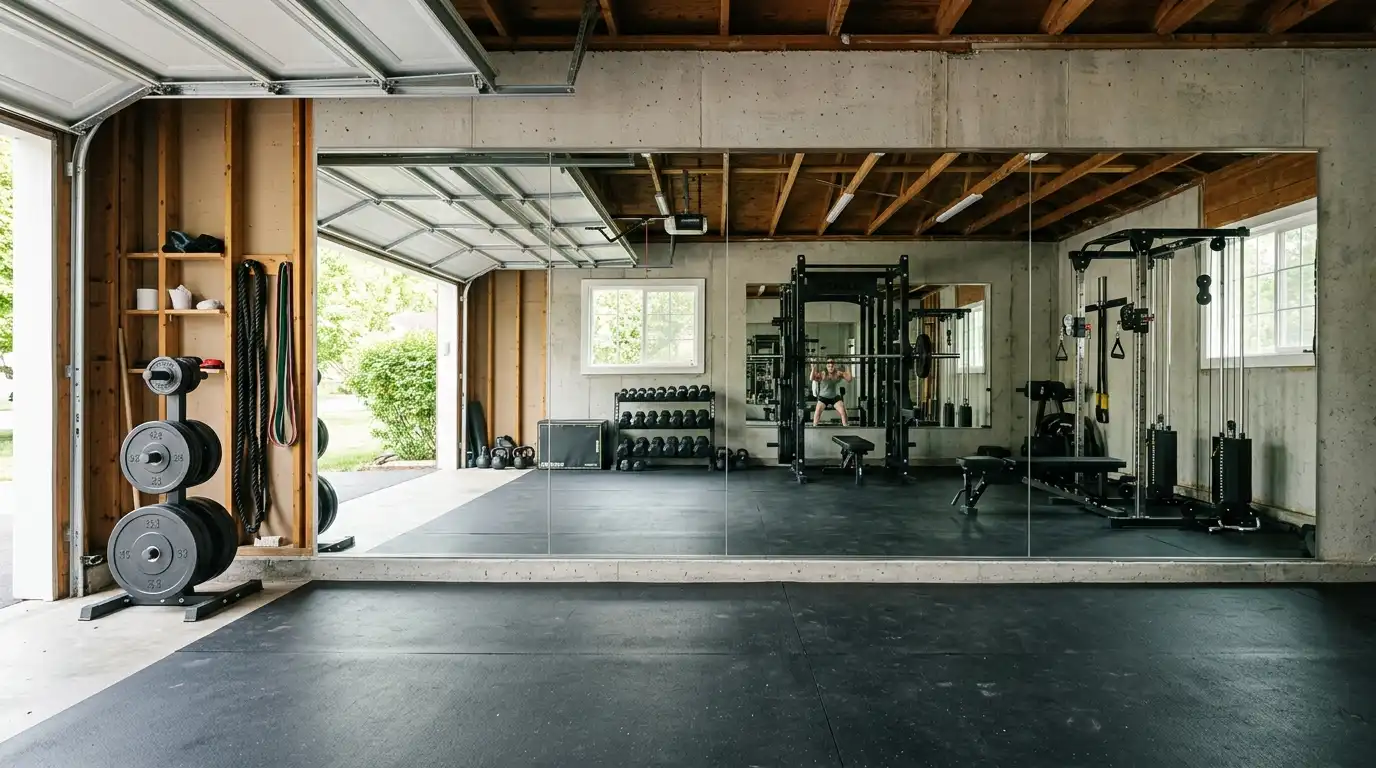
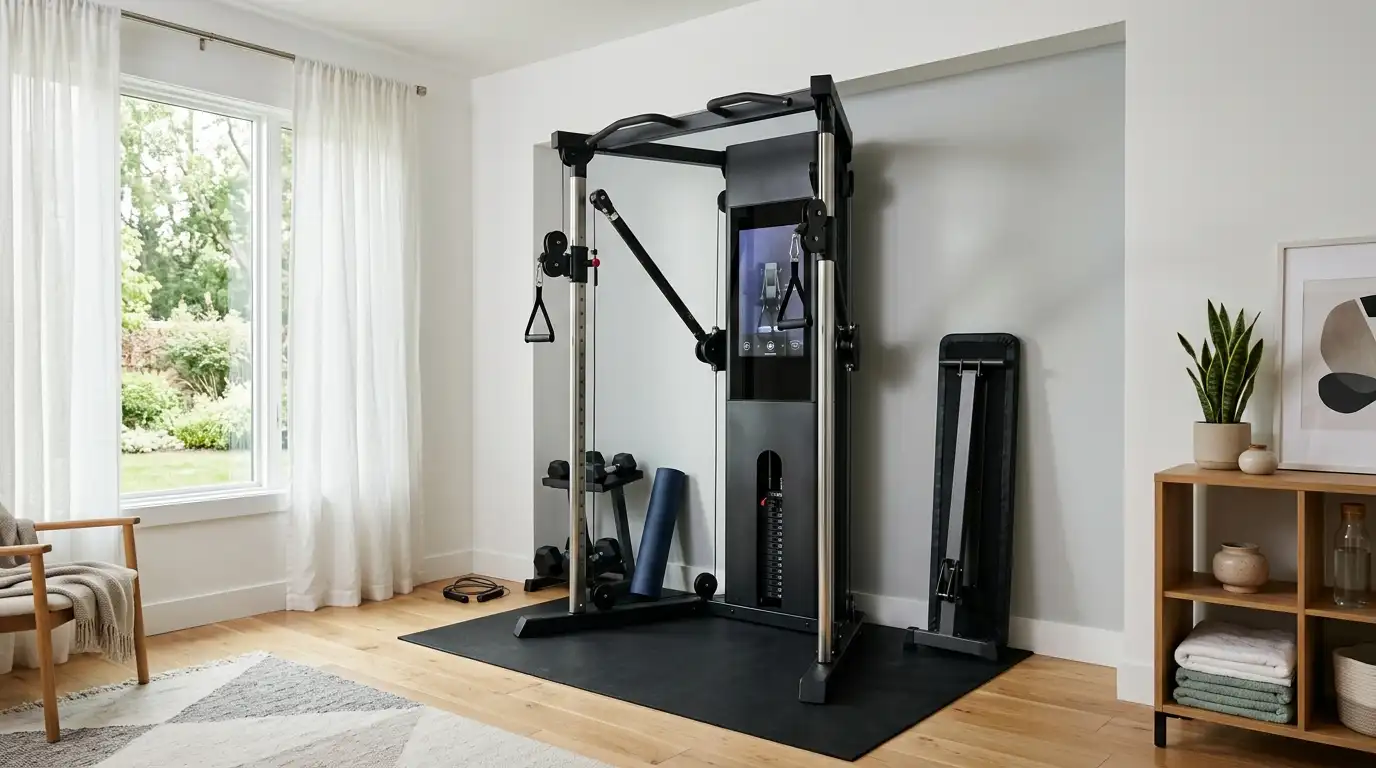
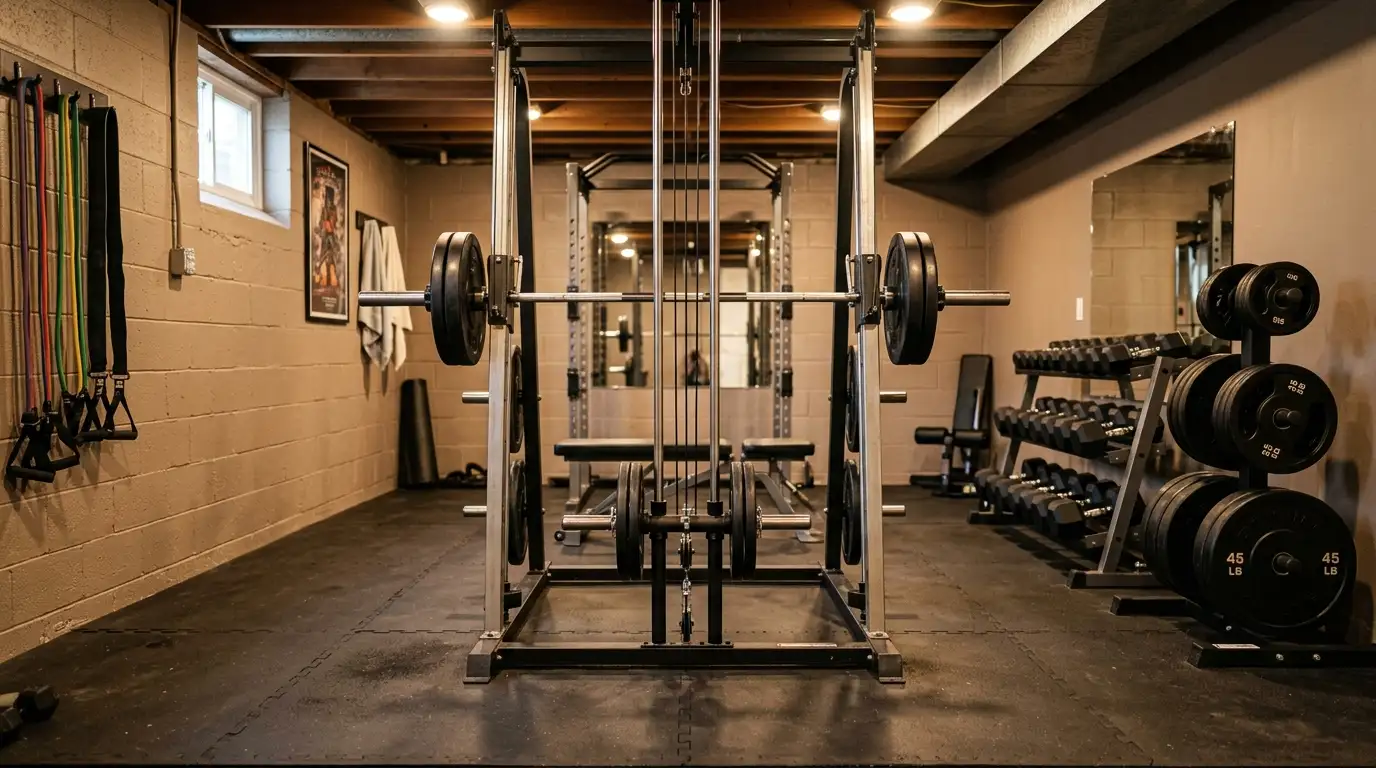
You don’t need a room — you need a corner. A 6×6 foot space is genuinely enough for the vast majority of spared workout programming. Invest in a quality rubber mat, a set of adjustable dumbbells (or one medium-weight kettlebell), and a resistance band kit. That’s a functional home gym for under the cost of three months of gym membership.
Using Spared Workouts for Weight Loss and Muscle Building
Fat-Burning Protocols for Weight Loss
For fat loss, HIIT-style spared workouts paired with moderate calorie deficit nutrition is the proven sweet spot. Aim for 3–4 sessions per week, maintain high relative intensity, and resist the urge to compensate for short sessions by overeating post-workout. The “I worked out, so I deserve this” mental trap is real and it’ll undo your progress.
Building Muscle with Short Workouts
Yes, absolutely, unequivocally — you can build muscle with spared workouts. The keys are progressive overload (consistently adding challenge over time) and sufficient time under tension (keeping muscles working long enough to trigger growth signals). Train 4–5 days per week, prioritize compound lifts, and eat enough protein. The clock time is irrelevant; the stimulus quality is everything.
Spared Workout Nutrition — Because Training is Only Half the Story
Pre-Workout Fueling
A light meal 60–90 minutes before training — think banana with a small amount of nut butter, or Greek yogurt with fruit — gives your body accessible fuel without making you feel like a lead balloon. If training early morning, even a piece of fruit 15–20 minutes out can make a difference in performance.
Post-Workout Recovery Meals
The post-workout window (roughly 30–60 minutes after training) is when your muscles are primed to absorb nutrients. Prioritize a combination of protein (20–40g) and carbohydrates to support muscle repair and glycogen replenishment. Think eggs on toast, a protein shake with fruit, or chicken with rice.
Hydration — The Most Overlooked Performance Variable
Even mild dehydration (2% of body weight) measurably impairs strength, endurance, and cognitive function. Start every spared workout well-hydrated, sip water during if needed, and for sessions exceeding 45 minutes or in hot conditions, consider an electrolyte drink to replace what you sweat out.
Common Mistakes That’ll Wreck Your Spared Workout Results
- ✗Skipping the warm-up. We know you’re busy — that’s the whole point of a spared workout. But cold muscles are injury-waiting-to-happen muscles. Five minutes up front saves you five weeks on the couch nursing a strain. Non-negotiable.
- ✗Overtraining because “it’s only 20 minutes.” Short does not mean easy, and easy does not mean more is better. Going all-out seven days a week because sessions are brief is a recipe for exhaustion, hormonal imbalance, and zero progress. Your body needs rest to grow.
- ✗Sloppy form in the name of speed. The worst thing you can do in a time-efficient training session is rush through exercises with terrible technique. Form first, always. Incomplete reps done fast are less effective than controlled reps done correctly.
- ✗Ignoring recovery. Sleep, stretching, and rest days are where adaptation happens. Without adequate recovery, all those hard spared workout sessions accumulate as stress rather than fitness. Protect your sleep like you protect your workout time.
Tracking Your Progress Like a Pro
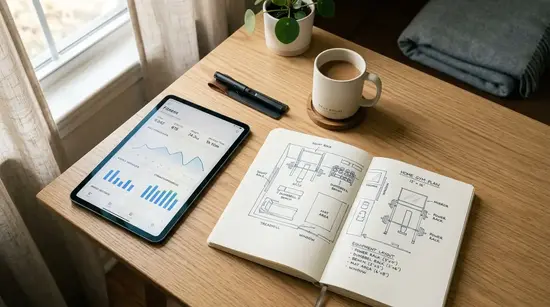
If you’re not tracking, you’re guessing — and guessing is a slow way to get results. Keep a simple workout log noting exercises, sets, reps, and weights. Track how you feel each session and note when exercises start feeling easier (that’s your cue to progress). For body composition, measurements and progress photos tell a more complete story than the scale alone.
Apps like MyFitnessPal, Hevy, or the built-in Health apps on iOS/Android make logging effortless. Five minutes of logging per session builds an incredibly valuable dataset over weeks and months.
Lifestyle, Psychology, and Making Spared Workouts Stick
Adapting for Different Lifestyles
Office workers: morning spared workouts before the day hijacks your energy are gold. Travelers: bodyweight circuits in hotel rooms, resistance band sessions, and stairwell intervals are all legitimate options. Parents at home: nap time workouts, playground calisthenics, or early morning sessions before the household wakes up — get creative.
The Psychology of Short Workouts
Here’s something counterintuitive — making your workout shorter often makes you more consistent. When you remove the “this is going to take forever” mental barrier, starting becomes easy. And starting is the hardest part. Once you’re three minutes in, you’re committed. The habit loop of short workouts is far more self-sustaining than the heroic-but-exhausting commitment of daily two-hour gym sessions.
“The best workout is the one you actually do — consistently, week after week.”
Safety First — Even When You’re in a Rush
High intensity brings higher injury risk if rushed carelessly. Keep these principles front of mind: always warm up, prioritize proper movement patterns over heavier loads, listen to body signals that distinguish productive discomfort from genuine pain, and never train through sharp or sudden pain. Progress in spared workout programming should be gradual — add one challenge variable at a time (more weight, fewer rest seconds, extra reps) rather than multiple simultaneously.
Summary: Why Spared Workouts Actually Work
So here’s the bottom line after all of this: spared workouts work because they’re designed around how real people actually live, not how fitness magazines assume we live.
The key ingredients for success:
- High intensity over long duration
- Compound, multi-joint exercise selection
- Consistent, progressive overload over time
- Smart recovery and nutrition support
- Removing psychological barriers to starting
Give it four weeks. Be honest with your intensity. Track your progress. We’d be genuinely shocked if you didn’t feel the difference.
FAQs About Spared Workouts
What is a spared workout exactly?
A spared workout is a time-efficient training approach that maximizes physical results by focusing on workout quality, exercise selection, and intensity over session length. The goal is to “spare” your time while still achieving meaningful fitness outcomes — typically in 20–30 minutes per session.
Can I actually build muscle with short workouts?
Absolutely. Muscle growth is primarily driven by mechanical tension, metabolic stress, and progressive overload — none of which require lengthy sessions. A well-structured 25-minute spared workout using compound lifts and progressive loading can absolutely trigger muscle hypertrophy.
How long should a spared workout last?
The sweet spot for most people is 20–35 minutes including warm-up and cool-down. That breaks down to roughly 3–5 minutes warm-up, 15–25 minutes of focused training, and 3–5 minutes of cool-down and mobility work.
Is HIIT a type of spared workout?
Yes — HIIT is probably the best-known form of time-efficient training and fits perfectly within the spared workout framework. Its alternating high-intensity and rest intervals maximize calorie burn and cardiovascular adaptation in minimal time. Think of HIIT as one excellent tool in a broader spared workout toolbox.
Do I need equipment for effective results?
Not necessarily. Bodyweight spared workouts using push-ups, squats, lunges, and core work can produce impressive fitness improvements, especially for beginners. Adding basic equipment — a resistance band, a single kettlebell, or adjustable dumbbells — expands your options significantly, but zero equipment is a totally legitimate starting point.
How many times per week should I train?
For most goals, 3–5 sessions per week is the optimal range for spared workout programming. Beginners should start with 3 full-body sessions, while intermediate and advanced trainees can move toward 4–5 sessions using upper/lower or push/pull/legs splits for better volume management.
Can beginners safely do spared workouts?
Yes, with appropriate intensity management. Beginners should start at moderate intensity, prioritize form over speed, and avoid jumping straight into advanced HIIT protocols. The beginner routines outlined in this guide are specifically designed to build fitness progressively and safely. Start there, nail the movements, and then increase intensity gradually.