
A home stretching machine is one of the most effective investments for improving flexibility, enhancing athletic performance, reducing muscle stiffness, and supporting long-term joint health. Whether you are a beginner looking to increase mobility or an experienced athlete seeking deeper stretches, the right stretching machine can transform your daily wellness routine.
This comprehensive guide covers everything you need to know about choosing the best home stretching machine, its benefits, types, features, safety tips, and maintenance, helping you make an informed purchasing decision.
Table of Contents
What Is a Home Stretching Machine?
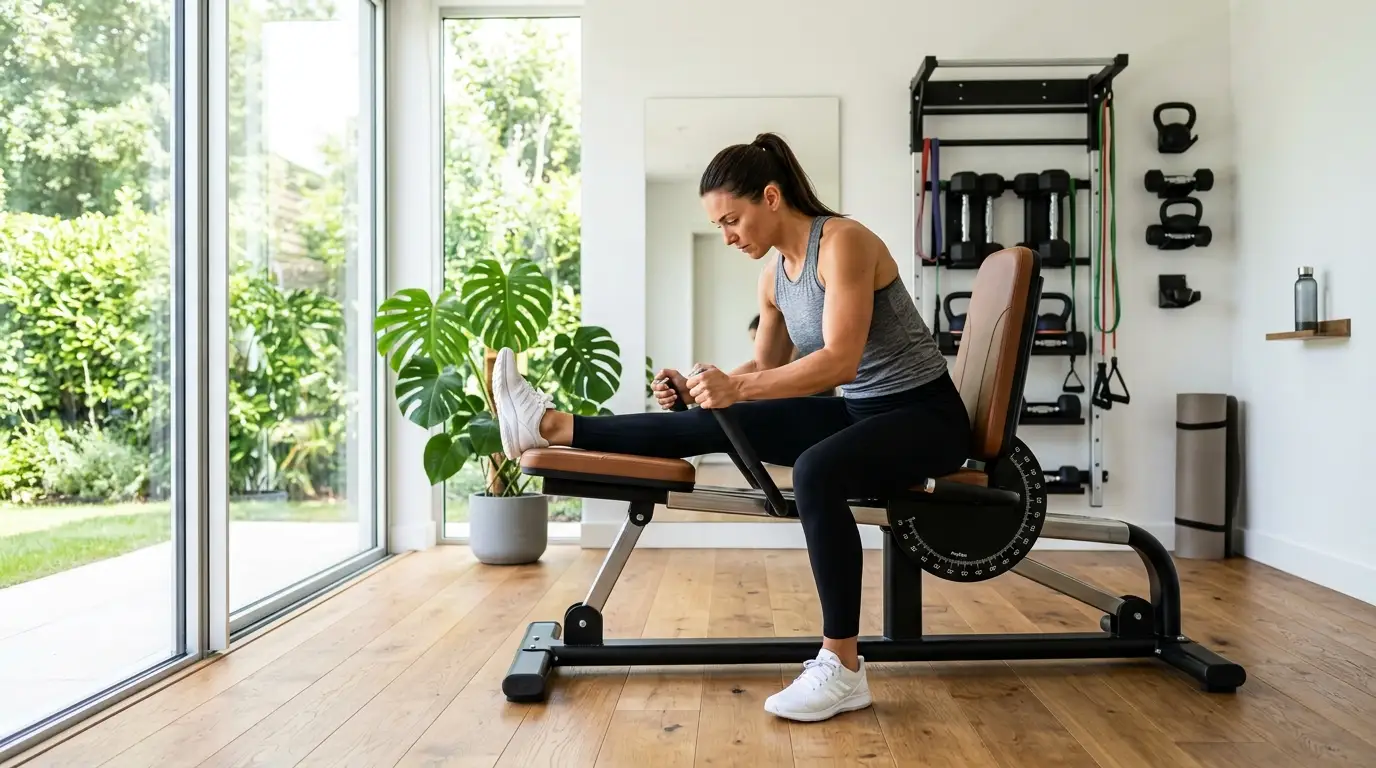
A home stretching machine is specialized fitness equipment designed to help users safely perform deeper stretches than they could achieve on their own. Unlike traditional floor stretching, these machines provide controlled resistance and support, allowing muscles and connective tissues to lengthen gradually.
Stretching machines target multiple muscle groups, including:
- Hamstrings
- Hip flexors
- Quadriceps
- Groin muscles
- Lower back
- Calves
- Glutes
- Shoulders
- Spine
Regular use improves overall flexibility while reducing injury risk.
Benefits of Using a Home Stretching Machine
Improves Flexibility Faster
A stretching machine provides controlled movement that enables users to progressively increase their range of motion. Consistent stretching leads to measurable improvements over time.
Reduces Muscle Tightness
Long hours of sitting often result in tight hips, stiff hamstrings, and lower back discomfort. Daily stretching helps release tension and restore normal movement.
Supports Recovery After Exercise
After intense workouts, stretching encourages better circulation, helping muscles recover more efficiently while reducing soreness.
Enhances Athletic Performance
Improved flexibility contributes to better movement efficiency, balance, coordination, and overall athletic performance in activities such as:
- Running
- Weightlifting
- Martial arts
- Dance
- Yoga
- Gymnastics
- Cycling
Promotes Better Posture
Many stretching machines target muscles that become shortened from prolonged sitting, helping correct posture and reduce back discomfort.
Safe Progressive Stretching
Unlike forcing a stretch manually, quality stretching machines allow gradual adjustments, minimizing the risk of overstretching.
Types of Home Stretching Machines
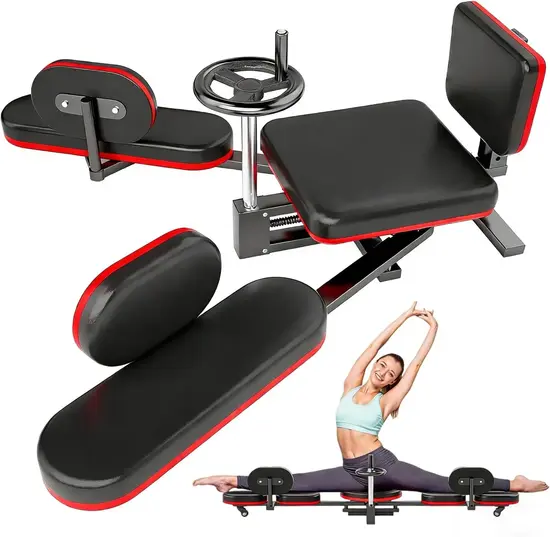
Leg Stretch Machines
These machines primarily improve flexibility in the groin, hips, and inner thighs. Adjustable handles allow users to increase stretching intensity gradually.
Ideal for:
- Martial artists
- Dancers
- Gymnasts
- Cheerleaders
Back Stretching Machines
Designed to decompress the spine while stretching lower back muscles, these machines help improve spinal mobility and reduce stiffness.
Best suited for:
- Office workers
- Seniors
- Individuals with tight lower backs
Inversion Stretching Equipment
Inversion tables allow users to hang at controlled angles, helping decompress the spine while stretching the back and hamstrings.
Benefits include:
- Improved spinal decompression
- Reduced pressure on discs
- Better circulation
Multi-Purpose Stretching Machines
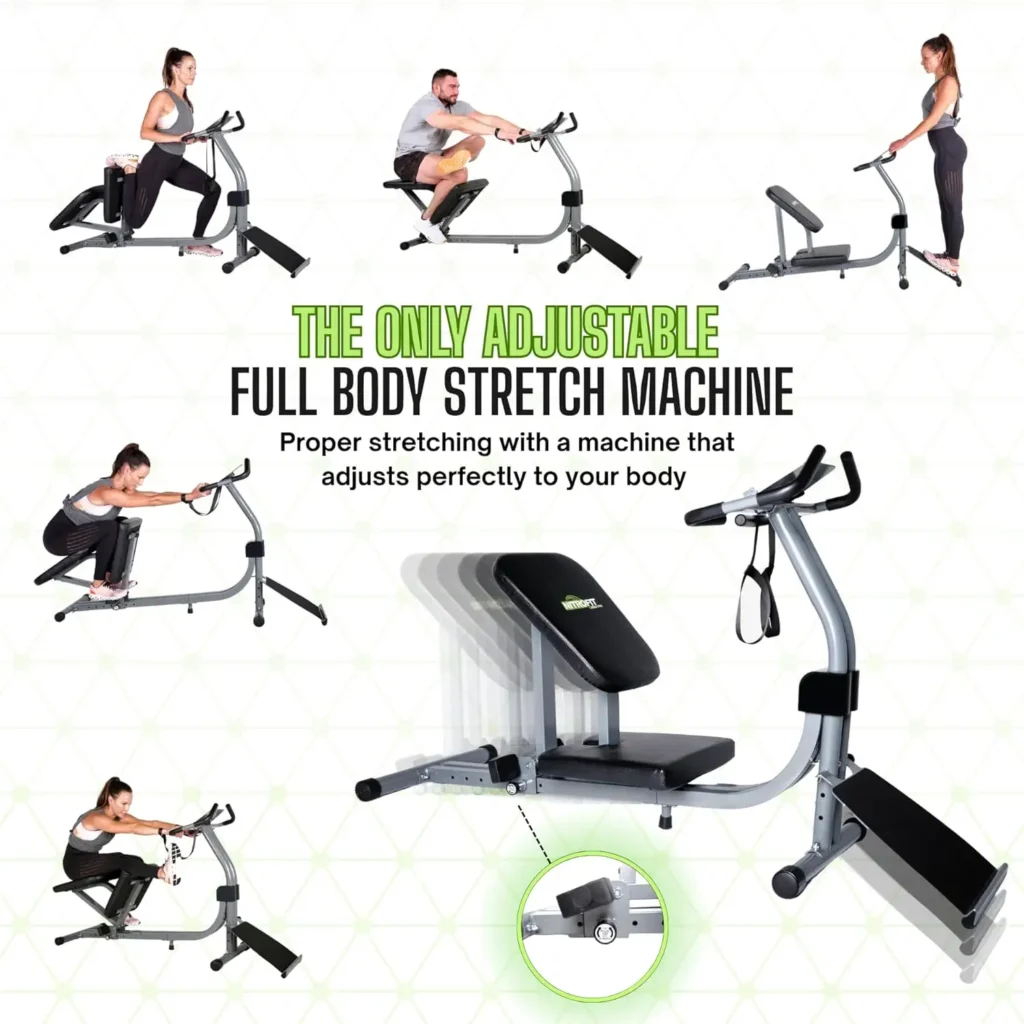
These versatile units allow stretching of multiple muscle groups using adjustable positions and resistance.
Perfect for:
- Home gyms
- Rehabilitation
- General fitness
Who Should Buy a Home Stretching Machine?
A stretching machine is beneficial for nearly every fitness level.
Ideal users include:
- Athletes
- Fitness enthusiasts
- Weightlifters
- Yoga practitioners
- Physical therapy patients
- Older adults
- Remote workers
- People with sedentary lifestyles
Key Features to Consider Before Buying
Adjustability
Look for machines with multiple adjustment points to accommodate different flexibility levels.
Important adjustments include:
- Seat position
- Leg angle
- Stretch range
- Resistance settings
Build Quality
Durable steel frames offer excellent stability and longevity.
Look for:
- Heavy-duty steel construction
- Reinforced joints
- Powder-coated finish
- Stable base
Comfortable Padding
High-density foam cushions improve comfort during longer stretching sessions.
Quality padding reduces pressure on:
- Knees
- Back
- Hips
- Legs
Weight Capacity
Choose equipment that comfortably supports your body weight while maintaining stability.
Many premium models support:
- 250 lbs
- 300 lbs
- 350 lbs
- 400 lbs
Compact Design
Foldable or space-saving designs work well in apartments and smaller home gyms.
Ease of Assembly
Machines with simple instructions and pre-assembled components reduce setup time significantly.
How to Use a Home Stretching Machine Safely
Always begin with a short warm-up before stretching.
- Five-minute walk
- Light cycling
- Dynamic leg swings
- Bodyweight squats
When using the machine:
- Adjust the equipment properly.
- Stretch slowly.
- Never bounce.
- Breathe normally.
- Hold each stretch for 20–60 seconds.
- Increase intensity gradually.
- Stop immediately if sharp pain occurs.
Consistency delivers better results than aggressive stretching.
Best Muscle Groups to Stretch
A quality stretching machine allows comprehensive flexibility training.
Focus on:
Hamstrings
Flexible hamstrings reduce lower back strain while improving running and lifting performance.
Hip Flexors
Stretching tight hip flexors helps counteract prolonged sitting.
Groin
Greater groin flexibility supports lateral movement and athletic performance.
Quadriceps
Stretching the front thigh muscles improves knee mobility.
Calves
Flexible calves improve walking mechanics and ankle mobility.
Lower Back
Gentle decompression reduces stiffness and supports better posture.
Home Stretching Routine
A simple daily routine can deliver significant improvements.
| Stretch | Duration |
|---|---|
| Hamstring Stretch | 30 seconds |
| Groin Stretch | 30 seconds |
| Hip Stretch | 30 seconds |
| Quad Stretch | 30 seconds |
| Lower Back Stretch | 45 seconds |
| Calf Stretch | 30 seconds |
Repeat the routine two to three times.
Common Mistakes to Avoid
Many beginners make errors that limit progress.
Avoid:
- Stretching cold muscles
- Rushing through movements
- Holding your breath
- Using excessive force
- Ignoring proper alignment
- Skipping recovery days
Controlled, gradual progress always produces better flexibility gains.
How Often Should You Use a Stretching Machine?
For general flexibility:
- 3–4 sessions weekly
For athletic performance:
- 5–6 sessions weekly
For rehabilitation:
- Follow your healthcare provider’s recommendations.
Consistency matters far more than session length.
Maintenance Tips
Proper maintenance extends equipment lifespan.
Regularly:
- Tighten bolts
- Inspect moving parts
- Lubricate hinges
- Clean padding
- Wipe down metal surfaces
- Store indoors
Routine maintenance keeps the machine operating safely and smoothly.
Can Seniors Use a Home Stretching Machine?
Yes. Many stretching machines are suitable for older adults when used carefully.
Benefits include:
- Better balance
- Increased mobility
- Improved circulation
- Reduced joint stiffness
- Enhanced independence
Always begin with low-intensity stretches and progress gradually.
Stretching Machine vs Traditional Stretching
| Home Stretching Machine | Traditional Stretching |
|---|---|
| Greater range of motion | Limited by flexibility |
| Controlled stretching | Less precise |
| Easier progression | Harder to measure improvement |
| Better support | Requires balance |
| Suitable for rehabilitation | Less assistance available |
Both methods complement each other, but a stretching machine often provides greater consistency and measurable progress.
Final Thoughts
A home stretching machine is a valuable addition to any home gym, providing a safe, effective way to improve flexibility, mobility, and overall physical wellness. Whether your goal is athletic performance, injury prevention, faster recovery, or simply moving more comfortably throughout the day, consistent use of a quality stretching machine can deliver lasting results.
By choosing a machine with durable construction, adjustable settings, comfortable padding, and a design suited to your fitness level, you can create an efficient stretching routine that supports healthier muscles, joints, and posture for years to come. Regular practice, proper technique, and gradual progression are the keys to maximizing the benefits of home stretching equipment.
Suggested Reads: Stretch Bands for Pull Ups: A Complete Guide
Frequently Asked Questions
Are home stretching machines worth it?
Yes. They offer structured flexibility training, deeper stretches, improved recovery, and greater convenience than manual stretching alone.
How long does it take to improve flexibility?
Most users notice improvements within four to eight weeks with consistent use.
Can beginners use stretching machines?
Absolutely. Beginners should start with light stretching intensity and gradually increase the range of motion.
Do stretching machines help relieve back pain?
They may help reduce muscle tightness and improve mobility, though persistent or severe back pain should be evaluated by a healthcare professional.
How much space do they require?
Many modern models feature compact footprints, and some fold for easy storage.