
In today’s connected world, health and wellness technology has become an essential part of daily life. Millions of people rely on wearable devices and health applications to monitor activity levels, sleep quality, heart rate, workouts, and overall wellness. However, as fitness technology advances, concerns about data privacy and personal information security continue to grow. This is where a private fitness tracker stands out as the preferred solution for individuals who value both health insights and digital privacy.
A private fitness tracker provides all the benefits of modern health monitoring while ensuring that sensitive personal data remains secure, protected, and under the user’s control. Whether you are a fitness enthusiast, athlete, business professional, or simply someone committed to a healthier lifestyle, understanding the advantages of a private fitness tracker can help you make smarter decisions about your health technology.
Table of Contents
What Is a Private Fitness Tracker?
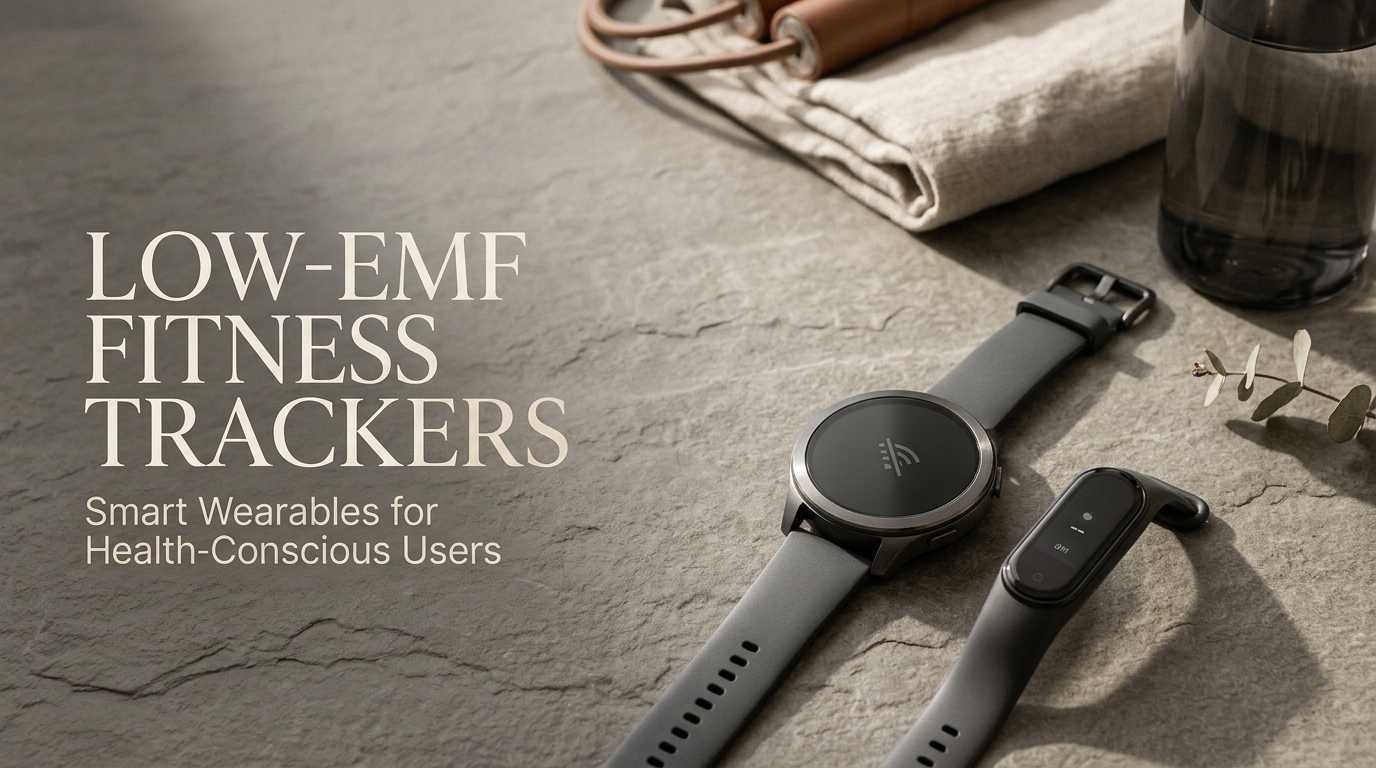
A private fitness tracker is a wearable device or health monitoring system designed to collect and analyze fitness-related information while prioritizing user privacy. Unlike traditional fitness trackers that may store data on external cloud servers or share information with third parties, privacy-first fitness trackers focus on minimizing data exposure through secure design principles such as local processing and encrypted storage.
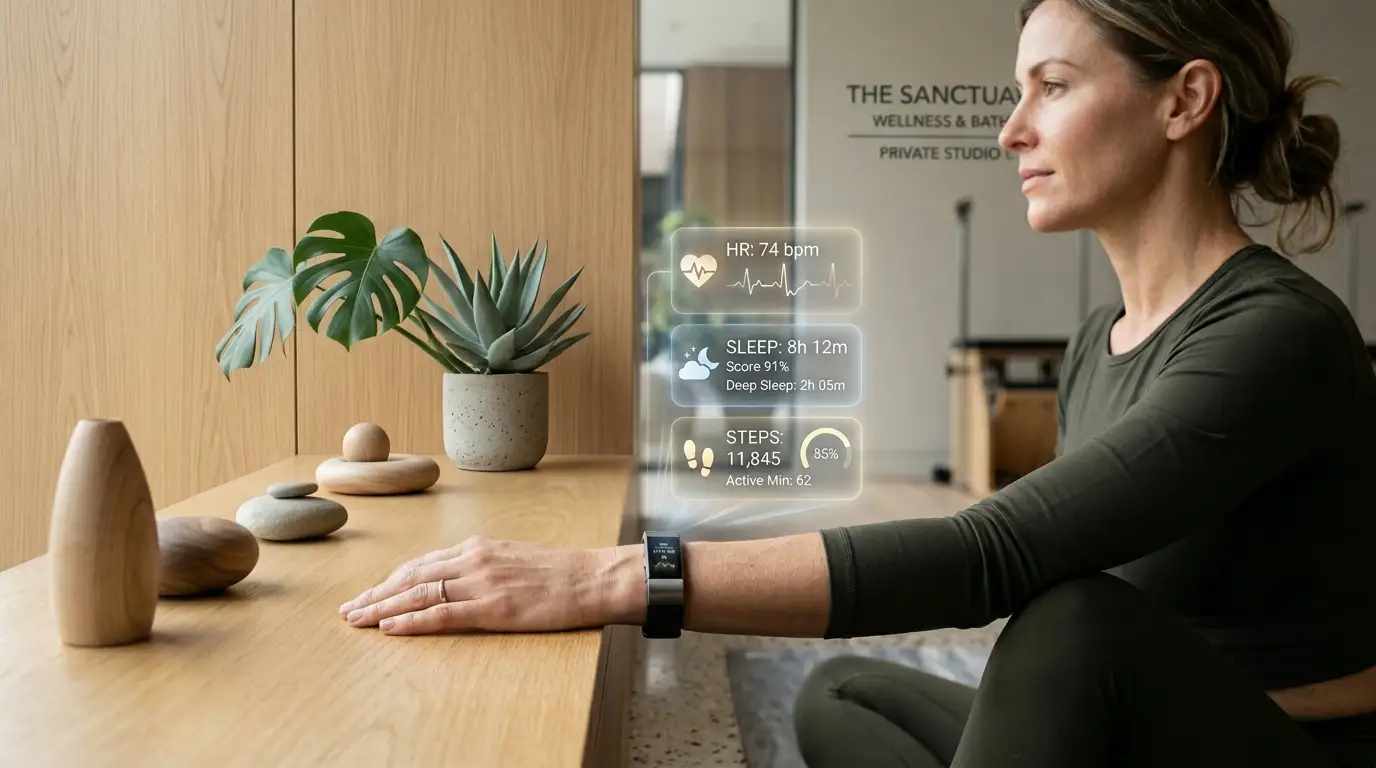
These devices typically monitor:
- Daily step counts
- Distance traveled
- Calories burned
- Heart rate
- Sleep patterns
- Exercise performance
- Recovery metrics
- Stress levels
- Activity trends
The key difference lies in how the information is stored, processed, and accessed. A private fitness tracker emphasizes local storage, encrypted data transmission, and enhanced user control over personal health information, often including no cloud fitness trackers that keep sensitive data entirely off external servers.
Why Privacy Matters in Fitness Tracking
Fitness trackers collect highly personal information that can reveal details about daily routines, habits, physical condition, and even location history. While this information helps improve health outcomes, it also raises significant privacy concerns.
Users increasingly recognize the importance of protecting:
Personal Health Data
Health metrics such as heart rate variability, sleep quality, and activity levels provide a detailed picture of an individual’s physical condition. A privacy-first fitness tracker helps ensure this information remains confidential.
Location Information
Many fitness devices include GPS tracking for running, cycling, and outdoor workouts. Without proper privacy controls, location data could potentially expose travel patterns and daily routines.
Behavioral Insights
Fitness tracking data often reveals lifestyle habits, work schedules, exercise routines, and personal preferences. A privacy-focused solution reduces unnecessary data sharing.
Identity Protection
Protecting health data is becoming increasingly important as cyber threats continue to evolve. A private fitness tracker helps reduce the risk of unauthorized access and identity-related concerns.
Key Features of a Private Fitness Tracker
When evaluating a private fitness tracker, several features distinguish privacy-focused devices from conventional alternatives.
Data Encryption
Strong encryption protects information during storage and transmission. This ensures that sensitive health metrics remain secure even if data is transferred between devices.
Local Data Storage
Many privacy-focused fitness trackers prioritize storing information directly on the device or a personal server rather than relying entirely on cloud services.
Minimal Data Collection
A private fitness tracker gathers only the information necessary for performance tracking and health analysis, reducing unnecessary exposure.
User-Controlled Permissions
Users can decide which applications, platforms, or services can access their fitness data.
Anonymous Usage Options
Some advanced private fitness tracker solutions allow users to operate accounts without providing extensive personal information.
Secure Synchronization
When syncing data with smartphones or computers, secure protocols help prevent unauthorized interception.
Benefits of Using a Privacy-First Fitness Tracker
The popularity of privacy-focused fitness devices continues to grow because they offer numerous advantages beyond data protection.
Enhanced Peace of Mind
Knowing that health information is protected allows users to focus entirely on their wellness goals.
Greater Control Over Personal Data
Users maintain ownership of their fitness records and decide how information is shared.
Reduced Third-Party Access
A private fitness tracker minimizes unnecessary exposure to advertisers, data brokers, and external organizations.
Reliable Health Monitoring
Privacy-focused devices still provide comprehensive insights into physical activity, recovery, and overall wellness.
Long-Term Data Security
As data breaches become more common, secure health tracking solutions help protect information for years to come.
How a Private Fitness Tracker Improves Wellness
Privacy and health optimization can work together effectively. A privacy-first fitness tracker helps users make informed decisions based on accurate personal data.
Activity Tracking
Monitoring daily movement encourages consistency and supports long-term fitness goals.
Sleep Analysis
Quality sleep plays a critical role in recovery, performance, and mental well-being. Detailed sleep metrics help identify patterns that may require improvement.
Heart Rate Monitoring
Continuous heart rate tracking provides valuable insights into exercise intensity and cardiovascular health.
Recovery Optimization
Athletes and active individuals can use recovery data to avoid overtraining and maintain peak performance.
Stress Management
Many modern devices measure indicators associated with stress, helping users develop healthier routines.
Private Fitness Tracker vs Traditional Fitness Tracker
Understanding the differences between standard fitness trackers and privacy-focused alternatives highlights the value of secure health monitoring.
| Feature | Private Fitness Tracker | Traditional Fitness Tracker |
|---|---|---|
| Data Ownership | User-controlled | Often platform-controlled |
| Cloud Dependency | Minimal | Frequently required |
| Privacy Controls | Extensive | Limited |
| Data Sharing | Optional | Often enabled |
| Security Focus | High | Moderate |
| User Transparency | Strong | Varies |
This comparison demonstrates why privacy-conscious individuals increasingly prefer dedicated private fitness tracker solutions.
Who Should Use a Private Fitness Tracker?
A private fitness tracker can benefit a wide range of users.
Fitness Enthusiasts
Individuals committed to tracking progress while protecting personal information.
Athletes
Competitive athletes often collect extensive performance data and require greater privacy.
Business Professionals
Professionals who value confidentiality appreciate the enhanced security provided by private tracking solutions.
Healthcare-Conscious Individuals
Users focused on monitoring long-term health metrics benefit from secure data management.
Privacy Advocates
Anyone concerned about digital privacy can gain peace of mind from using a private fitness tracker.
Choosing the Best Private Fitness Tracker
Selecting the right device involves evaluating both fitness capabilities and privacy protections.
Consider:
- Encryption standards
- Data ownership policies
- Local storage capabilities
- GPS privacy options
- Battery life
- Health monitoring features
- App ecosystem
- User reviews
- Security reputation
- Software update support
The ideal fitness tracker balances comprehensive health monitoring with robust privacy safeguards.
Future Trends in Private Fitness Tracking
The future of health technology is moving toward stronger privacy protections and user empowerment.
Emerging developments include:
- On-device artificial intelligence
- Decentralized data storage
- Advanced biometric monitoring
- Enhanced encryption technologies
- Privacy-first health ecosystems
- Improved user consent controls
- Secure wearable networks
As consumers become more aware of data privacy issues, demand for private fitness tracker solutions is expected to accelerate significantly.
Best Practices for Maximizing Privacy
To get the most from a private fitness tracker, users should follow several key practices:
- Use strong passwords.
- Enable multi-factor authentication when available.
- Regularly update device software.
- Review application permissions.
- Disable unnecessary data sharing.
- Monitor connected services.
- Export and back up important records securely.
- Understand privacy policies before syncing data.
These simple steps help create a safer and more secure fitness tracking experience.
Suggested Reads
Best Smart Ring Without Subscription (2026): Top 5
Best No-Cloud Fitness Trackers (2026): Top Privacy-First Wearables
Fitness Tracker No Subscription: 9 Best Picks for 2026
Best Wearable Fitness Trackers That Work Offline
Conclusion
A private fitness tracker represents the next evolution of personal wellness technology. By combining advanced health monitoring capabilities with strong privacy protections, these devices empower users to take control of both their physical well-being and personal information.
As awareness of digital privacy continues to grow, choosing a private fitness tracker is becoming an increasingly smart investment for anyone who values security, transparency, and long-term health management.
Whether your goal is improving fitness performance, monitoring daily activity, optimizing recovery, or protecting sensitive health information, a private fitness tracker provides a secure and effective path toward better wellness outcomes in the modern digital age.