
The best weightlifting belts for home gym training aren’t necessarily the thickest, most expensive, or most heavily advertised models. The right choice depends on how you lift, how much support you need, your body shape, and how comfortable the belt feels during demanding sets.
If you train at home with a squat rack, Olympic barbell, adjustable bench, or free weights, a good lifting belt can become a useful part of your strength-training setup. But choosing one isn’t as simple as picking leather over nylon or deciding between a lever and a traditional buckle.
Some belts are designed for heavy squats and deadlifts, while others prioritize flexibility, quick adjustments, and comfort during mixed workouts. Understanding these differences helps you avoid buying equipment that doesn’t match your training style.
In this guide, we’ll break down the main types of weightlifting belts, materials, thickness, sizing, buckle systems, and comfort considerations. You’ll also learn what beginners should look for compared with experienced lifters who regularly train with heavier loads.
Table of Contents
What Does a Weightlifting Belt Actually Do?
A weightlifting belt provides a firm surface for your abdominal muscles to brace against during demanding lifts. When you take a breath, tighten your core, and push your abdomen outward against the belt, you create intra-abdominal pressure that helps stabilize your trunk.
This can be particularly useful during exercises such as:
- Barbell back squats
- Conventional and sumo deadlifts
- Heavy overhead presses
- Barbell rows
- Other demanding compound movements
A belt doesn’t hold your spine together or automatically prevent injuries. It also doesn’t replace proper lifting technique, core strength, or appropriate load progression.
The important distinction is that a belt supports an effective bracing strategy. Simply tightening it around your waist without knowing how to brace won’t deliver the same benefit.
For home gym training, this makes belt selection a practical decision rather than an automatic equipment upgrade.
Types of Weightlifting Belts: Which Design Should You Choose?
Not all lifting belts provide the same experience. The main differences involve rigidity, adjustability, comfort, and the type of exercises you perform.
1. Leather Weightlifting Belts
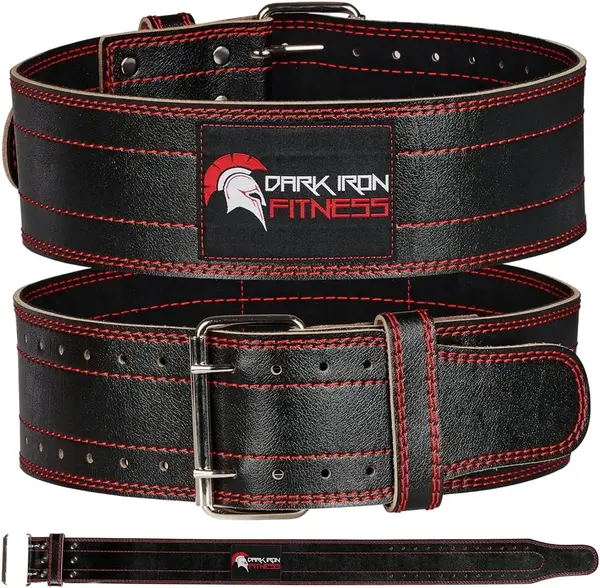
Leather belts are a popular choice for traditional strength training and powerlifting.
They’re generally more rigid than nylon alternatives, providing a firm surface against which you can brace during heavy squats and deadlifts.
Depending on construction, leather belts may feature:
- Single-layer or laminated leather
- Reinforced stitching
- Suede or smooth leather finishes
- Single-prong, double-prong, or lever closures
Best for: Lifters who prioritize stability during heavy compound exercises.
The main drawback is stiffness. A new leather belt may require a break-in period, and some designs can feel uncomfortable around the ribs or hips, particularly for lifters with shorter torsos.
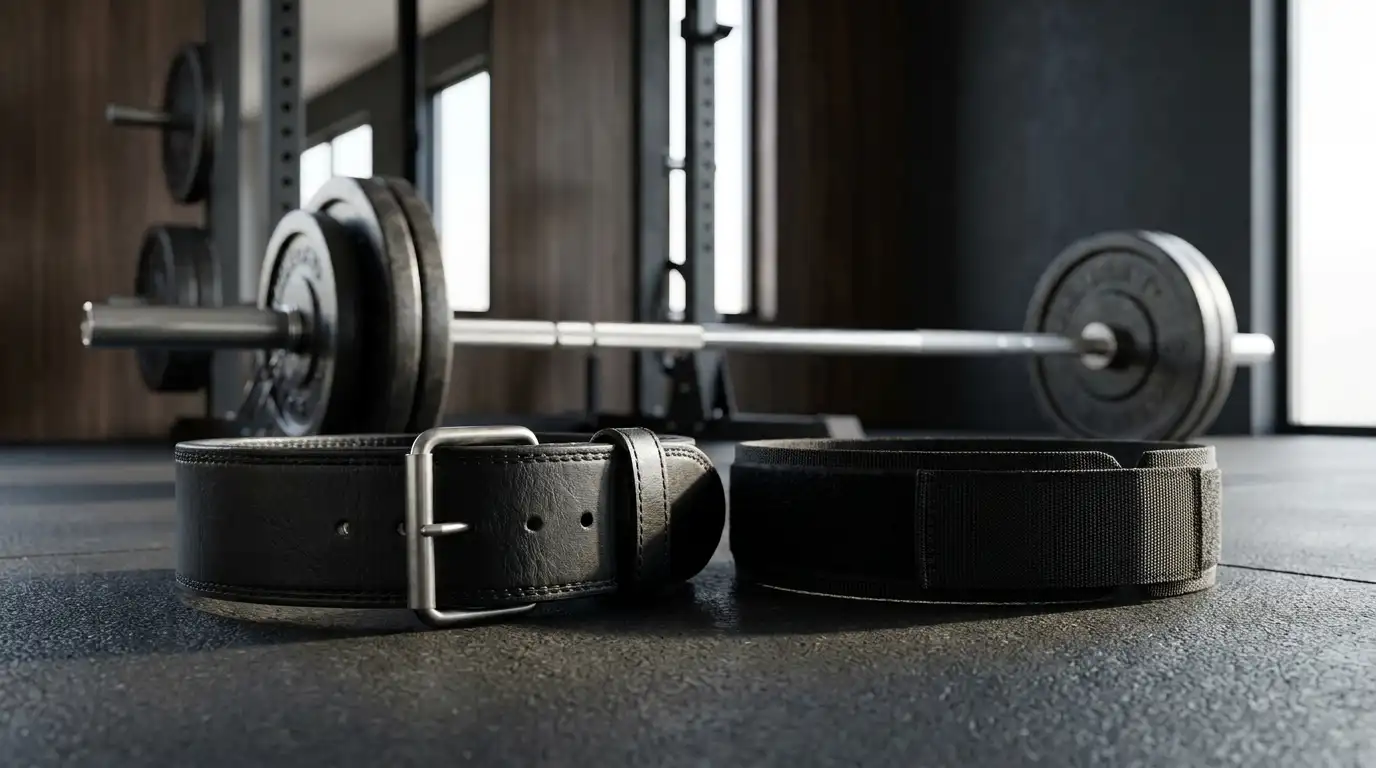
2. Nylon and Velcro Weightlifting Belts
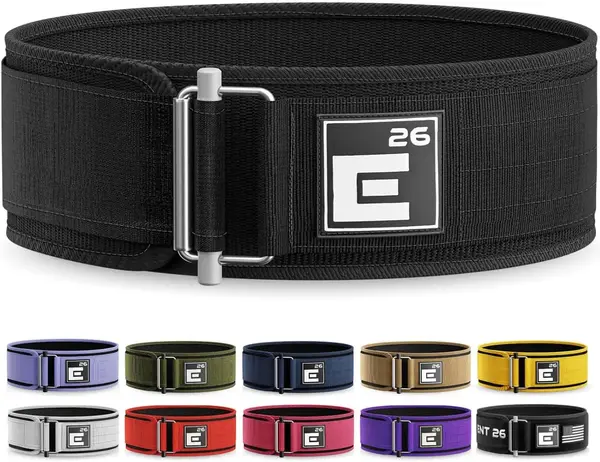
Nylon belts offer a more flexible alternative to traditional leather.
They’re usually lighter, easier to adjust, and quicker to put on or remove between exercises.
Many feature a wide Velcro fastening system combined with a roller buckle or additional locking mechanism.
Their flexibility makes them useful for workouts that involve frequent exercise changes, functional training, or movements requiring greater freedom around the torso.
Best for: Beginners, general fitness enthusiasts, and people who prioritize comfort and convenience.
However, nylon belts generally provide a less rigid bracing surface than thick leather models. Velcro can also lose its holding strength with repeated use.
3. Olympic Weightlifting Belts
Olympic weightlifting belts are designed around movements that require substantial mobility, particularly the snatch and clean and jerk.
Unlike traditional powerlifting belts, some feature a wider back and narrower front.
This tapered construction can reduce interference with torso positioning during dynamic lifts.
Best for: People who combine strength training with Olympic lifting techniques.
A tapered belt can also be worth considering if a uniform-width leather belt digs into your ribs or hips.
4. Padded and Flexible Training Belts
Some manufacturers offer belts with additional padding, contoured edges, or softer inner surfaces.
These designs focus on reducing pressure points and improving comfort during training.
They’re worth considering if conventional leather belts feel too rigid, although padding doesn’t automatically mean better bracing support.
Best for: Recreational lifters who value comfort and moderate support over maximum rigidity.
Leather vs. Nylon: Which Material Is Better?
The material determines much of the belt’s overall feel, durability, flexibility, and maintenance requirements.
| Feature | Leather | Nylon |
|---|---|---|
| Rigidity | High | Moderate to low |
| Flexibility | Lower | Higher |
| Break-in period | Often required | Usually minimal |
| Adjustability | Depends on buckle | Highly adjustable |
| Maintenance | Occasional leather care | Basic cleaning |
| Typical closure | Prong or lever | Velcro or quick-release |
| Best application | Heavy strength training | Mixed workouts |
Choose leather if: Your home workouts revolve around progressively heavier squats, deadlifts, and other compound lifts.
Choose nylon if: You prefer lightweight equipment, frequent adjustments, and greater freedom of movement.
One important detail is leather construction. Full-grain leather, laminated leather, and lower-cost bonded leather aren’t interchangeable. Look for consistent construction, reinforced stitching, quality hardware, and clear manufacturer specifications rather than relying on the word leather alone.
10mm vs. 13mm Weightlifting Belts: Does Thickness Matter?
Belt thickness is another important consideration, particularly when comparing traditional powerlifting belts.
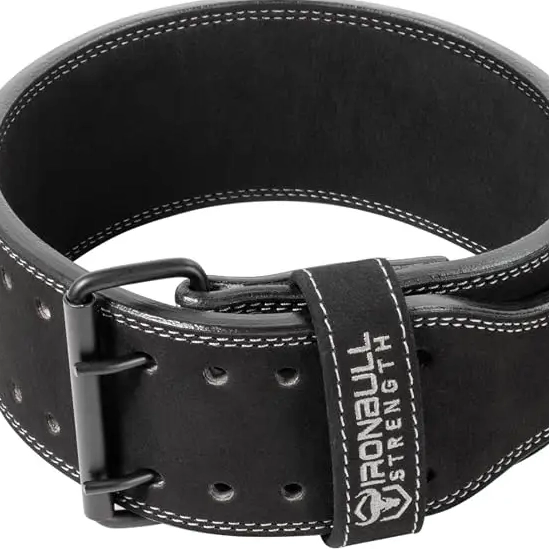
10mm Belts
A 10mm leather belt offers a useful balance between rigidity and comfort.
It provides substantial support for heavy strength training without feeling excessively stiff for many lifters.
Advantages include:
- Easier adjustment and positioning.
- Generally more manageable break-in.
- Suitable for heavy squats and deadlifts.
- A practical middle ground for regular home gym training.
For most recreational lifters who want one traditional leather belt, 10mm is a sensible starting point.
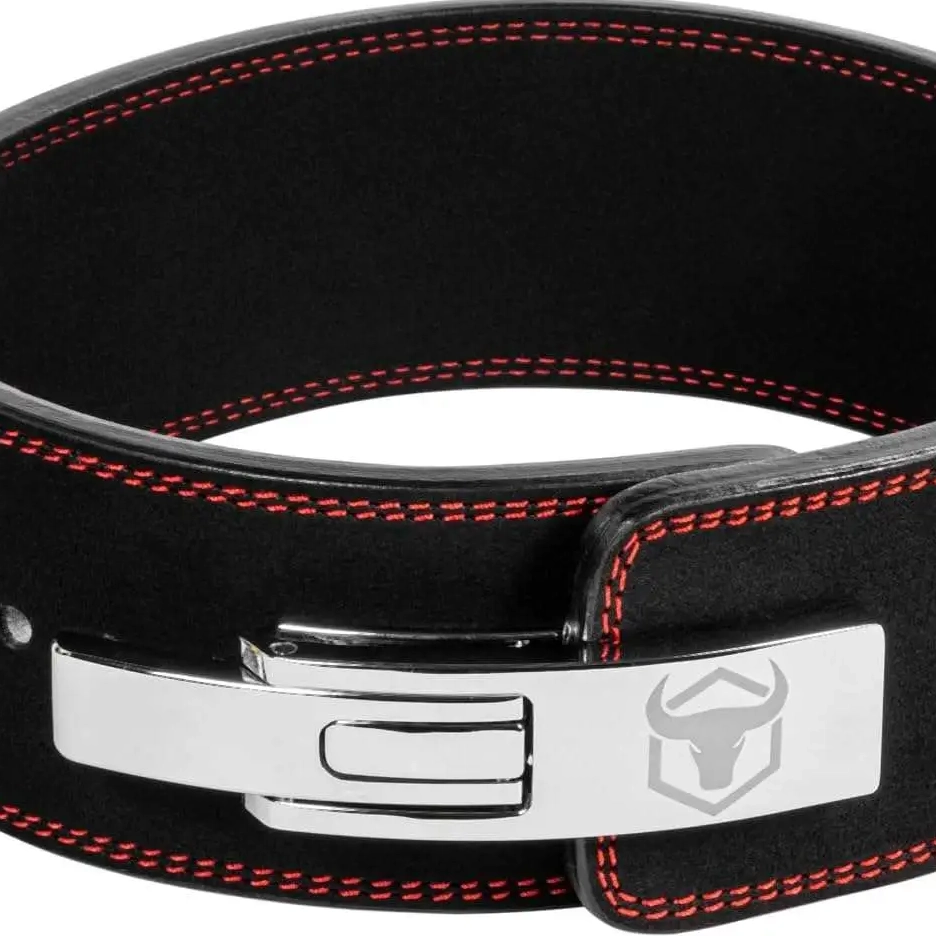
13mm Belts
A 13mm belt is thicker and generally more rigid.
It’s commonly associated with experienced powerlifters who prefer a firm, consistent surface when handling very heavy loads.
However, additional thickness isn’t automatically an advantage.
A 13mm belt can feel restrictive, take longer to break in, and create uncomfortable pressure around the ribs or hips.
My recommendation: Start with 10mm unless you already know you prefer the additional rigidity of a 13mm belt.
Your comfort, torso proportions, and lifting style matter more than choosing the highest specification.
Lever vs. Single-Prong vs. Double-Prong Buckles
The fastening system affects how quickly you can put your belt on, adjust its tightness, and maintain a consistent fit.
Single-Prong Buckle
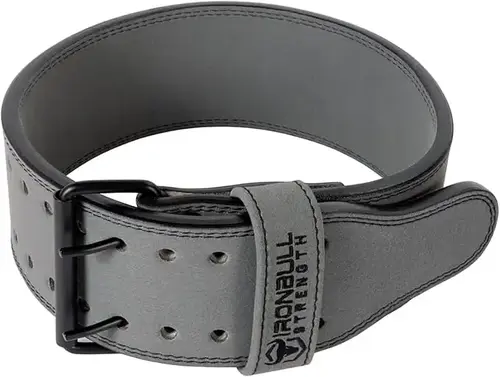
A single-prong belt uses a traditional metal buckle with one fastening pin.
It’s straightforward, reliable, and easy to adjust between different tightness levels.
Advantages:
- Simple mechanical construction.
- Easy to adjust without tools.
- Practical for changing training conditions.
- Familiar fastening system.
Disadvantages:
- Takes slightly longer to secure than a lever.
- Adjustment depends on the available belt holes.
It’s a particularly sensible choice for people buying their first serious leather lifting belt.
Double-Prong Buckle
A double-prong system uses two fastening pins instead of one.
The design distributes the fastening points across two holes, creating a traditional and secure closure.
However, two pins don’t necessarily provide better support than a well-designed single-prong belt.
Advantages:
- Traditional construction.
- Secure fastening when properly fitted.
- Suitable for regular strength training.
Disadvantages:
- Can be more awkward to fasten.
- Both prongs need to align correctly.
- Adjustment can take longer between sets.
Lever Buckle
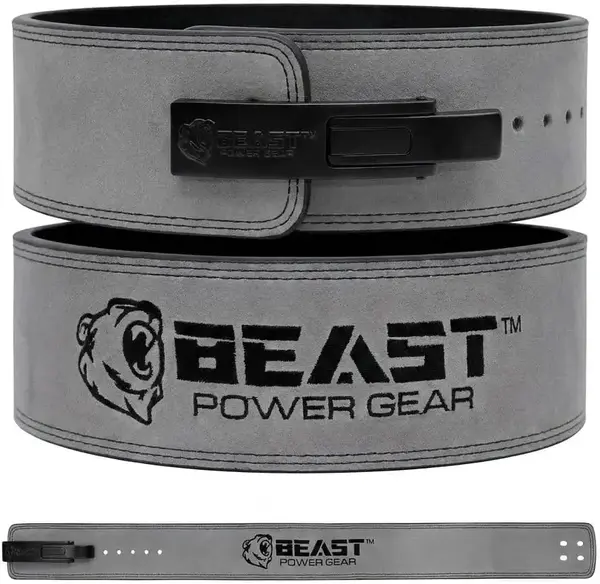
Lever belts use a metal locking mechanism that closes against a fixed section of the belt.
Once adjusted, the system allows you to fasten and release the belt quickly.
Advantages:
- Consistent tightness between sets.
- Quick fastening and removal.
- Secure closure for heavy strength training.
Disadvantages:
- Initial adjustment usually requires tools.
- Less convenient when sharing a belt.
- Weight fluctuations can make the fixed setting less practical.
A lever belt is worth considering if you train consistently at similar waist measurements and prefer a repeatable fit.
Velcro and Quick-Release Buckles
These systems are common on nylon training belts.
They offer convenient adjustment and make it easier to change belt tension throughout a workout.
They’re especially useful when your training includes several different movements rather than repeated heavy powerlifting sets.
The main compromise is long-term fastening durability, particularly with frequently used Velcro closures.
How to Choose the Right Weightlifting Belt Size
Sizing is one of the most important factors when buying a lifting belt.
A belt that’s too large may not provide a stable surface for bracing. One that’s too small can restrict breathing and make heavy lifting uncomfortable.
Most importantly, your trouser size isn’t necessarily your lifting belt size.
Follow these steps before ordering:
- Take a flexible measuring tape.
- Measure around your torso where you intend to wear the belt.
- For a conventional lifting belt, start by measuring around your navel.
- Keep the tape comfortably snug without pulling it tightly.
- Compare your measurement with the specific manufacturer’s sizing chart.
Different brands use different size ranges, so don’t assume a medium from one manufacturer will fit like a medium from another.
Also consider whether you want to wear the belt over a shirt or directly against your training clothing.
A useful buying tip: Choose a belt that allows adjustment in both directions. This gives you some flexibility if your body weight changes or you prefer different tightness levels for different exercises.
Comfort and Fit: Details That Matter More Than You Think
A technically impressive belt isn’t a good purchase if it constantly digs into your body.
Several design details influence how comfortable a belt feels during actual training.
Belt Width and Torso Length
Many traditional powerlifting belts feature a uniform width of approximately four inches.
This provides a substantial bracing surface, but it may not suit everyone.
Lifters with shorter torsos may experience uncomfortable contact between the belt and their ribs or hip bones.
A tapered design or narrower belt may offer a better fit.
Edge Finishing
Poorly finished edges can create pressure points during repeated movements.
Look for smooth edges, consistent stitching, and a comfortable inner surface.
These details become particularly noticeable during longer training sessions.
Material Flexibility
Rigid leather provides a firm bracing surface but may feel restrictive when sitting, bending, or transitioning between exercises.
Nylon is generally more forgiving.
Think about your entire workout rather than judging a belt exclusively by how it feels during one heavy squat.
Buckle Position
A buckle that presses directly into your abdomen can become uncomfortable during certain movements.
The belt should sit securely without creating unnecessary pressure points.
Experiment with positioning before attempting heavy working sets.
Best Weightlifting Belts for Beginners vs. Experienced Lifters
The right belt depends partly on how long you’ve been training and what you expect from your equipment.
What Beginners Should Look For
If you’re relatively new to strength training, you don’t need an expensive competition-style belt immediately.
Prioritize:
- Comfortable construction.
- Straightforward adjustment.
- A reliable fastening mechanism.
- A suitable width for your torso.
- A reasonable price.
- Clear manufacturer sizing information.
A flexible nylon belt can be a comfortable introduction if you perform varied workouts.
If your primary goal is progressive barbell strength training, a quality single-prong leather belt around 10mm thick is another sensible option.
Remember that learning to brace correctly without a belt is an important part of developing good lifting habits.
What Experienced Lifters Should Look For
Experienced lifters who regularly perform heavy compound movements may benefit from more specialized equipment.
Consider:
- 10mm or 13mm leather construction.
- A lever or high-quality prong buckle.
- Consistent belt width.
- Reinforced stitching.
- Durable hardware.
- Competition compatibility, if relevant.
A lever belt can be particularly useful if you perform repeated heavy sets and prefer the same tightness throughout your workout.
Competitive powerlifters should also check their federation’s current equipment rules rather than assuming every commercially available belt is approved.
What to Check Before Buying a Weightlifting Belt for Your Home Gym
Before spending money, evaluate the features that influence long-term usability.
| Buying factor | What to look for |
|---|---|
| Material | Quality leather or durable nylon |
| Thickness | 10mm for a versatile leather option; 13mm for maximum rigidity |
| Width | Standard or tapered, depending on torso shape |
| Buckle | Single-prong, double-prong, lever, or Velcro |
| Stitching | Reinforced, consistent construction |
| Comfort | Smooth edges and suitable inner finish |
| Sizing | Clear measurement chart |
| Durability | Reliable hardware and manufacturer warranty |
| Price | Compare construction rather than branding alone |
Don’t pay extra simply because a belt has an attractive design, oversized logo, or professional-looking packaging.
For home gym equipment, dependable construction and a comfortable fit should come first.
Common Weightlifting Belt Buying Mistakes
Even a well-reviewed belt can become a disappointing purchase if you overlook a few details.
1. Buying the thickest belt available
A 13mm belt isn’t automatically better than a 10mm alternative. Additional rigidity may create unnecessary discomfort.
2. Choosing based on trouser size
Always follow the manufacturer’s measurement instructions.
3. Ignoring torso proportions
A uniform four-inch belt may not fit every body shape comfortably.
4. Buying a lever belt without considering adjustability
Lever systems are convenient, but changing their initial setting usually requires tools.
5. Expecting a belt to fix poor technique
A belt doesn’t replace proper bracing, controlled movement, or progressive training.
6. Wearing a belt for every exercise
You don’t need a lifting belt for every set of curls, lateral raises, or light accessory movements. Use it selectively when additional bracing is useful.
How to Use a Weightlifting Belt Correctly
Buying the right belt is only part of the process. You also need to understand how to use it.
Start by positioning the belt around your torso where it feels comfortable and allows you to breathe.
Secure it firmly without making it so tight that you cannot expand your abdomen.
Before a demanding repetition:
- Take a controlled breath into your abdomen and trunk.
- Brace your core as though preparing to resist a push.
- Expand your abdominal muscles against the belt.
- Maintain that tension throughout the challenging portion of the lift.
- Reset your breathing and brace between repetitions as appropriate.
The goal is to create a firm, stable trunk rather than simply squeezing your waist.
Start with manageable loads and practice the technique before relying on a belt during heavier working sets.
If you experience pain, unusual pressure, dizziness, or difficulty breathing, stop and reassess your technique and equipment fit.
Frequently Asked Questions
Are weightlifting belts necessary for home gym training?
No. You can develop strength and perform effective resistance training without a lifting belt. However, a properly fitted belt can be useful when performing heavy squats, deadlifts, and other demanding compound movements.
Is a 10mm or 13mm weightlifting belt better?
A 10mm belt is generally the more versatile choice for most home gym lifters. A 13mm belt offers greater rigidity but can feel restrictive, particularly for people who aren’t accustomed to stiff leather equipment.
Should beginners use weightlifting belts?
Beginners can use belts, but learning proper breathing, bracing, and lifting technique should come first. A belt should complement good technique rather than become a substitute for it.
Is a leather weightlifting belt better than nylon?
Leather generally provides a firmer bracing surface and is suitable for heavy strength training. Nylon is lighter, more flexible, and easier to adjust. Neither material is universally better.
Is a lever belt better than a prong belt?
A lever belt offers quick fastening and consistent tightness once adjusted. A prong belt is easier to adjust without tools. The better choice depends on how frequently you change your belt setting.
How tight should a weightlifting belt be?
It should feel secure while allowing you to take a full breath and brace your abdominal muscles against it. You shouldn’t need to restrict your breathing to achieve a tight fit.
How long does a weightlifting belt last?
A quality leather belt can last for years with appropriate care. Nylon belts may require replacement sooner if their Velcro, stitching, or fastening hardware deteriorates. Actual lifespan depends on construction and usage.
Further reading: Beginner’s Guide to Strength Training at Home · Power Rack Home Gym: Ultimate Setup Guide
Final Verdict: Which Weightlifting Belt Should You Buy?
The best weightlifting belts for home gym training are the ones that match your lifting style, body proportions, and experience level.
You don’t need the most expensive model or the stiffest construction to get a useful training accessory.
Here’s a simple way to narrow down your decision:
- Best all-around choice: A 10mm leather belt with a single-prong buckle.
- Best for heavy powerlifting: A rigid 10mm or 13mm leather lever belt.
- Best for beginners: A comfortable, adjustable nylon belt or an easy-to-use 10mm leather belt.
- Best for mixed workouts: A flexible nylon belt with a reliable quick-release fastening system.
- Best for shorter torsos: A tapered or narrower design that avoids uncomfortable rib and hip contact.
For most home gym owners focused on building strength, I’d start with a well-constructed 10mm leather belt. It offers a practical balance of rigidity, durability, and versatility without committing to the stiffness of a competition-focused 13mm model.
Ultimately, fit and comfort matter more than impressive specifications. Choose a belt that supports your training rather than forcing you to adapt your movements around the equipment.
Editorial research note: This is a category-based buying guide, not a claim of hands-on testing of individual belts. The comparisons draw on published equipment guidance and manufacturer-style specifications.