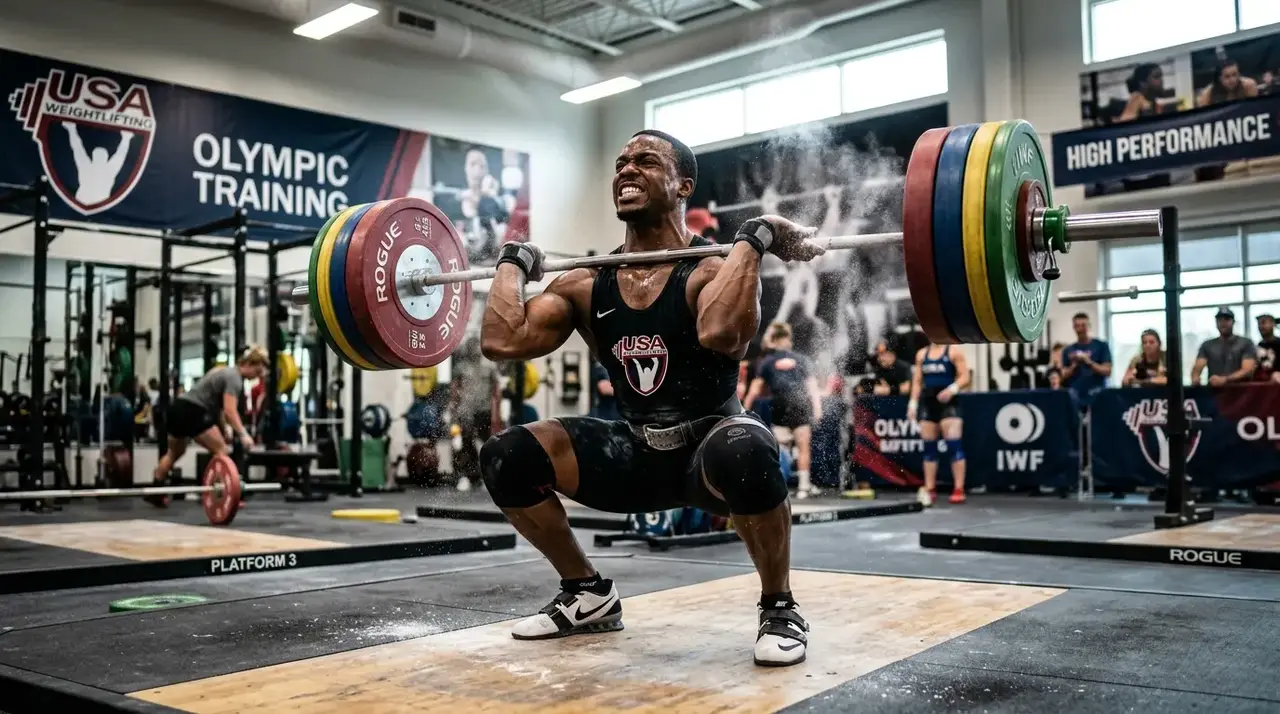

Olympic weightlifting is one of the most effective training methods for developing explosive power, total-body strength, athletic performance, and technical mastery. A well-structured Olympic weightlifting program combines precise movement mechanics with progressive overload, allowing athletes to maximize performance in the snatch and clean and jerk while improving overall physical capabilities.
Whether training for competition or seeking enhanced athletic development, following a dedicated Olympic weightlifting program provides a systematic path toward measurable progress.
Table of Contents
What Is an Olympic Weightlifting Program?
An Olympic weightlifting program is a structured training plan designed around the two competition lifts:
- Snatch
- Clean and Jerk
The program also incorporates accessory exercises, strength-building movements, mobility work, and recovery strategies to improve technical efficiency and lifting performance.
Unlike traditional bodybuilding or general strength programs, Olympic weightlifting prioritizes:
- Speed and explosiveness
- Technical precision
- Mobility and flexibility
- Coordination and balance
- Maximum power output
Athletes train multiple times per week, focusing on movement quality while gradually increasing training intensity and volume.
Benefits of Following an Olympic Weightlifting Program
For athletes comparing powerlifting vs Olympic weightlifting, Olympic lifting places a greater emphasis on speed, explosive power, and technical skill, while still developing impressive full-body strength.
Develop Explosive Power
Olympic lifts require rapid force production. The combination of speed and strength enhances athletic performance in virtually every sport.
Benefits include:
- Increased vertical jump
- Improved sprint speed
- Greater acceleration
- Enhanced athletic coordination
Build Functional Strength
The snatch and clean and jerk engage nearly every major muscle group.
Primary muscles trained include:
- Quadriceps
- Hamstrings
- Glutes
- Core
- Shoulders
- Trapezius
- Back muscles
This full-body engagement leads to balanced strength development and superior athletic performance.
Improve Mobility
Successful Olympic lifting requires exceptional mobility in:
- Ankles
- Hips
- Thoracic spine
- Shoulders
- Wrists
A structured Olympic weightlifting program naturally improves movement quality through repeated practice and mobility-focused training.
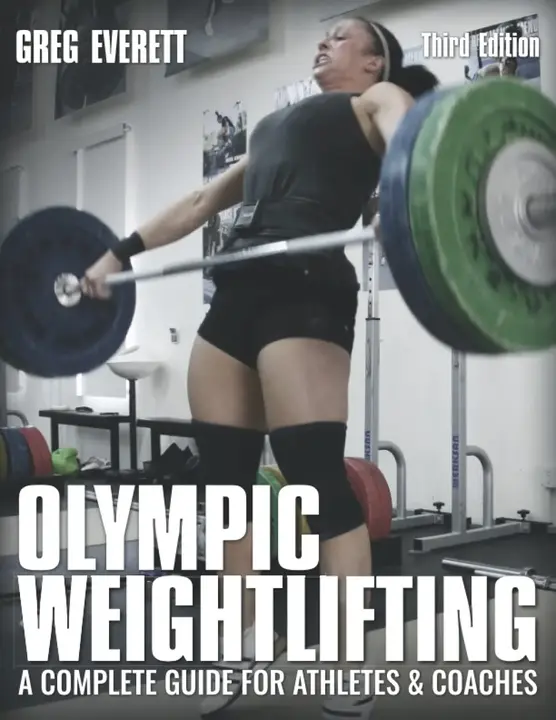
Enhance Athletic Performance
Many elite athletes incorporate Olympic lifts into their training due to their ability to improve:
- Power output
- Reaction speed
- Coordination
- Balance
- Agility
These qualities transfer effectively to sports such as football, basketball, soccer, track and field, and martial arts.
Core Components of an Olympic Weightlifting Program
The Snatch
The snatch involves lifting the barbell from the floor to overhead in one continuous movement.
Key phases include:
First Pull
The barbell is lifted from the floor while maintaining proper posture and balance.
Transition
The lifter moves into the power position by bringing the knees forward under the bar.
Second Pull
The most explosive phase where maximum power is generated.
Turnover
The lifter rapidly pulls under the barbell.
Catch
The bar is received overhead in a deep squat position.
Recovery
The athlete stands to complete the lift.
The Clean and Jerk
This lift consists of two separate movements.
The Clean
The barbell is lifted from the floor and received on the shoulders.
The Jerk
The barbell is driven overhead from the front rack position.
Both phases require precise timing, strength, and technical efficiency.
Strength Exercises Included in Olympic Weightlifting Programs
While a traditional Powerlifting Program focuses on maximizing performance in the squat, bench press, and deadlift, Olympic weightlifting programs prioritize dynamic movements that enhance power, coordination, and athleticism.
A successful Olympic weightlifting program relies on supplemental strength exercises.
Back Squat
The back squat develops:
- Leg strength
- Core stability
- Overall power production
Heavy squats are foundational for improving both Olympic lifts.
Front Squat
Front squats specifically strengthen positions used during the clean.
Benefits include:
- Upright posture development
- Quad strength
- Core stabilization
Deadlift Variations
Weightlifting-specific deadlifts improve:
- Pulling strength
- Positioning
- Posterior chain development
Popular variations include:
- Snatch deadlift
- Clean deadlift
- Deficit deadlift
Overhead Squat
The overhead squat develops:
- Stability
- Mobility
- Balance
- Shoulder strength
It serves as an essential technical exercise for snatch development.
Push Press
The push press enhances:
- Upper-body power
- Shoulder strength
- Jerk performance
Weekly Olympic Weightlifting Program Structure
Day 1: Snatch Focus
- Snatch: 5×3
- Snatch Pulls: 4×4
- Overhead Squats: 4×5
- Core Training
Day 2: Clean and Jerk Focus
- Clean and Jerk: 5×2
- Front Squats: 5×3
- Clean Pulls: 4×4
- Mobility Work
Day 3: Recovery and Technique
- Light Snatch Drills
- Light Clean Drills
- Mobility Exercises
- Stretching Session
Day 4: Strength Development
- Back Squat: 5×5
- Romanian Deadlift: 4×6
- Push Press: 4×5
- Core Training
Day 5: Competition Lifts
- Snatch Singles
- Clean and Jerk Singles
- Front Squats
- Technical Review
Day 6: Accessory Training
- Pull Variations
- Overhead Stability Work
- Mobility Drills
- Conditioning
Day 7: Rest
Complete recovery allows adaptation and prepares the athlete for the next training cycle.
Periodization in Olympic Weightlifting Programs
Elite Olympic weightlifting programs follow structured phases.
Preparatory Phase
Goals:
- Build strength
- Improve technique
- Increase work capacity
Characteristics:
- Higher volume
- Moderate intensity
Strength Phase
Goals:
- Increase maximal force production
- Improve squat strength
- Build pulling power
Characteristics:
- Moderate volume
- High intensity
Competition Phase
Goals:
- Peak performance
- Refine technique
- Reduce fatigue
Characteristics:
- Lower volume
- High intensity
- Increased specificity
Recovery Phase
Goals:
- Physical restoration
- Mental recovery
- Injury prevention
Characteristics:
- Reduced training load
- Increased mobility work
Olympic Weightlifting Program for Beginners
New lifters should prioritize technique before heavy loading.
Beginner Training Priorities
Focus on:
- Proper positions
- Bar path consistency
- Mobility development
- Movement efficiency
A beginner program may include:
Training Session Example
- Snatch Technique: 5×3
- Clean Technique: 5×3
- Front Squat: 3×5
- Overhead Squat: 3×5
- Core Work
Consistency is more important than lifting maximal weights during the early stages.
Intermediate Olympic Weightlifting Program
Intermediate lifters require increased training frequency and volume.
Training goals include:
- Technical refinement
- Strength progression
- Power development
Most intermediate athletes train four to six days per week while gradually increasing intensity.
Advanced Olympic Weightlifting Program
Advanced lifters focus on maximizing competitive performance.
Advanced programming often includes:
- Multiple daily sessions
- Individualized periodization
- Velocity monitoring
- Competition simulations
- Detailed recovery protocols
These athletes frequently train six days per week while carefully managing fatigue.
Mobility Requirements for Olympic Weightlifting
Mobility directly influences lifting success.
Ankle Mobility
Essential for:
- Deep squat positions
- Balance
- Stability
Hip Mobility
Critical for:
- Receiving positions
- Pulling mechanics
- Efficient force transfer
Shoulder Mobility
Necessary for:
- Overhead stability
- Snatch positions
- Jerk lockout
Thoracic Spine Mobility
Supports:
- Upright posture
- Front rack position
- Overhead mechanics
Daily mobility work significantly improves long-term performance.
Recovery Strategies for Olympic Lifters
Recovery is a key component of every successful Olympic weightlifting program.
Sleep
Aim for:
- 7–9 hours nightly
- Consistent sleep schedule
- High sleep quality
Nutrition
Prioritize:
- Lean protein
- Complex carbohydrates
- Healthy fats
- Hydration
Active Recovery
Include:
- Walking
- Stretching
- Mobility sessions
- Light technique work
Deload Weeks
Periodic reductions in volume and intensity help prevent overtraining while promoting adaptation.
Common Olympic Weightlifting Mistakes
Avoid these errors:
Neglecting Technique
Poor mechanics limit progress and increase injury risk.
Training Too Heavy Too Soon
Progressive loading ensures sustainable development.
Ignoring Mobility
Restricted movement patterns negatively affect lifting performance.
Inadequate Recovery
Insufficient recovery reduces strength gains and technical consistency.
Skipping Accessory Work
Supplemental exercises address weaknesses and support long-term progress.
How to Measure Progress
Track performance using:
- Snatch personal records
- Clean and jerk personal records
- Front squat strength
- Back squat strength
- Technical consistency
- Mobility improvements
Regular assessments help identify strengths and areas requiring additional attention.
Conclusion
A properly designed Olympic weightlifting program combines technical practice, strength development, mobility training, and recovery strategies into a comprehensive system for athletic excellence.
By consistently training the snatch, clean and jerk, squats, pulls, and supporting exercises, athletes can develop exceptional power, strength, coordination, and performance. Following a structured program and maintaining long-term consistency remains the most effective approach for achieving success in Olympic weightlifting.