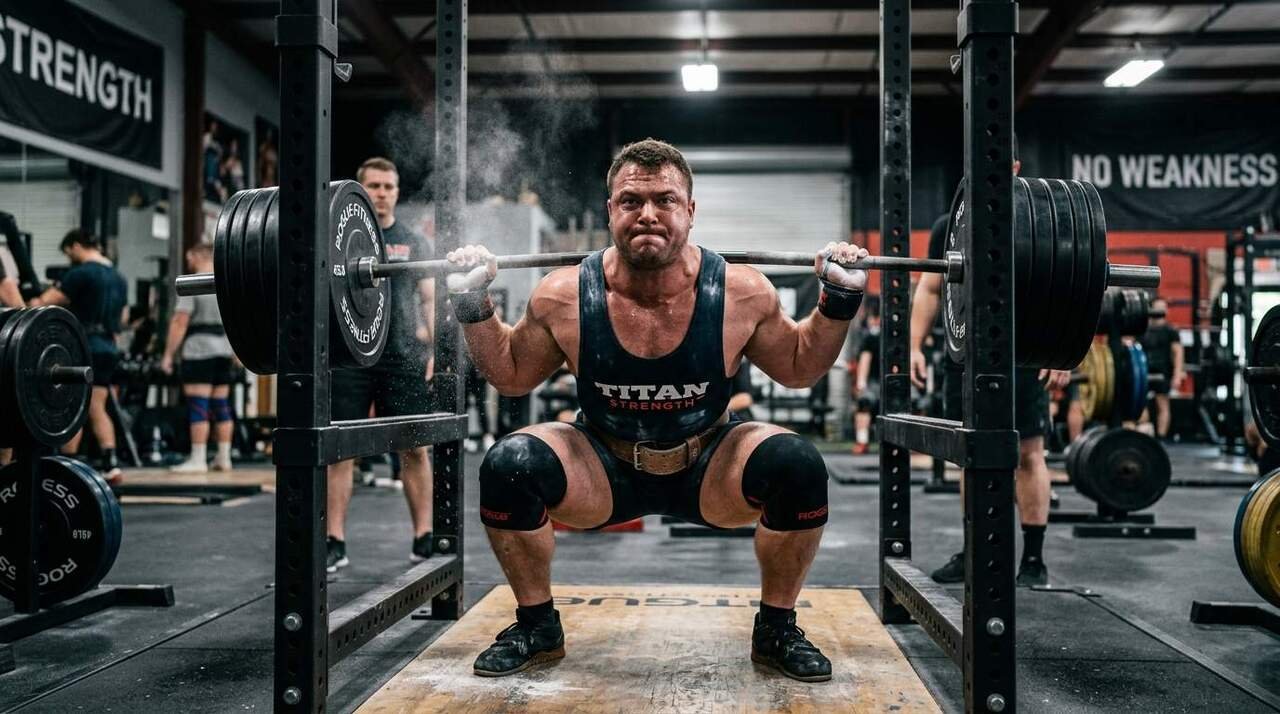

Powerlifting is one of the most effective strength sports for developing raw power, muscular strength, and athletic performance. A typical powerlifting program is specifically designed to improve performance in the three competition lifts: the squat, bench press, and deadlift. Unlike general fitness routines, powerlifting training follows a structured progression model focused on increasing strength over time while managing fatigue and optimizing recovery.
Whether you are a beginner looking to build a solid foundation or an experienced lifter aiming for a new personal record, understanding how a typical powerlifting program works is essential for long-term success.
Table of Contents
What Is a Typical Powerlifting Program?
A typical powerlifting program is a systematic training plan built around progressive overload. The goal is simple: gradually increase the amount of weight lifted in the squat, bench press, and deadlift while maintaining proper technique.
Most powerlifting programs include:
- Primary competition lifts
- Accessory exercises
- Progressive overload
- Recovery periods
- Deload weeks
- Strength-focused repetition ranges
Training is organized into weekly sessions that prioritize strength gains rather than muscle endurance or cardiovascular fitness.
Core Principles of Powerlifting Training
Progressive Overload
The foundation of every successful powerlifting program is progressive overload. Lifters gradually increase training stress through:
- Heavier weights
- Additional sets
- Increased training volume
- Improved lifting efficiency
This continual progression forces the body to adapt and become stronger.
Specificity
Powerlifters spend most of their training time practicing the squat, bench press, and deadlift. Since strength improvements are highly specific, focusing on these movements delivers the greatest results.
Recovery Management
Strength development occurs during recovery. Proper sleep, nutrition, hydration, and rest days are critical components of any effective powerlifting program.
Periodization
Periodization involves dividing training into phases that emphasize different goals throughout the year. These phases help maximize performance while reducing the risk of overtraining.
Structure of a Typical Weekly Powerlifting Program
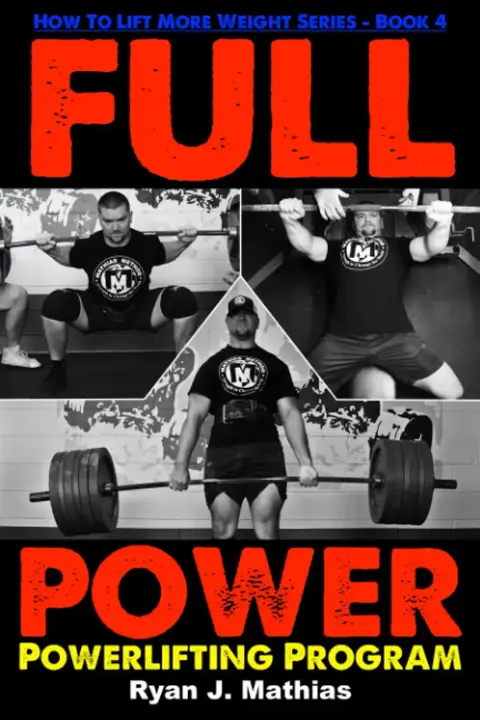
Most powerlifting programs follow a three- to five-day weekly schedule.
3-Day Powerlifting Program
Day 1: Squat Focus
- Back Squat: 5 sets × 5 reps
- Front Squat: 3 sets × 6 reps
- Walking Lunges: 3 sets × 10 reps
- Leg Curls: 3 sets × 12 reps
- Core Training: 3 sets
Day 2: Bench Press Focus
- Bench Press: 5 sets × 5 reps
- Incline Bench Press: 3 sets × 8 reps
- Overhead Press: 3 sets × 6 reps
- Triceps Pushdowns: 3 sets × 12 reps
- Dumbbell Rows: 4 sets × 10 reps
Day 3: Deadlift Focus
- Deadlift: 5 sets × 3 reps
- Romanian Deadlift: 3 sets × 8 reps
- Pull-Ups: 4 sets
- Barbell Rows: 4 sets × 8 reps
- Face Pulls: 3 sets × 15 reps
This structure provides sufficient recovery while allowing consistent strength progression.
The Main Lifts Explained
Back Squat
The squat is often considered the king of strength exercises. It develops:
- Quadriceps
- Glutes
- Hamstrings
- Core stability
- Overall lower-body power
Powerlifters typically squat two to three times per week using varying intensities and rep ranges.
Bench Press
The bench press measures upper-body pressing strength and targets:
- Chest muscles
- Triceps
- Front deltoids
Many successful programs incorporate bench pressing multiple times per week due to its relatively fast recovery rate.
Deadlift
The deadlift is the ultimate test of total-body strength. It recruits:
- Posterior chain muscles
- Glutes
- Hamstrings
- Back muscles
- Grip strength
Deadlifts are usually trained less frequently due to their high recovery demands.
Accessory Exercises in Powerlifting
Accessory movements address weaknesses, improve muscle balance, and support the main lifts.
Lower Body Accessories
- Bulgarian Split Squats
- Leg Press
- Hack Squats
- Glute Bridges
- Hamstring Curls
Upper Body Accessories
- Dumbbell Bench Press
- Overhead Press
- Close-Grip Bench Press
- Dips
- Push-Ups
Back Development Exercises
- Pull-Ups
- Chin-Ups
- Barbell Rows
- Lat Pulldowns
- Face Pulls
Strong supporting muscles contribute significantly to bigger competition lifts.
Powerlifting Training Phases
Hypertrophy Phase
The hypertrophy phase focuses on building muscle mass.
Typical characteristics:
- 6–12 repetitions
- Moderate loads
- Higher training volume
This phase creates the muscular foundation needed for future strength gains.
Strength Phase
The strength phase shifts toward heavier weights.
Characteristics include:
- 3–6 repetitions
- Higher intensity
- Moderate volume
This is where athletes develop maximal force production.
Peaking Phase
The peaking phase prepares lifters for competition.
Characteristics include:
- Heavy singles
- Reduced volume
- Maximum intensity
The objective is to express the strength developed during previous phases.
Deload Phase
A deload week reduces fatigue and promotes recovery.
Typical adjustments include:
- Lower training volume
- Reduced intensity
- Enhanced recovery practices
Sample 12-Week Powerlifting Progression
Weeks 1–4: Foundation Building
Focus:
- Technique refinement
- Moderate weights
- Volume accumulation
Intensity:
- 65–75% of one-repetition maximum
Weeks 5–8: Strength Development
Focus:
- Increased loading
- Lower repetitions
- Enhanced force production
Intensity:
- 75–85% of one-repetition maximum
Weeks 9–11: Peak Strength
Focus:
- Heavy compound lifts
- Competition-specific practice
Intensity:
- 85–95% of one-repetition maximum
Week 12: Testing and Recovery
Focus:
- Personal record attempts
- Recovery management
Intensity:
- Maximum effort testing
Nutrition for Powerlifting Success
Training alone cannot maximize strength. Proper nutrition is equally important.
Protein Intake
Adequate protein supports:
- Muscle recovery
- Strength adaptation
- Tissue repair
Most strength athletes consume approximately 1.6–2.2 grams of protein per kilogram of body weight.
Carbohydrates
Carbohydrates fuel high-intensity workouts and replenish glycogen stores.
Good sources include:
- Rice
- Potatoes
- Oats
- Fruits
- Whole grains
Healthy Fats
Dietary fats support hormone production and overall health.
Quality sources include:
- Avocados
- Olive oil
- Nuts
- Seeds
- Fatty fish
Hydration
Proper hydration enhances:
- Performance
- Recovery
- Strength output
Even mild dehydration can negatively affect lifting performance.
Common Mistakes in Powerlifting Programs
Ignoring Technique
Poor technique limits strength potential and increases injury risk.
Excessive Volume
Too much training volume can impair recovery and stall progress.
Skipping Recovery
Recovery is a critical component of strength development.
Program Hopping
Constantly switching programs prevents long-term adaptation.
Neglecting Accessory Work
Accessory exercises often address weaknesses that limit progress in the competition lifts.
Typical Powerlifting Program for Beginners
Beginners should focus on:
- Learning proper form
- Consistent training
- Gradual progression
- Recovery habits
A simple novice program may involve:
Workout A
- Squat: 3×5
- Bench Press: 3×5
- Barbell Row: 3×8
Workout B
- Squat: 3×5
- Overhead Press: 3×5
- Deadlift: 1×5
Alternating these workouts three times per week provides an excellent strength-building foundation.
Powerlifting vs Olympic Weightlifting
While discussing strength sports, many athletes compare powerlifting vs Olympic weightlifting. Powerlifting focuses exclusively on maximal strength through the squat, bench press, and deadlift, while Olympic weightlifting emphasizes explosive power through the snatch and clean and jerk. Both sports require exceptional dedication, but their training methodologies and performance goals differ significantly.
Advanced Powerlifting Programming Strategies
Experienced lifters often utilize advanced techniques such as:
- Autoregulation
- Rate of Perceived Exertion (RPE)
- Velocity-Based Training
- Block Periodization
- Conjugate Methods
These methods help optimize performance when linear progression is no longer sufficient.
Benefits of Following a Structured Powerlifting Program
A properly designed powerlifting program delivers:
- Increased maximal strength
- Improved muscle mass
- Better athletic performance
- Enhanced bone density
- Greater confidence
- Long-term physical resilience
The structured nature of powerlifting also provides measurable progress, making it one of the most rewarding forms of resistance training.
Conclusion
A typical powerlifting program revolves around intelligent progression, consistent practice of the squat, bench press, and deadlift, and strategic recovery management. By following a structured plan, prioritizing technique, and maintaining proper nutrition, lifters can steadily build impressive levels of strength and performance. Whether training recreationally or preparing for competition, a well-designed powerlifting program provides the framework necessary to achieve long-term success and continual personal records.
Frequently Asked Questions
How many days per week should a powerlifter train?
Most powerlifters train between three and five days per week, depending on experience level, recovery capacity, and goals.
How long does it take to see results from a powerlifting program?
Most beginners notice measurable strength improvements within four to eight weeks of consistent training.
Can beginners start powerlifting?
Yes. Beginners can safely start powerlifting by learning proper technique and following a structured novice program.
Do powerlifters need cardio?
Moderate cardiovascular training can improve overall fitness, recovery, and work capacity without negatively affecting strength gains.
What is the most important lift in powerlifting?
All three lifts are equally important in competition, but many athletes consider the squat the cornerstone of overall strength development.
Please share this article with fellow lifters and strength athletes, and bookmark it for future reference as you continue your powerlifting journey.